
Couch Posture Is Silently Damaging Your Spine Over Time
It starts off harmless, right? You kick back on your favorite couch after a long day—remote in one hand, phone in the other, maybe a snack within reach. Next thing you know, it’s been hours. You haven’t moved, your spine is slouched into what can only be described as a shrimp-like pose, and you’re wondering why your lower back feels like it’s been through a wrestling match. Been there more times than I care to admit. Couch posture, while seemingly innocent, can do a number on your back—and not in a good way.
The Lazy Couch Trap: Why We Sink into Bad Habits

Our couches weren’t designed for posture—they’re designed for comfort. Deep cushions, soft armrests, and low support all scream relaxation but silently sabotage your spine. The problem is, most couches promote a posterior pelvic tilt and lumbar flexion, which puts unnatural stress on the discs and vertebrae. Over time, this leads to problems like chronic lower back pain, muscle imbalances, and even nerve compression.
I used to think my couch was my safe haven after long workdays. But I’d wake up the next morning with a stiff back and hips that felt like rusted hinges. Turns out, all those hours sunk into the cushions were stacking up problems for my spine. It wasn’t until a physical therapist pointed out my slouched “Netflix position” that I started connecting the dots.
What Actually Happens to Your Spine When You Slouch on a Couch

The human spine has natural curves for a reason—they balance your body weight and reduce stress on joints. But that balance vanishes when you slump into a sofa. Here’s what goes down:
- Loss of lumbar lordosis: The inward curve of your lower back flattens, increasing disc pressure.
- Muscle deactivation: Core, glutes, and spinal stabilizers turn off. Hello, muscle imbalances.
- Neck strain: Your head juts forward, stressing cervical discs and inviting headaches.
- Compressed organs: Slouching affects not just bones but digestion and lung capacity too.
Spinal health isn’t just about standing up straight; it’s about how you sit, move, and even relax. Poor couch posture can mimic some of the damage caused by conditions like lumbar radiculopathy or even sciatica, if ignored long enough.
Why Couch Sitting Is Worse Than Your Desk Chair

Here’s the kicker: your desk chair probably has more ergonomic support than your couch. Office chairs (at least the decent ones) are built with lumbar support, height adjustability, and seat depth in mind. Your couch? Not so much.
The lack of structure in couch cushions causes uneven weight distribution and encourages a C-shaped spine. Sitting in that position for extended periods means your body has to compensate. That compensation often results in:
- Hip tightness from prolonged flexion.
- Thoracic kyphosis—that hunched upper back you sometimes catch in the mirror.
- Disc bulging from constant lumbar compression.
If you’re feeling symptoms similar to herniated discs or stiffness in your mid-back, it might be time to rethink how you “relax.”
Small Fixes, Big Impact: Redesigning Couch Time

No, I’m not saying you have to ditch your beloved couch altogether. But a few tweaks can go a long way in preventing long-term spinal issues.
- Add lumbar support: Slip a small pillow or rolled towel behind your lower back.
- Use a footrest: This levels your hips and reduces pelvic tilt.
- Get up every 30 minutes: Even a quick stretch can reset your spine’s alignment.
- Mind your head position: Keep your head aligned with your shoulders, not drooped forward like a turtle.
I keep a yoga block next to the couch now—it reminds me to do a few hip openers or glute bridges while I binge shows. It’s a tiny change, but over time, those tiny efforts stack up.
When Couch Posture Becomes a Long-Term Problem

Here’s where it gets serious: long-term couch posture isn’t just about discomfort—it can lead to degenerative issues. Think degenerative disc disease, gluteal amnesia, or muscle imbalances that mess with your movement patterns.
There’s also a correlation between prolonged poor posture and conditions like chronic pain syndromes and even mental fatigue. One study published via https://www.ncbi.nlm.nih.gov linked sedentary postures with reduced mood and motivation. That kind of brain-body connection is nothing to brush off.
If you’re noticing pain that lasts more than a few days, numbness, or discomfort that radiates, don’t self-diagnose. Getting ahead of spinal problems with a qualified professional makes all the difference. Check out our full guide on symptoms and diagnosis of back pain for deeper insights.
For a more complete overview of how poor daily habits affect spinal health, visit our main pillar article on back pain and this key guide on lifestyle and natural remedies.
Stretch It Out: Undoing the Damage of Couch Sitting
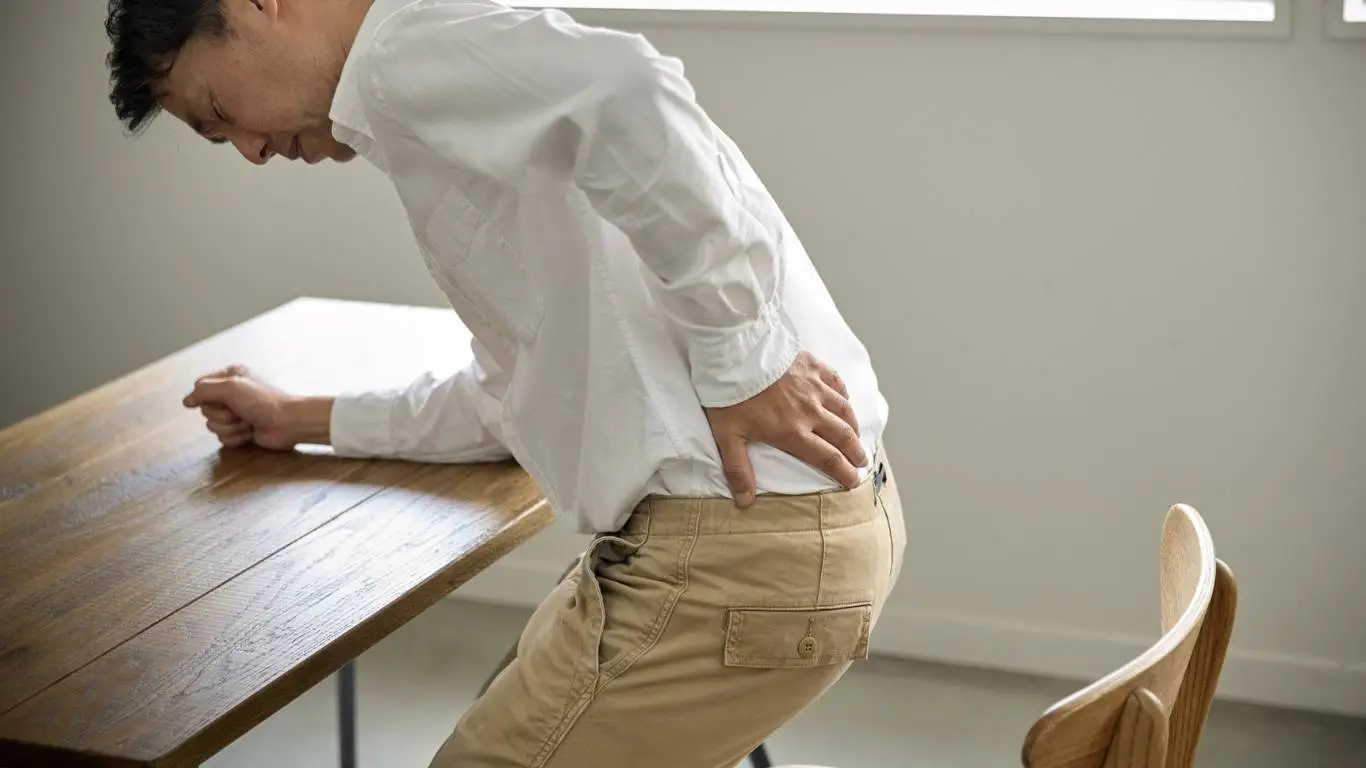
Undoing years of bad couch posture isn’t about going cold turkey on Netflix. It’s about balance. One of the most effective things I added to my routine was a five-minute mobility flow every evening. Nothing fancy—just movements to reset my spine and hips.
Top Moves That Actually Help
- Cat-Cow Stretch: Gently mobilizes the spine after hours of static sitting.
- Hip Flexor Stretch: Loosens tight hips from prolonged couch slouching.
- Thoracic Extensions: Helps reverse the hunch from upper back rounding.
- Glute Bridges: Reactivates dormant glutes and promotes pelvic alignment.
This simple habit reduced my stiffness dramatically in just a week. It also helped with the nagging mid-back tightness I thought was “just part of getting older.” You’ll find more techniques in our guide to stretches for back pain.
Strength Matters: Building Support Around the Spine

If posture is the passive side of spinal health, strength is the active shield. Sitting on a couch all day doesn’t just wreck your alignment—it robs your muscles of the stimulus they need. I noticed my lower back ached not just because of bad posture, but because the muscles that were supposed to support me were sleeping on the job.
Working in some basic exercises 2–3 times a week makes a massive difference. Start with bodyweight movements:
- Planks (standard and side)—strengthen core and reduce lumbar strain.
- Bird-Dogs—train spinal stability and balance.
- Deadbugs—build strength without compressing the spine.
Over time, these help correct the muscle imbalances caused by hours of couch lounging. For deeper muscle reactivation strategies, check out this resource on weak glutes and how they link to lower back strain.
Ergonomic Hacks for Couch People

Not everyone’s going to replace their couch with an ergonomic recliner. But there are ways to optimize what you already have. I experimented with a few setups before landing on one that didn’t leave me walking like a retired wrestler.
Simple Upgrades That Make a Big Difference
- Use a lumbar roll: Even a rolled-up towel can support your natural spine curve.
- Elevate your feet: Helps keep hips neutral and avoids sacral pressure.
- Back wedge pillow: For those deep couches where you tend to sink.
- Switch positions: Try side-sitting with a pillow between knees or semi-reclined with full spine support.
These small tweaks drastically improved my couch sessions—and the back pain that came with them. You can explore more in our guide to support tools for back relief.
When Couch Time Leads to Serious Trouble

Sometimes, the damage runs deeper than stiffness or muscle soreness. Couch posture can contribute to or worsen conditions like:
- Herniated discs from prolonged lumbar flexion
- Thoracic outlet syndrome due to rounded shoulders
- Chronic sciatica from piriformis tightness or disc compression
If you’re dealing with sharp pain, numbness, tingling, or radiating symptoms, it’s time to talk to a professional. Learn to recognize the red flags in back pain that should never be ignored.
Advanced diagnostics like MRIs or CT scans can provide clarity. And in some cases, minimally invasive treatments like radiofrequency ablation or spinal cord stimulators might offer relief when other options fail.
The Mental Toll of Prolonged Inactivity

There’s also a less visible impact: your mental health. Extended periods of inactivity, discomfort, and pain have been linked with mood disorders. I definitely noticed how cranky and foggy I felt after long couch marathons—even when I wasn’t in pain. Turns out, movement isn’t just medicine for your muscles—it’s critical for your mind too.
If you’re battling this dual front of pain and low energy or anxiety, there’s help. Explore how mindfulness and cognitive behavioral therapy can make a meaningful impact. You’re not alone in this.
What I Wish I Knew Sooner

Looking back, I wish someone told me that the way I sit on my couch could shape how I feel when I wake up, work, and move. But the good news? It’s never too late to reset. By making small, sustainable changes—adding movement, supporting your posture, building strength—you can take back control of your spine health without sacrificing comfort.
If you’re serious about changing your daily habits to support your spine, start with the lifestyle and natural remedies guide. It’s packed with tools to complement what you’ve learned here. And for a bigger-picture look at everything related to spine wellness, check out the full back pain resource center.

Camellia Wulansari is a dedicated Medical Assistant at a local clinic and a passionate health writer at Healthusias.com. With years of hands-on experience in patient care and a deep interest in preventive medicine, she bridges the gap between clinical knowledge and accessible health information. Camellia specializes in writing about digestive health, chronic conditions like GERD and hypertension, respiratory issues, and autoimmune diseases, aiming to empower readers with practical, easy-to-understand insights. When she’s not assisting patients or writing, you’ll find her enjoying quiet mornings with coffee and a medical journal in hand—or jamming to her favorite metal band, Lamb of God.