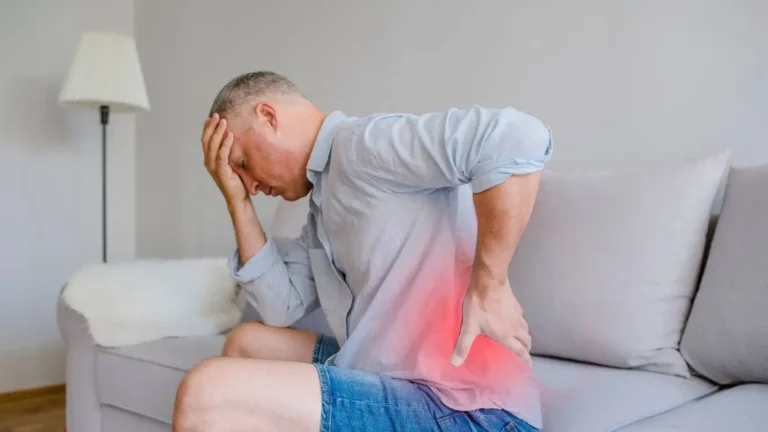
Why Scent-Triggered Migraines in Airplanes Are a Travel Nightmare
Ever been seated on a flight, just settling in, and suddenly – boom – a wave of perfume, cologne, or cabin deodorizer hits you like a brick wall? I’ve been there. Somewhere between takeoff and turbulence, I found myself clutching my temples, bracing for a migraine that I knew was coming. If you’re sensitive to scents, especially in tight, recycled-air environments like airplanes, you already know what I’m talking about. Welcome to the not-so-glamorous reality of scent-triggered migraines mid-flight.
Why Do Airplane Scents Trigger Migraines?
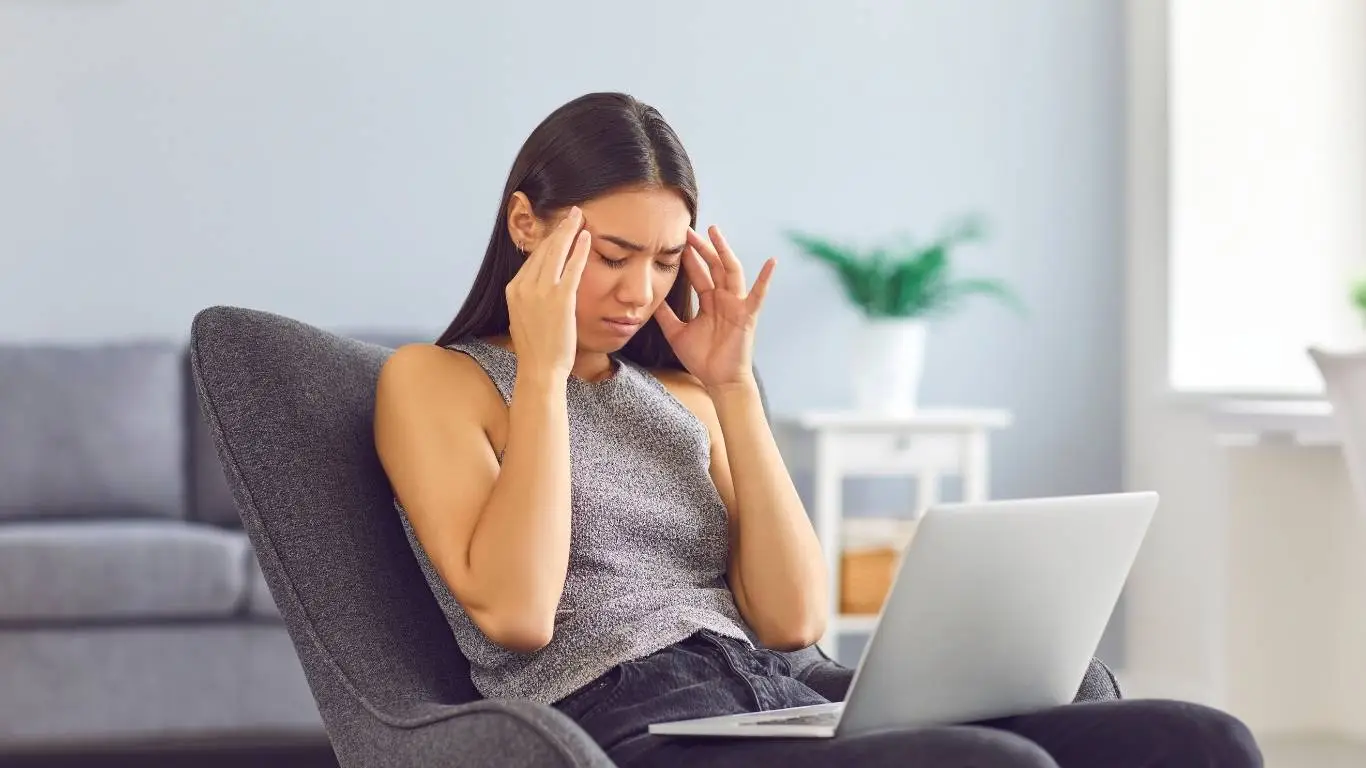
Airplane cabins are notorious for their pressurized, low-oxygen environments, which already mess with our physiology. Add artificial scents – think perfumes, air fresheners, and even jet fuel – and it’s a perfect storm for those of us with migraine sensitivity.
The Recycled Air Problem
Let’s talk airflow. Cabin air is a mix of fresh and recirculated air. That means any strong scent introduced into the cabin stays with you for the entire flight. This stagnant environment heightens scent intensity, making even a subtle spritz of perfume overwhelming.
Scent Sensitivity Isn’t Just Preference
This isn’t about disliking someone’s fragrance. Migraine sufferers have a heightened sense of smell, known as osmophobia. A scent that might seem pleasant to one person could literally feel like a hammer to the skull for another. And in the air? There’s no escape.
More about how the environment plays a role in migraines is available in this weather-trigger migraines article.
Common Scents That Trigger Migraines Mid-Flight

While any scent can be a trigger, certain ones show up over and over in migraine diaries (mine included). Here are the biggest offenders on airplanes:
- Perfumes and Colognes – Especially musky or floral ones
- Cleaning Agents – Used pre-boarding, lingering in tray tables and armrests
- Air Fresheners – Pumped through overhead vents or sprayed pre-takeoff
- Food Smells – Microwave-heated meals with strong spices or oils
- Jet Fuel and Exhaust – Surprisingly strong while boarding or taxiing
There’s more to scent triggers than we often give credit. This topic ties into broader categories of migraine triggers that we often overlook during travel.
Why Airplanes Make Migraines Worse
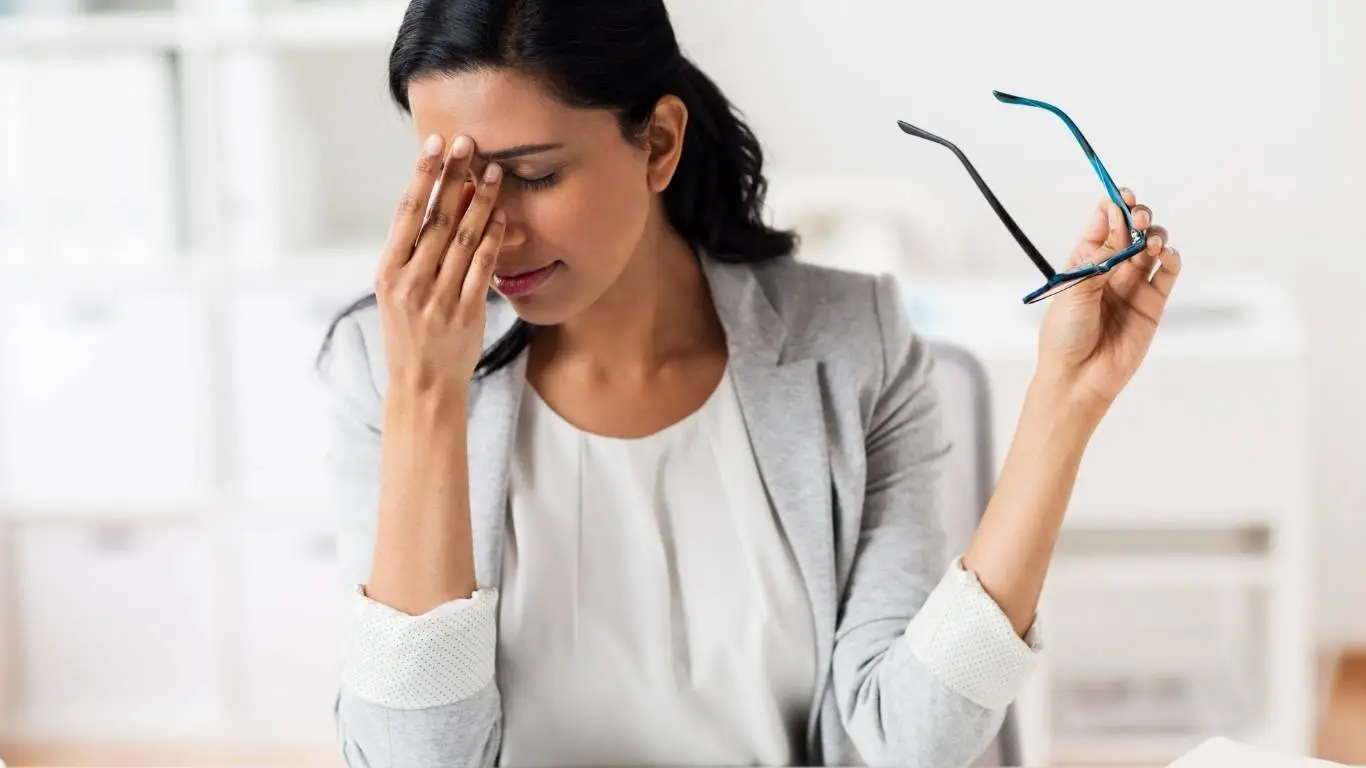
It’s not just the scent itself. Airplanes create a setting that’s hostile to migraine-prone brains:
- Altitude changes affect intracranial pressure
- Dehydration sets in fast with dry cabin air
- Sleep disruption from red-eye flights or jet lag
- Loud engine noise and constant vibration
These combined with overpowering odors spell disaster. Curious about how sensory triggers impact migraines? There’s a detailed read on light and sound sensitivity that’s surprisingly relevant here too.
My Personal Experience: That One Flight I’ll Never Forget

It was a 5-hour flight from LA to JFK. I had my noise-cancelling headphones, water bottle, even my travel pillow. What I didn’t plan for was the passenger next to me spraying a body mist like it was bug spray. Within 10 minutes, I felt my vision start to blur – my migraine warning signs flaring up.
I tried to be polite, asked if they could avoid spraying anything. They apologized, but the scent lingered. By the time we landed, I was hunched over, nauseous, and completely drained. Trust me – this is a very real issue for many of us.
What Can You Do to Prevent Scent-Triggered Migraines on Flights?

Prevention is your best friend here. After a lot of trial, error, and awkward conversations with fellow passengers, here’s what actually helps:
Choose Your Seat Wisely
Opt for window seats closer to the front. Air circulation is slightly better, and you can lean toward fresh air vents.
Bring a Scent Barrier
- Essential oil roll-ons (peppermint or lavender) under your nose
- Unscented masks or lightly scented ones you control
- Saline nasal spray to keep passages hydrated
Hydrate and Medicate
Drink water pre-flight and during. If your doctor recommends, preemptively take your migraine meds an hour before boarding.
Alert Flight Staff (Tactfully)
If someone near you goes overboard with scents, let staff know politely. Many airlines now recognize chemical sensitivity as a legitimate health concern.
Need more tips? Check out this full guide on traveling with migraines. It helped me streamline my migraine travel kit significantly.
When Scent Triggers Combine with Other Migraine Types

It’s worth noting that scent triggers often aren’t solo operators. If you suffer from vestibular migraines or migraines with aura, travel-induced triggers tend to stack up. Stress, irregular sleep, dehydration, and scents can gang up fast.
This makes preparation key. Learn more in the main migraine prevention guide, or take a broader look at the main migraines and headaches hub for more interconnected topics.
Tools and Devices to Support Migraine-Prone Travelers

I’ll be honest — I was a little skeptical of wearable migraine tools at first. But after a friend swore by hers on a long-haul flight, I gave them a try. Some are now permanent residents in my carry-on bag. These gadgets aren’t gimmicks — a few are backed by solid clinical trials and neurological research.
- Cefaly device – mild electrical pulses to reduce nerve sensitivity
- Nerivio wearable – FDA-cleared, controlled via smartphone app
- Other wearable migraine relief devices – suited for travel and discreet
They’re not miracle fixes, but they’ve helped me reduce the severity of symptoms, especially when paired with other prevention tactics.
How to Speak Up Without Feeling Awkward
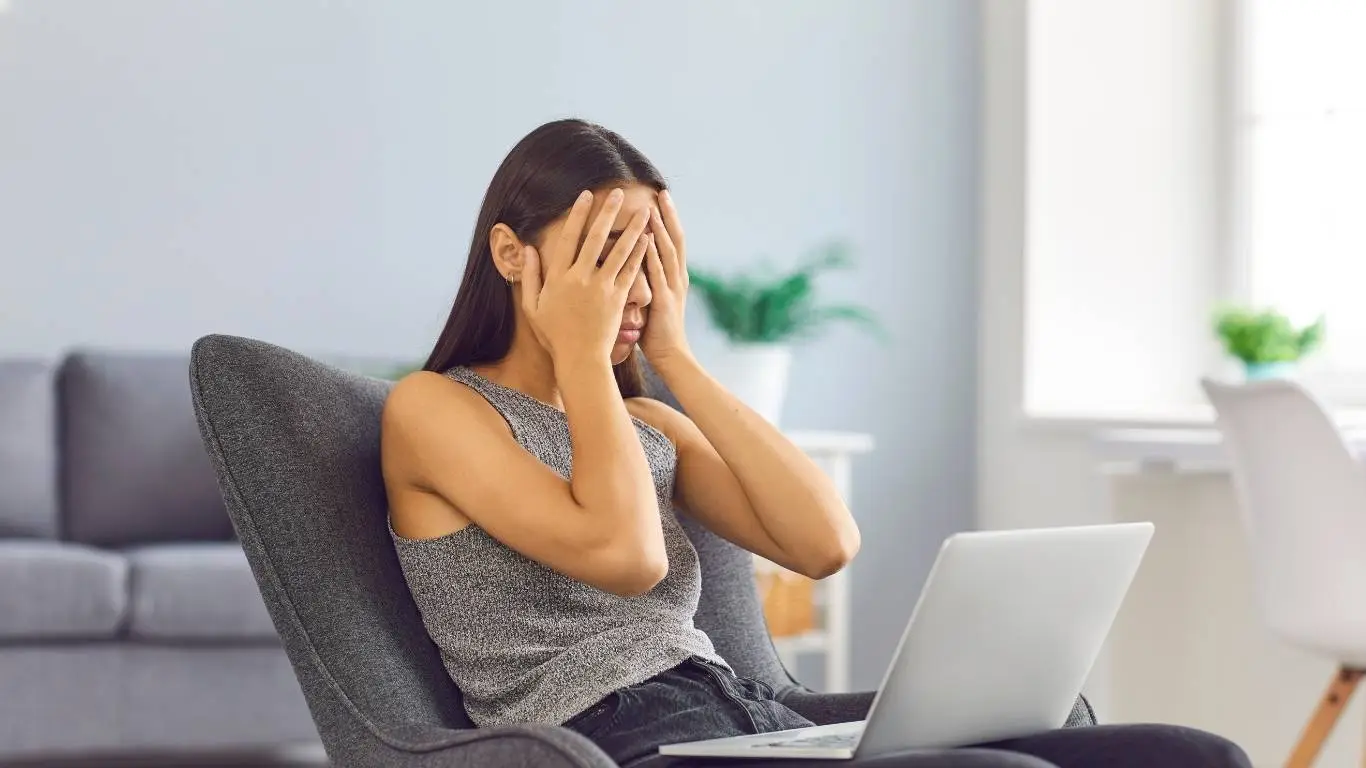
This one’s tough. You’re mid-flight, and your seatmate just sprayed a strong fragrance. You feel that all-too-familiar throb coming on, but don’t want to seem rude. Been there more times than I’d like to admit.
What’s Worked for Me
Over the years, I’ve found that a kind, low-key approach gets better results than panic or frustration:
- “Hey, I hate to ask, but I get really bad migraines from scents. Would you mind not spraying anything while we’re seated?”
- If it’s already lingering, try: “I’m sorry — I think your fragrance might be triggering a medical reaction. Would it be okay if I asked to switch seats or spoke with the flight crew?”
Being prepared with simple, respectful language goes a long way. For more communication strategies, this guide on navigating migraines in work environments is oddly helpful in travel settings too.
Smart Lifestyle Shifts That Help Before You Even Fly

Here’s the truth: how you handle your day before the flight can shape whether a scent actually triggers a migraine or not. Sounds weird, but it’s true. Migraines build over time, and when your baseline is off — poor sleep, skipped meals, stress — it takes less to tip you over the edge.
What I Prioritize Before Travel
- Hydration – I aim for 3L of water the day before flying
- Sleep hygiene – I avoid screens late at night, use magnesium, and stick to routine
- Anti-inflammatory foods – Omega-3-rich meals and low-sugar snacks
- Supplements – I’ve had good luck with magnesium and B2/B6 to reduce attacks overall
For a complete approach, you can explore migraine-friendly meal plans or talk with a registered dietitian who understands migraine triggers. It made a big difference for me over time.
The Role of Anxiety and Anticipatory Migraine Triggers

It’s wild how much anticipation alone can bring on a migraine. Before certain trips, I’ve caught myself tensing up days before departure, worried a scent or cramped space might ruin the entire journey.
Anxiety’s role in migraines is more than emotional. It triggers hormonal and nervous system responses that make your brain more sensitive to any input — light, sound, and yes, smells. It’s like your system is already halfway to a migraine before the trigger even appears.
If this sounds familiar, the connection between anxiety and migraines is definitely worth exploring. Working on this angle — CBT, deep breathing, guided meditation — gave me back control over my mind and body during travel.
Talk to Your Doctor About Scent-Specific Migraine Management

While scent-triggered migraines in airplanes aren’t a widely discussed medical category (yet), they’re real. And if you’re experiencing them, your treatment plan may need to reflect that.
Questions I Asked My Neurologist That Helped:
- Are there medications that reduce scent-triggered migraine sensitivity?
- Can I take triptans or CGRP inhibitors proactively before travel?
- What lifestyle strategies actually move the needle long-term?
Turns out, yes to all. There are now CGRP inhibitors and even Botox treatments that help people who react strongly to environmental triggers like scents. It’s not a one-size-fits-all deal, but it’s progress.
Give Yourself Grace – You’re Not Imagining This

There’s a tendency to downplay migraine triggers, especially those that seem “minor” to other people — like smells. But if you’ve felt your heart race and vision blur at the whiff of cologne mid-flight, you know it’s not in your head (well… it is, but not in that way).
Advocating for yourself, setting boundaries, preparing your body ahead of time — these aren’t overreactions. They’re necessary tools. And you’re not alone. More people than ever are learning how travel, scent, and migraines interact.
To deepen your understanding and expand your toolkit, visit the full guide on migraine treatment options. Or explore the broader content in the main migraines hub for expert-backed strategies tailored to your triggers.

Bianca Nala is a compassionate Nurse Practitioner with a strong background in primary and respiratory care. As a health writer for Healthusias.com, she combines her clinical expertise with a talent for clear, relatable storytelling to help readers better understand their health. Bianca focuses on topics like asthma, COPD, chronic cough, and overall lung health, aiming to simplify complex medical topics without losing accuracy. Whether she’s treating patients or writing articles, Bianca is driven by a single goal: making quality healthcare knowledge accessible to everyone.