Why Floaters After Changing Lightbulbs May Be a Red Flag
Ever had that strange moment when you switch out a lightbulb, look up, and suddenly see a swarm of little dots, specks, or shadowy cobwebs drifting across your vision? Yeah, me too. The first time it happened to me, I thought it was just the brightness messing with my eyes—or maybe dust. But no. Those sneaky little floaters decided to show up *right* after I changed the bulb in my hallway. It turns out I’m not alone. A growing number of people have started noticing floaters after changing lightbulbs or fixtures. So what’s really going on?
Why You Might Notice Floaters After Swapping Out a Light Fixture
At first glance, it seems odd. Changing a light fixture is no big deal, right? But think about what usually happens during that moment:
- Your eyes are exposed to a sudden burst of bright light.
- You’re often looking upward, tilting your head at an awkward angle.
- The surrounding environment might go from dark to bright quickly—or vice versa.
- The lighting you install might have different color temperatures or flicker patterns.
All of these factors can amplify your perception of floaters. And for those of us already predisposed—thanks to age, eye strain, or even dehydration—this quick change can make floaters much more noticeable.
What Are Eye Floaters, Really?
In simple terms, floaters are tiny clumps of collagen inside your eye’s vitreous humor (the gel-like substance filling the eyeball). These clumps cast shadows on your retina, which you perceive as little specks, lines, or cobwebs moving across your vision. They’re totally real, and no, you’re not imagining them. They’re often more visible in bright environments—like when you’re staring at a ceiling light you just installed.
If you’ve ever wondered why floaters become more visible in low contrast or sudden brightness, it’s due to how your eyes adjust to abrupt lighting changes. The vitreous gets stirred when your head moves or shifts position, causing any floaters to “dance” more visibly across your field of vision.
Light Sensitivity: A Hidden Trigger
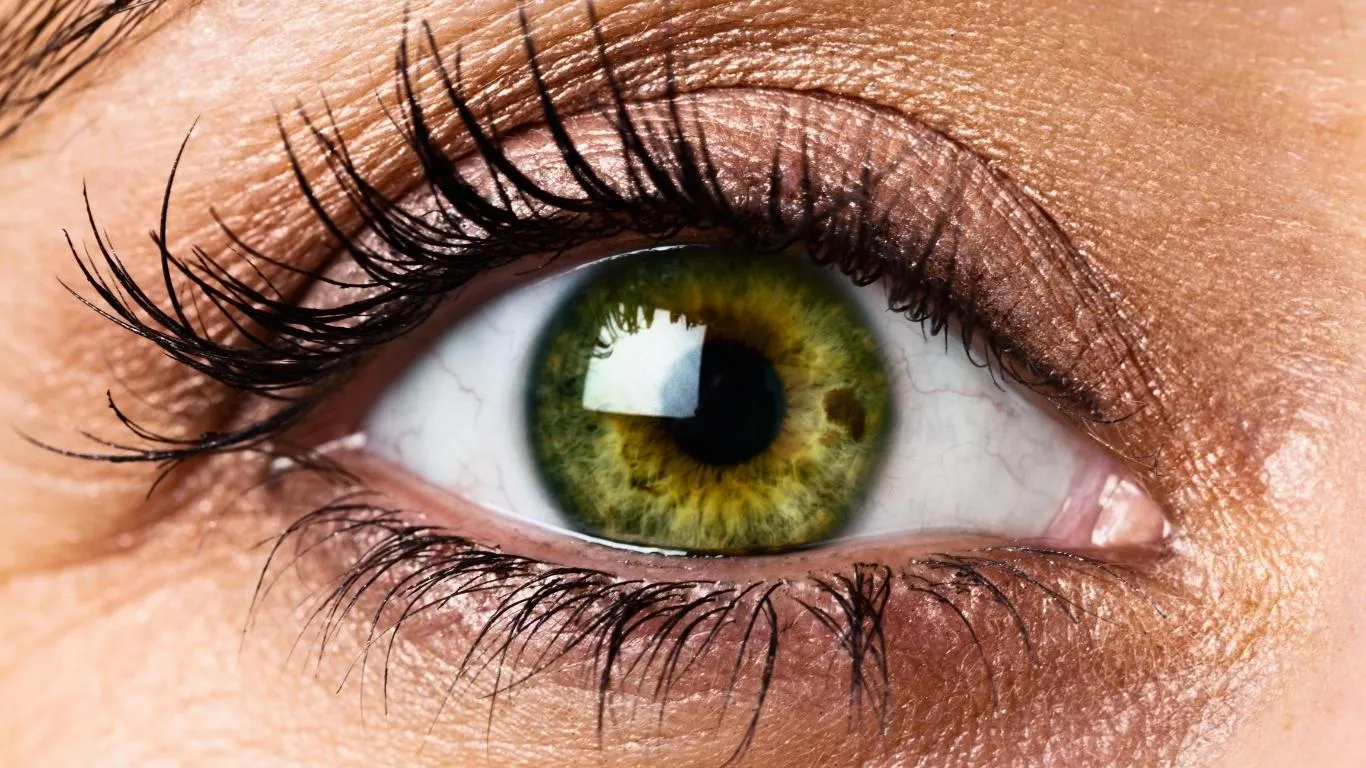
When I switched from warm incandescent bulbs to bright white LEDs, my eyes weren’t thrilled. That harsh new light made my floaters pop like confetti. Turns out, light sensitivity plays a major role in how we perceive floaters. If you’ve got photophobia or just sensitive vision, even minor adjustments to light intensity can exaggerate floater visibility.
According to nei.nih.gov, sudden light exposure causes the pupil to constrict rapidly, tightening the focus in the eye and shifting the visual contrast. This often highlights shadows caused by floaters that were already there—but less noticeable before the change in illumination.
Why New LED Fixtures Make It Worse
Modern LED bulbs often emit blue-spectrum light, which can feel harsher on the eyes than traditional bulbs. Not only can this type of light irritate your retina, but it also makes floaters easier to spot. Especially in high-lumen environments (like those cool minimalist kitchen fixtures), you might feel like you’re seeing more floaters than usual.
If this sounds familiar, you’re not imagining things. Digital screens and modern LED lighting both share one key similarity—intense, cool-toned light that increases floater contrast.
Head Movement & Eye Positioning During Installations
This one hit home for me. Climbing up a step stool, tilting your head back, looking up for several seconds while twisting a fixture—all of this puts unique strain on the eyes. That motion alone causes the vitreous to shift more rapidly than usual. When this gel stirs, floaters move, and that motion becomes more exaggerated against a bright, contrasting ceiling.
Interestingly, upward head tilts or lying flat are common triggers reported in articles like why floaters appear when lying down or changing perspective. It’s that change in vitreous pressure and fluid motion that sets them off, making them more apparent for a few minutes—or longer if you’re prone to them.
Is It Dangerous or Just Annoying?
Most of the time, floaters are harmless, just deeply irritating. But if you start seeing flashes of light, sudden bursts of many new floaters, or a shadow creeping across your vision, it could be a sign of retinal damage. One of the top resources I keep bookmarked is this breakdown on floaters before a retinal tear. Trust me—if anything ever feels off, get it checked.
When It’s More Than Just Lighting
While it’s easy to blame the light fixture, it might be your eyes trying to tell you something else. Floaters are often a result of aging—but they can also be triggered by underlying issues. In fact, age-related vitreous changes are one of the biggest culprits, especially if you’re over 40.
I also found out the hard way that dehydration, lack of sleep, and eye strain all contribute to floaters becoming more persistent. After an all-nighter painting and redoing lighting in my workspace, I spent two days squinting through a fog of specks.
If you’re curious about how other conditions—from migraines to stress—might be linked, I recommend diving into the primary article here:
What Are Eye Floaters? Causes, Symptoms, and Treatment Options:contentReference[oaicite:0]{index=0}
And for those who want to know when floaters become dangerous or what to do when they suddenly spike, this guide is excellent:
When Are Eye Floaters Dangerous?:contentReference[oaicite:1]{index=1}
How to Ease Floaters After Lighting Changes
If you’re like me and those floaters hang around long after you’ve screwed in the last bulb, there are a few simple tricks that might help reduce how noticeable they are. No miracle cures, but hey, every bit helps.
- Adjust your lighting environment: Dim overly bright lights, avoid harsh color temperatures (look for 2700K-3000K bulbs), and consider using smart bulbs that allow gradual brightness changes.
- Take eye breaks: Especially after working overhead or dealing with new lighting. Just looking at something green or natural can do wonders.
- Hydrate well: Dehydration makes floaters more stubborn. I didn’t believe this until I tried doubling my water intake for a few days. It helped more than I expected.
- Use artificial tears: Dry eyes can worsen visual clarity. A few drops throughout the day can reduce visual noise and make floaters less irritating.
I’ve also experimented with blue-light filtering glasses after updating my kitchen lights to ultra-white LEDs. Turns out, they reduce glare and help reduce floater visibility, especially during evening hours.
Smart Lighting Choices That Help
One of the things I wish I had known earlier is how important lighting choice actually is. If you’re installing new fixtures, try using bulbs labeled as “soft white” or “warm white.” Anything in the 2700K range tends to feel easier on the eyes. Avoid cool white or daylight tones unless necessary—they’re brutal on floaters.
If your light fixture allows dimming, even better. Gradual lighting transitions give your eyes a chance to adapt and prevent abrupt contrast spikes that make floaters stand out.
When to Get Your Eyes Checked
It’s worth repeating: if your floaters changed dramatically *after* a lightbulb swap or you notice new ones frequently, don’t ignore it. I had a minor scare myself when I saw a burst of black dots that wouldn’t settle. Turned out to be nothing serious, but my eye doctor was glad I came in. Better safe than sorry.
Some warning signs that mean you should call a specialist:
- Sudden increase in number or size of floaters
- Flashes of light (especially in peripheral vision)
- Floaters that come with blurred vision or shadows
- A sensation like a curtain or veil over part of your vision
Those could point to something more urgent like a posterior vitreous detachment or, worse, a retinal tear. One of the most practical resources I’ve bookmarked is this guide to PVD and floaters. It’s helped me understand what’s normal aging and what’s not.
Don’t Ignore the Power of Prevention
We often wait until something feels wrong before acting. But when it comes to floaters, a few daily habits can go a long way:
- Get regular eye exams: Even if your vision feels fine, especially if you’re over 40.
- Eat a diet rich in lutein and vitamin C: There’s growing evidence that nutrition affects floaters.
- Reduce screen time glare: Or install low-blue light filters on your devices and smart bulbs.
- Protect your eyes during tasks like fixture installation: Wearing safety glasses might sound overkill, but it’s a habit I’ve picked up after one too many dust-in-the-eye episodes.
Lighting upgrades are a modern must, but so is caring for our eye health while doing them. Our vision’s delicate balance can shift with something as simple as a new fixture—and now that I know how connected it all is, I never change one without being a bit more mindful.
Floaters + Light Changes Aren’t Always Coincidence
One last thing: don’t brush off new floaters as just a trick of the light. Sometimes they are, yes—but they can also be your eyes waving a tiny white flag. Articles like this one on floaters in bright rooms show how lighting exposes what was already happening under the surface.
And if you want a complete overview—from causes to when to worry—I recommend this solid pillar resource:
Common Causes of Eye Floaters:contentReference[oaicite:0]{index=0}

Camellia Wulansari is a dedicated Medical Assistant at a local clinic and a passionate health writer at Healthusias.com. With years of hands-on experience in patient care and a deep interest in preventive medicine, she bridges the gap between clinical knowledge and accessible health information. Camellia specializes in writing about digestive health, chronic conditions like GERD and hypertension, respiratory issues, and autoimmune diseases, aiming to empower readers with practical, easy-to-understand insights. When she’s not assisting patients or writing, you’ll find her enjoying quiet mornings with coffee and a medical journal in hand—or jamming to her favorite metal band, Lamb of God.