Why Floaters Get Worse While Watching Fast-Moving Videos
Ever noticed tiny, squiggly shapes floating across your vision—especially when watching something fast-paced, like action-packed scenes or sports highlights on your screen? You’re not alone. I started noticing these odd floaters while binge-watching Formula 1 replays last year, and for a moment, I thought something was wrong with my eyes. Turns out, it’s a pretty common experience—one that has roots in how our eyes respond to movement, light, and fatigue.
Why You Might Notice Floaters More When Watching Fast-Moving Videos
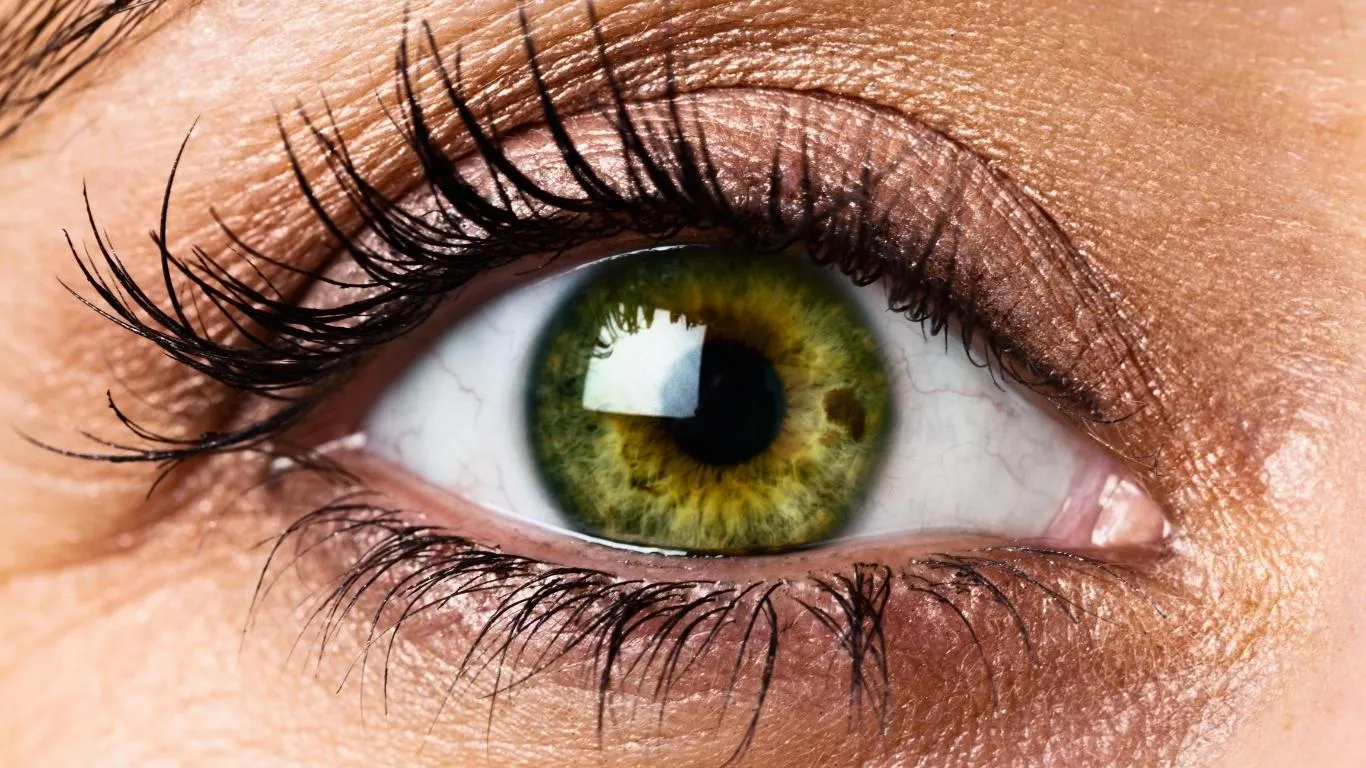
Watching fast-paced content on screens—especially in high contrast or bright backgrounds—can draw your attention to things you might not otherwise notice in your peripheral vision. Eye floaters, those translucent threads or dots drifting across your field of view, become especially noticeable in these conditions.
But what causes them to show up more during high-motion video playback? Here’s what might be happening behind the scenes (or screens, in this case):
Visual Processing Overload
Your eyes and brain are trying to keep up with the movement, frame changes, and light shifts. If you’re already prone to floaters, these stimuli make them stand out more. I’ve found floaters show up more often when I’m watching high-speed car chases or aerial drone footage with a lot of sky in the background.
Bright and High-Contrast Screens
Many of us watch content on ultra-bright screens with vivid color settings. This intense contrast, especially between dark floaters and light backgrounds, creates the perfect condition to spot those floaters gliding across your vision.
If you’re watching something on your laptop, tablet, or phone in a dark room, this contrast becomes even sharper, which is why some people report more floaters after using phone in dark environments.
Dry Eyes and Reduced Blinking
When you’re glued to a fast-moving video, blinking takes a back seat. That reduction in blinking leads to dryness, and dry eyes are notorious for making floaters more prominent. Add screen glare to the mix and you’ve got the perfect storm.
Understanding What Floaters Actually Are
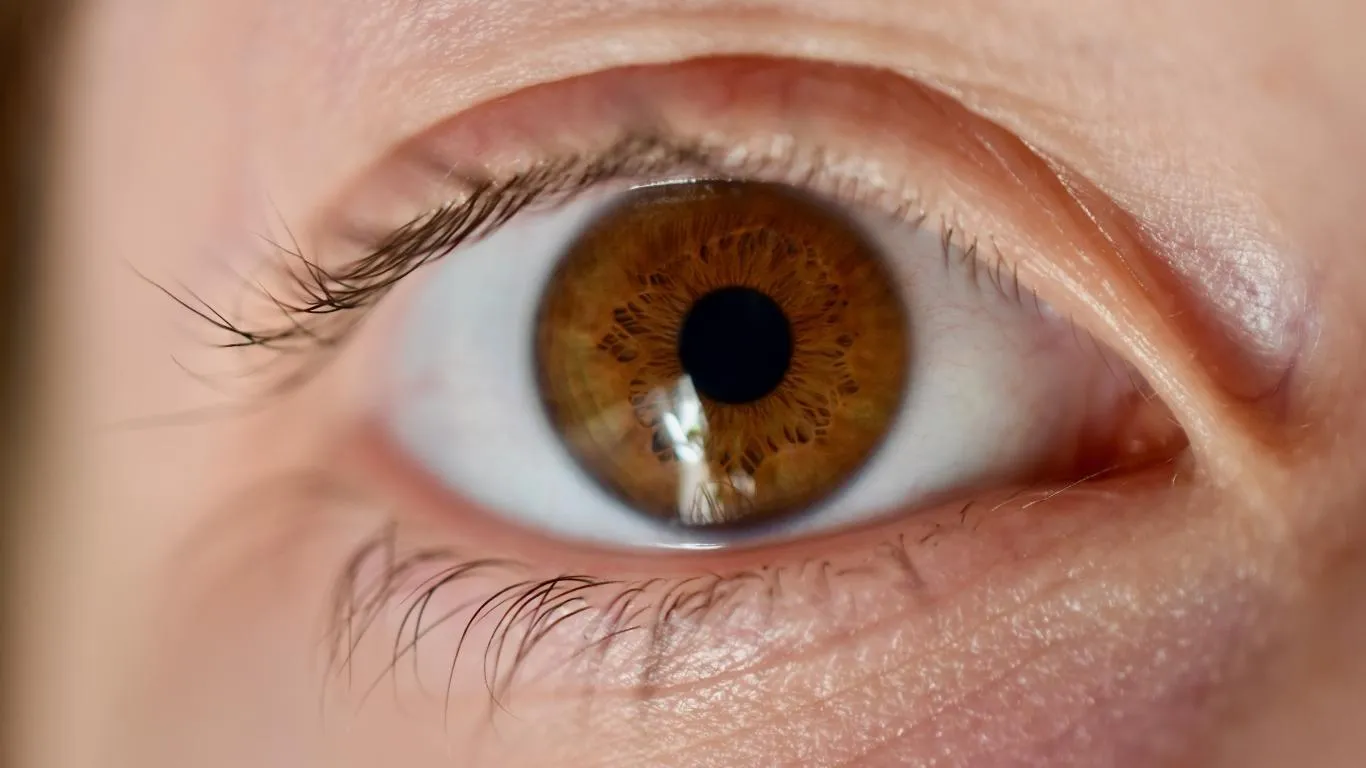
Floaters aren’t just figments of your imagination—they’re real. Most commonly, they’re tiny clumps of collagen that form in the vitreous, the gel-like substance inside your eye. As we age, that vitreous starts to liquefy and shrink, causing these collagen fibers to bunch up and cast shadows on your retina.
Sometimes they’re harmless. Sometimes, not so much. According to the American Academy of Ophthalmology, a sudden surge of floaters—especially if accompanied by flashes or vision loss—could be a sign of a serious condition like retinal detachment.
But in most cases, especially when they show up while watching TV or YouTube on full brightness, they’re part of the normal aging process. You can explore more in-depth info in our main article about causes, symptoms, and treatments of eye floaters.
Who’s Most Likely to Experience This?
- People over 40 – Age-related vitreous changes are the number one cause of floaters.
- High myopia patients – Nearsightedness can change the shape of the eyeball, increasing floater risk.
- Frequent screen users – Long hours of screen time can make floaters feel more noticeable, especially under certain lighting.
If you fall into any of these categories, you might want to check out our dedicated guide on floaters in your 40s—and why they shouldn’t be ignored if they suddenly change or multiply.
Environmental and Lifestyle Triggers That Can Make Floaters Worse
- Screen Brightness: Overly bright screens can highlight the shadows cast by floaters on your retina.
- Lighting Conditions: Floaters tend to stand out more in evenly lit or white backgrounds—exactly what fast-moving videos often feature.
- Lack of Sleep: Fatigue can make your vision more sensitive. I personally notice more floaters the day after pulling an all-nighter editing footage.
- Hydration: Yes, really. Dehydration can worsen floaters, especially if your eyes already feel strained.
There’s even growing discussion on how floaters can worsen with excessive screen exposure. With so many of us glued to our devices, this isn’t a small issue anymore—it’s practically a modern-day digital eye problem.
What You Can Do to Minimize Floater Distraction During Video Watching
Short of going full monk mode and swearing off Netflix, there are practical things you can do to reduce how much floaters bug you when watching fast-moving scenes.
- Adjust screen brightness – Find a comfortable medium—not too bright, not too dim.
- Blink more often – Set micro-reminders to help maintain eye moisture.
- Use eye drops – Especially artificial tears if you’re dealing with dryness.
- Position your screen properly – Ideally at eye level to reduce unnecessary eye movement.
Also, if you’re watching content in a dark room, consider a small ambient backlight. That reduces contrast and helps your pupils adjust more naturally—making floaters less visible.
For more info on managing floaters effectively, the article on eye floater treatments covers what options are available—from doing nothing to laser procedures.
And if you’re still unsure whether what you’re seeing are floaters or something more serious, our piece on differentiating floaters from other eye issues can help you understand what’s what.
When Should You Worry About Floaters During Screen Time?
Let’s be real—most floaters aren’t emergencies. But if you suddenly start seeing more of them, especially while watching fast-moving videos, it’s worth paying attention. I had one weekend where I noticed dozens more while rewatching an action series. It freaked me out enough to book an eye appointment the next morning.
There are signs that separate annoying-but-normal floaters from potential red flags. If you experience:
- Sudden burst of floaters
- Floaters accompanied by flashes of light
- Loss of peripheral or central vision
—it could indicate a retinal tear or detachment. Don’t wait that out. Call your optometrist or ophthalmologist right away. Check out the signs in detail on this guide about floaters before retinal tear.
Why Watching Fast Visuals May Train You to Notice Floaters More
There’s a weird trick our brain plays—once you notice floaters, you can’t unsee them. Fast content with sweeping camera movements or bright skies makes that even worse. Our brains love patterns, and floaters break them. It’s like spotting a smudge on your camera lens—suddenly it’s all you see.
There’s also the idea of neural adaptation. The more you fixate on floaters during screen time, the more your brain becomes aware of them. That’s why people often describe floaters as worse when tired, anxious, or after staring at high-contrast scenes. Explore more on floaters linked to anxiety triggers—yes, it’s more real than you think.
Can Certain Genres Make Floaters More Noticeable?
Absolutely. From personal experience, genres with a lot of bright skies, fast motion, or first-person POV make floaters stand out like crazy. A few common culprits:
- Sports highlights – Constantly shifting focus and backgrounds expose floaters easily.
- Racing content – If you watch F1 or MotoGP, expect to see floaters zipping along with the cars.
- Nature documentaries – Bright sky pans and open scenery are a floater’s playground.
- Drone footage – The aerial views often combine sharp lighting changes with constant movement.
If you’re noticing floaters more during these, it doesn’t mean your eyes are getting worse—it just means you’re looking under conditions where floaters love to shine. Quite literally.
Can Floaters Ever Go Away?
One of the first questions I Googled after noticing mine was: “Do floaters disappear?” The truth is… sort of.
Some floaters do fade over time. They can drift downward and out of your direct vision path, or your brain simply learns to ignore them. That process is called neuroadaptation.
Others stick around, and if they’re large or obstructive, they can affect your quality of life. But before you panic, know this: there are ways to cope. From home habits to medical procedures, this article on natural floater remedies does a great job outlining options that aren’t just surgery.
What Your Eye Doctor Might Recommend If Floaters Interfere With Screen Use
If floaters are affecting your daily screen habits, from watching videos to editing visuals like I do, an eye specialist can offer some surprisingly helpful advice. Depending on severity, they may recommend:
- Vitrectomy – A surgical removal of the vitreous gel (for severe floaters).
- Laser vitreolysis – Laser breaks up floaters (not for all types, and not widely available).
- Observation – In many cases, no treatment is the best approach.
You can dive deeper into these treatments via our treatment guide for floaters. Keep in mind: not everyone is a candidate, and not every doctor recommends surgery unless vision is truly impaired.
Tips to Train Your Eyes and Mind Away From the Distraction
It may sound weird, but learning to mentally tune out floaters is a skill. I’ve picked up a few things along the way that help lessen their impact while watching anything fast or flashy:
- Look through, not at them – Let your focus glide past the floater instead of chasing it.
- Use visual distractions – Peripheral motion (like an ambient background or light) can divert attention.
- Stay hydrated and well-rested – It reduces fatigue-induced sensitivity.
- Screen breaks every 20 minutes – Follow the 20-20-20 rule (every 20 minutes, look 20 feet away for 20 seconds).
Honestly, the less I obsess about them, the less I see them. And I’ve heard the same from others who deal with this daily.
If you’re unsure whether what you’re seeing are floaters or other visual disturbances, check out this article on how to tell eye floaters apart from other issues.
For broader understanding, the main article on what causes and treats floaters offers detailed context.
And if you’re still uncertain whether what you’re experiencing is normal for your age and habits, here’s a deeper dive into the common causes of floaters that goes beyond just the screen time factor.

Camellia Wulansari is a dedicated Medical Assistant at a local clinic and a passionate health writer at Healthusias.com. With years of hands-on experience in patient care and a deep interest in preventive medicine, she bridges the gap between clinical knowledge and accessible health information. Camellia specializes in writing about digestive health, chronic conditions like GERD and hypertension, respiratory issues, and autoimmune diseases, aiming to empower readers with practical, easy-to-understand insights. When she’s not assisting patients or writing, you’ll find her enjoying quiet mornings with coffee and a medical journal in hand—or jamming to her favorite metal band, Lamb of God.