Why Floaters Following Temporary Eye Fog May Signal Vision Issues
You ever get that weird moment when your vision feels just… off? Like a short fog rolls over your eyes, and then—bam—little squiggly floaters start dancing around your line of sight. It happened to me after a long workday staring at screens. At first, I brushed it off, but it kept happening. Turns out, I wasn’t alone, and that strange combo of *temporary eye fog followed by floaters* is more common than you’d think. Let’s unpack what’s going on here—without the technical mumbo jumbo.
What Causes Floaters After Eye Fog?
First, let’s break this down. Temporary eye fog usually feels like a film over your eyes or mild blurriness. It could last a few seconds or linger for minutes. When that fog clears up, seeing floaters—those transparent squiggles, dots, or strands—is something a lot of people experience. But what gives?
1. Dehydration or Eye Fatigue
Yep, something as simple as not drinking enough water can mess with your eyes. Dehydration can make your eyes feel dry and lead to *visual disturbances*, including foggy vision. When you strain your eyes for too long—think binge-watching, doom-scrolling, or back-to-back Zoom calls—your vitreous (the gel-like substance inside your eye) can respond with micro-changes that result in floaters.
If you’ve ever had floaters after using your phone in the dark, you know the deal.
2. Sudden Eye Pressure Changes
It’s wild, but even something like coughing, sneezing, or sudden movement (like standing up too fast) can cause a brief shift in intraocular pressure. That pressure fluctuation can trigger foggy vision, followed by floaters shortly after. These might feel like random specs at first, but if they’re reoccurring, it could be your eyes signaling a deeper issue.
3. Hormonal or Blood Sugar Fluctuations
If you’re like me and experience blood sugar dips throughout the day, you might also notice vision weirdness along with it. That “eye fog” sensation is often tied to metabolic shifts, especially if you skipped a meal or had too much caffeine. Pair that with floaters made worse by caffeine, and you’ve got the perfect storm for uncomfortable vision symptoms.
When Should You Be Concerned?
Sometimes floaters following eye fog are just that—temporary. But not always. If your floaters increase suddenly, or they’re paired with flashes of light, loss of side vision, or pain, it’s time to get it checked out.
- If you notice floaters in just one eye
- If your foggy vision lasts more than a few minutes
- If the floaters appear larger, darker, or move aggressively
These could be warning signs of retinal issues or something more serious. Read more on floaters with no other vision symptoms to understand when they might be quietly signaling trouble.
Retinal Detachment: Rare but Real
This is where things get serious. Persistent fog followed by a *storm* of floaters might mean your retina is starting to detach. And trust me—you don’t want to wait on this one. A friend of mine ignored it until it was almost too late. Early intervention can save your vision. Learn to spot the signs in this guide on retinal tears from trauma.
Underlying Conditions That Could Be Involved
1. Eye Inflammation
Conditions like uveitis or even mild allergic responses can cause temporary fogging of vision. When inflammation hits the inner eye, floaters can follow. Here’s a great read on how uveitis causes floaters.
2. Vitreous Syneresis
This one’s a bit more complex. As we age—or after certain stressors—the vitreous starts to break down. It’s called syneresis. That breakdown causes clumps, which we see as floaters. Sometimes, eye fog is just a warning flag for these early changes. Learn more on this in the vitreous syneresis breakdown article.
3. Light Exposure Sensitivity
Ever walk outside after being in a dark room and suddenly feel like your eyes can’t adjust? That abrupt transition can trigger temporary fog, and with it, floaters may appear. Bright environments tend to amplify these issues. Dive into why floaters feel worse in bright light.
Helpful Practices to Reduce the Discomfort
- Hydrate – Plain and simple. Eye floaters get worse when your body is parched.
- Rest Your Eyes – The 20-20-20 rule (every 20 mins, look at something 20 feet away for 20 seconds) does wonders.
- Improve Lighting – Avoid harsh lighting or long exposure to dark-light-dark transitions.
- Reduce Blue Light – Use night filters or glasses if you’re screen-bound.
Some folks find yoga or targeted exercises help too—especially when floaters feel tied to tension. For that, check out this set of eye exercises that actually work.
Need to go deeper on the symptoms? The best breakdown I’ve found is here: Recognizing Eye Floater Symptoms.
And for the bigger picture about eye floaters overall, this main guide is a solid one to bookmark: Causes, Symptoms, and Treatment Options for Eye Floaters.
Could It Be Something You’re Eating?
Believe it or not, your floaters might be trying to tell you your diet needs a tune-up. I went through a period where I was living off energy drinks and snacks, barely touching anything green or nutritious. Not surprisingly, my vision started playing games—fog, then those annoying floaters dancing across my field of view.
1. Poor Nutrient Absorption
Your eyes rely heavily on micronutrients—especially antioxidants like lutein, zeaxanthin, and vitamin C. When you’re low on these, your eyes lose their natural defense against oxidative stress. That stress can mess with the vitreous, causing floaters to develop or worsen. For a science-backed read, check out foods rich in lutein that support eye health.
2. High Sugar or Refined Carb Diet
Spikes in blood sugar don’t just affect your energy—they hit your eyes too. After a big sugary meal, many people report fogginess followed by floaters. Diabetics especially need to be cautious here. This is covered in more depth in how diabetes leads to eye floaters.
3. Not Enough Collagen Support
The vitreous body in your eye is made mostly of collagen. As we age—or slack on collagen-building foods—its structure breaks down, leading to clumps (aka floaters). There’s a helpful breakdown in collagen supplements for eye floaters that helped me find a better dietary rhythm.
Hormones and Stress: Sneaky Triggers You May Be Overlooking
We often think of stress as a mental burden, but it absolutely affects our body—including our eyes. One of the most noticeable signs for me was how floaters became more pronounced after emotional days. It wasn’t just in my head—there’s biology behind it.
Stress Hormones Can Alter Eye Fluid Balance
When cortisol (the stress hormone) spikes, it can mess with your blood pressure, hydration, and fluid dynamics in the eye. Temporary fog often follows, and for some, floaters show up right after. If you’ve had floaters after intense emotional episodes, you’re not imagining it.
Hormonal Shifts, Especially in Women
Pregnancy, menstruation, and menopause all come with hormonal rollercoasters. These affect fluid retention and pressure in the eye, which can create momentary foggy vision followed by floaters. This resource on floaters during pregnancy gives a great breakdown, but the principle applies broadly.
Sleep, Eye Fog, and the Floater Cycle
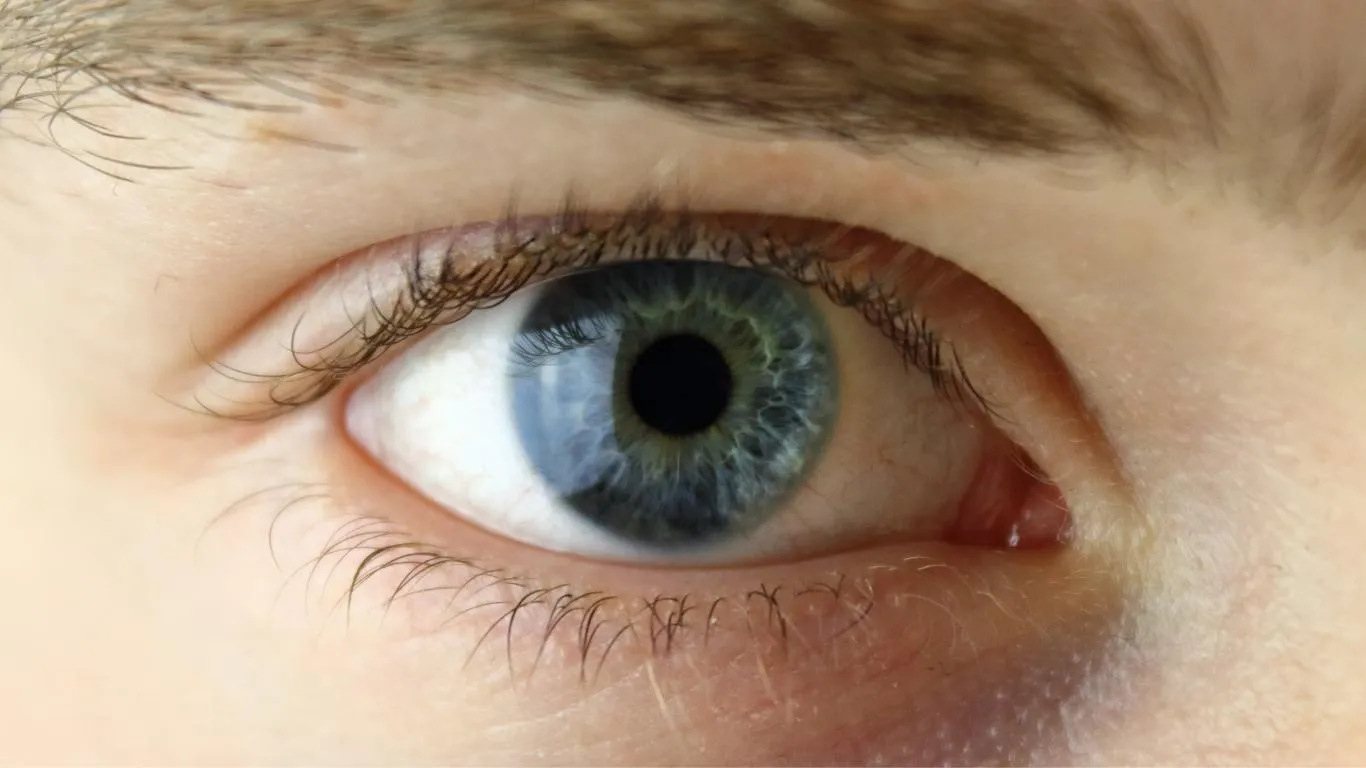
If you’ve ever woken up to hazy vision and a new swarm of floaters, poor sleep might be the culprit. The eyes need downtime to restore fluid balance and flush waste. When that’s disrupted—like after a few sleepless nights—you might get a foggy haze that clears and leaves a trail of floaters in its wake.
I noticed this after a red-eye flight and traced the pattern back to poor rest. Turns out it’s more common than we think. This is explored further in eye floaters and poor sleep quality.
Blue Light Exposure Late at Night
Using your phone in bed? Guilty as charged. Blue light late at night tricks your circadian rhythm, but it also affects your vision recovery. Add foggy mornings and new floaters to the list of side effects. Consider dimming screens or using a blue light filter.
Is It Just Dry Eyes—or Something Bigger?

One overlooked connection I discovered from personal trial-and-error was how often dry eye symptoms mimic the fog-floater combo. If your eyes are dry, your tear film becomes unstable. That makes vision blur randomly—what many call “fog.”
Once your eye re-lubricates, the fog clears, but floaters that were always there suddenly become more visible. There’s a deeper look at this in dry eye syndrome and floaters.
What You Can Do That Actually Helps
So how do you get some relief—aside from panicking every time fog and floaters make an appearance? Here’s what’s helped me and others who’ve dealt with the same thing:
- Hydration First: I aim for 2.5L water daily. The days I don’t, my floaters act up—no coincidence.
- Digital Detox Hours: Cutting screen time 2 hours before bed made a noticeable difference in my morning vision.
- Warm Compresses: Helps with both dry eyes and foggy vision by stimulating oil glands around the eyes.
- Eye-Safe Lighting: Try warm-toned lights instead of harsh white LEDs in your workspace.
- Targeted Supplements: Omega-3s, lutein, and collagen boosters have made an impact for me personally.
These are not overnight fixes, but trust me—doing even a few consistently gives results.
Still Seeing Floaters After Eye Fog? Don’t Ignore It

If fog followed by floaters becomes a frequent thing—or gets worse—book an eye exam. Seriously. One of the best overviews I found is this guide on dangerous floaters. Don’t rely on guesswork when it comes to your sight.
Also, be sure to explore the broader differences between floaters and other vision problems so you know what’s normal—and what’s not.
For a deeper dive on causes, symptoms, and long-term solutions, you’ll want to read the full breakdown here: Main Pillar on Eye Floaters.

Camellia Wulansari is a dedicated Medical Assistant at a local clinic and a passionate health writer at Healthusias.com. With years of hands-on experience in patient care and a deep interest in preventive medicine, she bridges the gap between clinical knowledge and accessible health information. Camellia specializes in writing about digestive health, chronic conditions like GERD and hypertension, respiratory issues, and autoimmune diseases, aiming to empower readers with practical, easy-to-understand insights. When she’s not assisting patients or writing, you’ll find her enjoying quiet mornings with coffee and a medical journal in hand—or jamming to her favorite metal band, Lamb of God.