Why Back Pain When Sneezing or Coughing Could Mean Trouble
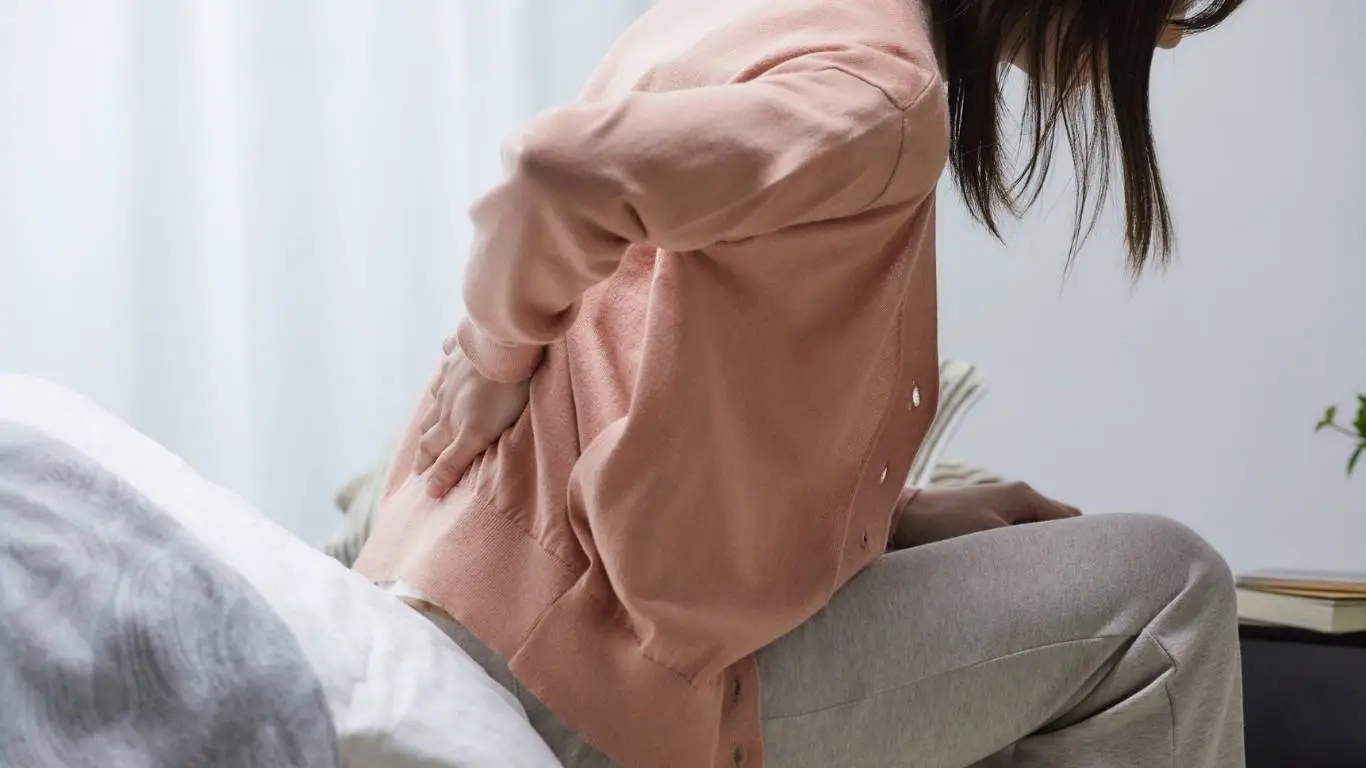
I’ll never forget the time I was in the middle of a presentation, took a quick breath, sneezed—and boom. A jolt of pain shot through my lower back like a lightning bolt. It was sharp, unexpected, and honestly, a little scary. If you’ve ever felt back pain when sneezing or coughing, you’re not alone—and you’re definitely not imagining things. Let’s talk about why this happens and what you can do about it.
Why Does Sneezing or Coughing Cause Back Pain?

When you sneeze or cough, there’s a rapid, forceful contraction of muscles, especially in the core. These sudden movements create a quick spike in intra-abdominal pressure. If your spine or surrounding muscles aren’t in great shape—boom—pain.
The Role of Your Spine and Core
Your spine is supported by muscles, ligaments, discs, and nerves. Ideally, they work together like a well-coordinated team. But when one element is weak, inflamed, or injured—like a herniated disc or pulled muscle—that team effort breaks down.
- Herniated or bulging discs can press on nerves during forceful movements
- Weak core muscles offer less stability to the spine
- Muscle strains become aggravated under sudden pressure
If you’ve ever been told you might have a herniated disc, this guide to worsening disc pain is incredibly eye-opening.
Common Conditions Behind This Kind of Pain

1. Herniated Disc
When the soft inner portion of a spinal disc slips out through a crack in the tougher exterior, it can press against nearby nerves. The pressure from a sneeze is often enough to aggravate it instantly.
Been down this road? Then you’re going to want to read more on bulging disc management that actually works.
2. Sciatica
I’ve had sciatica on and off for years. When it flares up, even a mild cough feels like a zap of electricity down my leg. That’s because sneezing and coughing can trigger pain along the sciatic nerve if it’s already irritated.
More on that here: sciatica vs back pain.
3. Muscle Strain
Sometimes it’s not spinal at all—it’s your muscles. Overworked or tight back muscles are especially vulnerable to strain when you cough or sneeze hard. I learned this the hard way during allergy season last spring.
Is It Serious?

Occasional discomfort might just mean tight muscles. But if that twinge becomes a sharp, shooting pain—especially if it radiates down a leg or lingers—it’s time to get checked. Spinal issues can escalate fast if ignored.
Check out this guide on red flags in back pain to know what symptoms should never be brushed off.
What You Can Do Right Now

Gentle Stretches
Stretching saved me. Literally. Even five minutes in the morning or before bed can ease tension. These stretches for back pain relief are a good starting point.
Supportive Posture
Posture makes or breaks spinal health. Slouching adds pressure, especially during coughing fits. Using a lumbar cushion or simply being mindful of your spine alignment can make a huge difference.
Heat and Ice
I alternate between a heating pad and an ice pack depending on the type of pain. Heat works wonders for muscle tightness, while ice helps when there’s obvious inflammation.
Watch Out for Triggers
Sounds obvious, but small things—like how you sit, bend, or sleep—may be quietly contributing. Here’s a list of back-unfriendly habits you may not even realize you’re doing:
- Sitting too long without lumbar support
- Bending without engaging your core
- Skipping leg stretches (tight hamstrings are sneaky culprits)
Want to go deeper? This article on posture-related pain breaks it down beautifully.
When It’s Time to See a Professional

If back pain when sneezing or coughing becomes a regular thing—or you feel tingling, numbness, or weakness—it’s worth seeking help. Chiropractic care, osteopathic manipulation, or physical therapy might be game-changers.
Explore more conservative treatment options in this treatment guide and the full back pain resource hub.
According to NIH and CDC, mechanical stress like sneezing may reveal underlying pathology. Don’t ignore it if the pain is consistent.
How Core Strength Impacts Back Pain When Sneezing

Let me tell you—working on my core changed everything. I’m not talking about six-pack abs. I’m talking about the deep stabilizing muscles, especially the transverse abdominis and multifidus, that support your spine from the inside out. When these muscles are weak, your back gets less support during sudden movements like coughing, sneezing, or even laughing.
Building a solid foundation helped reduce my own back flare-ups dramatically. You might want to check out this on-point read: Pilates for core and back health.
Top Core Exercises That Help
- Dead bug (sounds weird, feels amazing)
- Modified planks
- Bird-dog stretches
- Pelvic tilts and bridges
If you’re unsure where to start, these sciatic nerve pain exercises also benefit your spine’s support system.
The Spine’s Connection to Breathing Pressure

We don’t often think of sneezing and coughing as physical acts—but they are. The sudden compression caused by those movements increases internal pressure, especially within your spinal column. This pressure can aggravate already stressed areas like:
- Degenerative discs
- Inflamed facet joints
- Compressed spinal nerves
I found this fascinating breakdown on how disc degeneration disrupts daily life that helped me understand the connection better.
Preventative Lifestyle Tweaks That Make a Difference

Posture: Your First Line of Defense
You don’t need to walk around like a soldier—but a little awareness goes a long way. Whether I’m sitting at my desk or driving, I try to check in with my spine’s alignment. That small adjustment relieves a lot of tension.
If you’re behind a screen all day like me, this post on ergonomic chair options might just save your spine.
Footwear and Foundation
Flat shoes with zero support? Guilty. I used to wear them everywhere. Turns out, poor footwear creates a ripple effect up your legs and into your lower back. Fixing that alone gave me noticeable relief.
This link on flat feet and lower back pain explains it perfectly.
Managing Body Weight
No sugarcoating this—extra weight puts extra pressure on your spine. A few pounds here and there add up over time. When I started cleaning up my diet (nothing extreme), I felt way less strain when sneezing or moving around.
This simple look into weight-related back strain connects the dots.
When to Get Medical Imaging
If you’ve had back pain while sneezing for more than a couple of weeks, or if it’s intense, it might be time to talk to your doctor about imaging. I was hesitant at first, but getting an MRI gave me clarity—and peace of mind.
Learn more about this here: MRI for back pain evaluation.
In some cases, a CT scan or nerve conduction study is more appropriate, depending on symptoms. The key is to not guess—let imaging guide your choices.
Alternative Therapies Worth Trying

Acupuncture and Manual Therapy
As someone who was skeptical at first, acupuncture surprised me. After a few sessions targeting the lower back, I felt lighter—like something had been released. That might not be everyone’s experience, but it’s worth exploring.
Here’s why acupuncture works for many people like me.
Chiropractic and Osteopathy
If your spine is out of alignment, sudden pressure from a sneeze could make things worse. A good chiropractor or osteopath can gently correct imbalances and relieve tension. I go monthly—it’s like hitting the reset button.
Other Conditions That Mimic This Pain

- Kidney issues – often felt as flank pain
- Endometriosis – can refer pain to the back and worsen with abdominal pressure
- Osteoporosis-related fractures – sudden sneezing can cause vertebral compression
If your pain comes with fever, blood in urine, or feels unusually deep, check this article on kidney-related back pain to rule out more serious causes.
Take Preventative Action Before the Next Sneeze

Back pain triggered by sneezing or coughing isn’t something you have to accept. There are simple ways to protect your spine:
- Bend your knees slightly when sneezing to absorb shock
- Engage your core muscles lightly before coughing
- Avoid twisting abruptly during a sneeze—turn your whole body instead
Honestly, these tweaks sound minor, but they changed how my body responds to these everyday reflexes.
Still exploring relief methods? Dive deeper into exercise and rehab options that support long-term relief. And if you’re looking for the full picture, don’t miss the main back pain guide.
For medically-reviewed info, visit Cleveland Clinic or Mayo Clinic to cross-reference your symptoms with credible health sources.

Camellia Wulansari is a dedicated Medical Assistant at a local clinic and a passionate health writer at Healthusias.com. With years of hands-on experience in patient care and a deep interest in preventive medicine, she bridges the gap between clinical knowledge and accessible health information. Camellia specializes in writing about digestive health, chronic conditions like GERD and hypertension, respiratory issues, and autoimmune diseases, aiming to empower readers with practical, easy-to-understand insights. When she’s not assisting patients or writing, you’ll find her enjoying quiet mornings with coffee and a medical journal in hand—or jamming to her favorite metal band, Lamb of God.