Why Floaters Worsen With Visual Overstimulation in Malls
Last weekend, I found myself squinting at a brightly lit mall directory, trying to make sense of the glowing maze of store names while little grayish specks danced across my field of vision. It wasn’t my first time noticing these “floaters,” but that afternoon, under the unrelenting LED lights and flashy advertising boards, they became almost unbearable. And I know I’m not the only one. Many people experience eye floaters more vividly in environments like malls—those loud, hyperstimulating spaces packed with motion, brightness, and color overload.
Why Floaters Feel Worse in Overstimulating Spaces Like Malls
Ever wonder why floaters—the little specks, strands, or cobweb-like shapes drifting across your sight—seem to pop more in places like shopping centers? It turns out, visual overstimulation has a lot to do with it.
The Vitreous Connection
Floaters are tiny clumps or strands in the vitreous—the gel-like substance that fills your eyeball. As light enters the eye, it casts shadows of these clumps on your retina, creating the illusion of floaters drifting through your vision.
In dim environments, your eyes don’t pick them up as aggressively. But when you’re under harsh lights—like those in malls—the contrast ramps up, making floaters far more noticeable.
Why Malls Make It Worse
Let’s break this down:
- High Contrast: Light-colored walls, digital screens, and shiny floors amplify floaters against bright backdrops.
- Rapid Eye Movement: Constant shifting of focus—from storefronts to signs—makes floaters move, drawing more attention to them.
- Stress and Eye Fatigue: Sensory overload doesn’t just tax your brain; it physically exhausts your eyes, often worsening your awareness of floaters.
My Personal Experience With Floaters and Visual Overload
It started during a holiday shopping rush. Between the flashing sale banners, flickering LEDs, and the crowd moving in all directions, my eyes felt like they couldn’t keep up. That’s when the floaters started to become overwhelming. I’d blink rapidly, even rub my eyes—but they wouldn’t go away.
That frustration eventually led me to explore whether I was dealing with something more than just benign floaters. Turns out, bright light can make eye floaters extremely pronounced, especially if you’re already sensitive to motion or have a mild refractive error.
Is Visual Overstimulation a Trigger or Just an Amplifier?
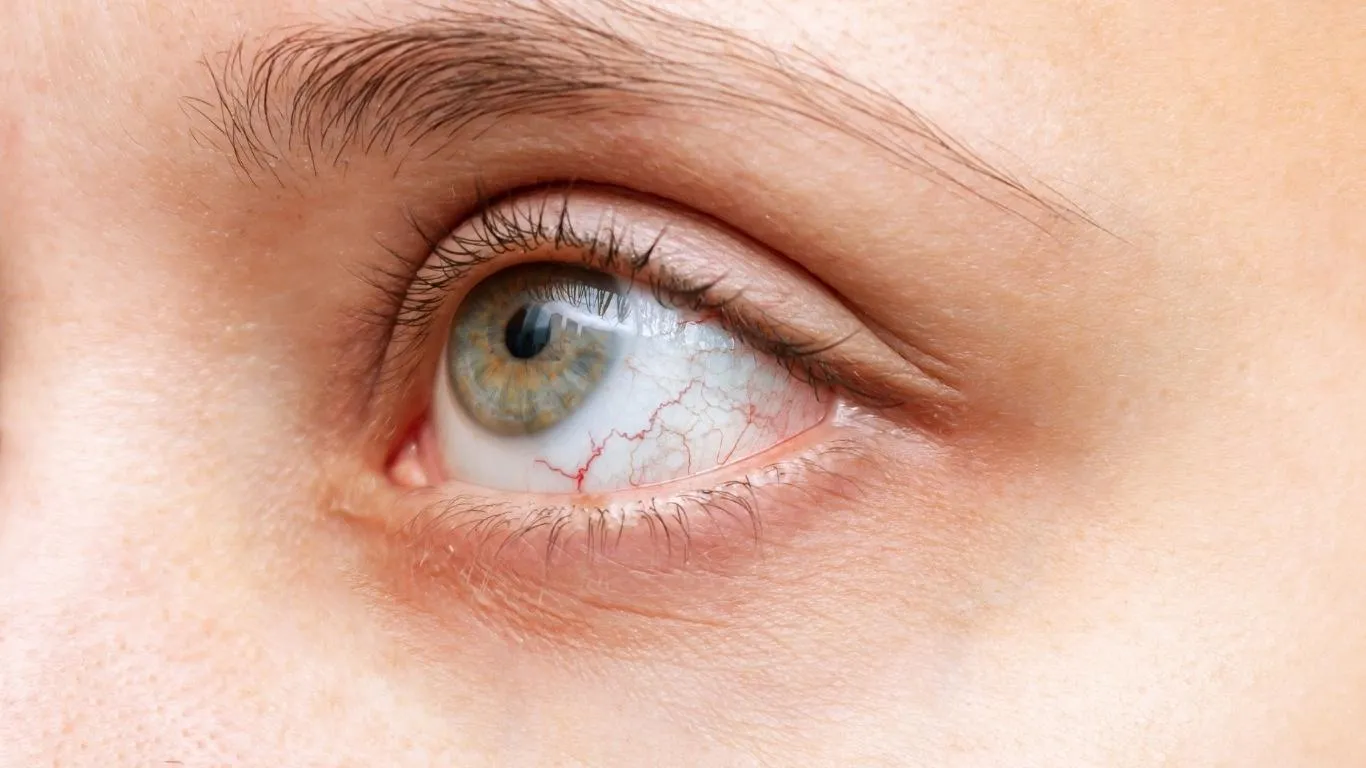
While overstimulation doesn’t directly cause floaters, it sure doesn’t help. In fact, certain conditions that heighten eye sensitivity—like stress, dehydration, or fatigue—can make floaters feel more intense.
When your brain is trying to process too much information visually, it has less bandwidth to “filter out” the minor stuff. Floaters sneak into your consciousness, and suddenly they’re all you see.
Underlying Causes Can Make It Worse
Some of us might be predisposed to noticing floaters in these situations because of other conditions. For example:
- Allergy-related inflammation
- Eye strain from prolonged screen use or focus
- Surprising links like jaw tension or posture
What to Do When Floaters Distract You in Public Spaces
First off, know that in most cases, floaters are harmless. But when they become frequent, overwhelming, or start to interfere with daily life—like mine did—there are ways to manage them, even in overstimulating environments.
Quick Coping Techniques That Help
- Look Away: Shift your gaze to a darker or less detailed area to reduce floater visibility.
- Wear Tinted Glasses: Light-filtering lenses can dull some of the harsh lighting and reduce contrast triggers.
- Blink Slowly: Sometimes floaters are more noticeable when your eyes are dry or strained.
Should You See a Doctor?
If you suddenly notice a shower of floaters, flashes of light, or a curtain effect, don’t wait—these could be signs of retinal detachment. Learn more about when floaters are actually dangerous and how to spot those early warnings.
How Eye Floaters Relate to Other Eye Conditions
Some folks confuse floaters with light flashes, blurred vision, or even migraine auras. Each of these conditions has different implications. If you’re unsure what you’re seeing, check this comparison of floaters vs. other eye problems.
Backed by Research
Medical experts from sites like American Academy of Ophthalmology and NCBI have consistently noted how lighting and visual stimulation can exaggerate floater perception. While the floaters themselves may not physically change, your perception of them does based on environment and mental state.
For an even deeper look at how floaters are treated medically and naturally, explore this full guide on floaters and treatment options, or go back to the main explainer article if you’re new to the topic.
Why You Might See More Floaters After Leaving the Mall
Ever step out of a brightly lit shopping center and suddenly feel like your vision is filled with moving specks and translucent threads? You’re not imagining it. The change in lighting and your eye’s natural recovery response can make floaters even more apparent after overstimulating environments.
Adapting From Harsh Light to Natural Light
When you exit a high-lumen space—like a store with endless rows of spotlights and backlit screens—your pupils react quickly. This rapid adjustment causes shifts in how floaters appear in your visual field. They may look larger, more defined, or even multiply temporarily. That’s exactly what happened to me last month while walking out of a tech mega-store.
I had just finished browsing a wall of flashing TVs when I stepped outside. Boom—my eyes felt like they couldn’t recover fast enough. I blinked several times and noticed a sharp uptick in floaters. I later learned from light transition research and floater behavior that this phenomenon is pretty common, especially if your eyes are already sensitive to overstimulation.
Can Repeated Exposure to Overstimulation Make Floaters Worse Over Time?
While floaters aren’t directly caused by overstimulation, the repeated strain from certain environments might make them more noticeable or bothersome over time. Think about it this way: you wouldn’t stand next to a subwoofer for hours without expecting ear fatigue. The same principle applies to your eyes.
Visual Fatigue Is Real
According to data from peer-reviewed studies, prolonged exposure to intense visual stimuli can lead to what’s called asthenopia, or visual fatigue. This not only makes you more aware of floaters, but also magnifies your brain’s sensitivity to them.
Possible Compounding Factors
- Use of eye-dilating drops before outings
- Hormonal shifts during shopping stress or even monthly cycles
- Caffeine overload before or during mall visits
Each of these can quietly amplify your floater visibility without being the actual cause of the floater formation itself.
What Works for Me (and Might Help You Too)
Over time, I’ve tried a bunch of different things to make my eyes less angry in hyper-stimulating settings. Some helped, some didn’t. Here’s what actually made a difference:
Blue-Light Filtering Glasses
I picked up a decent pair of blue-light blockers—not the cheap orange-tinted ones, but proper optical lenses. Surprisingly, they made it way easier to browse under aggressive LED lighting without triggering my floaters. I also wear them now anytime I enter a space with floor-to-ceiling LEDs.
Mid-Mall Breaks
This may sound silly, but I now treat mall trips like workouts. Every 30 minutes or so, I head to a dimmer area or even outside for a “visual cool-down.” It works. Fatigued eyes equal more noticeable floaters, so cutting that cycle short helps a ton.
Hydration Is Key
It wasn’t until I read about how dehydration affects floaters that I realized I was drinking next to nothing during shopping trips. I started carrying a water bottle, and honestly, my floaters don’t spike as hard anymore post-mall.
What Eye Experts Say About Environmental Triggers

Many optometrists and ophthalmologists agree that while floaters don’t “grow” because of lighting or screens, perception absolutely changes. A recent article on AAO.org notes that patients frequently report worsened floater experiences in settings with aggressive digital signage and LED walls—just like malls.
Moreover, sports injury floaters and bright light-triggered floaters are often connected with visual overstimulation. So if you’ve got any mild trauma or pre-existing sensitivity, overstimulated environments could easily nudge floaters into center stage.
How to Train Your Brain to Ignore Floaters (Yes, Really)
This might be the oddest thing I’ve done for my vision, but it actually helped: training my brain to stop reacting to floaters. It’s not woo-woo—this is real, neuroscience-backed stuff. I learned that your brain has a limited filter capacity for what it considers “important.”
By repeatedly shifting focus away from floaters and resisting the urge to chase them with your eyes, you teach your visual cortex to deprioritize them. Pair that with techniques like targeted eye exercises, and things start to fade into the background again.
Also Worth Exploring
- Stress-relief techniques that lower floater awareness
- Keeping a floater journal to detect patterns
- You don’t have to be old to have floaters
When Floaters Might Be Something Bigger
If your floaters suddenly change in number, shape, or come with other symptoms—like flashing lights, eye pain, or vision blackout—get checked immediately. These could be signs of a retinal tear or detachment. Learn about when floaters signal serious eye conditions.
Also, if floaters seem worse only in certain lighting environments or if you’ve recently had an eye procedure, they may deserve a closer look.
Need a Deeper Breakdown?
Don’t miss the full overview on causes, symptoms, and options for managing eye floaters if you’re still exploring what’s going on.

Camellia Wulansari is a dedicated Medical Assistant at a local clinic and a passionate health writer at Healthusias.com. With years of hands-on experience in patient care and a deep interest in preventive medicine, she bridges the gap between clinical knowledge and accessible health information. Camellia specializes in writing about digestive health, chronic conditions like GERD and hypertension, respiratory issues, and autoimmune diseases, aiming to empower readers with practical, easy-to-understand insights. When she’s not assisting patients or writing, you’ll find her enjoying quiet mornings with coffee and a medical journal in hand—or jamming to her favorite metal band, Lamb of God.