Menopause Weight Gain Can Worsen Back Pain If Ignored
Back pain is annoying enough on its own, but when you’re going through menopause—and the scale starts creeping up—it can feel like your spine is staging a full-on rebellion. I remember hitting my late 40s and waking up one morning with my lower back aching like I’d been doing construction work in my sleep. Turns out, it wasn’t just stress or poor posture. It was menopause weight gain. And once I started connecting the dots, everything clicked into place.
Why Menopause Triggers Weight Gain—and Back Pain

First, let’s talk hormones. Estrogen doesn’t just regulate periods—it also affects fat distribution, muscle mass, and inflammation. During menopause, estrogen levels drop significantly, causing your metabolism to slow down and your body to store fat more readily, especially around the midsection.
The Belly Fat and Spine Connection
When excess weight gathers in the abdominal region, it pulls your center of gravity forward. This puts abnormal pressure on the lower back and spine, often leading to chronic back pain. Trust me—I felt this firsthand. After putting on 12 pounds over two years, my posture shifted without me even realizing it. I stood differently, walked differently—and my back paid the price.
Muscle Loss Amplifies the Pain
Another sneaky effect of menopause is sarcopenia, or age-related muscle loss. Without enough muscle support, your spine and joints take on more of the load. Add extra weight and less stability? It’s a recipe for persistent discomfort, especially in the lumbar region.
Inflammation: The Silent Aggravator

Fat cells, especially those around the abdomen, aren’t just passive storage—they’re metabolically active and can release inflammatory chemicals. Chronic low-grade inflammation makes joints stiffer and muscles more tender, amplifying the pain signals sent to your brain.
- Increased joint stiffness
- Prolonged muscle soreness
- Delayed healing after exertion
Women experiencing menopause-related weight gain are more prone to conditions like arthritis-linked back pain and disc degeneration, especially when inflammation isn’t addressed properly.
Sleep, Mood, and Movement Get Complicated

Night sweats, insomnia, and mood swings are common symptoms of menopause—and they can worsen the experience of back pain. Lack of sleep interferes with the body’s ability to heal muscles and reduce inflammation. I personally noticed that after nights of tossing and turning, my back pain was far more intense the next day. According to Mayo Clinic, poor sleep quality is one of the key predictors of chronic musculoskeletal pain.
Depression and Anxiety Add Fuel to the Fire
When your hormones shift, your serotonin and cortisol levels can fluctuate too. This doesn’t just affect your mood—it can also change how you perceive pain. That dull ache in your spine might feel sharper or more constant when anxiety levels are high. If you’re struggling emotionally, don’t ignore it—it might be amplifying your physical symptoms too. This is why it’s essential to understand the back pain and depression connection.
Postural Shifts: The Hidden Consequence

As weight accumulates in new areas, our natural posture adjusts—often unconsciously. Rounded shoulders, forward-tilted hips, and spinal compression can develop over time. Poor posture doesn’t just affect appearance; it’s a major culprit behind mid and lower back strain.
- Increased lumbar curve (lordosis)
- Slouching during prolonged sitting
- Weakened abdominal muscles
I used to spend hours working on my laptop without realizing my shoulders were slowly creeping up to my ears and my spine was curving like a question mark. Once I started correcting that, some of the back pain finally began to ease.
How to Reverse the Damage—Without Going Overboard
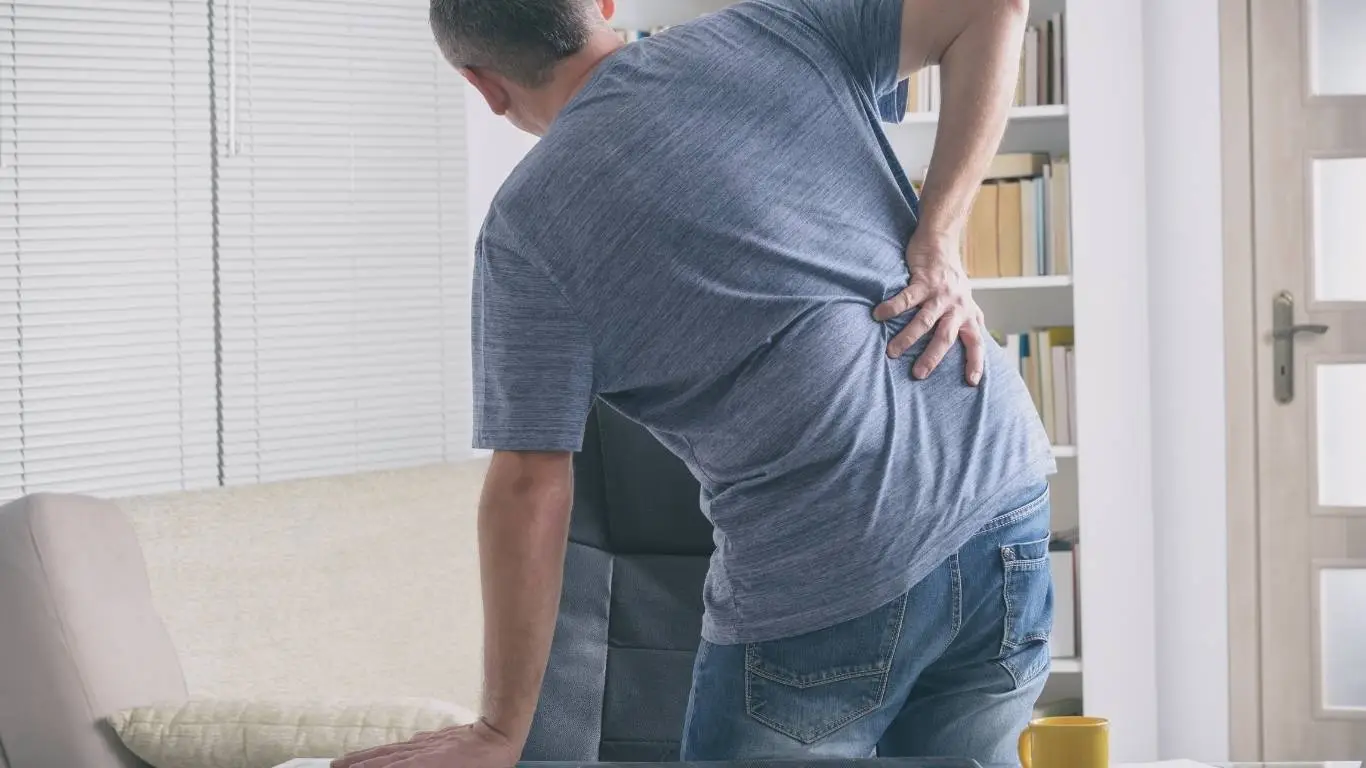
The good news? You don’t need to overhaul your entire life to manage menopause weight and reduce back pain. Small, intentional changes made a huge difference in my case—and they can for you too.
Gentle Movement is Key
I started walking 20 minutes a day and doing light resistance training three times a week. Nothing extreme. But it strengthened my core, improved circulation, and helped me gradually lose weight. If you’re dealing with sciatica or similar pain, these sciatic-friendly exercises were a game-changer for me.
Eat to Reduce Inflammation
Instead of dieting (which always felt punishing), I focused on anti-inflammatory foods: fatty fish, leafy greens, and berries. I also cut back on added sugar—honestly, the afternoon cookie wasn’t worth the pain flare-ups. For more on the science behind it, this NIH article has some solid insights on how inflammation affects spinal health.
Ergonomics Matter More Than You Think
Replacing my old desk chair with one that supported my lumbar spine was a game-changer. Pair that with better sleep posture—hello, body pillow—and I noticed my morning backaches disappeared. For those who sit a lot, these ergonomic chair tips are gold.
Supplement Smarter, Not More
Adding magnesium and vitamin D made a bigger difference than I expected. My doctor also recommended omega-3s, which I now swear by. There’s growing research, even from NCBI, supporting how these nutrients reduce pain and support hormone balance during menopause.
To dive deeper into related factors like lifestyle adjustments, movement, and natural pain relief, I highly recommend this full guide on lifestyle and natural remedies for back pain.
And if you’re looking for a comprehensive breakdown of how back pain develops and what actually works to treat it long-term, start with the main guide here: Back Pain Main Pillar Article.
Building Long-Term Relief Through Strength, Support, and Smarter Habits

After dealing with menopause weight gain and chronic back pain for over a year, I realized relief wasn’t about chasing quick fixes—it was about creating a consistent support system for my spine. That’s when things finally began to shift.
Core Strength: Your Natural Back Brace
Honestly, I used to skip core exercises thinking they were just about abs. But your core is your spine’s main support structure. Weak core muscles = unstable spine. Once I added 15-minute sessions focused on gentle yoga for back pain and targeted Pilates moves, I felt a noticeable difference in my back’s stability and overall endurance throughout the day.
- Pelvic tilts
- Bird-dogs
- Glute bridges
Even something as simple as activating your core when walking or standing makes a difference. It’s like rediscovering your spine’s natural alignment again.
Get Your Glutes and Hips in the Game

One thing I totally overlooked was how menopause affects hip mobility and glute strength. Those extra pounds add tension to your hips, and the glutes get lazier over time. That imbalance pulls on your lower back like crazy. I followed some of the tips in this glute-lower back guide, and wow—it changed my walking pattern and eased the daily aches.
If your hip flexors are tight or your glutes underactive, your back ends up taking the hit. Here’s what helped me:
- Hip circles and figure 4 stretches
- Side-lying leg raises
- Step-ups on stairs or benches
It’s not about doing them perfectly. It’s about doing them consistently.
Daily Movement: Low-Impact Wins the Race

We all know movement matters, but when your back’s acting up, a run or HIIT workout feels impossible. I swapped high-impact routines for regular walks, swimming sessions, and gentle strength training. It kept the weight in check without spiking inflammation.
This article on swimming for back pain inspired me to try laps for the first time in years, and now it’s part of my weekly routine. If water’s not your thing, try:
- Rebounding on a mini-trampoline
- Stationary cycling
- Stretch breaks every 30–60 minutes during work
Upgrade Your Recovery Game

Back pain from menopause-related weight gain doesn’t just need movement—it needs smart recovery, too. I used to ignore soreness or just pop ibuprofen. Not anymore. Recovery is now part of the plan.
Tools That Actually Help
Here’s what made the biggest difference for me (without breaking the bank):
- TENS unit therapy on flare-up days
- Alternating ice and heat packs
- Massage therapy techniques focused on trigger points
And don’t underestimate the impact of good sleep on your spine. I finally invested in a supportive mattress and changed my pillow height—turns out, that combo can stop those sharp 2 a.m. twinges that used to wake me up. These sleeping positions were incredibly helpful.
Support Your Spine from the Inside Out

Besides eating cleaner, I learned to give my body the supplements it truly needed. After some bloodwork, I discovered my vitamin D levels were borderline low—and that alone was affecting bone and muscle recovery.
With my doctor’s okay, I started taking:
- Magnesium glycinate (calms muscle tension)
- Vitamin D3 with K2 (for bone and immune support)
- Omega-3 fatty acids
Turmeric and CBD oil also made it into my cabinet—not daily, but definitely when inflammation spikes.
Mind-Body Awareness: The Missing Link

One overlooked piece of the puzzle? Stress. Seriously, I didn’t realize how much emotional tension I was storing in my body until I started practicing mindfulness for pain. Slowing down helped me notice how I held my breath when in pain—and how a few deep inhales could loosen my lower back.
I also saw a shift when I started journaling and doing breathwork in the evenings. The connection between mental and physical pain isn’t woo-woo—it’s very real, especially during hormonal changes.
Reclaiming Your Back, Body, and Energy

It’s not just about fitting into old jeans or hitting a number on the scale. It’s about walking through your day without feeling like your back is holding you hostage. If you’re dealing with back pain tied to menopause and weight gain—start small, stay curious, and don’t accept pain as the “new normal.”
For more strategies tailored to movement, posture, and lifestyle adjustments during midlife, visit the complete guide on exercise and back rehabilitation.
And if you’re still trying to understand the broader landscape of symptoms and diagnosis around spine discomfort, check out the breakdown here: Symptoms & Diagnosis Pillar Article.

Camellia Wulansari is a dedicated Medical Assistant at a local clinic and a passionate health writer at Healthusias.com. With years of hands-on experience in patient care and a deep interest in preventive medicine, she bridges the gap between clinical knowledge and accessible health information. Camellia specializes in writing about digestive health, chronic conditions like GERD and hypertension, respiratory issues, and autoimmune diseases, aiming to empower readers with practical, easy-to-understand insights. When she’s not assisting patients or writing, you’ll find her enjoying quiet mornings with coffee and a medical journal in hand—or jamming to her favorite metal band, Lamb of God.