Why Eye Floaters Get Worse in Artificial Lighting
If you’ve ever sat in a brightly lit room, maybe staring at your computer screen or standing under harsh overhead LEDs, and suddenly noticed those weird, drifting specks in your vision becoming more noticeable — yeah, I’ve been there too. Those pesky eye floaters just seem to come alive when the lighting gets intense. At first, I thought I was imagining it, but turns out, artificial lighting really does make floaters more obvious. And no, it’s not just you.
Why Do Floaters Appear More in Artificial Light?
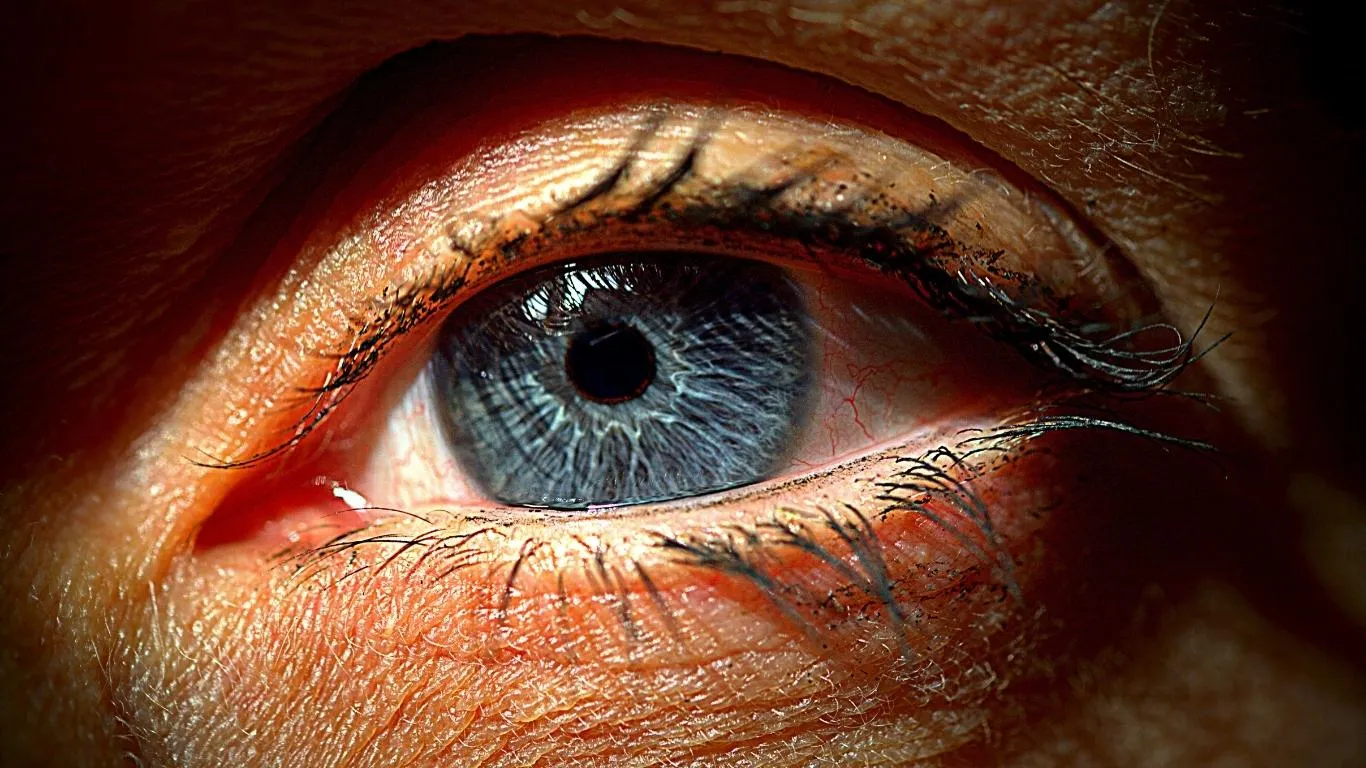
Let’s break this down. Floaters themselves are bits of collagen or cellular debris floating inside the vitreous — that gel-like stuff filling your eyeballs. They don’t magically appear when you switch on your desk lamp, but they do become more noticeable under certain lighting conditions, especially artificial ones. Why? It’s all about contrast. Artificial lights tend to be consistent and bright, especially white LED or fluorescent types. That creates a perfect background for floaters to cast shadows on your retina.
It’s All in the Contrast
Natural lighting, especially soft ambient light, often shifts and diffuses, making floaters harder to detect. But artificial lights? They’re usually direct, with less fluctuation, so your floaters become more pronounced. Think of it like trying to see dust floating in a sunbeam — it’s easier when the beam is straight and strong.
What Types of Artificial Lighting Make It Worse?
Not all artificial light is equally guilty. From what I’ve experienced (and confirmed through plenty of late-night Google rabbit holes), these are the worst culprits:
- Cool White LEDs: Super common in modern offices and homes. They emit strong blue-white light that increases contrast.
- Fluorescent Tubes: Flicker slightly and are often very harsh on the eyes.
- Backlit Screens: Your phone, laptop, TV — yep, these count too.
Interestingly, I noticed my floaters weren’t as bothersome when using warm-toned lamps at home. Turns out, blue light exposure might play a role in floaters being more visible or irritating to some people.
The Science Behind Lighting and Floaters
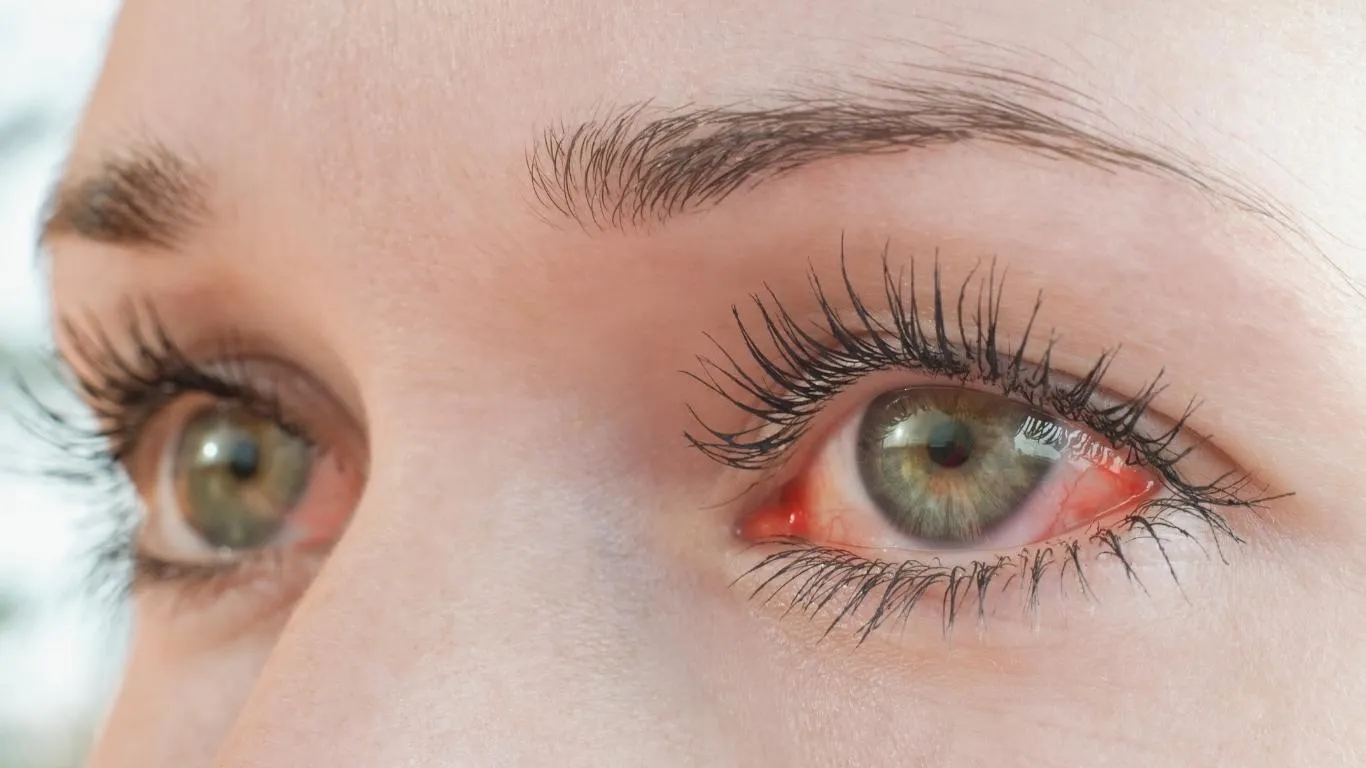
Medically speaking, the eye is designed to handle varying light levels, but it struggles when there’s too much brightness and contrast. According to American Academy of Ophthalmology, floaters become more visible when there’s an even light source across your field of vision — that’s exactly what artificial lighting delivers.
How Pupil Dilation Affects This
When you’re in bright light, your pupils contract, which actually sharpens the contrast of the shadows floaters cast. In low-light or mixed lighting (like candlelight), your pupils dilate and the floaters often become less defined or even disappear from your perception.
This explains why floaters often vanish when I step outside at dusk or sit in a room lit with a dim lamp, but then jump right back into action under my kitchen’s LED ceiling panel.
Personal Hacks That Helped Reduce the Discomfort
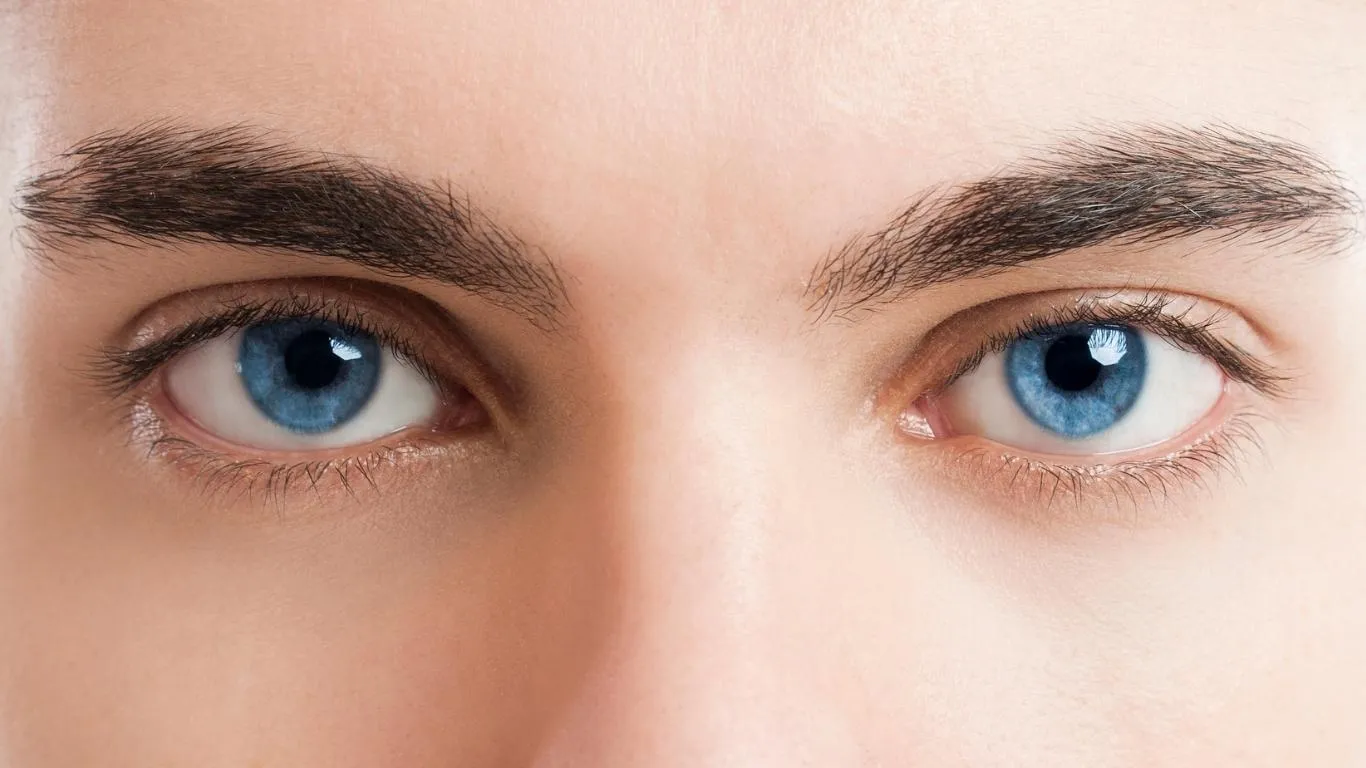
Dealing with floaters in artificial lighting doesn’t mean you have to start living in the dark. Here are a few tweaks I made in my own space that really helped:
- Switched to warmer bulbs: Replacing cool white LEDs with warm white or amber lights made a noticeable difference.
- Dimmer switches are a game-changer: Total control over brightness helped tone down floater visibility at night.
- Screen filter glasses: I wasn’t a believer until I tried them. They reduce blue light and somehow, floaters feel less aggressive.
- Textured backgrounds: If you’re like me and stare at a screen most of the day, avoid solid white. Dark mode or slightly tinted backgrounds give your floaters less to work with visually.
There’s even some talk about stress affecting floaters, which kind of makes sense. When I’m under pressure, they seem worse. Whether it’s perception or biology, the result is the same — more floaters, more frustration.
Do Artificial Lights Make Floaters Worse Long-Term?
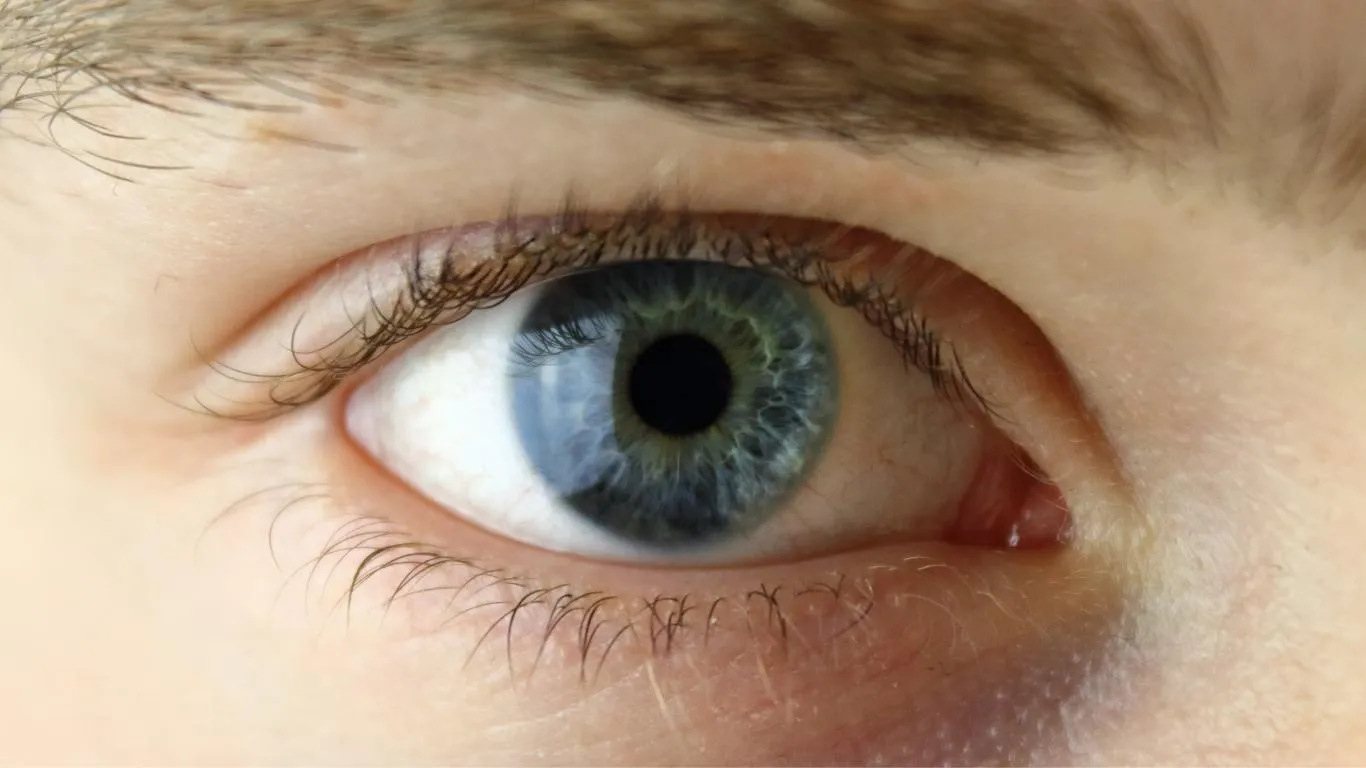
That’s the million-dollar question. There’s no solid clinical evidence (yet) that artificial lighting physically worsens floaters or increases their count. But there’s plenty of anecdotal proof — mine included — that the perception of floaters gets way worse under artificial conditions.
Some specialists believe that repeated exposure to intense light might aggravate the visual sensitivity to floaters, which is different from actually increasing their number. Over time, your brain might just get better (or worse?) at noticing them in those settings.
And if you’re dealing with more floaters over time — or suddenly seeing them only in specific lighting — it’s worth exploring medical causes. For example, posterior vitreous detachment (PVD) is a common reason for a sudden burst of floaters, especially after 40. This isn’t always dangerous but definitely something to track.
More than once, I caught myself wondering if something more serious was going on. That led me to this helpful guide on when floaters are actually dangerous, and it really helped me filter out when I should panic — and when I just needed to chill.
If you’re new to all this and just trying to understand where floaters even come from, the main pillar article here gives a solid breakdown from start to finish.
Common Situations Where Floaters Seem to Pop Up the Most
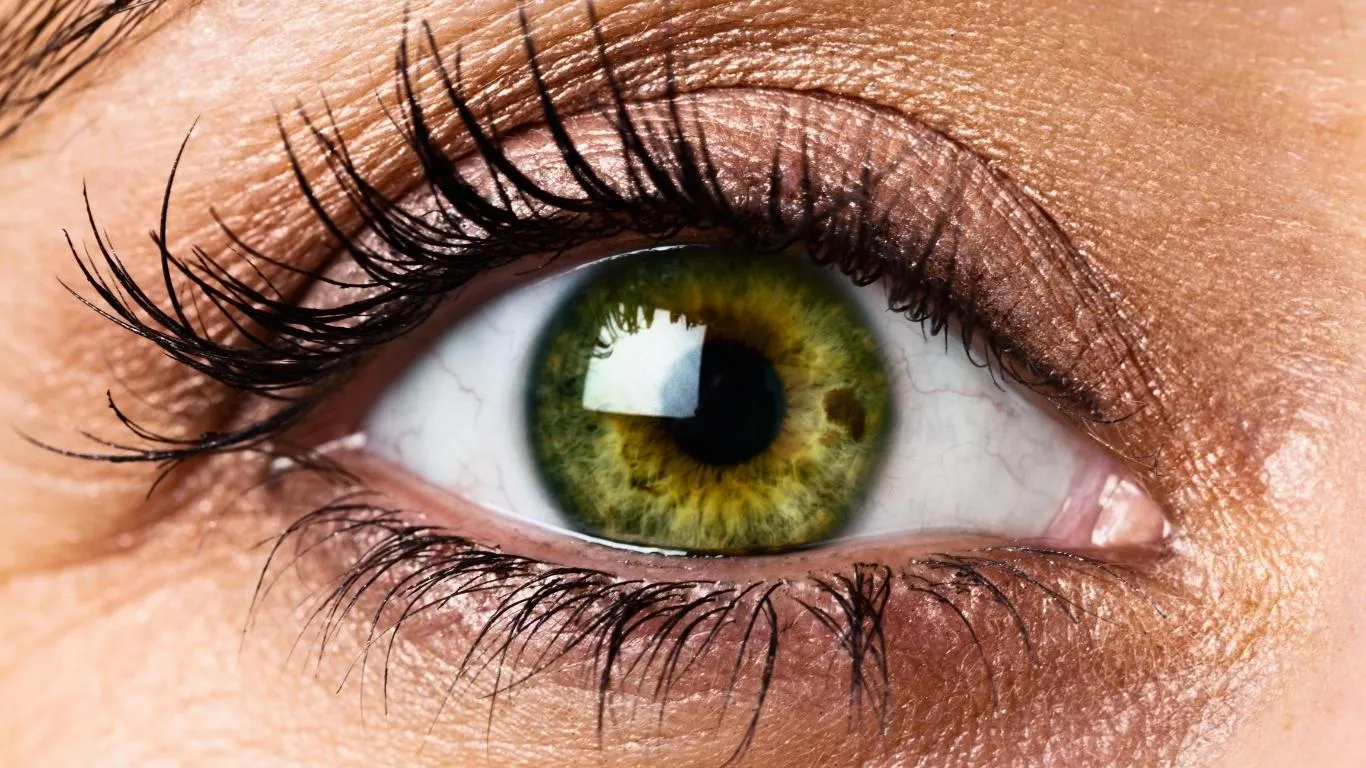
If you’re like me, certain everyday environments make your floaters way more visible — sometimes to the point of being super distracting. For example:
- Driving in midday sun with sunlight bouncing off the dashboard — it’s like floater central.
- Working in bright white offices with full-spectrum LEDs — floaters are basically unavoidable there.
- Scrolling your phone at night with the screen brightness up high in a dark room — big mistake, floaters go wild.
That last one was a tough lesson for me. I’d be lying in bed, trying to relax, but instead found myself staring at these ghostly squiggles dancing across my phone screen. A quick switch to night mode helped a lot more than I expected.
Is There a Link Between Eye Health and Lighting Habits?
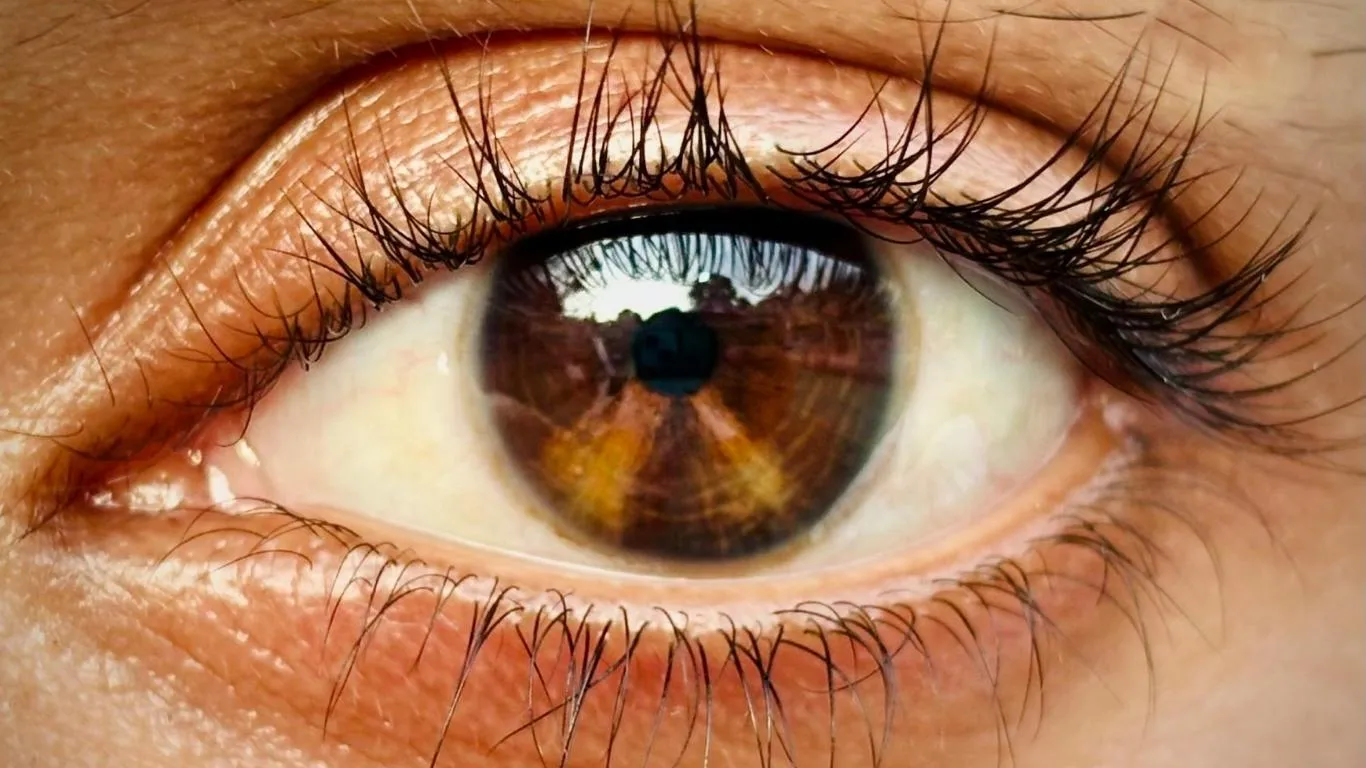
Turns out, our lighting choices might not only affect how floaters appear, but possibly contribute to other subtle vision issues. A couple years back, I was going through intense eye strain and dry eyes. After some tweaks to my home office setup — warmer lighting, less screen glare — things improved dramatically.
Now, there’s no conclusive proof that lighting actually causes floaters, but some research suggests light-induced oxidative stress may impact overall eye health over time. That’s why lighting ergonomics (yes, it’s a thing) is becoming such a big deal.
I’ve also found articles like this one on smoking and floaters to be super insightful — it’s crazy how many lifestyle choices tie back to those shadowy squiggles.
What Can You Actually Do to Make Floaters Less Distracting?
Now here’s where things get real. You can’t erase floaters (sadly), but you can make them a lot less noticeable. Over time, I’ve figured out some low-effort ways that genuinely helped me deal with floaters in artificial lighting without going down the rabbit hole of sketchy “miracle” cures:
- Reduce direct light angles: Use lamps with shades or indirect lighting setups.
- Look into ambient backlighting: Behind screens or TVs — it softens contrast beautifully.
- Try contrast-reducing screen overlays: Especially if you’re sensitive to harsh brightness shifts.
- Let your eyes rest: Breaks every 20–30 minutes make a difference — not just for floaters but for overall eye comfort.
- Monitor your hydration: You’d be surprised how low hydration messes with your eye clarity.
I also came across some natural floater remedies that didn’t sound too gimmicky. While they didn’t magically eliminate my floaters, a mix of lutein-rich foods, magnesium, and eye relaxation techniques did seem to help — or maybe just helped me feel more in control.
When to Worry: It’s Not Just the Lights
Let’s not forget: while lighting makes floaters more visible, any sudden spike in floaters or change in how you see them should raise an eyebrow. For instance, if floaters suddenly multiply or start flashing, it could signal a retinal tear — and that’s an emergency.
Articles like this one on retinal tear warning signs really opened my eyes to the difference between “annoying” and “urgent.” Never hurts to get things checked, especially if the change feels out of nowhere.
And trust me, the moment I started getting black floaters that looked like ink blots, I booked an eye exam the same day. Here’s the link that convinced me not to ignore it.
So, Are Floaters Worse Under Artificial Light? Here’s the Bottom Line
Absolutely — not because there are more of them, but because you see them more clearly. It’s like turning up the contrast on a photo — all the smudges and spots pop out. So while artificial lighting doesn’t make floaters multiply, it makes them way more in-your-face.
If this is something that’s been silently driving you nuts (like it did for me for way too long), you’re not imagining it. And more importantly, you’re not stuck with it. Smart lighting tweaks, regular eye health checks, and a little bit of self-awareness can go a long way.
For anyone who’s just getting started with managing eye floaters, the best guide I found that really covers all your options — from doing nothing to getting laser treatments — is worth bookmarking.
And if you’re diving deeper into understanding what these weird shapes even are, how they develop, and what they might mean, don’t miss this complete explainer on floaters. It’s a lifesaver.

Camellia Wulansari is a dedicated Medical Assistant at a local clinic and a passionate health writer at Healthusias.com. With years of hands-on experience in patient care and a deep interest in preventive medicine, she bridges the gap between clinical knowledge and accessible health information. Camellia specializes in writing about digestive health, chronic conditions like GERD and hypertension, respiratory issues, and autoimmune diseases, aiming to empower readers with practical, easy-to-understand insights. When she’s not assisting patients or writing, you’ll find her enjoying quiet mornings with coffee and a medical journal in hand—or jamming to her favorite metal band, Lamb of God.