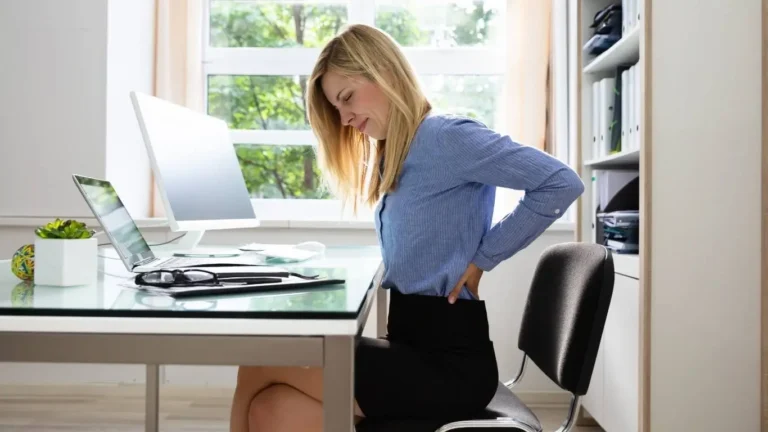
Why Standing Too Long Vs Sitting Too Long Triggers Back Pain
Back when I started working from home during the pandemic, I thought ditching the commute would be a lifesaver. No more sitting in traffic? Perfect. But what I didn’t expect was the new kind of pain—literally. My back started acting up, and I couldn’t figure out why. I tried sitting more. Then I tried standing more. Somehow, both seemed to make things worse. That’s when I fell into the rabbit hole of understanding how our spines really respond to prolonged standing versus sitting. Let me tell you—it’s more complicated than just choosing between a chair and a standing desk.
Why Both Standing and Sitting Too Long Cause Back Pain
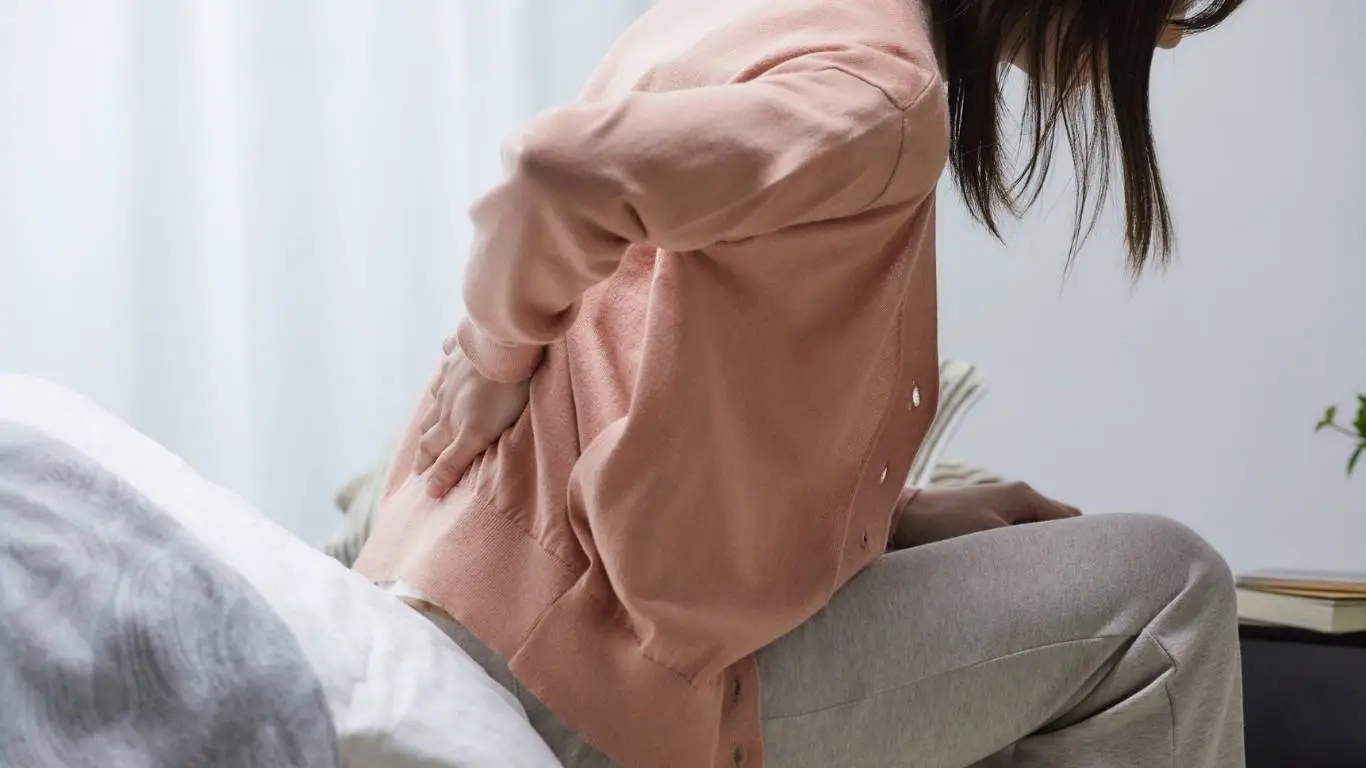
It turns out that our spines crave movement. They weren’t designed for stagnation. Whether you’re sitting for 6 hours straight at a desk or standing on your feet in retail all day, you’re putting your back under constant pressure—but in different ways.
The Real Problem with Prolonged Sitting
Let’s start with sitting. When you’re parked in a chair for hours, especially without lumbar support or frequent breaks, you’re compressing the discs in your lower back. That pressure builds over time. I used to notice a dull ache around 3 PM daily—classic sign of postural fatigue. If you’re not careful, it can lead to lumbar spine issues like disc herniation or even sciatica flare-ups.
- Reduced core engagement leads to weak abdominal muscles.
- Hamstrings and hip flexors tighten, pulling on your pelvis.
- Blood circulation slows down, contributing to stiffness and soreness.
Worse yet, the lack of movement contributes to chronic inflammation. There’s a strong link between prolonged sitting and conditions like chronic back pain, and over time, even cardiovascular problems.
The Standing Desk Isn’t Always the Hero
Now let’s flip the coin. Standing too long might seem healthier, but your spine doesn’t exactly agree—especially without good posture. I tried standing for four hours straight once (in my socks, on tile)—bad move. My knees ached, my lower back throbbed, and my heels were on fire. Prolonged standing can lead to muscular fatigue, spinal compression, and pelvic tilt imbalances.
- Weight often shifts unevenly to one leg, stressing spinal alignment.
- Leg muscles fatigue, reducing support for the lower back.
- Standing on hard surfaces increases joint stress.
According to the National Library of Medicine, prolonged standing is directly associated with lower back discomfort, especially in jobs that involve minimal movement. Think retail clerks, factory workers, baristas—you name it.
Finding the Sweet Spot: Alternating Positions

The key isn’t to pick sides—it’s to switch frequently. Our backs need dynamic support, and staying in any one position too long is what really does the damage. One of the best things I did was invest in a sit-stand desk converter. I started switching between sitting and standing every 30 to 45 minutes. Game changer.
How Often Should You Alternate?
Experts generally recommend the 1:1 or 2:1 ratio—meaning, for every 30 minutes you sit, stand for 30 minutes or at least 15. Here’s what worked for me:
- Use a timer or reminder app—It’s easy to forget until the stiffness hits.
- Stretch when you transition—Loosen hips, hamstrings, and shoulders.
- Shift your weight—If standing, alternate legs or use a footrest.
For those working in professions requiring standing for long stretches, proper footwear and floor mats can reduce strain significantly. I once worked a trade show event and standing on padded flooring made a noticeable difference.
Supporting Your Spine with Ergonomics

If you’re like me and spend 8+ hours at a computer, you need to set your space up for success. It’s not about fancy equipment—it’s about angles and alignment.
Simple Ergonomic Tweaks
- Monitor height: Top of the screen should be at or just below eye level.
- Chair support: Use a lumbar support cushion if needed.
- Foot placement: Flat on the floor or on a small footrest.
One small change that helped me immensely was switching to an ergonomic chair with adjustable depth and lumbar support. Pair that with occasional use of a standing desk, and suddenly I could get through my day without fidgeting like crazy by noon.
And don’t overlook your footwear—if you’re standing, your shoes are your foundation. I learned the hard way that even an hour in flat sandals can set off a cascade of discomfort. Supportive shoes with cushioning make a world of difference.
When Back Pain Persists—Time to Investigate Deeper

If you’ve tried adjusting your habits, optimizing your desk, even stretching regularly, and that nagging pain still won’t quit, it might be time to look deeper. Chronic issues like lumbar radiculopathy or muscle imbalances often masquerade as simple posture pain. I found out I had a slight pelvic tilt and underactive glutes—a combo that made sitting and standing painful in different ways.
Exploring more detailed anatomy and root causes can offer clarity. Check out our in-depth guide on back pain anatomy and types for a more targeted understanding. And for a complete overview of causes, treatments, and prevention methods, our main back pain resource center covers it all.
Exercises That Actually Help—Not Hurt

Honestly, I used to overthink exercise routines—was I doing too much? Too little? Turns out, the most effective moves are often the simplest. You don’t need a fancy gym or an hour to spare. Just 5-10 minutes a few times a day can make all the difference. The trick is choosing exercises that decompress the spine, strengthen your core, and stretch out tight muscles from prolonged sitting or standing.
Core-Focused Movements
Building core stability is non-negotiable if you want a back that doesn’t scream at you daily. Some of my go-tos include:
- Bird dogs: Great for balance and spinal alignment.
- Dead bugs: Weird name, seriously effective.
- Pelvic tilts: Especially good for those with anterior pelvic tilt from long hours sitting.
If you’re dealing with flare-ups from prolonged sitting, you might benefit from these targeted stretches for tension relief. They’ve helped me reset after a long meeting or car ride more times than I can count.
Decompression and Mobility
If you’re standing most of the day, spinal decompression is your best friend. Gravity isn’t doing your discs any favors. Try:
- Child’s pose: Instant relief for lower back tension.
- Wall hangs: Lean back with your arms overhead to stretch out the spine.
- Cobra stretches: Helps undo the flexion stress from poor posture.
Yoga was a game changer for me. The right yoga poses for back pain aren’t about flexibility—they’re about resetting your body after hours of being still. And no, you don’t need to be a yogi to benefit.
Tools That Actually Make a Difference

Let me save you hours of trial-and-error. Not every product with “ergonomic” in the label is actually helpful. But there are a few things I swear by now after years of dealing with both desk job and travel-related back strain.
Top Picks for Sitting Relief
- Lumbar support pillows – especially helpful if your chair lacks back contour.
- Adjustable back braces – great for short-term use when your posture starts collapsing mid-day.
- Supportive chairs – invest in one, your back is worth it.
Helpful Standing Gear
- Sit-stand desks – allow you to switch often and easily.
- Anti-fatigue mats – essential if you’re on hard flooring.
- Supportive shoes or insoles – don’t underestimate your foundation.
And don’t forget mobility tools. A foam roller and massage ball can do wonders in just five minutes a day. I keep one next to my desk—it’s a must during long editing sessions or Zoom marathons.
Sleep: The Forgotten Factor

Honestly, I didn’t connect the dots for years. I’d wake up with back pain and think, “Did I pull something yesterday?” Turns out my mattress was sabotaging my recovery. Your spine needs neutral support while you sleep—especially if you’ve been dealing with poor posture during the day.
Checklist for Pain-Free Sleep
- Mattress: Medium-firm with even pressure distribution. See this guide on mattresses that actually help.
- Sleeping position: Avoid stomach sleeping. Try placing a pillow under knees if you sleep on your back.
- Pillow support: Use the right height to keep neck aligned.
Want a deeper dive into how your sleep setup might be adding fuel to the fire? This sleep position guide for back pain covers it in depth.
When Lifestyle Choices Catch Up to You

We often blame chairs or shoes for our discomfort, but it’s the little lifestyle habits that sneak up on you. I realized my late-night snacking, skipped workouts, and stress-eating were silently fueling my pain cycle.
The Hidden Contributors
- Weight gain: Extra pressure on spine and joints. More on that in this weight-back pain connection.
- Smoking: Reduces oxygen to spinal tissues. Yes, really—see how smoking impacts spine health.
- Stress: Leads to muscle tension and inflammatory responses.
Adding a few anti-inflammatory foods helped me more than I expected. Things like turmeric, leafy greens, salmon—they reduce internal swelling that contributes to back sensitivity. Here’s a practical guide to an anti-inflammatory back pain diet.
When to Get Help—And Who to Call

If your pain’s been around longer than 6-8 weeks, or if it worsens despite all the changes you’ve made, it’s time to get professional guidance. I waited too long the first time and ended up needing physical therapy for months—lesson learned.
Know Your Options
- Physical therapy: Ideal for movement re-education and imbalances.
- Osteopaths & chiropractors: Can offer spinal adjustments and soft-tissue work.
- Pain specialists: For chronic cases needing injections or nerve treatments.
Some non-invasive options like epidural steroid injections or radiofrequency ablation have helped countless people avoid surgery. It’s worth exploring if your pain is nerve-related.
Start with this guide to conservative treatment options to see what fits your needs. And for a full picture of how back pain evolves, impacts daily life, and what to do about it, head over to our Back Pain Hub.

Camellia Wulansari is a dedicated Medical Assistant at a local clinic and a passionate health writer at Healthusias.com. With years of hands-on experience in patient care and a deep interest in preventive medicine, she bridges the gap between clinical knowledge and accessible health information. Camellia specializes in writing about digestive health, chronic conditions like GERD and hypertension, respiratory issues, and autoimmune diseases, aiming to empower readers with practical, easy-to-understand insights. When she’s not assisting patients or writing, you’ll find her enjoying quiet mornings with coffee and a medical journal in hand—or jamming to her favorite metal band, Lamb of God.