Walking Desks May Cause Lower Back Fatigue Without Proper Setup
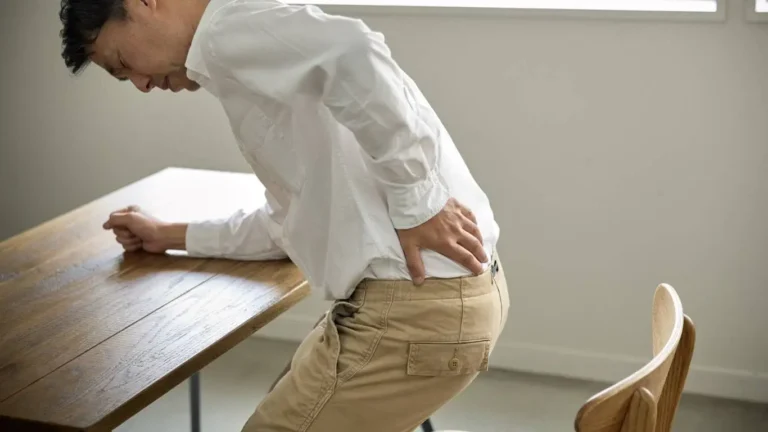
It started with what I thought was a smart upgrade to my workspace—a walking desk. I figured it was the perfect solution to beat sedentary fatigue and finally stay active during work hours. But instead of feeling energized, I noticed something else creeping in: that dull ache in my lower back. If you’ve jumped on the walking desk trend too and felt similar discomfort, you’re not alone. While walking desks offer amazing benefits, they can also bring a unique kind of lower back fatigue if you’re not using them right. Let’s talk about why that happens—and how to fix it.
What’s Really Happening to Your Lower Back?

Standing and walking more might seem like the ultimate back-pain cure, but it’s a bit more nuanced than that. Walking desks shift how your back supports your body throughout the day. Your spine, glutes, core, and hips have to work differently—and often harder. This isn’t necessarily bad, but when your muscles aren’t prepared or your form is off, it can lead to lower back fatigue.
Prolonged Low-Intensity Activity Can Backfire
Using a walking desk means you’re engaging in low-intensity movement for long periods. Without proper breaks or posture, your lumbar spine can begin to feel overworked. I used to walk slowly for hours straight, assuming slower was better—turns out, this can do more harm than good.
Are You Walking or Waddling?
Let’s be honest—many of us walk more like penguins on treadmills at work. Poor stride mechanics, forward-leaning posture, and tight hamstrings all contribute to muscle imbalances that trigger fatigue in the lower back. And if you’ve got weak glutes, your lumbar region picks up the slack.
Optimizing Your Walking Desk Setup

It’s Not About Speed, It’s About Form
When I adjusted my pace from a crawl (like 0.5 mph) to a more natural rhythm (around 1.2-1.5 mph), everything changed. I wasn’t overcompensating with my hips or back anymore. Your walking speed should feel fluid—not forced. Think of how you’d walk through a grocery store, not like you’re balancing a tray of drinks.
Monitor and Keyboard Height Matters
If your monitor isn’t at eye level or your arms are reaching too far, you’ll find yourself hunching—and that pulls directly on your lumbar spine. Set up your walking desk like you would a standing desk. I highly recommend investing in an ergonomic workstation, even if you’re mostly upright.
Break Up Your Day
I used to walk for four hours straight (yep, not smart). Now, I break it into 30-45 minute chunks. I mix in sitting, stretching, and even a little back-focused yoga. Lower back fatigue isn’t always about doing too much—it’s often about not doing enough variety.
Muscles That Need Extra Love
Your Glutes: The Silent Saviors
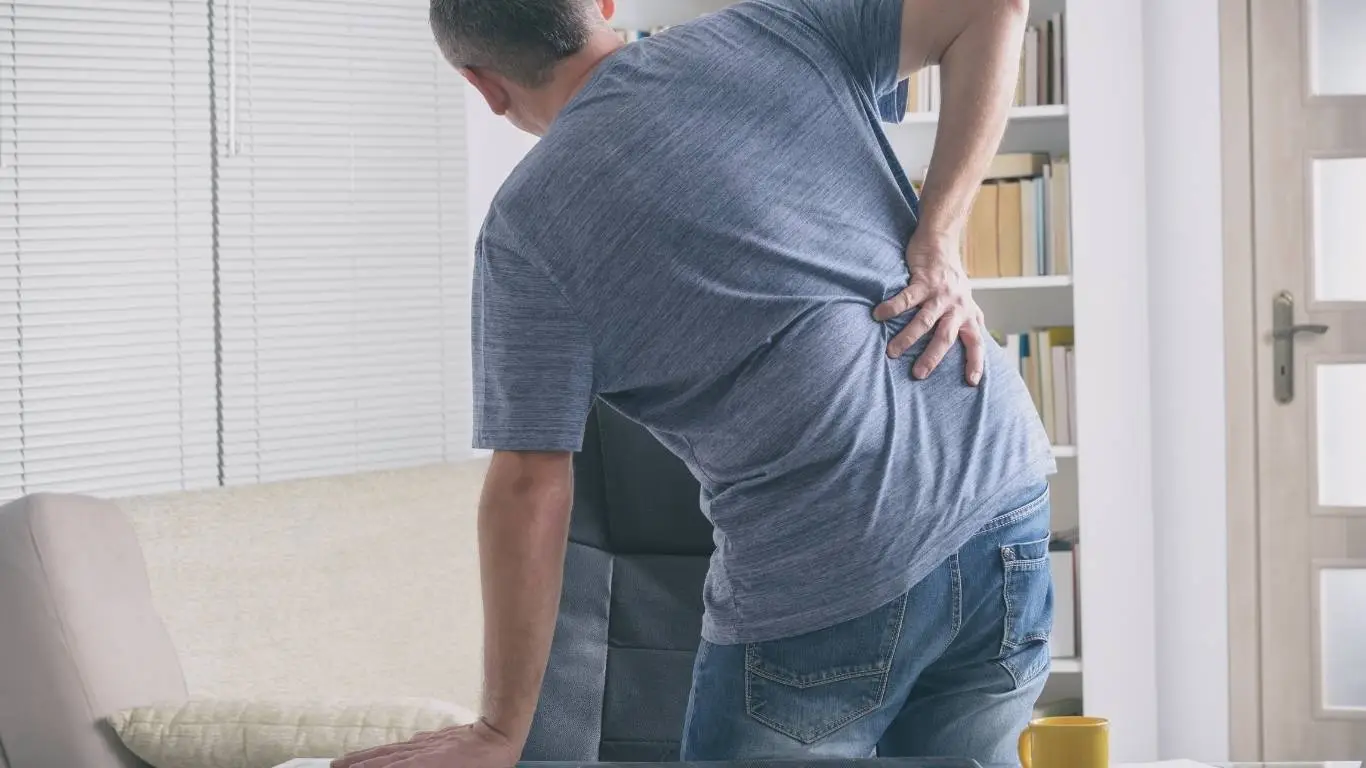
When glutes aren’t firing, your lower back becomes the backup generator—and that’s a recipe for pain. I incorporated resistance band glute work, and it seriously helped reduce the burn in my lower spine during long walking sessions. Tight hamstrings also compound the problem by limiting hip extension.
Your Core: Not Just Abs
It’s not about crunches. You need strong deep core stabilizers, especially your transverse abdominis and obliques. These are the muscles that help your spine handle repetitive motion without fatigue. I follow a simple core and lower back circuit that keeps me supported through long workdays.
What to Do When Fatigue Hits

Stretch Smart, Not Hard
One of the best ways to recover from lower back fatigue is strategic stretching. I keep it simple:
- Cat-cow and child’s pose every hour
- Hamstring and hip flexor stretches during breaks
- Gentle spinal twists in the evening
Consider Grounding Exercises
Take 5 minutes off the desk and go barefoot—do glute bridges, bird-dogs, or dead bugs on the floor. These reset the kinetic chain and remind your body what real posture feels like.
Try Complementary Recovery Tools
Tools like lumbar cushions, foot rollers, or even short bursts of hot-cold therapy work wonders. Also, a good mattress will help your back truly rest after a long day.
Common Mistakes That Make Things Worse

- Walking without support shoes or barefoot on hard floors
- Leaning forward onto the desk or treadmill handles
- Wearing worn-out shoes with zero arch support
- Skipping warm-up stretches before long walking sessions
- Ignoring that early lower back tightness until it becomes pain
Learn More to Fix It Before It Worsens
If you’re dealing with regular discomfort, it’s worth exploring diagnostic options to rule out underlying issues like scoliosis, disc degeneration, or nerve compression. In fact, back pain triggers can be subtle and build over time.
For a comprehensive overview of how lifestyle choices affect your back health, I highly recommend diving into the full Lifestyle & Natural Remedies for Back Pain guide. And if you’re just starting to explore back health, don’t miss the main guide on understanding back pain—it’s a game-changer.
When Walking Desks Help—and When They Don’t

Here’s the truth: walking desks aren’t for everyone. Some people thrive with them, while others (like me in the beginning) end up stiff, frustrated, and popping ibuprofen daily. But that doesn’t mean you need to toss yours aside. It just means you need to understand when and how they actually support your spine.
When They Work Best
- You alternate between walking, standing, and sitting throughout the day
- Your posture and walking form are on point
- Your workstation ergonomics are dialed in
- You actively stretch and strengthen your back-supporting muscles
- You keep walking sessions between 20–45 minutes with breaks
When They May Cause More Harm Than Good
If you already have spinal instability, disc issues, or spondylolisthesis, constant motion could make symptoms worse. The same applies if you have degenerative disc disease. Walking desks add stress if your lumbar spine is already struggling to stay aligned.
It’s crucial to listen to your body here. My personal rule? If lower back fatigue lingers more than 24 hours, something needs adjusting—whether that’s your desk, your shoes, or your walking duration.
Small Fixes That Make a Huge Difference

You don’t need to invest in fancy gadgets or see a specialist just yet. Sometimes, tiny tweaks make all the difference. These worked for me:
- Switch to supportive shoes—think cushioned, neutral soles with slight arch support
- Keep a footrest nearby for short breaks (especially helpful when your lower back tightens)
- Track your walking sessions—use a timer and don’t exceed your personal threshold
- Upgrade your mat—an anti-fatigue mat can protect your lower spine better than a standard treadmill belt
If you’re still feeling stuck, try incorporating some of the techniques outlined in the exercise & ergonomic guide for back pain. That page helped me reframe how I moved at my desk and taught me simple corrections that worked wonders within days.
Walking Desk Mistakes I Wish I Knew Earlier

Let me save you some painful trial and error. Here’s what I did wrong early on (so you don’t have to):
- I treated it like a treadmill workout—I’d crank up the incline, increase speed, and try to multitask. Bad idea. Walking desks aren’t meant for cardio.
- I forgot to stretch daily—my hip flexors were tight, and it yanked on my lower back without me realizing.
- I wore sandals—seriously. Get proper shoes or go barefoot with a supportive mat only if your floor setup allows it.
- I ignored signs of overuse—like evening soreness and muscle spasms. That led to a full week off walking, which set me back more than I’d like to admit.
All of this could’ve been avoided with a bit of guidance, which is why I always recommend checking in with a qualified movement therapist or physical therapist if your back pain doesn’t ease within a few weeks of adjustments.
Don’t Forget to Strengthen While You Walk

Movement is only half the battle. If you’re using a walking desk but neglecting strength training, you’re inviting back fatigue to stick around. Focus on:
- Bodyweight squats and lunges for glutes and hamstrings
- Pelvic tilts and planks for deep core activation
- Wall angels and band pulls for posture correction
Even 10–15 minutes daily goes a long way in preventing fatigue. I’ve found that pairing my walking sessions with 2–3 short strength breaks makes the day feel less draining—and my back doesn’t complain nearly as much.
Red Flags You Shouldn’t Ignore

If you’ve made all the adjustments and still feel deep, lingering fatigue or sharp pain, it might be more than just muscular tiredness. Conditions like lumbar radiculopathy or even early spinal tumors can present subtly. Don’t self-diagnose. Get professional input and imaging if needed.
The same goes for symptoms like:
- Tingling or numbness down your legs
- Unexplained weakness in hips or glutes
- Back pain that worsens at night or with rest
Your body gives you clues—don’t brush them off. If you need a full breakdown of potential underlying causes, the Back Pain Types & Anatomy page gives a clear map of what might be going on.
Where to Go From Here

If you’re feeling overwhelmed, that’s completely normal. I was, too. Walking desks are a great innovation—but they’re not magic. It takes awareness, a bit of trial and error, and intentional movement to get it right.
When you fine-tune your setup, respect your body’s limits, and move with purpose, that lower back fatigue starts fading. Not overnight—but gradually, and for good.
Need more? Dive into the full Exercise & Rehabilitation Guide to explore how posture, walking patterns, and strength work together. Or head back to the Back Pain Main Guide to connect all the dots about spinal health, lifestyle, and recovery options from the ground up.

Camellia Wulansari is a dedicated Medical Assistant at a local clinic and a passionate health writer at Healthusias.com. With years of hands-on experience in patient care and a deep interest in preventive medicine, she bridges the gap between clinical knowledge and accessible health information. Camellia specializes in writing about digestive health, chronic conditions like GERD and hypertension, respiratory issues, and autoimmune diseases, aiming to empower readers with practical, easy-to-understand insights. When she’s not assisting patients or writing, you’ll find her enjoying quiet mornings with coffee and a medical journal in hand—or jamming to her favorite metal band, Lamb of God.