Why Migraines With PCOS Symptoms Can Be Worse Than You Think
If you’ve ever had migraines and also live with PCOS, you’re probably wondering: “Is it just me, or are these two somehow related?” You’re not alone. I asked myself that very same question after dealing with relentless, throbbing headaches that didn’t feel like regular stress headaches. They seemed to come out of nowhere—sometimes after ovulation, other times right before my period, or even just when I skipped a proper meal. The connection between migraines and PCOS isn’t talked about enough, but it’s very real. Let’s get into it.
Understanding the PCOS and Migraine Link

Polycystic Ovary Syndrome (PCOS) is a hormonal disorder that can cause irregular periods, insulin resistance, acne, and even fertility issues. What many don’t realize is that migraines might also be part of the package. Why? Because PCOS messes with hormones—and migraines are incredibly sensitive to hormonal fluctuations.
I noticed my migraines were often worse during certain phases of my cycle. That wasn’t just coincidence. Estrogen levels can spike or crash dramatically with PCOS, especially when cycles are irregular. And guess what? Those hormonal swings are a top trigger for migraines. Hormonal migraine triggers are well-documented, especially in women with conditions like PCOS.
How Estrogen Fluctuations Spark Migraines
Estrogen plays a huge role in brain chemistry. When it drops suddenly—which it tends to do around menstruation or during a long, anovulatory cycle—it can set off a migraine. This is called a menstrual migraine, and it’s not your everyday headache. The pain can be crushing, lasting for days.
In fact, studies like the one published by ncbi.nlm.nih.gov point to a higher prevalence of menstrual migraines in women with hormonal imbalances, including PCOS. That felt like a lightbulb moment for me.
Common PCOS Symptoms That May Overlap with Migraines

Now, here’s the tricky part: some PCOS symptoms are eerily similar to migraine warning signs. This makes it harder to separate the two unless you know what to look for.
- Fatigue: Is it from insulin resistance or post-migraine exhaustion?
- Brain fog: A common migraine aura, but also frequent in PCOS due to hormonal imbalance.
- Light sensitivity: Not exclusive to migraines—some women with PCOS experience heightened sensory responses.
- Nausea: Can accompany both hormonal migraines and PCOS-related GI issues.
I used to confuse a migraine prodrome (the “coming on” phase) with just being tired from PCOS. Turns out, my body was trying to warn me.
So… Is It a Migraine or PCOS?
Honestly, sometimes it’s both. That’s what makes it complicated. If you’re like me, you might notice migraines show up more during high-stress weeks, or after eating carb-heavy meals—both of which can worsen PCOS and act as migraine triggers.
Keeping a detailed migraine diary helped me finally notice the pattern. I realized that my worst headaches followed a spike in PCOS symptoms like bloating, oily skin, and sleep disruptions.
Trigger Overlap Between PCOS and Migraine

PCOS and migraines have a surprising number of overlapping triggers. Here are a few I’ve personally battled—and still have to stay on top of:
- Stress: PCOS raises cortisol, and that alone can trigger a migraine.
- High-sugar meals: Blood sugar spikes = inflammation = headache central.
- Poor sleep: If PCOS messes with melatonin or sleep apnea, you’re in migraine territory.
- Skipping meals: Insulin resistance makes blood sugar more volatile, and migraines hate that.
- Hormonal birth control: This one’s a double-edged sword—sometimes it helps regulate PCOS, but in others, it makes migraines worse. Read more here.
When I started cleaning up my meals and getting on a consistent sleep schedule, my migraines went from 10 per month to about 2-3. That’s massive. It’s not just coincidence—it’s biology.
Medical Insight: What the Experts Say

Neurologists and endocrinologists are beginning to explore the migraine-PCOS relationship more seriously. According to mayoclinic.org, women with PCOS often experience headaches tied to their metabolic and hormonal dysfunctions.
Meanwhile, clevelandclinic.org emphasizes that treating insulin resistance with lifestyle adjustments or medication can not only improve PCOS but also reduce migraine severity.
If you’ve been told your migraines are “just hormonal” but never had anyone dig deeper into your cycle or PCOS diagnosis, it might be time to start asking the hard questions.
Resources That Helped Me

It took me a while to piece everything together, but a few tools made a big difference:
- Adjusting my sleep position for better neck support
- Using migraine tracking apps to sync my headaches with my cycle
- Exploring nutrition plans tailored for both PCOS and migraine-prone individuals
Want a broader understanding of what triggers your migraines in general? Check out the Migraine Triggers Pillar Article—it’s where I started before zeroing in on the PCOS angle. Also, if you’re just diving into migraine research, this Main Migraine Resource Hub is a must-bookmark.
Managing Migraines When You Have PCOS
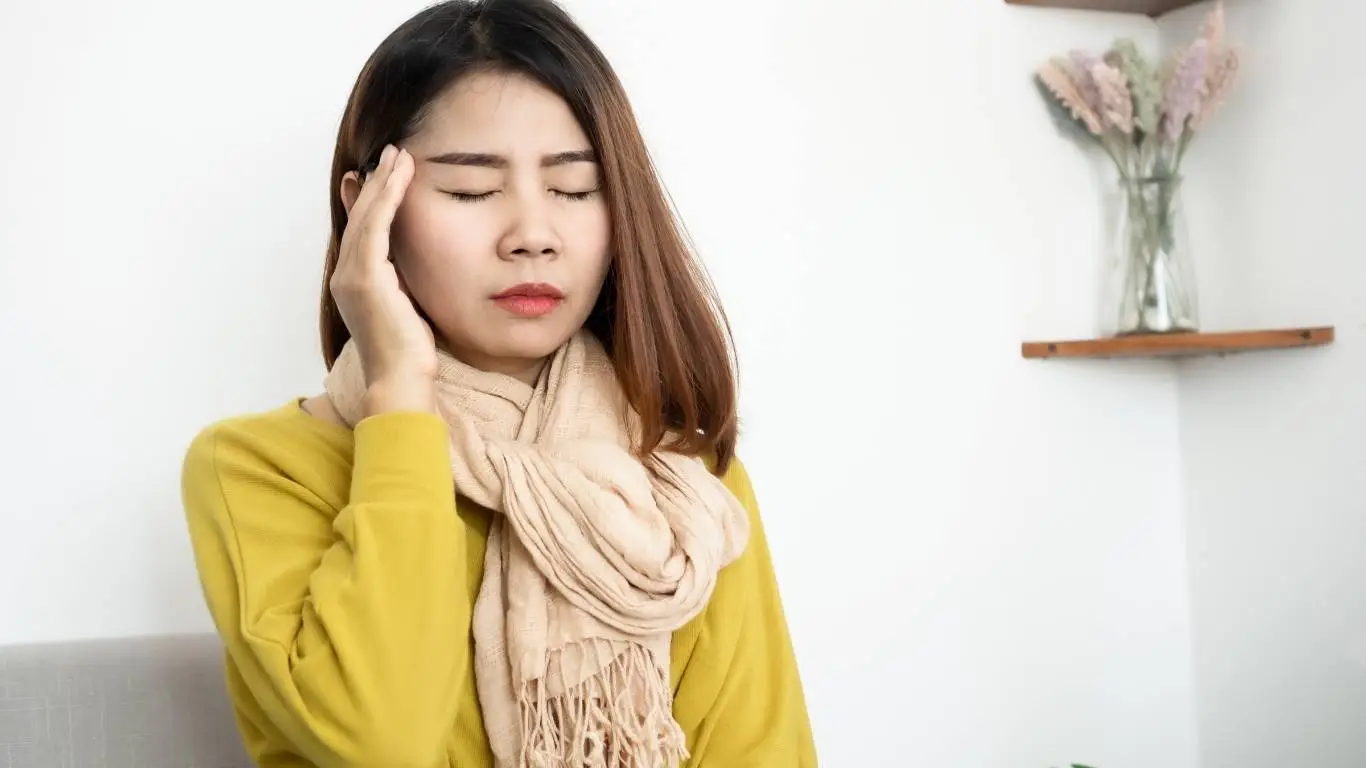
So you’ve connected the dots—PCOS might be making your migraines worse. The next question is: what can you actually *do* about it? I’ve been there, asking the same thing in doctor’s offices and 2 AM Google searches. The truth is, there’s no one-size-fits-all plan, but there are a lot of tools that work when combined.
Start with the Hormones
Balancing your hormones isn’t just a fertility conversation—it’s essential if you want your head to stop throbbing all the time. I used to think “balancing hormones” meant just taking birth control, but that wasn’t a magic bullet for me. In fact, hormonal meds triggered more migraines at first.
What did help? Getting my insulin under control. Insulin resistance can trigger inflammation and estrogen dominance, both of which can mess with your head—literally. Some people go the medication route. I started with food. A low-glycemic approach made a big difference. If you’re curious about what foods to focus on, check out this guide to migraine-friendly foods.
Supplements Worth Discussing With Your Doctor
While not everyone reacts the same way, these are a few supplements that came up repeatedly in migraine-PCOS communities and studies:
- Magnesium: Known to support hormone regulation and migraine relief. It’s in almost every migraine protocol for a reason.
- Vitamin B2 (Riboflavin): There’s solid research backing its use for reducing migraine frequency. Pairing it with B6 can also support hormone balance.
- Omega-3s: Helps with inflammation, which is a core issue in both PCOS and migraines. I didn’t realize how much it would help with my mood swings, too.
- CoQ10: This antioxidant has shown promise in migraine prevention, especially when fatigue is a core symptom.
Supplements aren’t miracle cures, but they’re part of a bigger picture. Always loop your healthcare provider in before starting anything new—especially if you’re on other meds for PCOS or migraine prevention.
Natural Remedies That Actually Helped Me

When you’re stuck in a migraine and don’t want to pop pills every time, a few natural approaches can help bring you back to baseline.
- Essential oils: I keep a roller of peppermint and lavender oil in my purse. A little on the temples or back of the neck can really calm a headache brewing from hormonal shifts. Read more about essential oils for migraine relief.
- Acupressure: My first session felt weird, not gonna lie. But within an hour, the pressure behind my eyes had noticeably faded. Now it’s part of my toolbox. Curious? Learn about acupuncture and acupressure benefits.
- Hot/cold therapy: I alternate between a cold compress on my forehead and a heating pad on my neck. Works especially well if your migraines are tied to neck tension or sleep issues.
- Sleep hygiene: Yes, the most boring advice is also the most effective. Waking and sleeping at the same time—even on weekends—was a game-changer. If sleep’s been a nightmare, this sleep-focused migraine guide is worth checking out.
What Didn’t Work (At Least for Me)
CBD oil didn’t do much for me, though I know others swear by it. Same with daith piercings—I wanted to believe, but honestly, it was more of a stylish placebo. That said, some users do get relief. Here’s a balanced look at daith piercings and migraines if you’re curious.
When It’s Time to Get Help

If your migraines are interfering with work, school, or life in general (been there), don’t wait. Find a doctor who takes both migraine and PCOS seriously. That might mean an endocrinologist, a neurologist, or—ideally—a team approach.
Here’s what helped me during appointments:
- Keeping a symptom tracker: What days you had migraines, your cycle phase, sleep, food—everything. I used a simple spreadsheet, but there are also great tracking apps.
- Asking about CGRP inhibitors: These meds are newer but designed specifically for migraine prevention. Worth discussing if over-the-counter stuff doesn’t cut it.
- Knowing my triggers: Walking in prepared helps avoid being brushed off or misdiagnosed.
Also, don’t underestimate support networks. There are some amazing migraine influencers sharing their stories and tips—worth exploring in this community roundup.
Creating a Migraine-Friendly PCOS Routine

It sounds cliché, but small lifestyle tweaks add up. I now treat managing PCOS and migraines like a job—but one that keeps me sane. Here’s what works best for me daily:
- Hydration: 3L of water minimum. Dehydration is a fast-track to throbbing temples. Why it matters.
- Meal prepping: Keeping blood sugar stable means fewer surprises—both on the scale and in my skull.
- Walking outdoors: Even 20 minutes helps clear my head—literally. Plus, movement helps with both insulin sensitivity and hormone detox.
- Limiting caffeine: This one hurt. But cutting back stopped that rebound migraine cycle I didn’t even know I was stuck in.
If you’re ready to build your own routine, the migraine prevention hub has smart, doable tips tailored to different lifestyles. That’s where I found the checklist that started my turnaround.
Where to Dive Deeper
If you’re still figuring out the big picture, I recommend starting with this article on comorbid migraine conditions. It explains how PCOS, depression, anxiety, and other disorders connect in ways that are finally being taken seriously by researchers.
For a clearer understanding of PCOS-specific triggers, hormone interplay, and personalized support, the Pillar on Migraines in Special Populations is super insightful—especially for women navigating multiple health challenges.

Bianca Nala is a compassionate Nurse Practitioner with a strong background in primary and respiratory care. As a health writer for Healthusias.com, she combines her clinical expertise with a talent for clear, relatable storytelling to help readers better understand their health. Bianca focuses on topics like asthma, COPD, chronic cough, and overall lung health, aiming to simplify complex medical topics without losing accuracy. Whether she’s treating patients or writing articles, Bianca is driven by a single goal: making quality healthcare knowledge accessible to everyone.