Why Floaters in People Who Work Night Shifts Feel Worse
It’s 2 a.m., the office lights are humming, and I’m staring at the screen when I notice them again—those squiggly shadows drifting across my vision. At first, I thought I was just tired. But they didn’t go away. If you’re like me and you work night shifts, chances are you’ve seen these too. Welcome to the world of eye floaters—and yes, they show up a lot more than you’d expect when you’re working while the rest of the world sleeps.
Why Are Night Shift Workers Seeing More Eye Floaters?
Working nights throws off more than your sleep—it can also mess with your eye health. When I switched to the graveyard shift, I started noticing floaters more frequently. Those translucent specks and cobweb-like strands seemed to drift into view more often. It wasn’t just my imagination.
Circadian rhythm disruption affects your entire system, including ocular circulation. That disruption can cause subtle changes in the vitreous humor—the gel-like substance in your eye—leading to floaters becoming more visible or even more frequent.
The Role of Artificial Lighting
Office and hospital lighting at night isn’t natural—it’s often too bright, harsh, and constant. Our eyes weren’t built to stare at LED screens and fluorescents at 3 a.m. That overstimulation leads to visual strain, which in turn makes floaters more noticeable.
Lack of Natural Light Exposure
Daylight has its benefits, especially for your vision. Night shift workers miss out on those natural sunlight cues, which impacts how your eyes rest and recover. Without it, your retinal function can get out of sync. That’s another factor that makes floaters stand out more during and after night shifts.
Fatigue Makes It Worse—Here’s Why
I noticed that floaters became significantly worse after 4 or 5 consecutive nights on shift. Turns out, there’s a reason for that. Sleep deprivation affects the way your brain interprets visual information. When you’re fatigued, your brain struggles to ignore harmless visual artifacts—like floaters.
- Reduced contrast sensitivity
- Weaker eye muscle coordination
- Dryness from fewer blinks overnight
All of these amplify the presence of floaters. And if you’re rubbing your eyes to stay awake? That’s just adding to the problem. Chronic rubbing can actually disrupt the vitreous, making those floaters worse over time.
Is It a Warning Sign or Just Annoying?
Most floaters are benign, but that doesn’t mean they should always be ignored. Night shift workers may be at higher risk of missing red flags. A sudden increase in floaters, especially when paired with flashes or a curtain-like shadow in your vision, could mean something serious—like a retinal tear or detachment.
One night, I had a sudden storm of floaters right after stepping out into the bright morning sun. That’s when I decided to get checked. Fortunately, it wasn’t serious, but the optometrist mentioned that extended near-focus tasks at night could be contributing to the issue. Makes sense when you think about how long we spend reading screens in low ambient light.
Red Flags to Watch Out For
- Floaters that appear suddenly in large numbers
- Bright flashes in peripheral vision
- Dark shadows or blind spots
If you see any of those—especially during or after a shift—get your eyes checked immediately. Don’t assume it’s just fatigue or dryness.
Nutrition and Hydration: Two Things Night Workers Ignore
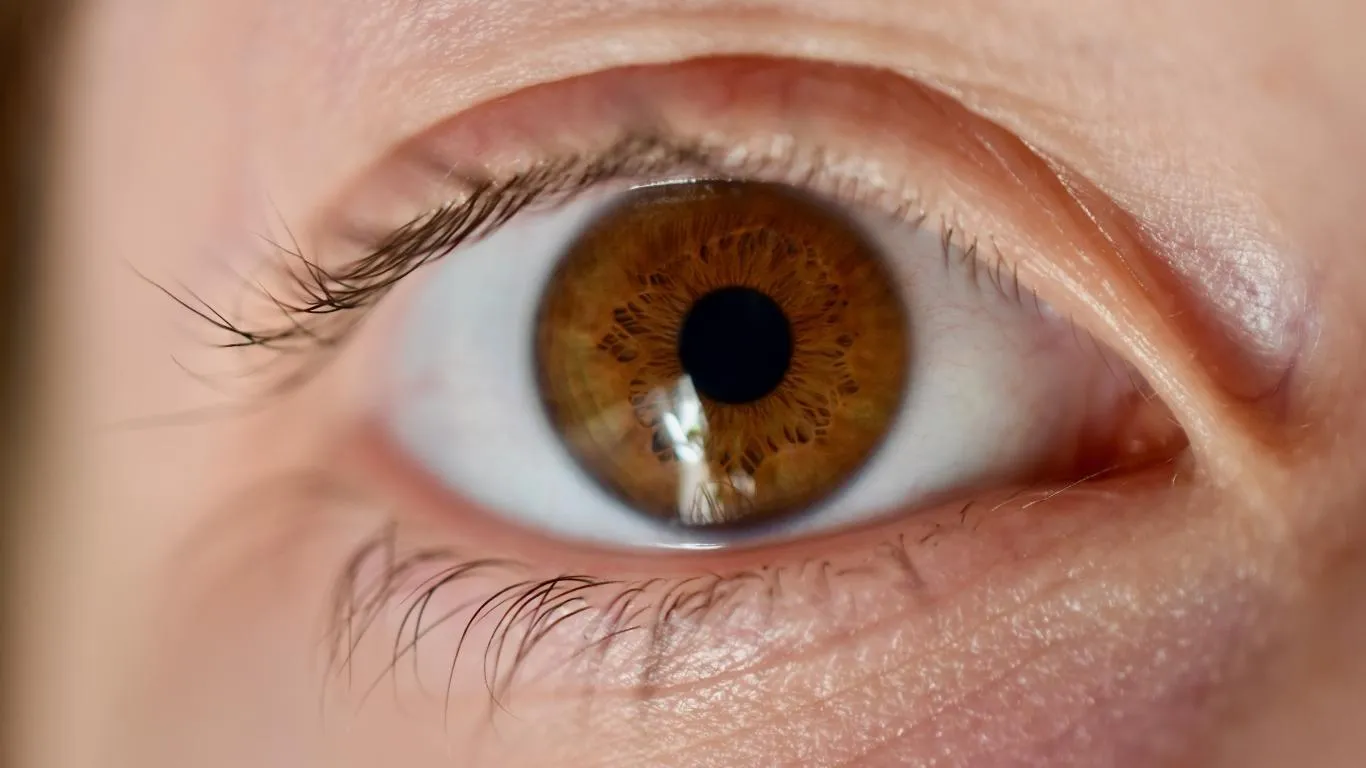
Let’s be honest—most night workers run on caffeine, vending machine snacks, and whatever we can microwave in 2 minutes. But this can take a toll on your eyes.
Dehydration is a sneaky culprit. The vitreous is 99% water. If you’re not hydrating properly, it starts to shrink, which can cause more floaters or make existing ones more visible.
And then there’s nutrition. If your diet lacks antioxidants, omega-3s, or collagen-supporting nutrients, you’re missing out on the building blocks your eyes need to maintain vitreous clarity.
Quick Fixes You Can Actually Use
- Hydrate regularly—even when you’re not thirsty
- Take screen breaks every 45 minutes
- Increase intake of foods rich in lutein and zeaxanthin
- Reduce sugar and sodium-heavy processed foods
Natural Management Tips That Actually Work (Sometimes)
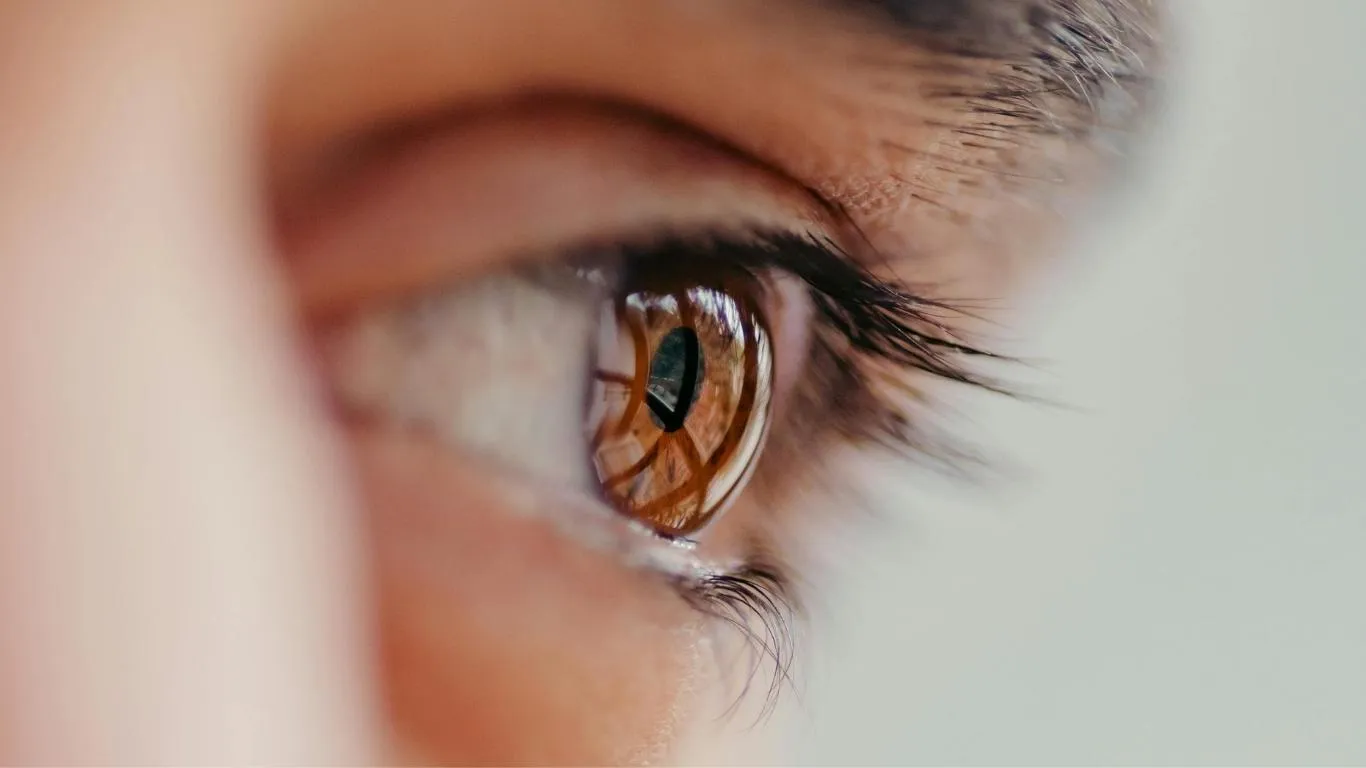
Managing floaters isn’t always about removing them—it’s about reducing their impact. For night shift workers like us, that means adapting our environment.
Dim overhead lights and increase ambient backlighting around screens to reduce glare. If you wear glasses, consider lenses with a blue-light filter, but avoid overly tinted ones that may exaggerate floaters in dark settings.
You can also explore natural floater remedies, though results vary. I’ve personally tried a few supplements like hyaluronic acid and bilberry extract—not a miracle, but I did notice less strain after about a month of consistent use.
Related Reading That’s Actually Helpful
If this topic hits close to home, you’ll definitely want to read more on why floaters affect even healthy eyes and how your job, diet, and environment all play a role. For more in-depth guidance on floater management, I recommend this comprehensive treatment guide.
And to understand the broader context of what causes these floaters in the first place, check out this complete overview on eye floaters from the main pillar.
Are Floaters Worse at Night—or Just Easier to Notice?
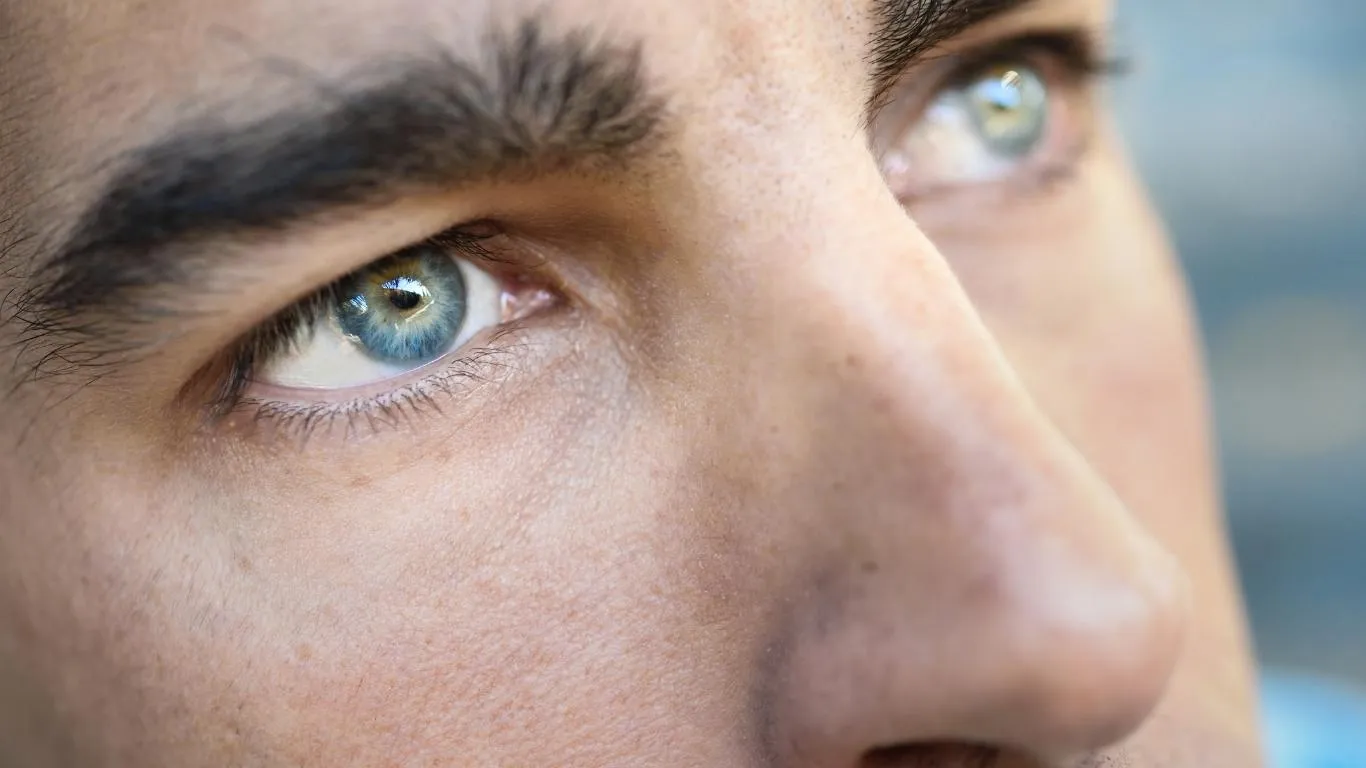
Let me tell you—when it’s 4 a.m. and your eyes are dry, tired, and locked onto a screen, even the smallest floater feels like a billboard across your field of vision. But are floaters actually worse at night?
Not necessarily. The truth is, floaters become more visible in low light or when looking at a bright background—like a white monitor or fluorescent ceiling. And let’s face it, that’s pretty much every setting for a night shift worker.
Your pupils dilate more at night, and that increased sensitivity can make floaters more apparent. Combine that with fatigue, dehydration, and artificial lighting, and you’ve got the perfect storm for floater annoyance.
Common Night Scenarios That Make Floaters Stand Out
- Staring at white charts or text on screens
- Moving from dark hallways to bright breakrooms
- Flipping on bathroom lights mid-shift
- Working under overhead hospital LEDs
In fact, several coworkers and I noticed that our floaters appeared more intense after going from a low-lit workstation to brightly lit areas—something that’s backed up by this discussion on lighting and floaters.
Can Floaters Impact Your Work Performance?
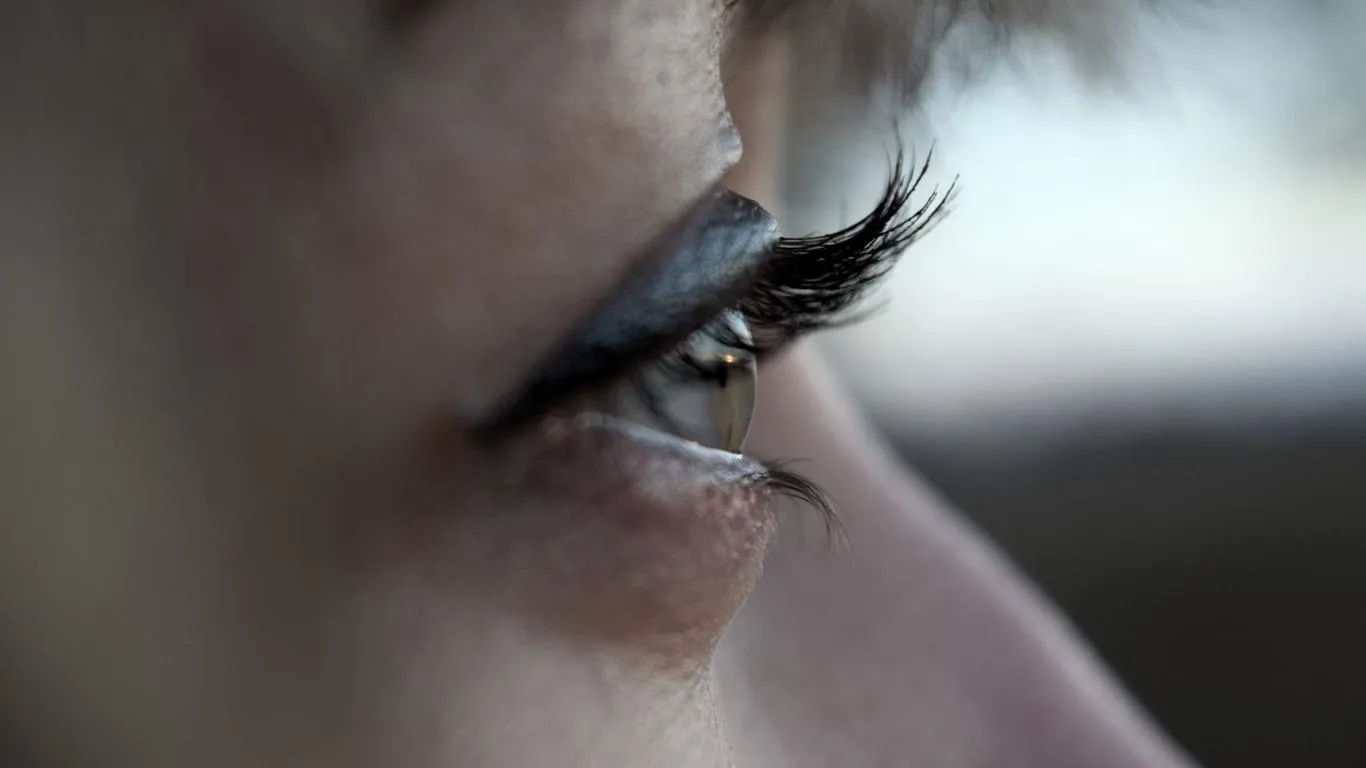
This might sound dramatic, but yes—floaters can mess with your workflow. Especially if you work in roles that require constant monitoring of screens, like medical techs, security surveillance, or airline control staff.
Here’s how they mess with your focus:
- They drift into your line of sight mid-task
- You blink or shift your gaze to get rid of them
- You lose concentration momentarily
- You repeat steps or reread important info
It’s subtle, but over time, it can cause fatigue, eye strain, and even anxiety—especially if you’re already concerned about your vision. Some people even report headaches from staring too hard at floaters while trying to “figure them out.” I’ve been guilty of that myself during a long telemetry shift.
Small Adjustments That Help a Lot
- Use dark mode where possible
- Switch screen background to warmer tones (f.lux helps)
- Position your monitor to reduce direct glare
- Adjust brightness based on room conditions—not maxed out
And if you wear prescription glasses, make sure they’re updated. Outdated lenses force your eyes to work harder in already challenging lighting, which can increase eye strain and floater awareness.
Are Night Shifts Causing Long-Term Damage?
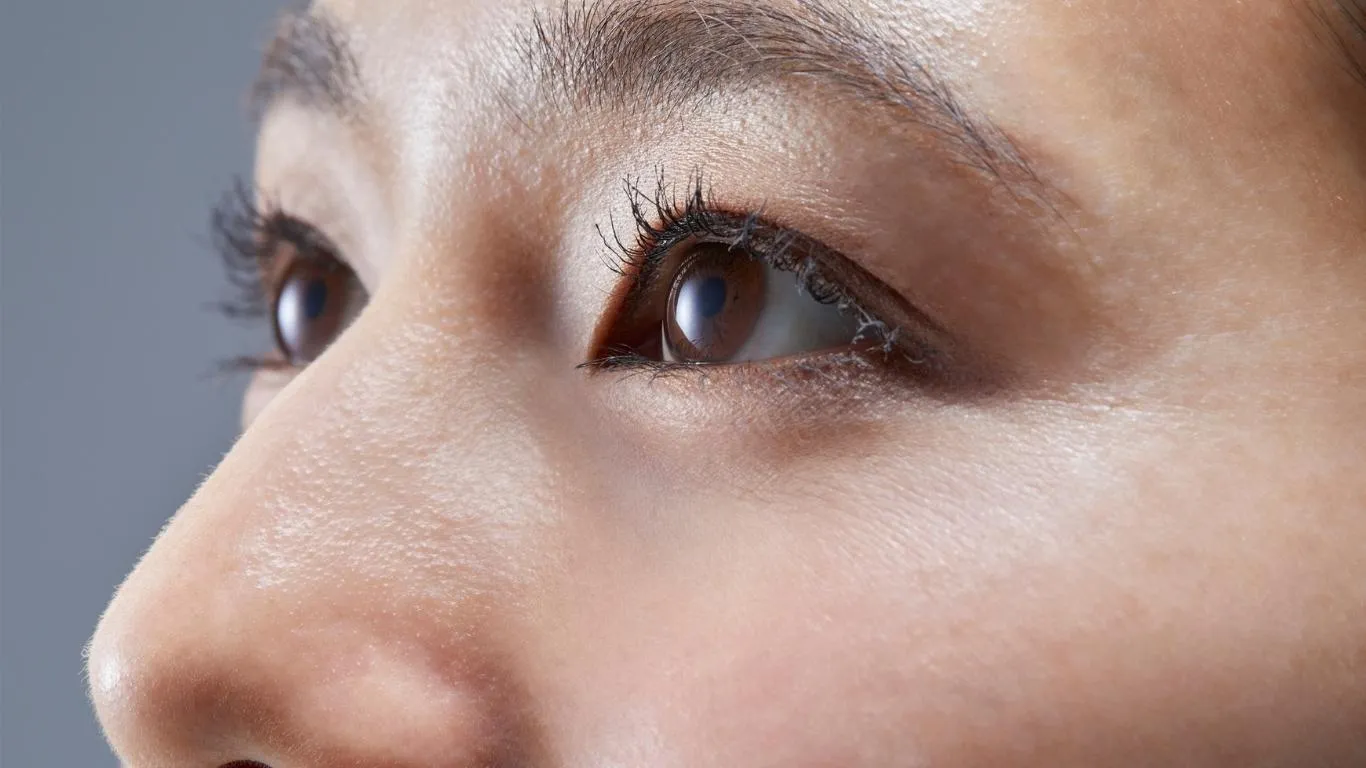
There’s growing evidence that chronic night work impacts ocular health. Studies show long-term circadian rhythm disruption can impair blood flow to the retina and optic nerve. While floaters themselves aren’t usually a sign of damage, their increase may correlate with subtle changes in vitreous health or retinal strain.
If you’ve ever felt like your floaters linger longer or evolve in shape or density over months, you’re not alone. Many shift workers report that after years on nights, floaters feel more persistent and harder to ignore.
This might be partly due to lens aging, reduced eye lubrication, or even hormonal changes linked to disrupted sleep cycles—something that’s been studied in nurses and factory workers.
When Should You Get Checked?
Schedule an eye exam if you notice:
- New floaters that appear suddenly
- Floaters combined with light flashes
- Blurred or tunneled vision
- Changes after intense visual tasks like night driving
It’s also worth asking your eye doctor if laser floater treatment is right for you—especially if the issue impacts your night shift performance. Though not for everyone, it’s an option for severe cases.
How to Sleep Better—Even With Floaters
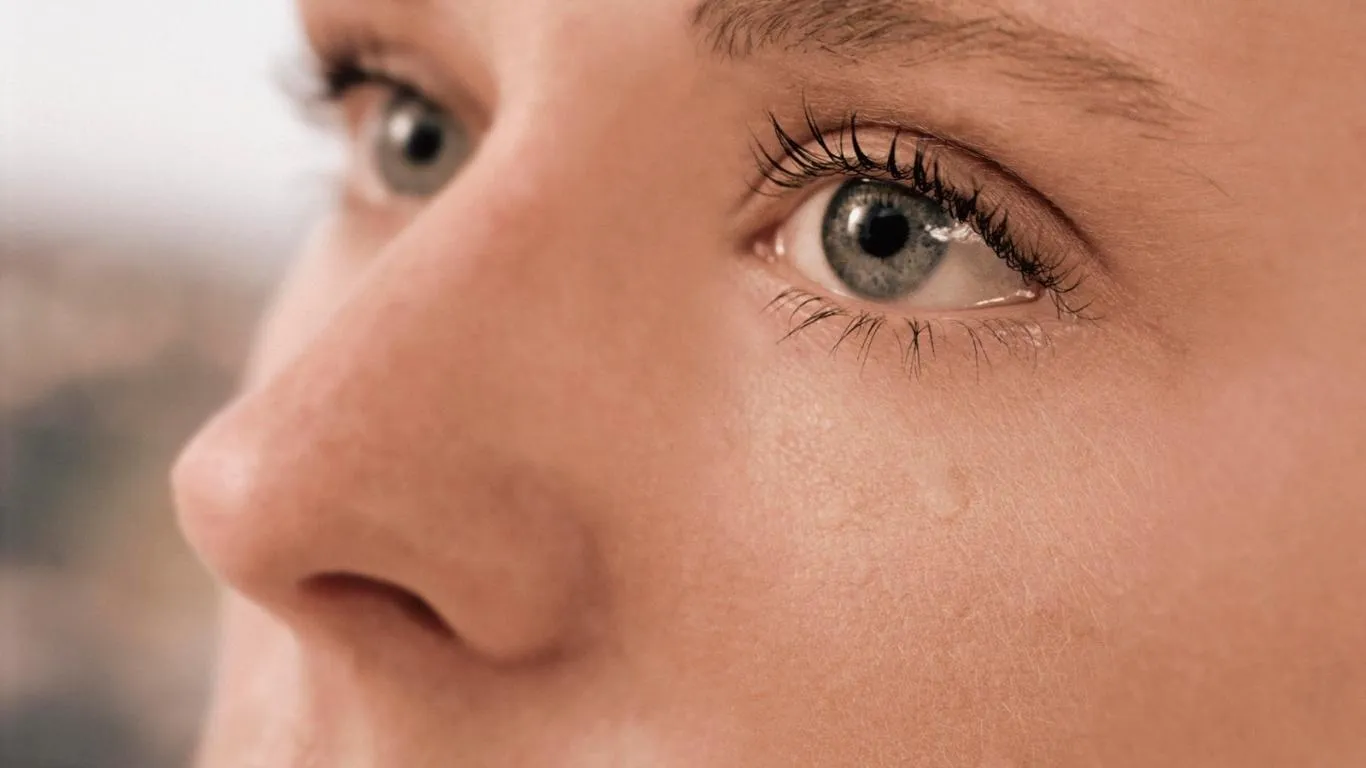
I used to think floaters were just annoying little dots, but they started affecting my sleep too. After long shifts, I’d lie down, and they’d bounce around in my vision while I stared at the ceiling. Sound familiar?
Here’s what helped me:
- Blackout curtains: essential for quality daytime sleep
- Eye mask: not just trendy—actually helps reduce glare
- Limit caffeine: especially after 3 a.m.
- Magnesium supplements: helped ease muscle tension and visual fatigue (relevant guide)
And perhaps most importantly, I started doing short eye relaxation exercises right after my shift. Just five minutes of palming or near-far focusing made a huge difference. One of the best guides I found for this is this list of floaters-focused exercises.
Where to Go From Here
Night shifts aren’t going away anytime soon. But understanding how they affect your eyes—and especially your experience with floaters—can make a huge difference. Don’t just “deal with it.” Make adjustments, stay proactive, and don’t be afraid to speak to a specialist if it starts to affect your performance or peace of mind.
If you’re ready to explore how floaters differ from more serious conditions, this breakdown on eye floaters vs. other vision issues offers useful clarity.
And if you’re looking for the broader picture—including symptoms and deeper causes—here’s a must-read guide from the main pillar: What Are Eye Floaters: Causes, Symptoms, and Treatment Options.

Camellia Wulansari is a dedicated Medical Assistant at a local clinic and a passionate health writer at Healthusias.com. With years of hands-on experience in patient care and a deep interest in preventive medicine, she bridges the gap between clinical knowledge and accessible health information. Camellia specializes in writing about digestive health, chronic conditions like GERD and hypertension, respiratory issues, and autoimmune diseases, aiming to empower readers with practical, easy-to-understand insights. When she’s not assisting patients or writing, you’ll find her enjoying quiet mornings with coffee and a medical journal in hand—or jamming to her favorite metal band, Lamb of God.