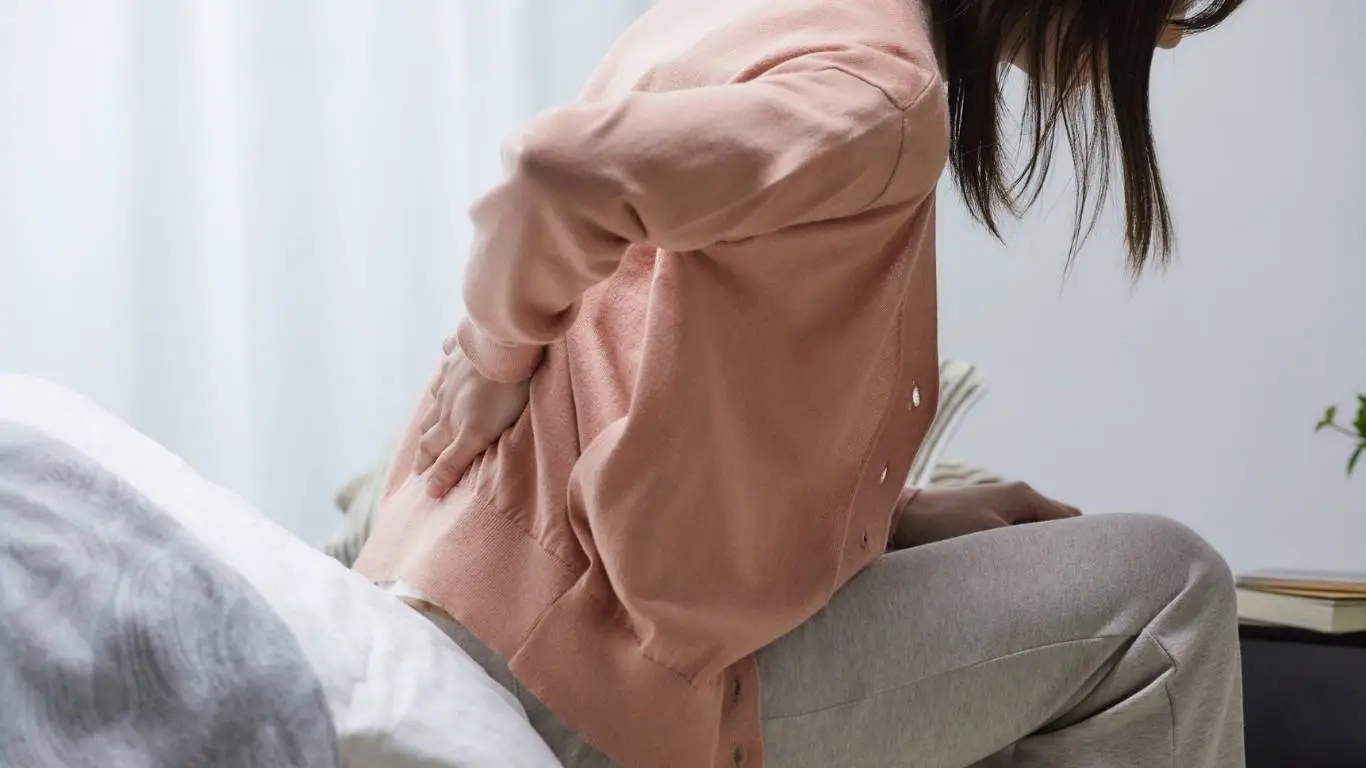
Shin Splints Can Wreck Your Back if Overcompensation Kicks In
I used to think shin splints were just a runner’s rite of passage. But after a year of ignoring my sore legs and pushing through the pain, I realized the real problem wasn’t just in my shins — it was higher up the chain. Turns out, my back was working overtime to compensate for those aching legs. That’s when it hit me: shin splints aren’t just a lower leg issue. They can seriously mess with your spine if you’re not careful.
How Shin Splints Can Lead to Back Overcompensation
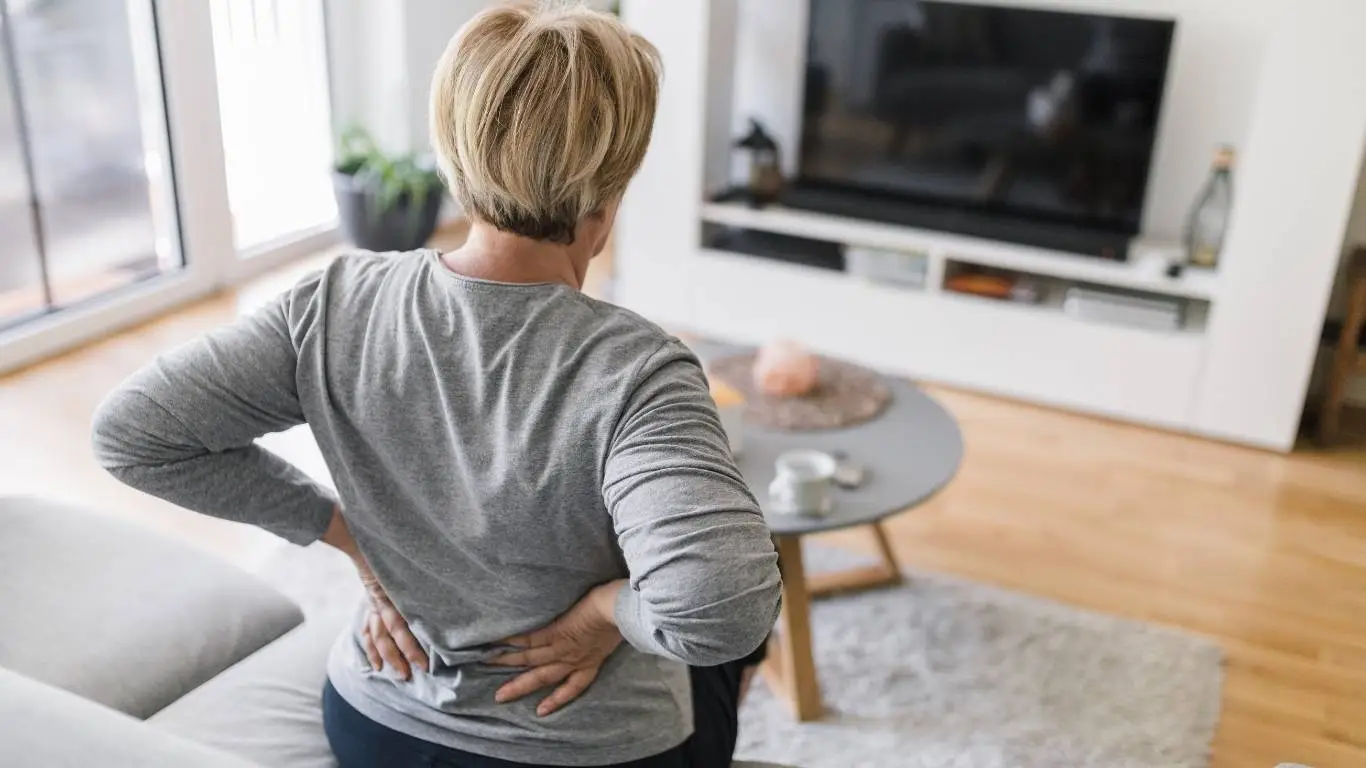
Shin splints, or medial tibial stress syndrome, usually show up as that sharp or dull ache along the front or inner part of the shin. They’re common in runners, dancers, or anyone who’s upped their physical activity too quickly. But here’s what’s often overlooked — they throw off your entire movement pattern. When your legs hurt, your body finds another way to move to avoid the pain. That compensation usually lands squarely on your back.
I didn’t realize how much I was tweaking my stride until my lower back started screaming louder than my shins. Instead of pushing off normally, I was shifting weight in weird ways, tightening muscles I didn’t know I had, and unknowingly building bad movement habits that made everything worse.
The Biomechanics of Compensating for Shin Pain
When you adjust your gait due to shin pain, several things start to happen:
- Pelvic misalignment: The pelvis can tilt or rotate due to uneven pressure on the legs.
- Hip strain: Hips work overtime to stabilize your movement.
- Core fatigue: Your core tries to balance the compensation, leading to poor posture.
- Back muscle overuse: Erector spinae, QL, and even your thoracic extensors start to overcompensate.
Eventually, all this misalignment and overuse adds up, often triggering chronic lower back pain. In my case, I even started getting random back spasms after long walks — not even runs. That’s when I knew this wasn’t just about my legs anymore.
Why Rest Isn’t Always the Answer
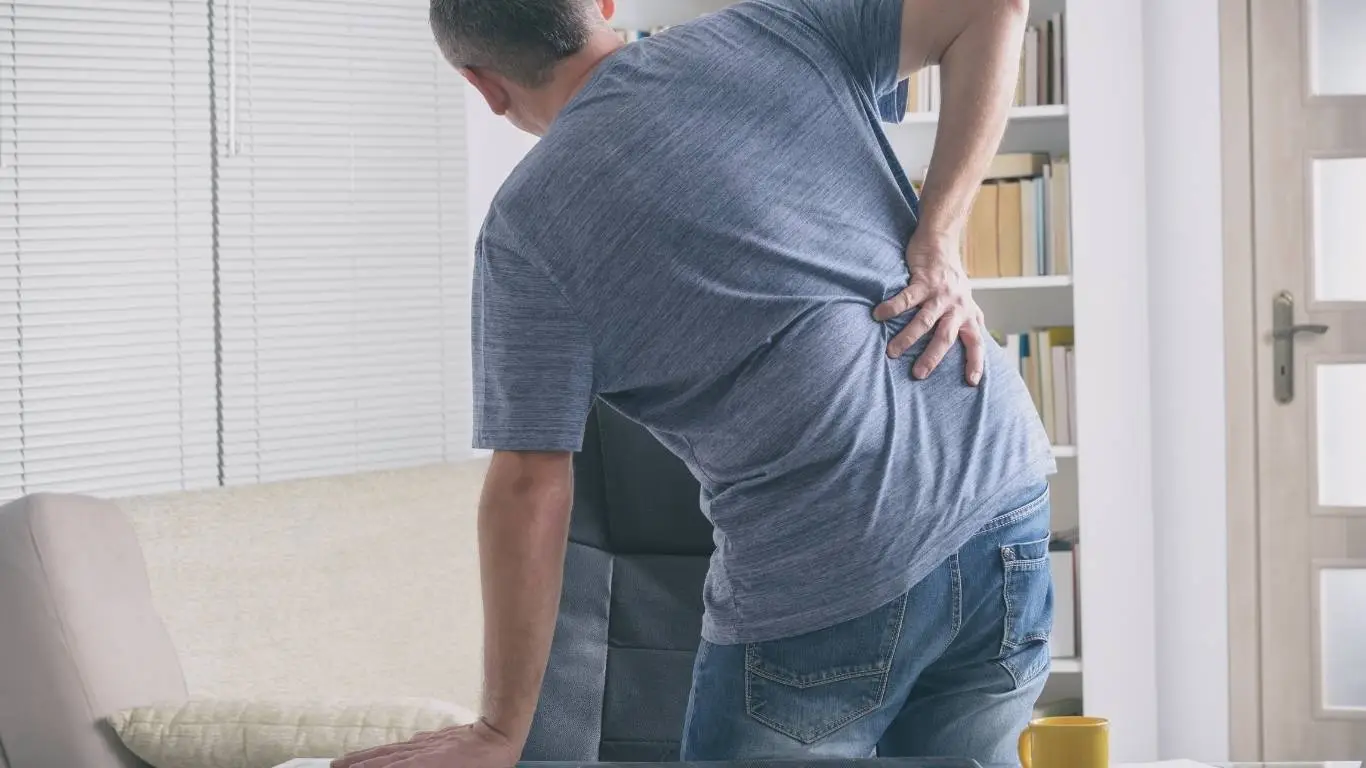
When I first started dealing with shin splints, I did what most people do: I rested. Took a week off. Iced. Stretched a little. Got back out there. Repeat cycle. But resting only gave me temporary relief. The underlying dysfunction — the imbalance between my lower body and spine — wasn’t fixed.
According to the National Institutes of Health, overcompensation injuries are one of the most common causes of chronic musculoskeletal pain. So, rest helps for inflammation, but it does absolutely nothing for the imbalances that shin splints create throughout the kinetic chain.
Signs Your Back Is Picking Up the Slack
Here are some red flags I experienced (and you might too):
- Unusual tightness in the lower or middle back after walking or running.
- One-sided back pain, especially if the shin splint is worse on one leg.
- Postural shifts — like leaning more to one side or arching your back unconsciously.
- Delayed back soreness a few hours after exercise, even when your legs feel fine.
If any of that sounds familiar, you might be stuck in the same loop I was. Luckily, once I started treating the problem holistically — not just locally — things began to improve.
How Weak Glutes and Tight Hips Factor Into the Equation

One of the biggest surprises in my rehab journey? My glutes had basically gone on vacation. All that back pain wasn’t just from my shins — it was from weak posterior chain muscles. Turns out, weak glutes often lead to lower back strain when other muscles take over their job.
Same goes for hip tightness. When the hip flexors and adductors get tight (which they do when you limp around protecting a sore shin), your spine has to flex and extend abnormally to compensate.
Simple Fixes That Helped Me Recover
- Glute bridges with resistance bands
- Clamshells and monster walks to fire up hip stabilizers
- Dynamic calf and hamstring stretches pre-run
- Postural drills to reset my spine and pelvis
I also incorporated ergonomic tweaks during work hours. Standing desk setups helped a ton, and I followed tips from this ergonomic guide for back pain relief to avoid slumping or leaning throughout the day.
Bridging the Gap Between Shin Pain and Chronic Back Pain
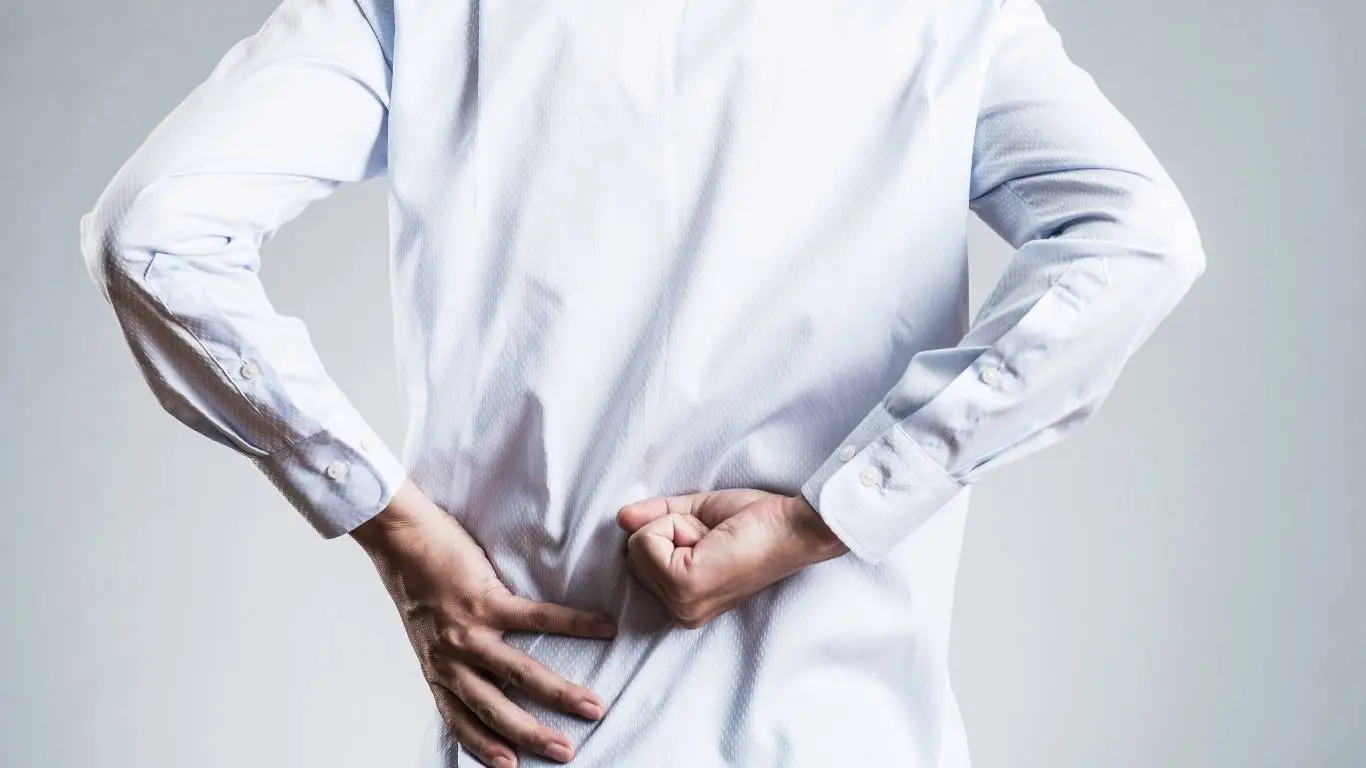
Here’s the truth: treating shin splints in isolation is a huge mistake. If you don’t address the chain reaction it causes throughout your body, you’ll trade one problem for another. That’s why I started exploring more comprehensive treatment approaches.
Articles like this guide on muscle imbalances opened my eyes to how interlinked everything really is. It’s not just your shins, or your back — it’s the entire system working together (or not).
If you’re dealing with stubborn shin splints and weird back pain that creeps in, check out the main guide on exercise and rehabilitation for back pain — it dives deep into how to build supportive movement patterns. You’ll also want to explore the central hub at Healthusias Back Pain Resource for even broader context.
What Most Doctors Don’t Tell You About Movement Compensation
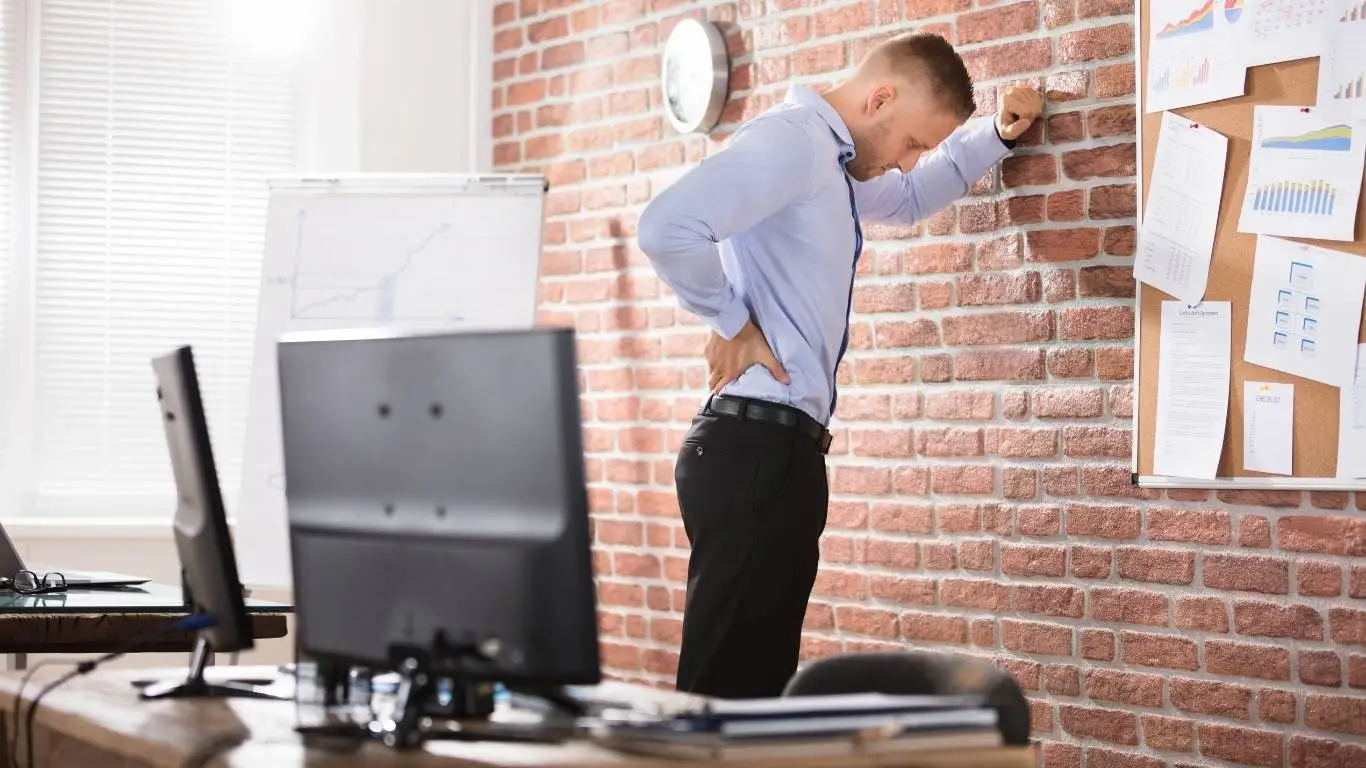
Not every doctor will connect your shin pain with back trouble. I spent months chasing shin-focused treatments — ice, rest, compression — and saw barely any long-term relief. Only when I landed in a sports rehab clinic did someone finally say, “Your spine is compensating for what your legs can’t handle.”
That one sentence changed everything. It’s not about just fixing the shin splint or the back pain. It’s about fixing the pattern. If you only treat symptoms, you’ll keep running in circles (pun intended).
Research from Mayo Clinic supports this interconnected view, pointing out how overuse injuries often stem from misalignments or weak links in the chain — especially when pain forces unnatural body mechanics.
Correcting the Chain from the Ground Up
- Footwear upgrades: I finally got fitted for proper shoes based on my gait — game changer.
- Orthotics: A certified PT helped me design custom insoles that prevented inward collapse of my arches, a key culprit in my shin strain.
- Gait retraining: Yes, literally relearning how to walk and run was necessary. And awkward. But it worked.
I also added core stabilization routines and worked with a mobility coach to open up tight areas. This combination got to the root of my compensation habits and started to reverse them.
The Role of Core Instability in the Shin-Back Link
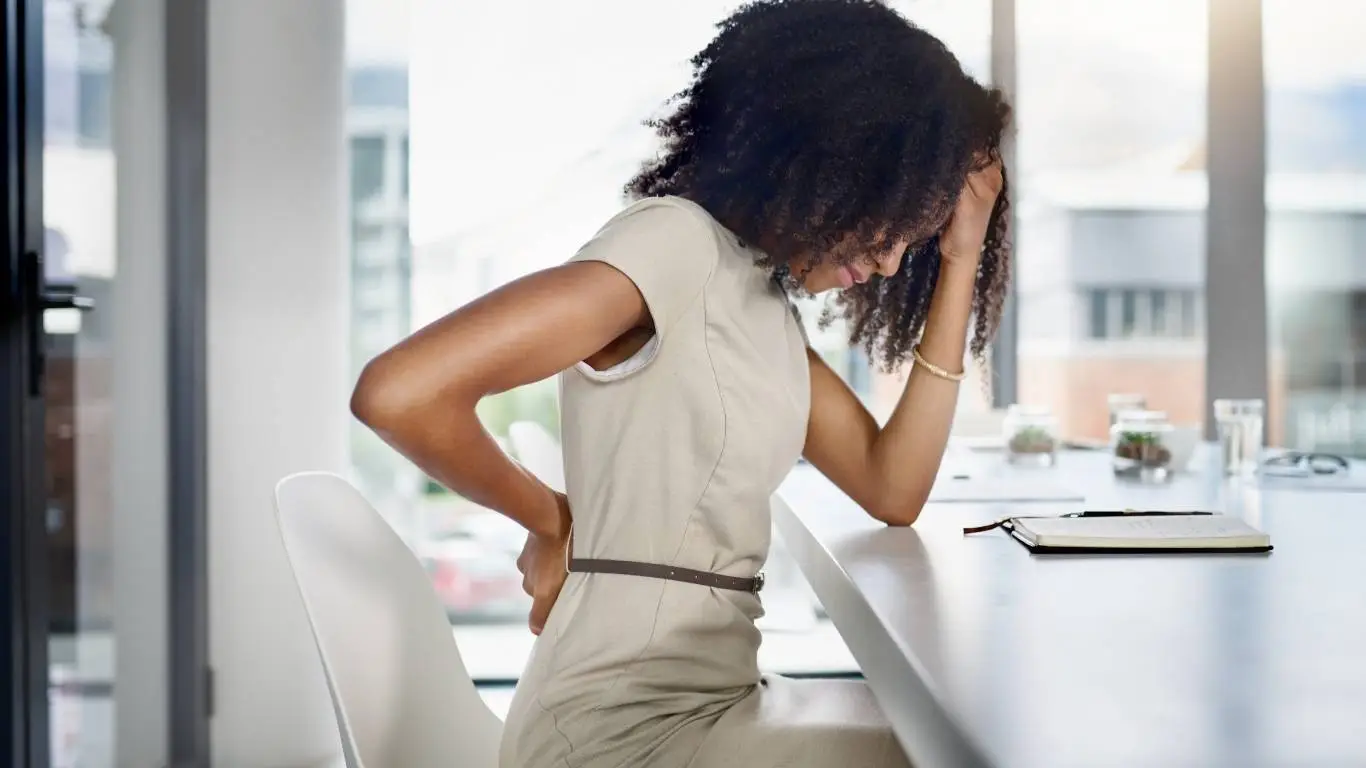
You hear it everywhere — “engage your core.” But it took me a while to really understand what that meant in practice. Turns out, my weak transverse abdominis wasn’t holding my pelvis in place. That led to over-rotation in my hips when I walked, putting extra strain on my shins and forcing my spine to do stabilizing work it was never meant for.
I followed a program similar to what’s laid out in this natural remedy and lifestyle guide — not just crunches, but deep core activation like dead bugs, bird dogs, and anti-rotation presses.
Why Back Pain May Linger After Shin Splints Heal
Even after your legs feel better, your back might still be flaring up. That’s usually because those faulty patterns are still hardwired into your body. You may be moving “normally” again, but your nervous system remembers the pain — and the compensations that came with it.
One underrated read that helped me was this article on recurring back pain after activity. It explains how even low-level inflammation and old injuries can subtly alter movement over time.
Manual Therapy: What Actually Helped (And What Didn’t)
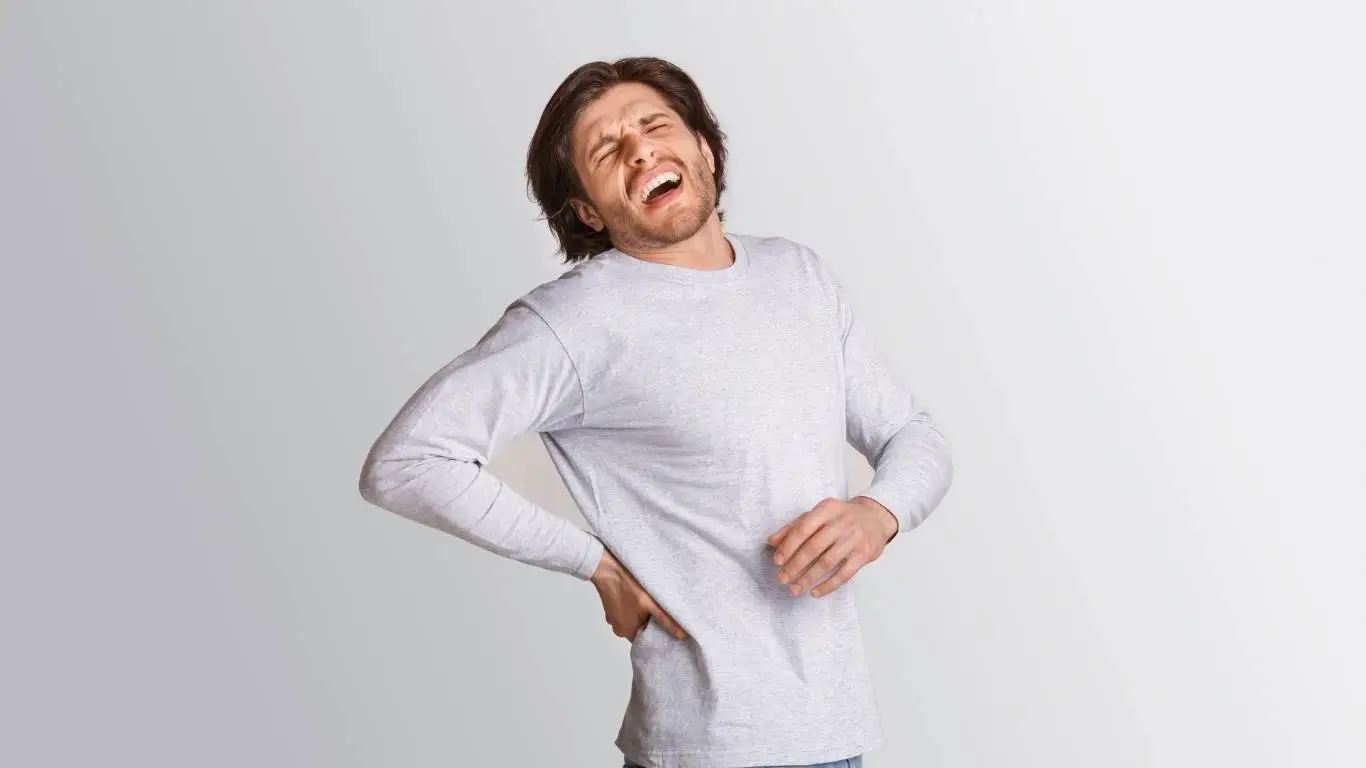
I’ve tried nearly every manual therapy under the sun — massage, dry needling, cupping, chiropractic, even scraping (yes, it hurts). Here’s what stood out:
- Myofascial release: Especially on the tibialis posterior and lower lumbar fascia, this gave me noticeable relief.
- Chiropractic adjustments: Helpful but temporary. I needed to pair them with muscle retraining to make the change stick.
- Active Release Technique (ART): This was gold for breaking up scar tissue and retraining muscle tension.
For those considering chiropractic support, here’s a strong overview of why chiropractic adjustments may be worth exploring, especially in the context of kinetic chain dysfunctions.
Strength Training Done Right: From Rehab to Performance
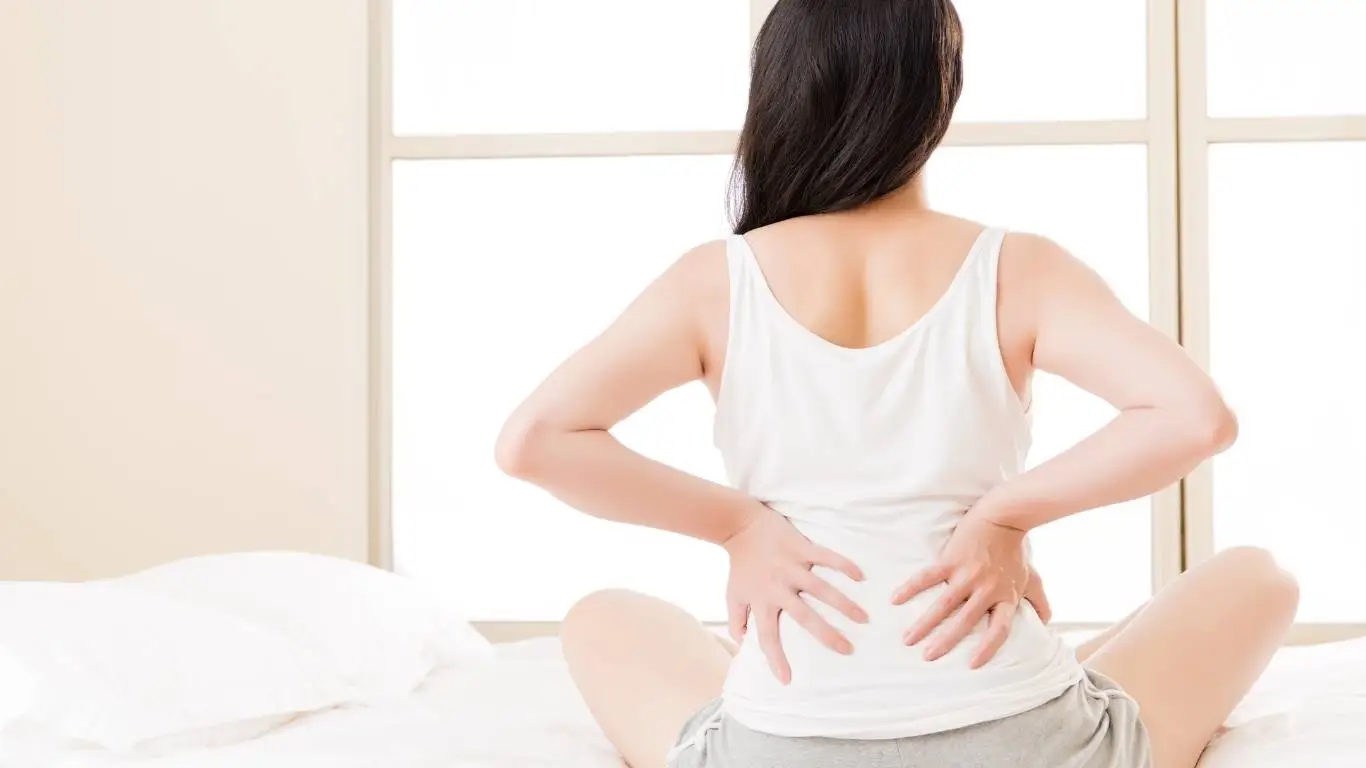
I’ll be honest — I was afraid to lift during recovery. What if I made it worse? But avoiding strength work was the mistake. Once I started a progressive, unilateral-based strength program, my back and legs got stronger together. I focused on:
- Single-leg Romanian deadlifts
- Step-ups with controlled eccentric lowering
- Side planks with hip abduction
- Farmer carries for core and spine integration
These moves didn’t just strengthen; they recalibrated how I moved. That’s why exercises like those recommended in this exercise guide for nerve-related pain were surprisingly helpful — even though they weren’t shin-specific.
Closing the Loop: Full Recovery Is a Full-System Effort
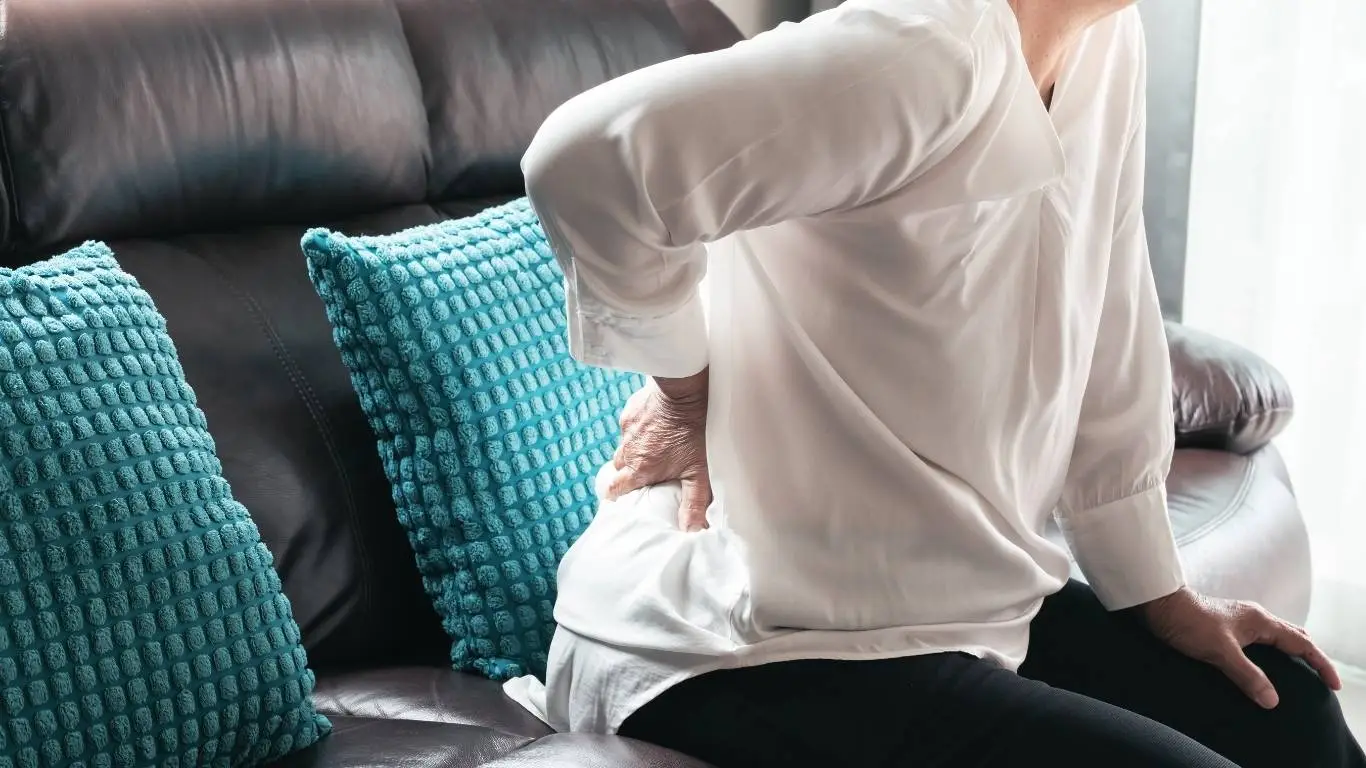
The connection between shin splints and back overcompensation isn’t a maybe — it’s a reality for anyone who’s dealt with long-term movement dysfunction. I learned the hard way that you can’t isolate pain. The body doesn’t work that way.
Recovery wasn’t about fixing one muscle or one joint — it was about retraining everything. Strength, alignment, mobility, habits. If you’re in this struggle, stop looking for silver bullets. Focus on systems, not symptoms.
For deeper insight into how your back might be reacting to daily stressors and subtle imbalances, the comprehensive breakdown in this diagnosis guide really puts things into perspective. And of course, don’t miss the master resource at Healthusias’ Main Back Pain Hub for everything from prevention to advanced treatment options.

Camellia Wulansari is a dedicated Medical Assistant at a local clinic and a passionate health writer at Healthusias.com. With years of hands-on experience in patient care and a deep interest in preventive medicine, she bridges the gap between clinical knowledge and accessible health information. Camellia specializes in writing about digestive health, chronic conditions like GERD and hypertension, respiratory issues, and autoimmune diseases, aiming to empower readers with practical, easy-to-understand insights. When she’s not assisting patients or writing, you’ll find her enjoying quiet mornings with coffee and a medical journal in hand—or jamming to her favorite metal band, Lamb of God.