Best Over The Counter Treatment For BV That Actually Works
Bacterial Vaginosis (BV) is one of those things no one really talks about—but honestly, it deserves more attention. I’ll admit, I didn’t even know what it was until I found myself dealing with it. The itch, the weird smell, the confusion of “Is this a yeast infection or something else?” If you’re searching for the best over the counter treatment for BV, you’re absolutely not alone. And trust me, I’ve been through enough trial and error to offer some insight that’s actually useful—not the clinical jargon you usually find online.
What is BV Really, and Why is It So Confusing?

BV isn’t a traditional infection like a yeast infection. It’s more like a bacterial imbalance where the bad bacteria outweigh the good ones in your vagina. The result? A fishy odor, thin grayish discharge, and sometimes, irritation—though weirdly, many people don’t feel pain at all. That’s what threw me off the first time.
To make things trickier, BV often gets mistaken for a yeast infection. I’ve even had a doctor misdiagnose me once. That’s why it’s important to know your body, read up, and use this guide comparing BV vs yeast infections if you’re unsure.
Over the Counter (OTC) Options: What Actually Works?

Let’s cut to the chase—when you’re browsing the drugstore shelves, what should you actually look for? Unlike yeast infections that have shelves full of treatments, BV doesn’t have a ton of options labeled clearly. But there are still solid choices that can help manage it, especially if you catch it early.
1. Boric Acid Suppositories
This is my go-to now for maintenance. While it’s not FDA-approved as a first-line BV treatment, boric acid works wonders for balancing pH and clearing that lingering odor. It’s especially helpful after antibiotic treatment or post-period. You can find more on how it works here.
- Use a capsule applicator for less mess
- Only for vaginal use—never oral!
- Avoid if you’re pregnant
2. Probiotic Suppositories or Capsules
I started taking probiotics daily, and it wasn’t an overnight fix, but it genuinely helped reduce the frequency of flare-ups. Specifically look for strains like Lactobacillus crispatus and rhamnosus. You can also read how they affect BV in this article.
- Choose high-CFU count formulas (at least 10 billion)
- Go for vaginal-specific strains
- Consistency is key—think 30+ days
3. pH Balancing Gels
Some brands offer OTC gels that help restore vaginal pH. These can give immediate relief from odor and irritation. While they don’t cure BV, they can buy you some time until you decide your next move. I used these before dates—yeah, real talk.
Ingredients to look for:
- Lactic acid (helps restore natural pH)
- No added fragrances or dyes
When OTC Doesn’t Cut It: Recognizing the Limits

Let’s be honest—sometimes, you just need a prescription. If this is your first time with symptoms or the OTC route isn’t making a dent in a few days, you’ll want to get checked. Self-diagnosis has its limits, and I’ve learned that the hard way.
In some cases, doctors may recommend antibiotics like metronidazole or clindamycin, which you can read more about in the treatment guide here.
Keeping BV From Coming Back (Because Ugh, It Can)

BV has this annoying habit of returning—even after it feels like it’s gone. This is where lifestyle tweaks and prevention play a major role. After my third round of it (yeah, third), I made these changes that actually stuck:
- Switched to cotton underwear
- Stopped using scented soaps and bubble baths
- Cut back on sugar (seriously, it helps)
- Began using probiotics regularly
I also stopped douching (because that’s a myth that needs to die) and followed this great prevention guide that breaks it down.
Real Talk: How BV Affects Confidence

Look, no one likes talking about vaginal odor or discharge, but it seriously messes with your confidence. I remember skipping dates and avoiding intimacy because I was terrified someone would notice. BV isn’t just a physical issue—it hits emotionally too. That’s why getting ahead of it with the right OTC treatment matters so much.
There’s a fantastic breakdown of all the emotional and physical layers of BV in this pillar article that I still refer back to.
And if you’re just getting started, this overview of all treatment options is a great place to explore everything that’s available—OTC and beyond.
How to Choose the Right OTC BV Treatment for You

When I first walked into a pharmacy looking for BV relief, I was overwhelmed. Everything either looked like a yeast infection treatment or some mysterious “feminine product” with vague promises. Choosing the best over the counter treatment for BV means knowing what your body needs—and what it doesn’t tolerate.
Here’s a rule of thumb I live by now: gentle, effective, and targeted. If something burns or smells overly perfumed? Hard pass. Below are a few personal takeaways from my own mini journey of product roulette:
- Start simple. A single-ingredient probiotic or a pH gel is less likely to trigger irritation.
- Trust your body. If it’s worked before, stick with it—but rotate if it stops working. Your flora evolves.
- Check real reviews. I learned more from Reddit threads and BV communities than from brand websites.
Popular Brands People Actually Swear By
I don’t have brand loyalty, but here’s what’s sitting in my medicine drawer right now—and yes, I’ve road-tested them:
- pH-D Boric Acid Suppositories – Effective post-period reset.
- RepHresh Vaginal Gel – Good for odor and pH support.
- AZO Complete Feminine Balance Probiotic – Everyday use helped me stay BV-free for months.
These aren’t sponsored—I wish. Just real feedback from a real person who’s tried most of the aisle.
Don’t Sleep on Lifestyle Shifts
Honestly? No treatment sticks unless your daily habits back it up. For me, it wasn’t until I overhauled my lifestyle that the recurrences stopped. And yes, it’s a process—but it’s doable.
If you’re wondering where to begin, this long-term solutions guide helped me make the connection between habits and flare-ups.
Daily Habits That Made a Real Difference
- Switched to unscented everything: laundry detergent, body wash, panty liners
- Stopped wearing tight leggings all day (yoga pants 24/7 = no airflow)
- Tracked flare-ups around my cycle, diet, and stress levels
- Added fermented foods to my diet—hello, kimchi and kefir
If you’re a data nerd like me, tracking patterns really gives you a sense of control. It helped me realize that too much sugar was a major trigger.
Sex, Stress, and BV: Things No One Talks About

This might sound weird to say in an SEO article, but screw taboos—sex and stress matter when it comes to BV. I spent too long ignoring the connection until I finally came across this eye-opening article that broke it down.
I started using condoms more consistently, cleaning up afterward (both of us), and being more mindful of stress triggers like poor sleep or constant work pressure. Yes, your nervous system and vaginal flora are more connected than you’d think. And if you’re skeptical that stress might actually cause BV? Been there—until I saw the science.
BV and Pregnancy: A Whole Other Level

If you’re pregnant or planning to be, BV is something you definitely don’t want to ignore. I wasn’t pregnant when I had my worst case, but my best friend was—and she was terrified. Her doctor took it seriously because untreated BV during pregnancy can lead to complications like preterm labor.
Here’s a great place to start learning more about managing BV safely during pregnancy: this full guide is super thorough and reassuring.
Generally, most OB-GYNs won’t recommend OTC treatments during pregnancy without consultation, so definitely loop your doctor in. But knowledge is power—especially when it comes to safe treatment options while pregnant.
When to See a Doctor (and What to Expect)

If you’ve tried OTC treatments and the symptoms keep coming back—or they never fully go away—it’s time to tag in a professional. There’s no shame in needing antibiotics, especially since they remain the gold standard for stubborn BV cases. You can get a full breakdown of what to expect right here.
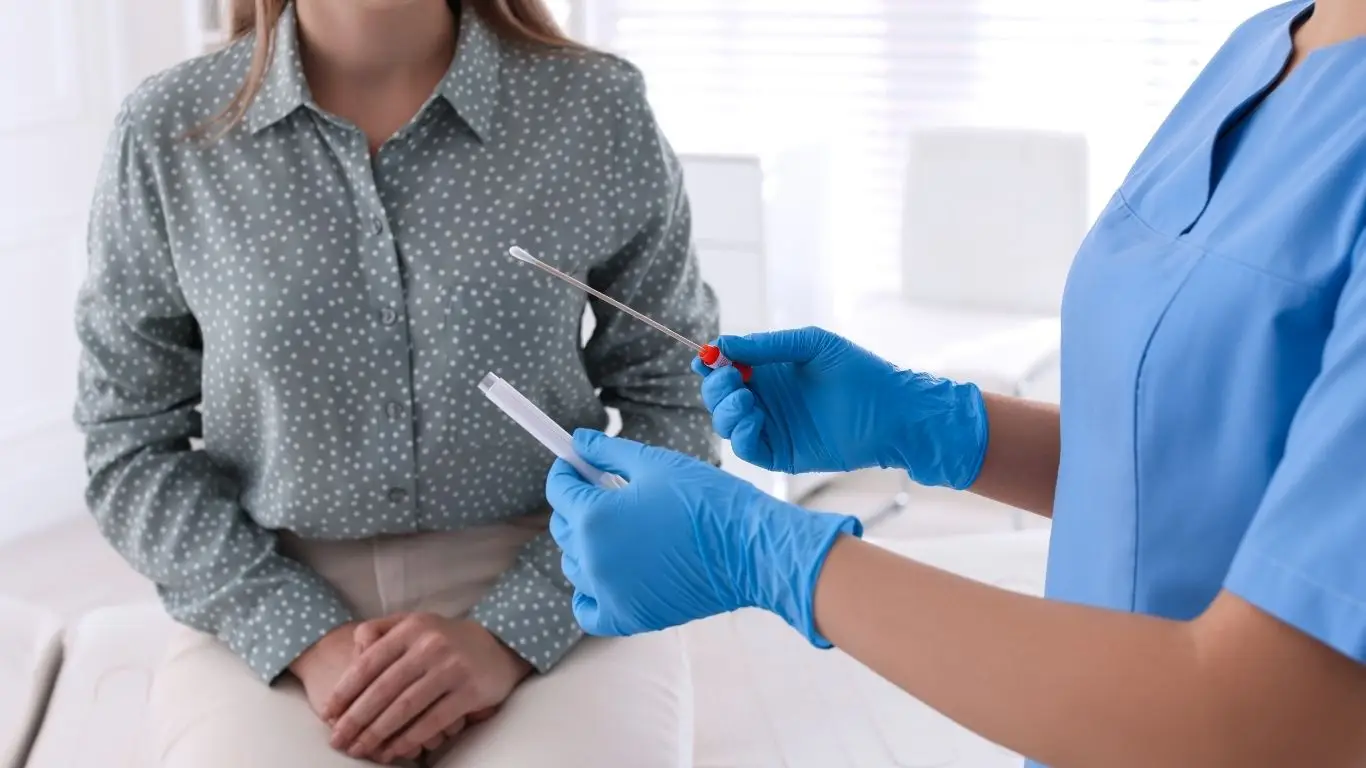
Expect a swab test (quick and painless) and possibly prescriptions like metronidazole or clindamycin. I was nervous about the side effects, but they cleared my symptoms in days.
Takeaway: You’ve Got Options—and Control

I wish I had known all this when I first Googled “weird vaginal odor.” Whether it’s your first time dealing with BV or your fifth, don’t panic. The best over the counter treatment for BV is the one that fits your lifestyle, supports your vaginal health long-term, and doesn’t make you feel worse in the process.
For an even deeper understanding of BV treatment plans, from prescriptions to natural remedies, this resource breaks it all down in a way that’s clear, actionable, and actually helpful.
And if you’re trying to understand the whole picture of bacterial vaginosis—from causes to prevention—don’t miss this ultimate guide on BV’s main pillar page.
Also check out this more specific breakdown for causes and risk factors of BV, especially if it feels like you’re constantly stuck in a loop.
Bottom line? You’ve got options—and knowledge is your strongest weapon.

Dr. Gwenna Aazee is a board-certified Internal Medicine Physician with a special focus on hypertension management, chronic disease prevention, and patient education. With years of experience in both clinical practice and medical writing, she’s passionate about turning evidence-based medicine into accessible, actionable advice. Through her work at Healthusias.com, Dr. Aazee empowers readers to take charge of their health with confidence and clarity. Off the clock, she enjoys deep dives into nutrition research, long walks with her rescue pup, and simplifying medical jargon one article at a time.