Signs That Your BV Is Coming Back And How To Catch It Early
Let me tell you — if you’ve ever dealt with bacterial vaginosis (BV), you’re probably familiar with that dreaded moment of “uh oh… is it back?” I remember feeling that way myself. Everything seems fine for a while, and then slowly, you start noticing subtle signs that feel all too familiar. It’s frustrating, confusing, and, frankly, exhausting. But recognizing the early signs that your BV is coming back can help you take control before it fully flares up again. Here’s what to watch for, from someone who’s been through it.
That Unmistakable Odor Again?

One of the most obvious (and annoying) signs is that fishy vaginal odor. It’s often the first clue something’s off. You might notice it more after sex or during your period — two triggers that many of us with recurring BV recognize all too well.
And here’s the kicker: even if you’re super clean, the odor isn’t about hygiene. It’s more about that shift in pH and imbalance in your vaginal bacteria. If that distinct smell returns, it’s a good idea to pay attention.
More on this? You might want to check out BV and vaginal odor for a deeper dive.
Changes in Discharge That Don’t Feel Right

If you’ve had BV before, you probably learned what your “normal” discharge looks like. When it starts changing — maybe it turns thin, grayish, or just more than usual — that’s another warning sign.
I remember spotting it early once. No itch, no irritation, but something was different. And sure enough, BV was creeping back. I acted fast that time, and it made a difference.
Explore this more in the article BV discharge color and texture.
Mild Discomfort (Or None at All)

Here’s the tricky part: Bacterial vaginosis doesn’t always scream for attention. In fact, it often whispers. You might not feel itching or burning. Sometimes, it’s just a slight discomfort, or nothing at all, and you only realize something’s off because of smell or discharge changes.
Honestly, I used to think that if there was no pain, it couldn’t be BV. Big mistake. Learn from that one. BV can be stealthy, and subtle signs are still signs.
Wondering if no pain means no problem? This piece helps: BV pain or no pain.
After Sex… Something Feels Off

This one hits home for a lot of women. After sex — especially unprotected — symptoms return. That’s not in your head. Semen can raise vaginal pH, which feeds the bad bacteria behind BV. If your symptoms flare up consistently after intimacy, you might be catching it early.
I used to brush this off, but once I started tracking when BV came back, the pattern was obvious. And that helped me change how I managed things with my partner.
There’s a great resource for this too: BV and sexual activity.
It Happens Around Your Period
Many women report that their BV symptoms start right after their period ends. It’s believed that menstrual blood temporarily alters the vaginal pH, making it a bit easier for BV to creep in.
So if you notice that every month, a few days after your period, the familiar signs start to appear, you’re not alone. And no, it’s not just bad luck — it’s a pattern worth noting.
Find out more about this timing in BV after menstruation or periods.
Self-Diagnosis or a Doctor’s Call?

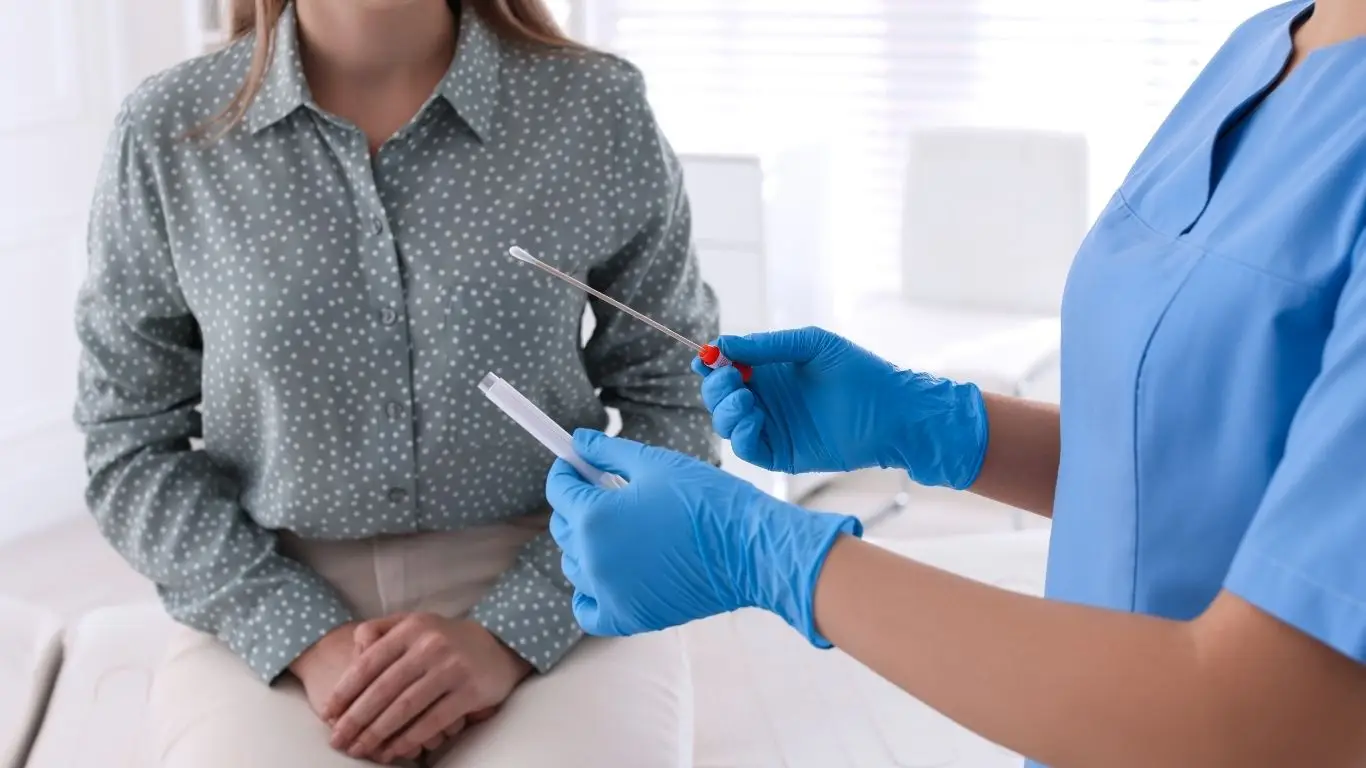
I’ll be honest — I’ve done the whole “Google my symptoms” thing more times than I’d like to admit. And sometimes I got it right, sometimes not. But now, I know what to look for and when it’s time to actually call my gyno.
There are home test kits too, but they’re not perfect. Still, recognizing recurring patterns — like odor, discharge, or symptoms flaring up with sex or periods — gives you a head start.
Looking to understand more about self-checking your symptoms? Check this out: Can I self-diagnose BV?
Recurring BV Is More Common Than You Think

This is the part nobody told me at first — recurring BV happens to a lot of us. You’re not alone. It’s not always about hygiene or doing something “wrong.” Sometimes, it’s about your body’s natural balance needing a little more support.
I started digging into better prevention routines, changed some habits, and even reviewed how diet and stress affect my health. Little changes made a big difference.
For in-depth prevention insights, this guide helped me a lot: Recurring BV causes and prevention
And if you’re just getting started on understanding BV fully, I highly recommend checking the main BV article at healthusias.com/bacterial-vaginosis/ and this comprehensive breakdown of BV symptoms and signs.
Some external perspectives from places like cdc.gov, mayoclinic.org, or ncbi.nlm.nih.gov can give you deeper science-based insights too.
Why BV Keeps Coming Back (Even When You Think It’s Gone)

This is what drove me crazy for the longest time — I’d go through the antibiotics, things would clear up, and boom — a few weeks later, it was back like it never left. At first, I thought I was doing something wrong, but turns out, it’s not just me.
The reality is that BV recurrence is super common. Some studies say over 50% of women will experience it again within 12 months. Why? Well, sometimes treatment kills off too much good bacteria, not just the bad. And without the good guys holding the line, BV bacteria can sneak right back in.
If you’re wondering why this happens even after “successful” treatment, this read helped clarify a lot for me: BV relapse after antibiotics.
Stress, Diet, and Lifestyle Play a Bigger Role Than You Think

I used to underestimate how much lifestyle mattered. I was eating sugar like it was a food group, barely sleeping, and living in a cloud of stress — no wonder my BV kept making surprise comebacks.
Turns out, things like diet, stress, even what kind of underwear you wear can all mess with your vaginal microbiome. For example, high-sugar diets feed bad bacteria. Constant stress lowers your immunity. Tight, non-breathable underwear? Recipe for imbalance.
Changing just a few habits (and trust me, I started small) helped me cut down my BV flare-ups drastically. These pages were super helpful when I started digging deeper:
Partner Treatment – Should You Consider It?

This one’s controversial — doctors don’t always agree. But I’ll say this: once I had an honest convo with my partner and we both made changes (including condoms and hygiene routines), I noticed way fewer flare-ups.
Some women find that their BV only returns after sex with the same partner. If that’s you, you’re not imagining things. While BV isn’t officially an STD, it can be influenced by partner bacteria and habits.
This post really breaks it down well: Do I need to treat my partner for BV?.
Natural Remedies That Actually Help (When Used Right)

Let me be clear — I’m not against medication. But I also believe in giving your body what it needs to fight back naturally. After trying way too many things, I finally found that probiotics, apple cider vinegar baths (carefully), and tea tree oil suppositories helped me maintain balance — especially between flare-ups.
Probiotics were the real game changer. I now take a vaginal-specific strain regularly, and it’s made a noticeable difference. Of course, not all remedies work for everyone, and it’s smart to talk to your doctor before going full DIY.
If you’re curious to explore natural support, I found these especially informative:
How I Built My Own “BV Prevention Toolkit”

After dealing with recurring BV for what felt like forever, I started tracking everything — symptoms, triggers, food, cycle timing, even stress levels. Eventually, I built what I call my personal “BV Toolkit.”
Here’s what’s in mine (your mileage may vary):
- Daily probiotic – I never skip it now.
- Unscented soap – for external use only.
- Breathable underwear – no synthetic stuff.
- Sex routine – protection, and post-sex hygiene for both of us.
- Hydration + less sugar – easier said than done, but worth it.
It’s taken time and trial-and-error, but I feel more in control now than I ever did before. If you want to dive into some simple, science-backed prevention strategies, these tips are a great start.
Looking Ahead – No More Guesswork

If you’re starting to recognize the early signs your BV is coming back, trust your gut — literally and figuratively. Getting ahead of it before it takes over again is half the battle. Whether that means calling your doctor, upping your probiotic game, or tweaking your lifestyle, there’s no one-size-fits-all. But you’re not powerless.
I wish someone had told me years ago that this cycle could be broken — or at least managed — with the right info and tools. You don’t have to just live with it. Start tracking, tweaking, and taking control.
For a full overview of treatment options, this detailed resource is worth bookmarking: BV treatment options.
And if you haven’t yet, make sure to read the complete BV guide at healthusias.com/bacterial-vaginosis/ — it ties everything together from symptoms to treatment to prevention in one place.
Don’t forget this one either — especially if you’re starting to notice patterns: Recurring BV causes and prevention.
There’s always more to learn, but the more you know your body, the better you can protect it. You’ve got this.

Dr. Gwenna Aazee is a board-certified Internal Medicine Physician with a special focus on hypertension management, chronic disease prevention, and patient education. With years of experience in both clinical practice and medical writing, she’s passionate about turning evidence-based medicine into accessible, actionable advice. Through her work at Healthusias.com, Dr. Aazee empowers readers to take charge of their health with confidence and clarity. Off the clock, she enjoys deep dives into nutrition research, long walks with her rescue pup, and simplifying medical jargon one article at a time.