Why Floaters After Vivid Dreams Feel Worse in the Morning
It was around 6:00 a.m. when I sat up in bed, groggy and a little dazed from the kind of dream that lingers—vivid, surreal, and unsettling. As I blinked and tried to focus on the ceiling, those familiar translucent specs floated across my vision again. But this time, it was different. They showed up stronger, more intense, almost synchronized with the emotional whirlwind of the dream I’d just had. If you’ve ever noticed floaters dancing around right after waking from a vivid dream, you’re not alone.
Why Do Eye Floaters Appear After Vivid Dreams?
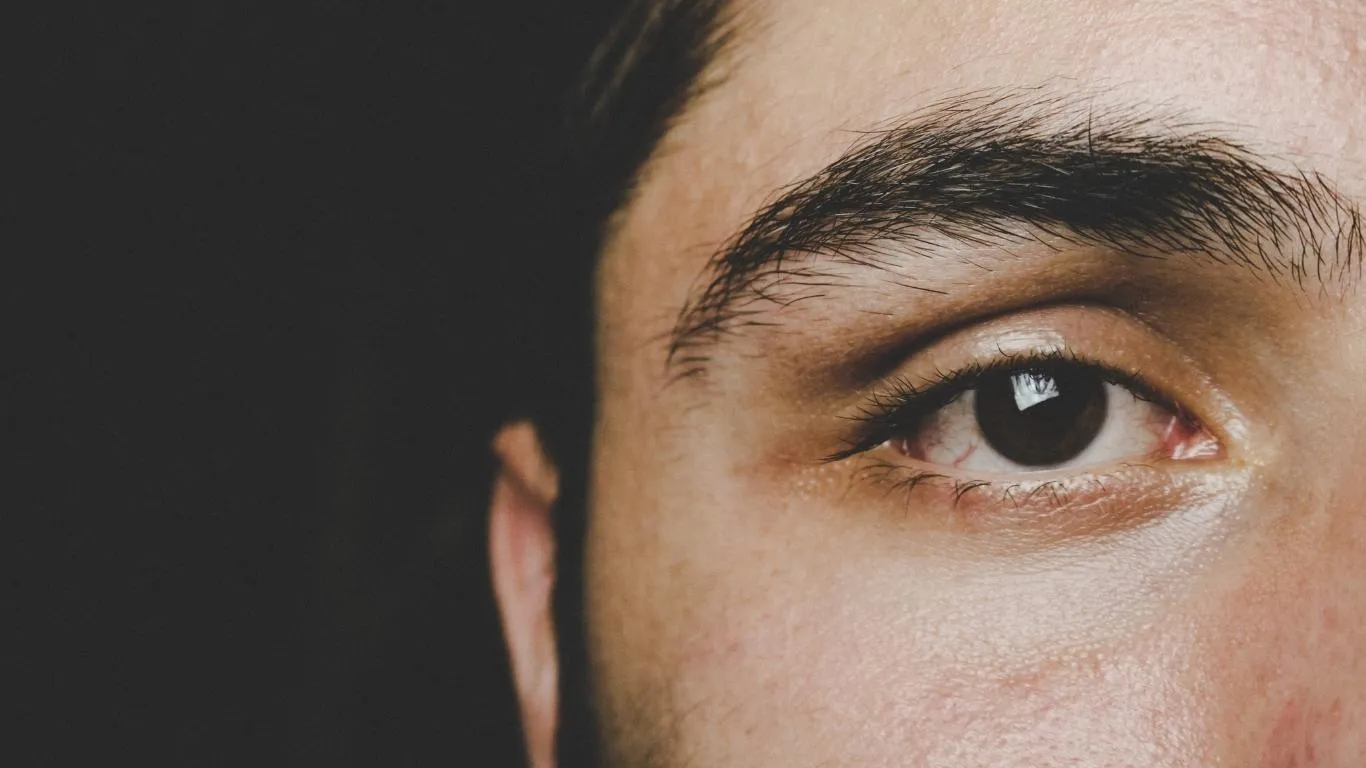
First, let’s break down what floaters really are. Eye floaters are those squiggly or cobweb-like shapes that drift around your field of vision. Most of the time, they’re harmless—just bits of collagen inside the vitreous gel of the eye—but their timing can feel oddly specific.
In my own experience, they tend to feel the most noticeable right after I wake up from a particularly intense dream. It’s like my eyes and brain are both still processing something.
The Physiology Behind It
While there’s no one-size-fits-all answer, several theories make sense. When we dream—especially during REM sleep—our bodies undergo changes in blood flow, breathing, and even eye pressure. REM stands for Rapid Eye Movement, and as the name implies, your eyes are darting back and forth under your eyelids like they’re chasing scenes in your mind. This movement, paired with temporary shifts in intraocular pressure, might be what triggers or highlights floaters.
It’s also worth noting that sleep positions—particularly if you sleep on your back or side—can affect how floaters settle and appear when you first open your eyes. That’s something I personally started tracking, and the difference was noticeable.
Link Between Vivid Dreams and Visual Disturbances
Dreams can sometimes be so emotionally and mentally intense that they lead to physical manifestations. Elevated stress hormones during the night, emotional turbulence, or even subtle eye strain from a restless night might play a role in how pronounced floaters feel in the morning.
If you’ve ever woken up with your heart racing, your muscles tight, and your mind in overdrive, those floaters might just be your brain’s visual “hangover.” Some floaters even appear to “glow” slightly or feel more vivid themselves—especially against white walls or bright windows. That’s not magic. That’s physiology.
When to Take Morning Floaters Seriously
Now, here’s where it gets real. Not all floaters are benign. If you’ve recently noticed a sudden burst of floaters after waking up, especially if it came with flashes of light or partial vision loss, don’t chalk it up to dreams. That might be your retina waving a red flag.
- Floaters that increase overnight or wake you up in the middle of sleep
- New floaters that seem to cluster in one eye only
- Floaters accompanied by shadowing or curtain-like effects
If you’ve checked off any of those, it’s smart to look deeper. Morning floaters can occasionally be linked to serious conditions like retinal bleeding or retinal tears, especially if the floaters shift rapidly or seem accompanied by other visual disturbances.
Could Your Dream Life Be Tied to Eye Health?
There’s increasing interest in the connection between brain function during dreams and the sensory systems—like vision—that often get overlooked. I’ve found that floaters appearing after emotionally charged dreams often coincide with times of higher stress, poor sleep hygiene, or even dehydration.
Curious? You’re not alone. Some recent perspectives suggest that the visual cortex may become hyperactive during REM sleep, and for those with existing vitreous issues, this may lead to a stronger post-wake floater experience. Pair that with the fact that some medications can make these floaters worse—yep, including certain antidepressants as explained here—and things start to make sense.
What You Can Do in the Moment
If you wake up and immediately spot floaters, try not to panic. Take a deep breath, adjust your lighting, and allow your eyes to slowly adapt. A few small things have helped me:
- Hydration first thing in the morning—floaters feel worse when my eyes are dry.
- Avoiding bright lights right after waking—sunlight or phone screens can amplify them.
- Blinking slowly and letting the floaters “drift” away—this weirdly helps.
If they’re persistent, or if you notice more appearing each morning, you may want to read more on whether post-surgical or age-related changes are at play. It’s a deeper rabbit hole than you’d think.
Underlying Conditions You Might Not Expect
Here’s where E-E-A-T (Experience, Expertise, Authoritativeness, Trustworthiness) really matters. According to ophthalmologists from aao.org and data cited by mayoclinic.org, vivid dreams themselves aren’t dangerous, but the floaters they might trigger could be indicators of systemic conditions. From high blood pressure to diabetic eye changes, your nighttime visuals may be whispering truths about your overall health.
To better understand whether your floaters are harmless or something deeper, it’s worth comparing with common causes discussed in this comprehensive article. It’s one of the most thorough breakdowns I’ve come across and helped me piece together patterns I never noticed before.
And if you’re just getting started learning about floaters overall, this piece on what they are and why they matter is a great foundational read.
Why They Seem Worse After Vivid Dreams—Even if They’re Not New
One thing I noticed early on is how much more noticeable floaters become in certain light. After vivid dreams, the first thing I usually see is my white bedroom ceiling—prime real estate for floaters to show themselves. But here’s the kicker: they’re not always new. They just seem more obvious.
According to recent insights on floaters visible only in morning light, this sudden visibility is usually due to dilated pupils shrinking quickly, light hitting the vitreous more directly, and our visual sensitivity being heightened after sleep. That tracks with my personal experience. My floaters aren’t necessarily multiplying; I’m just more likely to notice them in that groggy, overstimulated half-sleep state.
Stress and Anxiety—The Hidden Multipliers
Let’s not ignore the role that stress and mental strain can play. Dreams themselves are often fueled by unresolved anxieties, and the body responds in kind. During particularly stressful weeks, I’ve woken up with more intense floater episodes—sometimes even paired with minor eye twitching or pressure.
If you’ve ever asked, can anxiety really trigger floaters?, the short answer is yes. Cortisol levels affect fluid balance and inflammation, which can make existing floaters worse—or at least more noticeable. And let’s be real, stress + poor sleep + vivid dreams? That’s a perfect storm.
How to Reduce the Impact of Floaters After Vivid Dreams
Here’s what’s worked for me—and others—when floaters become part of your morning routine:
- Keep room lighting dim right after waking. Sudden brightness exaggerates floaters.
- Use artificial tears. Dry eyes can make floaters seem more intense.
- Try gentle eye movements. Moving your eyes slowly from side to side helps floaters shift out of the center.
- Take a hydration-first approach. I keep a bottle next to the bed now. It’s made a difference.
- Improve sleep quality. Poor sleep is a major contributor to floater intensity after dreaming.
There are also specific vitamins and supplements that have shown promise for vitreous health. If this interests you, look into collagen-supporting supplements for the eyes and natural vision-boosting nutrients.
When Floaters and Vivid Dreams Become a Pattern
If you’ve tracked your sleep and floater patterns like I have, you may start seeing correlations—certain foods, sleep positions, stress levels, or even allergy flare-ups that coincide with intense dreams and more visual clutter.
One thing that surprised me: Floaters can be more active in people who experience hormonal fluctuations. I noticed this during a period of burnout and hormone imbalance, and sure enough, there’s support for it in pieces like this breakdown. Even dehydration from overnight sweating or excessive screen time the night before can amplify your morning floaters.
Tracking Your Floaters (Yes, Really)
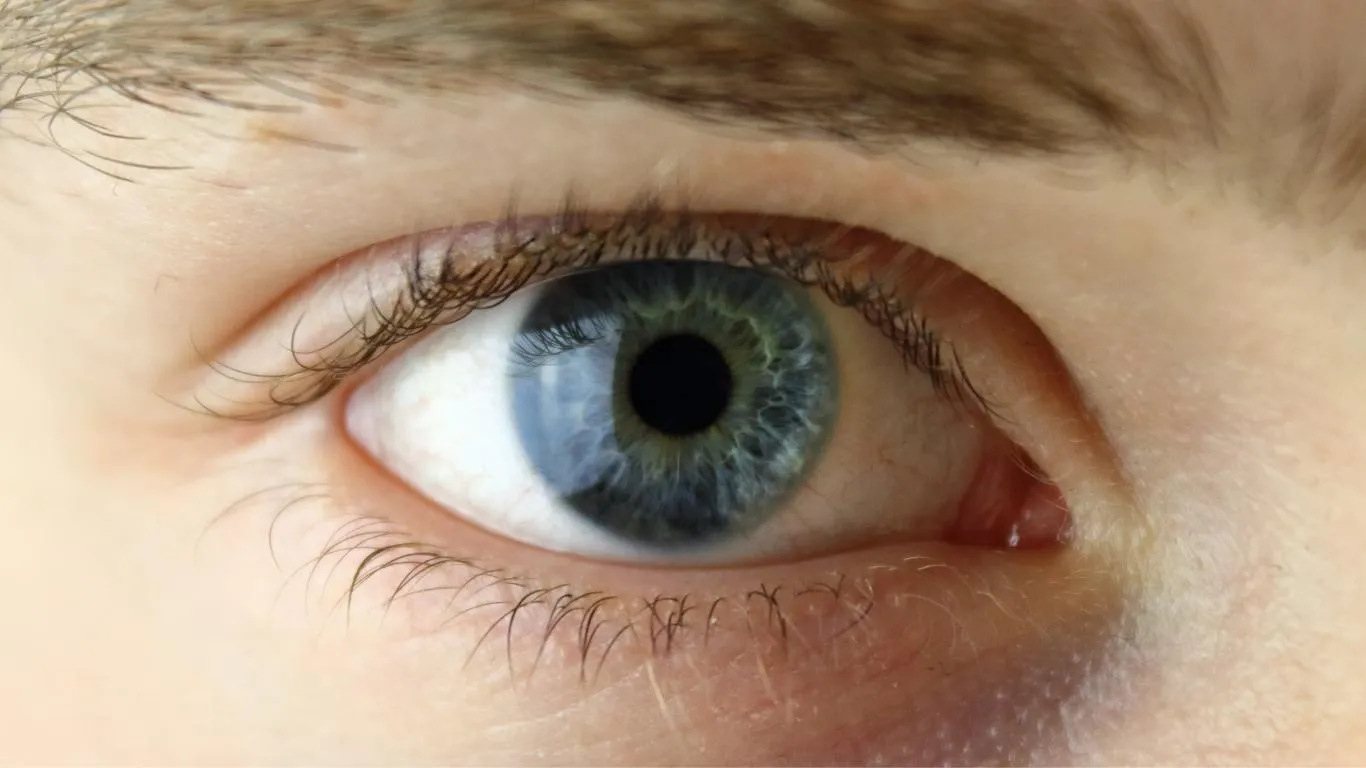
Okay, I know this might sound a bit extra—but tracking your floaters is actually pretty helpful. I started doing this after I read about how early tracking can reveal red flags before anything serious happens.
Here’s how I do it:
- Note how intense they are (mild, moderate, heavy)
- Describe the shapes (dots, threads, cobwebs, etc.)
- Log how vivid the dream was and any emotional triggers
- Track whether they improved or worsened after blinking and light exposure
This helped me realize that some floaters were just stress-induced or angle-dependent, while others stayed too long and needed a closer look. It also helped my eye doctor understand my visual history better.
Could Floaters Be a Warning Sign?
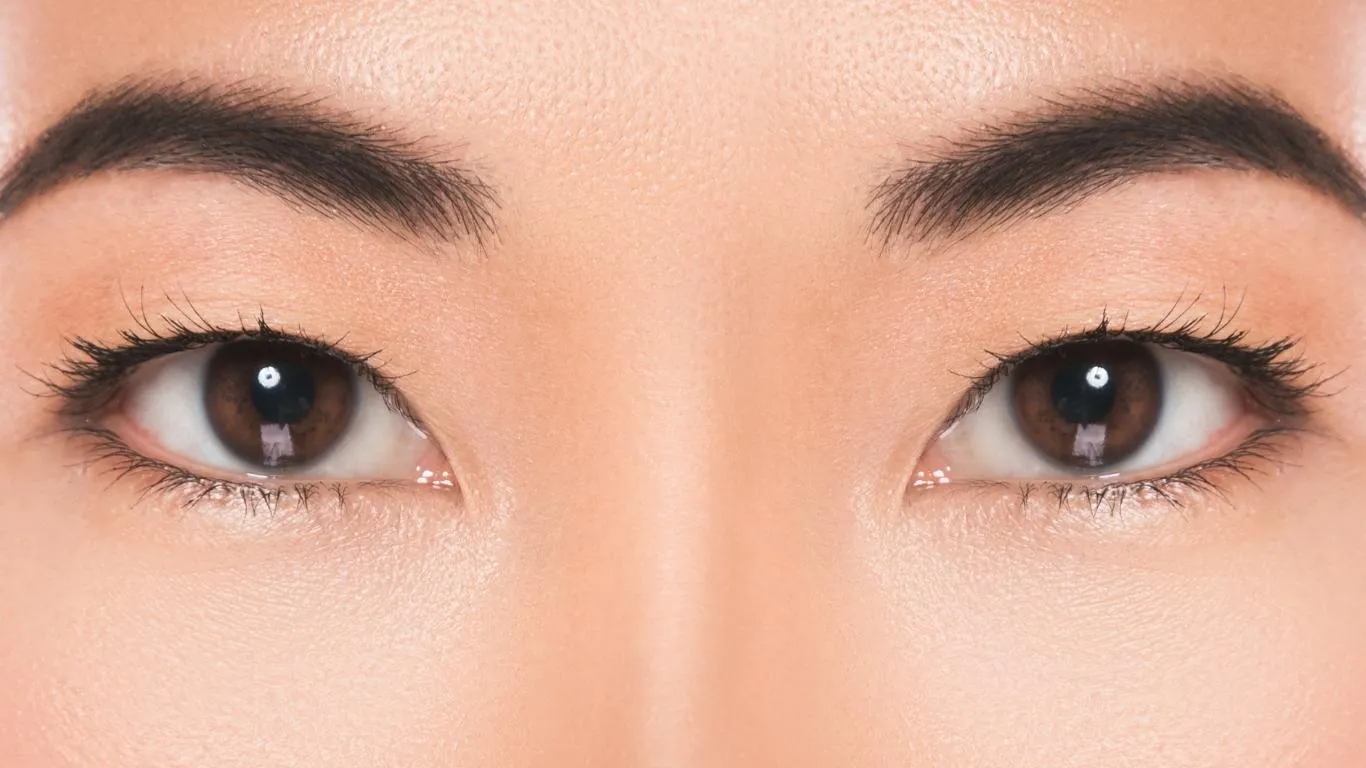
Floaters after waking from vivid dreams usually aren’t dangerous, but they shouldn’t be dismissed either. Particularly if they come with headaches, dizziness, or dark spots in your vision. The issue could be more than just sleep-related and might point to something retinal or systemic.
If you’re unsure, this resource on how to spot dangerous floaters is extremely helpful and might save you from delaying care. And for more general but incredibly thorough information, don’t miss this main guide on everything you need to know about floaters.
When to See a Specialist
Reach out to your eye care provider if:
- You suddenly experience a shower of floaters after waking
- You see flashes of light along with them
- Your central or peripheral vision is affected
- You feel pressure behind your eye or persistent discomfort
It’s always better to be cautious. Even if it turns out to be nothing, you’ll sleep better—and dream better—knowing your vision is safe.
Taking Control of Morning Floaters
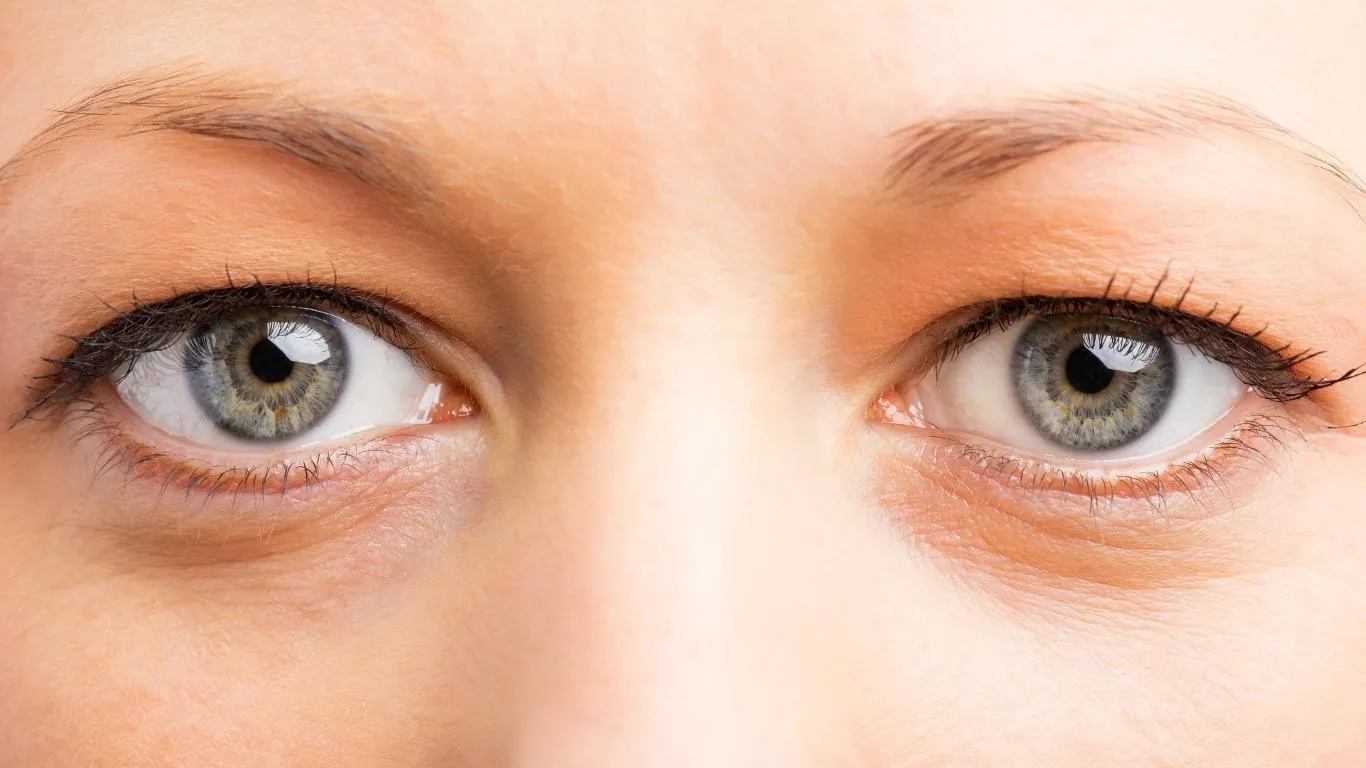
If I’ve learned one thing from waking up with floaters post-dream, it’s this: you don’t have to just live with them passively. From tweaking your hydration and screen time habits to tracking patterns and getting regular checkups, floaters can be managed—even if they don’t fully disappear.
And if you’re ready to dive deeper into how floaters differ from other visual issues, I highly recommend exploring this detailed breakdown. It cleared up a lot for me—literally and figuratively.
So the next time you wake up after a dream that feels like a movie and notice those specs drifting by, take a moment. Your eyes might be telling you more than you think.

Camellia Wulansari is a dedicated Medical Assistant at a local clinic and a passionate health writer at Healthusias.com. With years of hands-on experience in patient care and a deep interest in preventive medicine, she bridges the gap between clinical knowledge and accessible health information. Camellia specializes in writing about digestive health, chronic conditions like GERD and hypertension, respiratory issues, and autoimmune diseases, aiming to empower readers with practical, easy-to-understand insights. When she’s not assisting patients or writing, you’ll find her enjoying quiet mornings with coffee and a medical journal in hand—or jamming to her favorite metal band, Lamb of God.