Prevent Back Pain While Hiking Uphill With These Lumbar Support Tips
Ever tried hiking uphill and halfway through, your lower back starts screaming in protest? Yeah, been there. I remember one trail in the Rockies — what started as a refreshing escape ended with me hunched over a rock, regretting every step. That’s when I got serious about lumbar support. Whether you’re a weekend warrior or a seasoned trekker, learning how to protect your lower back on steep inclines can be a total game-changer.
Why Uphill Hiking Wreaks Havoc on Your Lower Back

Hiking uphill demands more from your glutes, hamstrings, and lower back muscles than walking on flat ground. The incline forces your posture to shift, often pulling your pelvis forward. Without adequate support, this places tremendous strain on your lumbar spine. I learned the hard way that even fit hikers can suffer if their biomechanics aren’t in sync.
The Chain Reaction of Bad Form
When your glutes are weak or underused (and trust me, desk jobs make this almost a guarantee), your lower back tries to compensate. That leads to muscle imbalances, tight hip flexors, and eventual strain on the lumbar area. And on a long incline? That compensation gets exaggerated.
- Poor posture increases disc compression
- Hamstring tension pulls on the pelvis
- Forward lean increases spinal stress
How Lumbar Support Changes the Game

Let’s be real — “lumbar support” sounds like something your grandpa wears. But once I tried a hiking-specific back brace, I was blown away by how much longer I could hike without pain. It’s not just about support; it’s about alignment, fatigue reduction, and pressure distribution.
Key Benefits of Using Lumbar Support on Inclines
- Stability: It reinforces core engagement and minimizes unnecessary spinal motion.
- Posture: Promotes upright form, preventing the classic “hunch and grind” move uphill.
- Endurance: Less fatigue in your back means more energy for your quads and glutes to power through.
Depending on your body mechanics, the right lumbar device can mean the difference between a strong finish or bailing halfway through the hike. For more on supportive gear, I highly recommend checking this out: Best Back Braces for Support.
Choosing the Right Lumbar Support for Hiking

Not all lumbar supports are created equal. Hiking gear has to breathe, flex, and work with your body—not against it. I learned quickly that bulky neoprene belts meant for gym lifting don’t cut it when you’re dripping sweat and climbing switchbacks.
What to Look For
- Breathability: Mesh panels and sweat-wicking fabric are must-haves.
- Adjustability: Compression straps allow you to adapt on the trail as your needs change.
- Lightweight design: The support should feel like an assist, not a burden.
Pair your support with a hiking pack that includes a structured hip belt — something like this: Ergonomic Gear That Works. It offloads weight and works synergistically with your lumbar brace.
Form Matters: Your Body Is Your Gear

One mistake I made early on was relying too much on gear and not enough on posture. When hiking uphill, your walking mechanics matter as much as your boots.
Posture Tips That Saved My Back
- Keep your chest up and eyes forward — it cues better spinal alignment.
- Shorten your stride to keep your hips under your body.
- Engage your glutes on each step — it offloads lumbar tension.
Want to know if your glutes are really doing their job? Start here: Weak Glutes and Lower Back Strain.
Don’t Skip Conditioning – Hike Stronger, Not Harder

No amount of gear can replace a strong posterior chain. I started adding 10-minute glute and core routines before long hikes, and the difference was wild. My back felt lighter, my steps more efficient, and I could hike longer without breaks.
Essential Strength Moves for Support
- Glute bridges
- Bird dogs
- Side planks with hip raises
- Hip thrusts
All simple, no equipment needed. If you’re looking for a guide on how movement can rebuild your spine’s health, this page breaks it down beautifully: Exercise, Rehab & Ergonomics.
For broader insight into how back pain ties into all aspects of your health and lifestyle, don’t miss the main guide on Back Pain Overview. It gives you the full map before you zoom into trails like this one.
And if you’re navigating uphill pain regularly, this article on back pain in runners is packed with gems, even if you’re more into boots than sneakers.
Trust me, with a little prep and smart support, your next uphill hike doesn’t have to come with a side of agony. Your spine will thank you.
After finally learning how to hike uphill without wrecking my lower back, I realized the work doesn’t stop on the trail — it starts before and continues after. If you’re serious about hiking longevity and avoiding that dreaded lumbar flare-up, dialing in recovery, prep routines, and lifestyle tweaks is just as essential as your gear setup.
Pre-Hike Habits That Save Your Spine

Before I got intentional, I’d throw on a pack and hit the incline cold — big mistake. Once I started activating my core and stretching key muscle groups before a climb, I noticed immediate relief during the hike. Don’t wait until you’re already hiking to get your body online.
What Works (And What Doesn’t)
- Dynamic warmups like leg swings, bodyweight squats, and glute kicks = yes
- Static hamstring stretches before hiking = no (save those for after)
- 5 minutes of core engagement = game-changer
For folks dealing with persistent tightness or recurring issues, this deep dive into tight hamstrings and back pain was a total eye-opener.
Post-Hike Recovery: Undo the Damage Before It Settles In

I used to ignore recovery until I could barely get out of bed the next day. Now, I never skip it. The 30 minutes after a hike are prime time to reset your spine and muscles before inflammation takes root.
Simple, Effective Post-Trail Ritual
- Stretch your hip flexors and calves — they’re the unsung villains of back tightness
- Use a foam roller on your glutes, thoracic spine, and quads
- Apply alternating hot/cold therapy to reduce inflammation fast
Curious how hot vs. cold therapy actually works? This page gets into the details: Hot vs. Cold Therapy for Back Pain.
Footwear & Ground Contact: Don’t Let Your Shoes Sabotage You

You wouldn’t think your shoes are connected to your back, but ask any podiatrist and they’ll confirm: your feet are your shock absorbers. I swapped out my old hiking boots for a pair with real arch support and noticed I could hike longer without my back tensing up.
Foot Choices That Impact Your Spine
- Rigid soles that prevent ankle fatigue
- Mid-foot cushioning for steep descents
- Orthotic inserts if you have flat feet
Learn how flat arches can cause more than just foot pain here: Flat Feet and Back Pain.
Strength Beyond the Trail: Train Off-Hike for Real Results
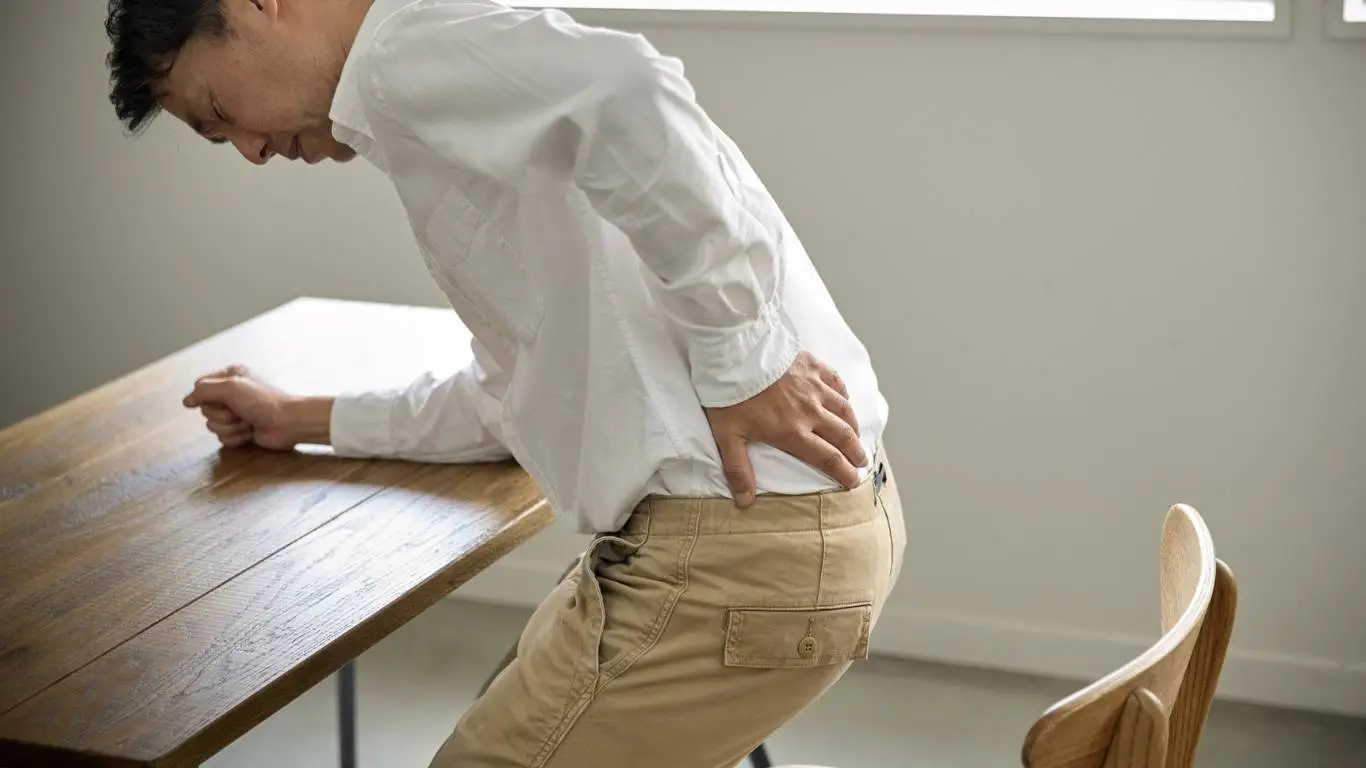
Weekend hikes aren’t enough. If you really want to protect your lumbar spine, regular strength training is non-negotiable. I keep it simple — 20 minutes, 3x a week — focusing on glutes, core, and hip mobility.
Exercises I Swear By
- Romanian deadlifts (light weights, high reps)
- Walking lunges with a pack
- Pallof press for anti-rotational core strength
- Hip circles and lateral band walks
Curious about how strength and flexibility directly influence back mechanics? This resource breaks it down well: Exercise & Ergonomics for Back Pain.
Nutrition & Supplements: Fuel Recovery From the Inside

I used to think back pain was purely mechanical — until I cleaned up my diet and added key supplements. Less sugar, more omega-3s, magnesium, and turmeric, and boom — inflammation dropped noticeably, especially after steep hikes.
Hiker’s Anti-Inflammatory Staples
- Wild salmon, walnuts, and flaxseeds
- Turmeric with black pepper extract
- Magnesium glycinate (not oxide — trust me)
- Vitamin D, especially in colder seasons
This nutritional guide dives deeper into why it works: Anti-Inflammatory Diet for Back Pain.
Fixing Everyday Habits That Undo Trail Progress

I’d hike all weekend and then slump at my desk for 40 hours. No surprise my progress stalled. What you do Monday to Friday affects how your back feels on the trail Saturday morning. Small ergonomic shifts at home and work add up fast.
Daily Wins That Add Up
- Raise your laptop to eye level
- Add a lumbar support cushion to your chair
- Alternate between sitting and standing every hour
- Stretch for 3 minutes every 90 minutes of sitting
Set yourself up for success with tips from this solid guide: Standing Desks for Back Health.
The Mental Side: Stress and Hiking Pain Are Linked

Stress tightens everything — especially your lower back. I started incorporating mindful breathwork and short meditation sessions before and after hikes, and surprisingly, it helped not just mentally but physically too.
Mind-Body Practices That Help
- Box breathing before a climb
- Walking meditation during flat segments
- Gratitude journaling post-hike
Sounds woo-woo, but the science is solid. Here’s one that dives into the mental side: Mindfulness for Pain.
Need a full view of how mental and emotional factors connect with physical back symptoms? This page is incredibly insightful: Mental & Emotional Aspects of Back Pain.
If you’re still piecing together your complete strategy for conquering back pain, don’t miss the broader overview: Understanding Back Pain. It’s the hub I wish I found when I started this journey.

Camellia Wulansari is a dedicated Medical Assistant at a local clinic and a passionate health writer at Healthusias.com. With years of hands-on experience in patient care and a deep interest in preventive medicine, she bridges the gap between clinical knowledge and accessible health information. Camellia specializes in writing about digestive health, chronic conditions like GERD and hypertension, respiratory issues, and autoimmune diseases, aiming to empower readers with practical, easy-to-understand insights. When she’s not assisting patients or writing, you’ll find her enjoying quiet mornings with coffee and a medical journal in hand—or jamming to her favorite metal band, Lamb of God.