Simple Tips for Calming Anxiety Before Bedtime That Actually Work
Last night, I stared at the ceiling for what felt like hours. My mind was racing, rehashing awkward conversations from three weeks ago and imaginary deadlines that don’t even exist. If you’ve ever found yourself stuck in this spiral right before bed, you’re not alone. Calming anxiety before bedtime isn’t just about sleeping better—it’s about protecting your mental health and waking up without that tight-chested, foggy-headed hangover. So, let’s break down some genuinely effective tips that don’t sound like they came from a self-help bingo card.
Why Anxiety Gets Worse at Night
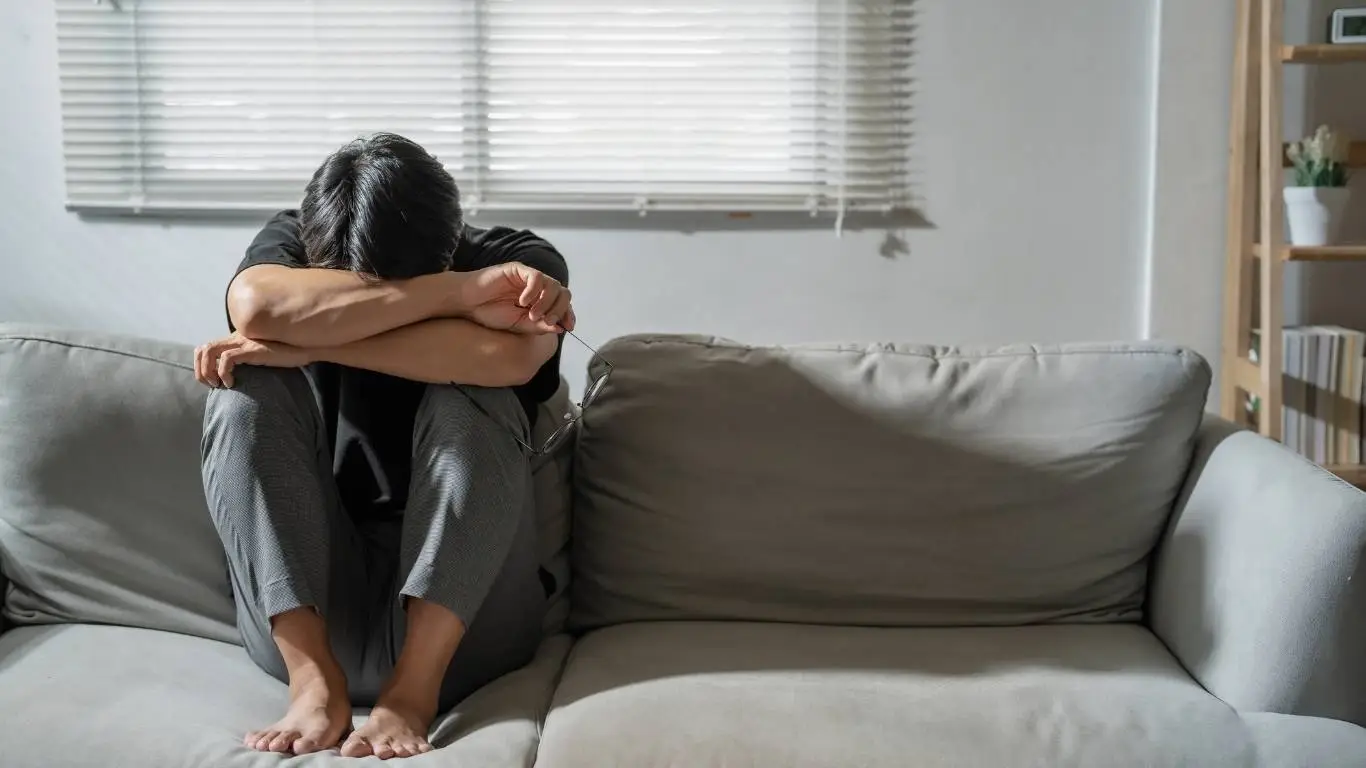
There’s something about the stillness of nighttime that turns up the volume in your head. Throughout the day, distractions like work, errands, and even traffic keep you from overthinking. But at night? It’s just you and your thoughts, and that’s often when anxiety kicks into overdrive.
It’s Not Just in Your Head (Well, Sort of)
During the day, cortisol—the body’s stress hormone—keeps you alert and “functional.” But at night, as melatonin rises and things wind down, your brain shifts gears. For people with anxiety, that’s the green light for worry mode. Your brain starts solving problems that don’t exist—on repeat.
And here’s the kicker: your body doesn’t know the difference between real danger and made-up scenarios. It’ll respond either way—with a racing heart, shallow breath, and that awful pit in your stomach.
Breathing Exercises That Actually Work

Okay, I used to roll my eyes at breathing exercises. But the night I had a panic episode so bad I thought I was having a heart attack, I tried box breathing. And it worked.
- Inhale for 4 seconds
- Hold for 4 seconds
- Exhale for 4 seconds
- Hold for 4 seconds
It’s called box breathing and it helps reset your nervous system. Bonus tip? Do it lying on your back with one hand on your chest and the other on your belly.
Rewiring Your Bedtime Routine

Your body and mind love routine. But if your current routine includes scrolling news headlines or mentally rehashing your to-do list, you’re unintentionally priming your brain for anxiety.
Try These Night Rituals
- Dim the lights an hour before bed
- Use calming scents like lavender or sandalwood
- Drink a warm, caffeine-free tea like chamomile or lemon balm
- Set a “worry time” earlier in the evening to brain-dump your stress
One underrated tactic? Avoid doomscrolling. Your nervous system absorbs more than you think, and late-night digital overload can fuel nighttime anxiety more than you realize.
Foods and Supplements That Help Calm Your Mind

I never thought food played a role until I started tracking my evening habits. Turns out, sugar and caffeine—even from late afternoon—were ruining my nights.
Here are a few calming options:
- Magnesium-rich foods like spinach, almonds, and bananas
- Magnesium glycinate supplements (ask your doctor first!)
- Omega-3s from fatty fish or flaxseed
Also, cutting back on alcohol—no matter how relaxing it feels—is a game-changer. Alcohol messes with sleep quality and makes anxiety worse.
The Link Between Sleep Hygiene and Anxiety

Let me be real—I didn’t even know what “sleep hygiene” was until I Googled it at 2:30 a.m. Turns out, it’s everything from room temperature to your mattress comfort level.
Quick Fixes That Make a Big Impact
- Keep your room cool (65°F is ideal)
- Use blackout curtains or a sleep mask
- White noise machine or calming playlists
- Stick to consistent sleep and wake times—even on weekends
Many people overlook how crucial the environment is. Even small tweaks—like a weighted blanket—can reduce bedtime anxiety significantly. You can dive deeper into this in our lifestyle & self-help guide for anxiety.
Let Go of Perfectionism Before Bed

Here’s a trap I fell into: trying to perfect my sleep routine. I’d stress about falling asleep fast, then stress that I was stressing. Sound familiar?
That’s when I started using journaling prompts focused on releasing control. One question I ask myself nightly is: “What can wait until tomorrow?”
Honestly, most things can. Including your inner critic.
If you’re ready to go deeper into understanding how anxiety worms its way into your daily life—even when you’re not paying attention—check out our main guide on hidden anxiety patterns. You may also want to explore how diagnosis works if your symptoms are frequent and disruptive.
More practical bedtime strategies—like managing anticipatory anxiety and calming your nervous system naturally—are coming up next.
How Movement Before Bed Can Calm a Stressed Mind

This one surprised me. I used to think any kind of exercise close to bedtime would wake me up more. But light, slow movement—like stretching or a short walk—actually helps burn off leftover stress hormones like adrenaline.
Now, I do a 10-minute wind-down yoga flow on most nights. Just a few cat-cows, forward bends, and hip openers, nothing too wild. And it works. Pairing it with some deep breathing makes it even more grounding. If yoga’s not your thing, even a quiet, slow-paced walk around your block helps reset your nervous system.
Learn more about how yoga directly supports anxiety reduction through calming your mind-body connection.
Cutting Through Nighttime Overthinking

Overthinking used to be my entire night. One comment from earlier in the day? Boom. An hour replaying it in my head. What helped was learning the difference between problem-solving and rumination.
Quick Way to Snap Out of the Spiral
Here’s what works: Write down what’s on your mind in a notebook—but limit it to five minutes. After that, close the book. This signals your brain that it’s been heard. You’ve addressed it. No more circles.
CBT (Cognitive Behavioral Therapy) has powerful tools for managing this kind of thinking. I started recognizing how distorted some of my thoughts were—like assuming the worst-case outcome 100% of the time. Here’s a practical guide to these steps: CBT techniques that actually work.
The Role of Light Exposure in Nighttime Anxiety

This is a total game-changer I wish I had known sooner. Your brain is deeply sensitive to light, especially blue light. It messes with your melatonin production and basically tells your body, “Hey! It’s still daytime!”
Switching to warm or red-toned lighting in the evening helped calm my nervous system way more than I expected. Also, avoid that last scroll on your phone. If you must check something, turn on night mode and keep the screen at eye level to reduce overstimulation.
This ties closely to maintaining proper evening nutrition and light hygiene habits that support better sleep and less anxiety.
Natural Tools That Don’t Feel Gimmicky

I’m cautious about “natural remedies” that sound too good to be true. But a few actually stuck and became part of my routine—not because I wanted to go all holistic, but because they quietly worked.
- Aromatherapy: Lavender, vetiver, and bergamot oils (diffused or dabbed on wrists)
- Probiotics: Gut health has a stronger impact on mental health than I ever realized
- CBD Oil: Low-dose tinctures under the tongue help some people, myself included
There’s also progressive muscle relaxation—tensing and relaxing your muscles one by one. It’s weirdly meditative and stops you from getting stuck in your head. Here’s how to do it right.
Building a Sleep-Safe Environment When You’re Anxious

After trying all these internal strategies, I realized I needed to audit my space too. There’s no calming down in a cluttered, noisy, overlit room. Here’s how I simplified my sleep space:
- Decluttered nightstands and removed digital clocks
- Invested in blackout curtains (total game-changer)
- Kept colors warm and earthy—navy blue, soft beige, forest green
It’s also worth considering a weighted blanket. I didn’t think I’d like one until I tried it. The sensation of light pressure helped signal safety and calm. For more sensory regulation ideas, this article on daily life anxiety patterns helped me connect the dots.
What I Learned from Doing the Opposite

One night, in frustration, I did the exact opposite of what I’d been trying. I turned off all the apps, ignored every “sleep hack,” and sat outside under the stars. It reminded me that sometimes the best solution is the simplest one: create quiet, create stillness, and don’t force yourself to feel calm.
That’s the thing about anxiety—it doesn’t like being forced out. It needs space, acknowledgment, and time. If that sounds familiar, I highly recommend reading more about the underlying causes we often overlook.
When You’ve Tried Everything and Still Feel Wired

If you’ve done all the things—cut caffeine, dimmed the lights, done the breathwork—and still feel like your brain’s a noisy freeway, you’re not broken. Sometimes, sleep anxiety is a deeper issue tied to trauma, neurochemical imbalance, or high-functioning anxiety you didn’t realize you had.
In these cases, therapy can make all the difference. I finally got tired of managing it all solo and booked a session with a trauma-informed therapist. It took three tries to find the right one—but it changed everything.
Also, consider checking out our main anxiety awareness guide to explore how seemingly small symptoms may point to larger patterns.
There’s no perfect bedtime formula, and not every tip will work for everyone. But over time, experimenting gently, honestly, and with compassion can turn sleep from a nightly war zone into something you look forward to again.

Camellia Wulansari is a dedicated Medical Assistant at a local clinic and a passionate health writer at Healthusias.com. With years of hands-on experience in patient care and a deep interest in preventive medicine, she bridges the gap between clinical knowledge and accessible health information. Camellia specializes in writing about digestive health, chronic conditions like GERD and hypertension, respiratory issues, and autoimmune diseases, aiming to empower readers with practical, easy-to-understand insights. When she’s not assisting patients or writing, you’ll find her enjoying quiet mornings with coffee and a medical journal in hand—or jamming to her favorite metal band, Lamb of God.