Why Floaters After Deep Breathing Exercises May Signal a Problem
Floaters after deep breathing exercises — yeah, sounds random at first, right? I used to think so too. I mean, how could something as calming and restorative as deep breathing mess with your eyes? But after experiencing a weird swarm of floaters after a yoga session, I found myself asking, *what’s going on here?* This article isn’t some generic rundown — I’m digging into the science, quirks, and surprising truths behind those mysterious floaters that seem to crash the party after a good breathwork session.
Why Floaters Show Up When You Least Expect Them
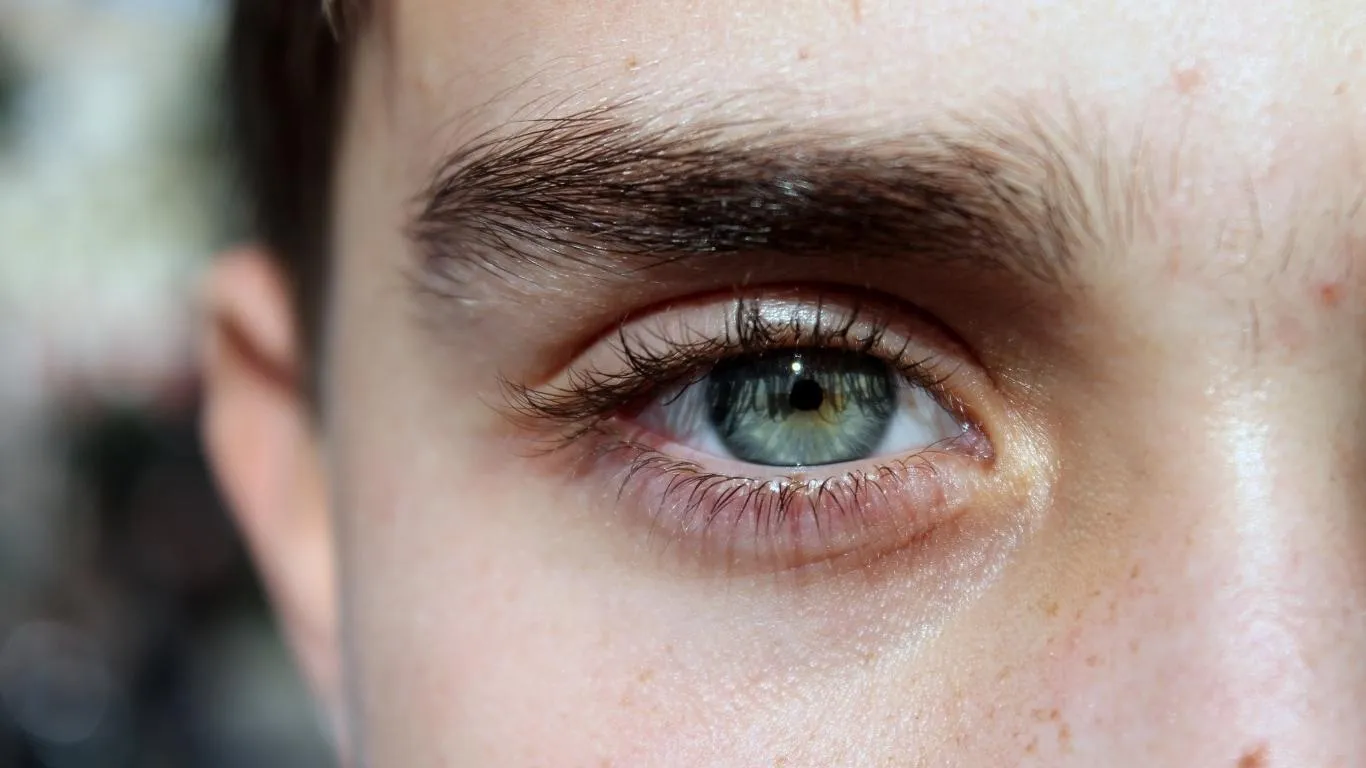
First, let’s unpack what eye floaters actually are. Those drifting specs, cobwebs, or shadowy shapes that seem to follow your gaze are usually tiny bits of collagen or cells inside your vitreous — the gel-like substance in your eyeball. As we age, this gel starts to liquefy, creating pockets where these floaters form. Nothing new, right?
But here’s the kicker — certain triggers can bring them out of hiding, and yes, even something as chill as deep breathing exercises can do it.
What’s the Connection Between Deep Breathing and Eye Floaters?
Deep breathing might seem harmless — and most of the time, it totally is. But when you get into intense breathwork, such as diaphragmatic breathing, Wim Hof-style techniques, or Pranayama, you’re doing more than just relaxing. You’re altering blood flow, oxygen saturation, and even intracranial pressure. And yep, all of that can potentially influence your eyes.
Increased Intraocular Pressure (IOP)
One possible explanation is a temporary spike in intraocular pressure during or after certain breathing practices. Especially if you’re holding your breath or tensing muscles during exhales, it can cause subtle changes in how fluid and pressure move in the eye — which might shuffle floaters into more noticeable positions.
Eye Movement and Muscle Tension
Ever noticed how you sometimes close your eyes tightly during breathwork or meditation? That tension, combined with rhythmic movement, could disturb your vitreous body just enough to move existing floaters into your visual field. It’s not creating new floaters, necessarily — just repositioning the ones you already had.
My Own Experience
For me, the moment it happened was right after a long exhale. I had been doing 4-7-8 breathing for a few minutes, and boom — sudden swirling threads in my right eye. I blinked, rubbed, and panicked a bit (don’t do that, by the way). Turns out, it wasn’t dangerous, but it was a wake-up call that even relaxing routines can have strange side effects.
When You Should Be Concerned
Most floaters are harmless and temporary. But not all. If floaters come on suddenly, especially with flashes of light, loss of peripheral vision, or pain, it could be a sign of something more serious — like a retinal tear or posterior vitreous detachment. Floaters before retinal tears are no joke and need prompt medical attention.
There’s also the case where deep breathing might be coinciding with other physical factors, like dehydration or low blood sugar, both of which have been associated with increased floater activity. And if you’re doing breathwork in hot environments or with your head tilted back, that might add to the pressure dynamic. Weird, but makes sense.
Is It Just Floaters or Something Else?
Let’s be real — sometimes what we *think* are floaters could be something else entirely. Some folks confuse floaters with visual snow, migraine auras, or even allergy-related spots. Understanding the difference is key, and I found this breakdown super helpful: Eye floaters vs other eye problems.
- Migraine auras often come with zigzag patterns and last 20–30 minutes.
- Visual snow appears like static — persistent and all over your field of view.
- Floaters usually drift slowly and change with eye movement.
If what you’re seeing doesn’t match the classic floater profile, it might be worth getting your eyes checked just to be safe.
Supporting Eye Health if You Practice Breathwork
If you’re into deep breathing, yoga, or meditative practice — good for you. Seriously, it’s a game-changer for stress and mental clarity. But don’t ignore your eyes in the process.
- Hydrate before and after your sessions.
- Avoid excessive strain or prolonged breath holds, especially if you’re new to breathwork.
- Use dim lighting or closed eyes to reduce stimulation.
- Track when the floaters occur — during exhale, after sessions, etc. That gives helpful insight.
If you’re noticing a pattern — like floaters appearing only after you’ve done breathwork on an empty stomach or in the morning — it could be a clue. Here’s another resource I found helpful: floaters and lack of sleep.
For anyone experiencing this regularly, I highly recommend reading this broader guide on when floaters might be a red flag. And if you’re curious about the full scope of eye floater causes, including rare ones, this main pillar guide lays it out clearly: Eye floaters: causes, symptoms, treatment.
What to Do When Floaters Appear After Deep Breathing
Okay, so you’ve just wrapped up your breathwork, feeling all zen, and bam — those floaters show up again. Annoying, right? The key here is not to panic. Most floaters that show up in the context of deep breathing are harmless, especially if they disappear within a few minutes. But that doesn’t mean you just brush it off and ignore it every time either.
Step 1: Take Note of the Pattern
Floaters that appear consistently after breathwork or specific breathing styles may be influenced by head position, blood pressure changes, or even how hydrated you are. For me, it always happened during long exhalations or inverted postures in yoga. Start keeping mental (or written) notes about:
- What kind of breathing you were doing
- How long the floaters lasted
- Whether they moved or stayed fixed
- If you noticed flashes or vision dimming
These notes are gold if you ever need to explain your symptoms to an eye doc.
Step 2: Rest Your Eyes
Right after seeing floaters, avoid screens or strong light sources. Trust me, looking at a white screen is like turning on a spotlight for floaters. Instead, rest your eyes or blink gently. Sometimes, floaters will drift back to less noticeable positions in your vitreous with just a bit of time.
If you often notice them only when your surroundings are bright or during specific lighting conditions, this article dives deeper into that odd phenomenon: Eye floaters in bright rooms.
When to See a Specialist
It’s easy to assume that breathwork couldn’t possibly cause anything serious. But as much as I love yoga and breathing techniques, I also respect my body when it gives me a sign. If you experience any of these symptoms, don’t wait:
- Floaters that suddenly increase in number
- Accompanied by light flashes
- Shadow or curtain-like areas in your vision
- Floaters that remain in one spot and don’t drift
Those could indicate something more urgent like a retinal tear. Floaters without other symptoms might still warrant a professional check-up — better safe than sorry.
Helpful Tests Your Eye Doctor Might Do
- Dilated eye exam – To inspect the retina and vitreous gel closely
- OCT scan – Cross-section imaging to detect retinal layers and detachment
- Ultrasound – If the view is blocked by blood or cloudiness
In most cases, they’ll confirm it’s benign and just reassure you. But if they spot any red flags, you’ll be glad you went in early.
How to Reduce Floaters Naturally If They Persist
If your floaters aren’t going anywhere and you want to avoid invasive options like vitrectomy, there are a few natural strategies that might help reduce their impact or prevent new ones from forming. Here’s what worked for me (and what’s backed by real insight):
- Hydration: Sounds basic, but most of us forget. Dehydration thickens the vitreous.
- Lutein and Zeaxanthin-rich foods: Think spinach, kale, and eggs. These support retinal health.
- Omega-3 supplements: Supportive for overall eye comfort and fluid balance.
- Blue light filters: If you’re noticing floaters more during screen time, this helps.
This guide breaks down how floaters might get worse during dehydration, which ties right into breathwork and sweating: Dehydration and floaters.
And if you’re hunting for the right nutrients to support your eyes, I highly recommend checking out supplements that support vitreous collagen.
Can Breathwork Still Be Safe for People With Floaters?
Absolutely — it’s just about being aware and making a few smart adjustments. I didn’t quit breathwork when I noticed floaters; I just switched up how I did it. Instead of long holds or intense nose-to-brain breathing, I kept things more relaxed, avoided sudden inversions, and stayed hydrated. Result? No floaters.
Also, I found that practicing breathwork in dim lighting and with eyes gently closed helped a lot. It reduced visual strain and made floaters far less noticeable. If you’re practicing yoga or mindful breathing, try combining it with slow eye movements — weirdly, it helps disperse floaters too.
There’s also a surprising link between head positioning and floater movement that blew my mind. This breakdown hits that point well: How head position affects floaters.
Is This Something to Worry About Long-Term?
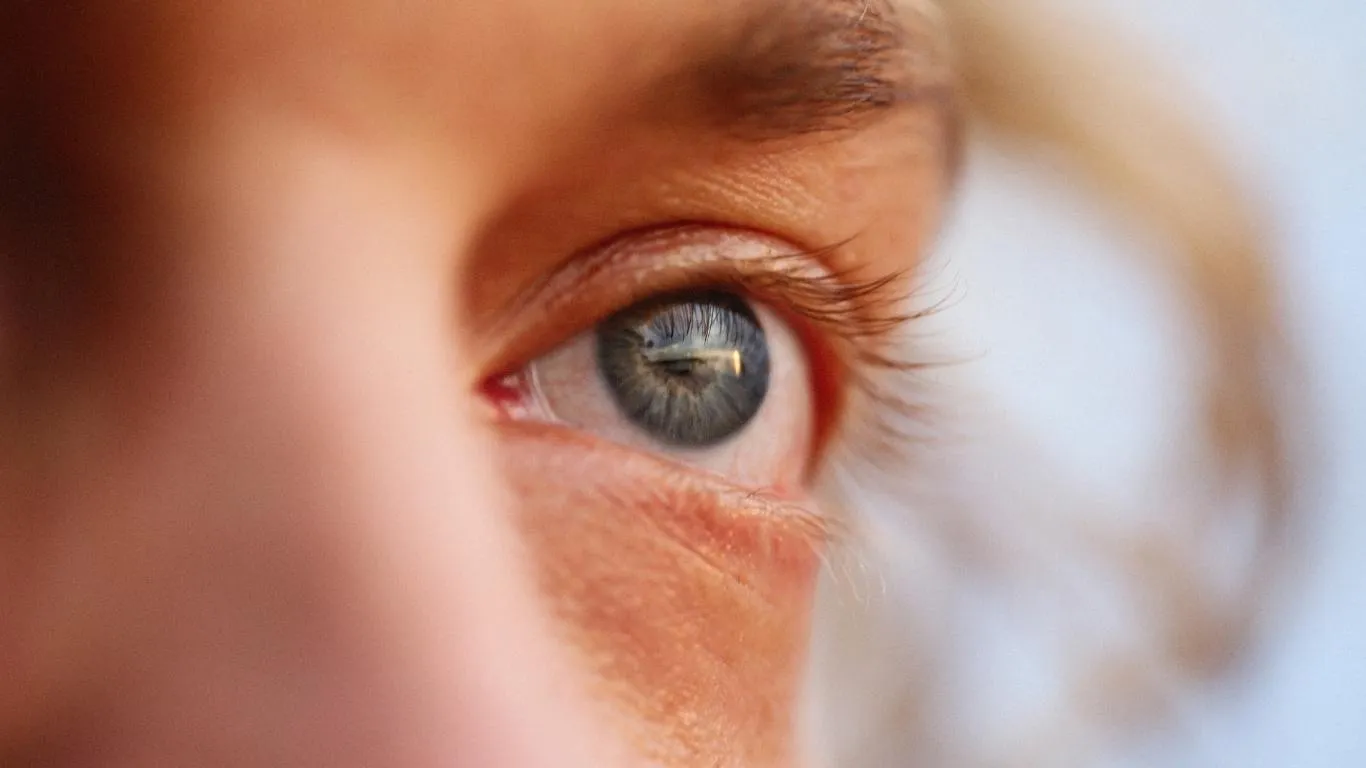
If the floaters after deep breathing are random and occasional — chances are you’re fine. But if it’s becoming a regular occurrence, especially with other vision changes, it’s worth digging deeper. Your eyes, after all, are a window into your brain and circulation. Subtle signals shouldn’t be brushed off.
For a deeper dive into the complete picture of floater causes — especially those that might not seem obvious — you’ll want to bookmark this guide: Common causes of floaters.
And if you’re still exploring the full picture of floaters, causes, and solutions, the main breakdown is a solid reference: Eye floaters 101.

Camellia Wulansari is a dedicated Medical Assistant at a local clinic and a passionate health writer at Healthusias.com. With years of hands-on experience in patient care and a deep interest in preventive medicine, she bridges the gap between clinical knowledge and accessible health information. Camellia specializes in writing about digestive health, chronic conditions like GERD and hypertension, respiratory issues, and autoimmune diseases, aiming to empower readers with practical, easy-to-understand insights. When she’s not assisting patients or writing, you’ll find her enjoying quiet mornings with coffee and a medical journal in hand—or jamming to her favorite metal band, Lamb of God.