Floaters After Using Essential Oils May Be A Sign To Be Cautious
So here’s the thing—I’ve always been a big fan of essential oils. Lavender in the diffuser before bed, peppermint when I have a headache, and even a little tea tree diluted for skin. But I remember one time, right after trying a new blend someone recommended, I noticed these weird little floaty specks in my vision. I blinked, rubbed my eyes, even splashed cold water on my face. Still there. That’s when I started asking: can essential oils actually cause eye floaters?
What Are Eye Floaters, Really?
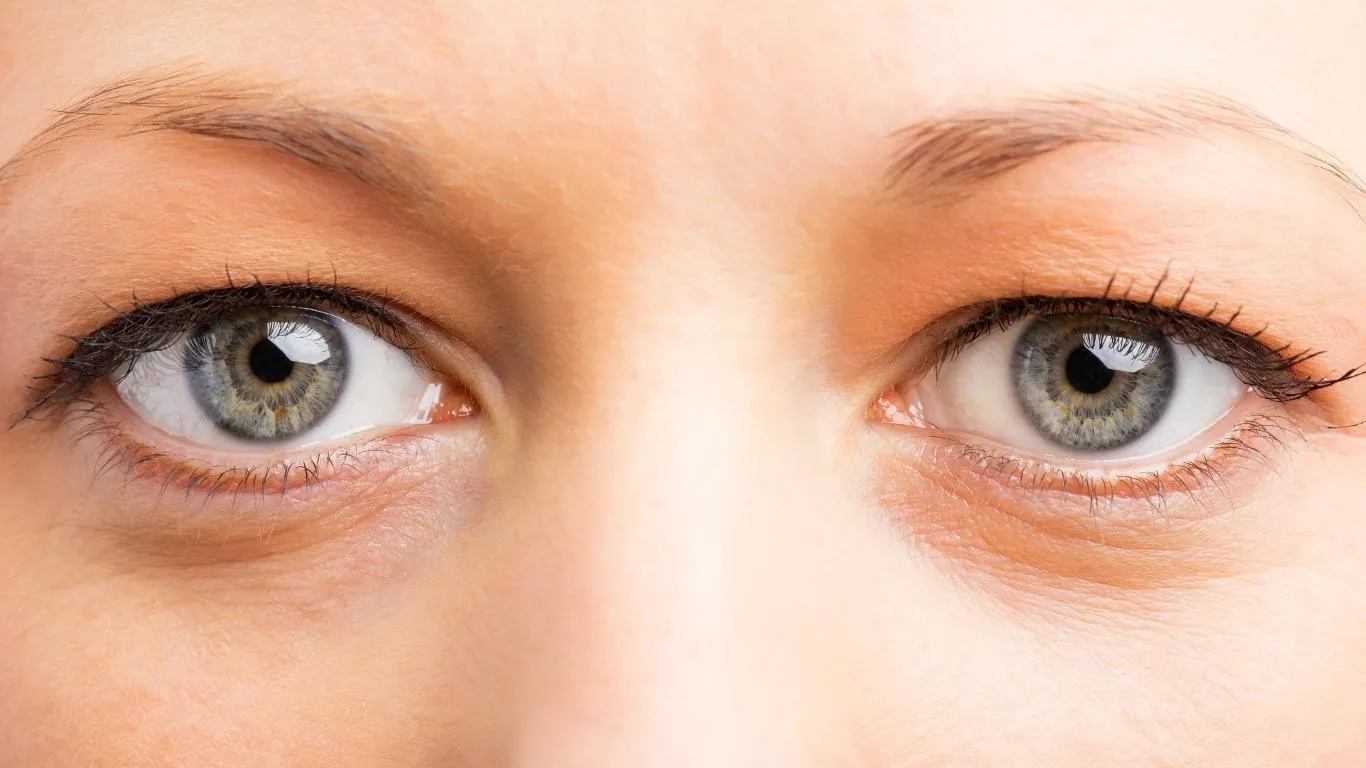
Before we dive into the oils, let’s just clear up what floaters actually are. If you’ve seen tiny threads, specks, or cobweb-like shadows drifting across your vision—especially when looking at a bright sky or computer screen—you’ve met floaters. They’re usually harmless and caused by small clumps in the vitreous gel inside your eye. But sometimes, they’re a sign of something more serious.
I learned that eye floaters can be easily confused with other vision issues. So it’s important to know what you’re dealing with.
Can Essential Oils Actually Cause Floaters?

Okay, let’s get to the heart of the matter. The short answer? Not directly. Essential oils don’t create floaters in the same way trauma or aging might. But—and it’s a big but—they can trigger symptoms that make floaters more noticeable or cause irritation that leads to temporary visual disturbances.
Here’s how essential oils might play a role:
- Volatile compounds: Certain oils contain active compounds that can irritate the mucous membranes, including your eyes—especially in enclosed spaces.
- Allergic reactions: Sensitivity or mild allergic responses can cause ocular inflammation, which might not cause floaters per se but can make them seem worse.
- Topical exposure: Rubbing oils near the temples or forehead and then touching your eyes? Guilty. That could lead to irritation, and yes, visual weirdness.
I stumbled upon this explanation about eye rubbing and floaters, and it suddenly made sense. I had been applying eucalyptus oil for a tension headache. Without thinking, I rubbed my eyes afterward. Not smart.
Some Oils Are More Likely to Cause Trouble
Based on both experience and anecdotal reports, certain essential oils are repeat offenders when it comes to eye irritation:
- Tea Tree: Antibacterial but potent—too much near the eyes and it stings like crazy.
- Eucalyptus: Strong vapors can cause tearing, squinting, and for some people, even transient blurry vision.
- Peppermint: Feels cool on the skin but can make your eyes water like you’ve chopped 10 onions blindfolded.
- Lemongrass & Cinnamon: Spicy oils that shouldn’t come anywhere near your eyeballs.
That said, not everyone will react the same. Some folks can douse themselves in lavender and sleep like a baby. Others, like me, use peppermint once and feel like they’ve stepped into an onion chamber.
Are These Floaters a Sign of Something Bigger?
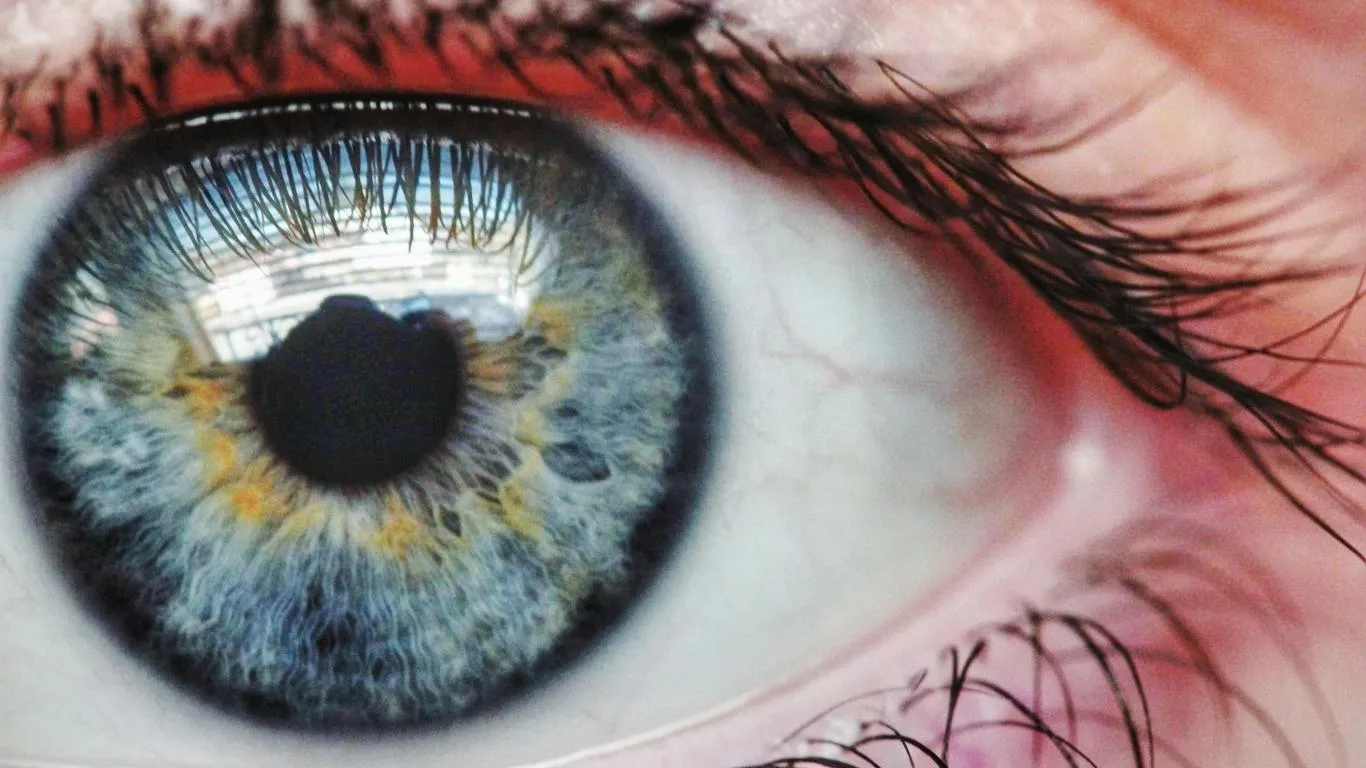
This is where it gets tricky. While most floaters caused by irritation fade within a day or two, persistent ones—especially if they come with flashes of light, eye pain, or a shadow over your vision—could be something more serious.
According to the American Academy of Ophthalmology, sudden new floaters could signal retinal detachment, and you absolutely don’t want to mess with that.
So how do you know the difference? Timing, context, and symptoms. If the floaters appear right after using oils and fade within hours or a day—probably just irritation. But if they persist, or worsen, see an eye doc. Seriously.
Real-Life Cases and Experiences
I found stories online (and in comments sections) where people reported floaters after using diffusers or applying oils near their eyes. Most described the floaters as more “noticeable” rather than new. That matches my experience, too—my floaters were always there, I just wasn’t paying attention to them until my eyes got irritated.
But in one extreme case, someone shared how a history of eye trauma made them more sensitive to strong vapors. So even if you think it’s “just an oil,” if you’ve had LASIK, cataract surgery, or a retinal issue in the past—you might want to be extra cautious.
How to Use Essential Oils Without Making Floaters Worse
If you’re like me and love your oils but hate the eye drama, here are a few habits that helped:
- Never apply oils near your eyes. Sounds obvious, but you’d be surprised how easy it is to forget.
- Wash your hands immediately after handling any concentrated oil.
- Use diffusers in well-ventilated spaces. Small, enclosed rooms = tear gas chamber potential.
- Opt for milder oils like Roman Chamomile or Frankincense if you’re sensitive.
If symptoms persist, exploring eye floater treatments might be necessary—even if they were triggered by something as innocent as aromatherapy.
Want a more complete look at what really causes floaters beyond essential oils? I found this article super helpful: What Are Eye Floaters? Causes, Symptoms, and Treatment Options. It breaks it all down in a way that actually makes sense.
When to Be Concerned About Floaters After Using Essential Oils
So here’s where it gets real. If you’re still seeing floaters a few days after using essential oils—or they’ve become more intense or frequent—it might not be just about the oils anymore. Especially if your vision starts changing, or you see what looks like lightning streaks or a curtain in your visual field, don’t wait it out. Get checked.
In fact, according to Mayo Clinic, a sudden increase in floaters can be the first sign of posterior vitreous detachment or even a retinal tear. These conditions can be triggered by seemingly unrelated events, and unfortunately, strong eye irritation or pressure might just be the straw that breaks the camel’s back.
Some folks with underlying conditions—like high myopia, diabetic retinopathy, or prior trauma—are more likely to experience sudden bursts of floaters that signal bigger issues. That includes people who’ve had LASIK, PRK, or even cataract surgery.
What Symptoms Mean “Go See a Doctor”?
Don’t guess. If any of these show up with your floaters, it’s best to call your optometrist or ophthalmologist:
- Sudden flashes of light, even in a dark room
- A sudden “shower” of floaters out of nowhere
- Blurred vision that doesn’t clear up after resting
- Dark spots or shadows creeping into your peripheral vision
I once ignored a sudden spike in floaters after a really long essential oil steam session (menthol-heavy blend). The next day, my vision was fine—but if it hadn’t cleared, I wouldn’t have risked waiting. You shouldn’t either.
Common Mistakes People Make With Essential Oils Around the Eyes
Look, I get it. Essential oils feel natural, safe, clean—so we tend to be a little too casual with how we use them. But when it comes to your eyes, “natural” doesn’t mean “risk-free.” Here are a few things I—and many others—have learned the hard way:
- Applying oils on temples or forehead too close to the eye orbit: Even if you’re not applying them on your eyes, vapor can travel and seep into the eye area, especially when the oil is potent.
- Overusing diffuser oils in small rooms: Ventilation matters. Diffusing eucalyptus in a closed car or tiny bathroom? Ask me how I know that’s a bad idea.
- Not rinsing hands properly: You touch your eye even once after handling spicy oils like cinnamon or clove—game over.
- Assuming irritation is “just part of the process”: No, your eyes shouldn’t sting or blur. That’s your cue to back off.
There’s even an in-depth article on how visual strain can amplify floater symptoms—and that’s something that can easily happen if you’re using oils while scrolling in a dark room or during eye strain episodes.
Can Floaters Triggered by Essential Oils Go Away?
In most cases, yes. If your floaters appeared right after essential oil exposure, and you haven’t had any serious eye injury or surgery, chances are good it’s a temporary flare-up. I’ve personally had floaters stick around for a couple of days before slowly fading. They tend to become less noticeable as your brain adapts to them, too.
Still, you should never just “wait and hope” if something feels off. If floaters are persistent or paired with pain, redness, or light sensitivity, your eyes may be trying to tell you something more serious. In rare cases, even environmental triggers like barometric pressure or altitude can play a role—so a vapor-heavy essential oil in a poorly ventilated room isn’t exactly benign.
How to Prevent Floaters from Getting Worse with Aromatherapy
If you’re not ready to give up your oils (I’m definitely not), here’s how to use them more responsibly without putting your eyes at risk:
- Stick to indirect diffusion. Avoid applying oils topically near your eyes. Use a diffuser across the room.
- Choose high-quality, pure oils from trusted sources. Adulterated oils often contain additives that are more likely to irritate eyes.
- Avoid strong oils like cinnamon, clove, wintergreen, or camphor unless you’re 100% sure they’re diluted and used safely.
- Take frequent breaks from enclosed rooms when diffusing oils.
- Wash hands thoroughly before touching your face or eyes.
And if your floaters are sticking around, worsening, or paired with other odd visual symptoms? It might be time to consider whether there’s a deeper issue at play. I’d recommend reading this overview of common floater causes. It explains a lot about how age, trauma, and even eye health habits contribute to what you’re seeing.
Also, for a complete breakdown of how floaters develop and when to seek treatment, don’t skip this one: What Are Eye Floaters? Causes, Symptoms, and Treatment Options.
Bonus: Natural Support for Floaters (If You’re Curious)
Now, I’m not a doctor—but in my own experience, making a few small changes to support eye health helped reduce how noticeable my floaters felt:
- Hydration: Sounds basic, but when you’re dehydrated, your vitreous humor (the jelly inside your eye) becomes less stable. Here’s how dehydration affects floaters.
- Supplements: A few that helped me: Omega-3s, vitamin C, and lutein. There’s a great guide on supplements that actually work.
- Reducing screen time: Eyes get less oxygen when you’re glued to your phone. That constant strain might not “cause” floaters but can definitely amplify their visibility.
One thing I don’t recommend? DIY eye drops with essential oils. Just… no. Even if TikTok swears by it.

Camellia Wulansari is a dedicated Medical Assistant at a local clinic and a passionate health writer at Healthusias.com. With years of hands-on experience in patient care and a deep interest in preventive medicine, she bridges the gap between clinical knowledge and accessible health information. Camellia specializes in writing about digestive health, chronic conditions like GERD and hypertension, respiratory issues, and autoimmune diseases, aiming to empower readers with practical, easy-to-understand insights. When she’s not assisting patients or writing, you’ll find her enjoying quiet mornings with coffee and a medical journal in hand—or jamming to her favorite metal band, Lamb of God.