Why Floaters Seen in Peripheral Only When Blinking Need Attention
Ever blinked and caught a strange speck or shadow off to the side of your vision, only to have it vanish as quickly as it appeared? That’s how it started for me—a couple of little floaty spots that showed up only in the corners of my eyes, and only when I blinked. At first, I chalked it up to tiredness or too much screen time. But as it kept happening, I started wondering: Why do floaters show up in my peripheral vision only when I blink? Turns out, this isn’t just a random annoyance—it could be your eyes trying to tell you something more.
What Are Peripheral Floaters That Appear Only When Blinking?
Unlike typical floaters that drift across your central vision, these ones lurk around the edges. You won’t catch them while looking straight ahead—they love to play hide and seek, showing up only during blinks or eye movement. These “blink-activated floaters” are a real thing, and while they might seem harmless, they could sometimes be connected to changes in your vitreous humor, the gel-like substance inside your eye.
Personally, I noticed mine the most during early mornings or right after stepping into bright daylight. I’d blink instinctively and catch what looked like a faint worm or cobweb zipping by, just out of reach. If you’ve experienced the same thing, you’re not alone—and there are reasons this might be happening.
Why Floaters Lurk in the Peripheral Vision Only During Blinks
1. The Mechanics of Blinking and Eye Pressure
Every time you blink, it creates a subtle change in intraocular pressure. For some people, this pressure shift momentarily displaces the vitreous enough to make floaters more visible at the edges. It’s like shaking a snow globe—things start to swirl that were settled before.
2. Vitreous Detachment in the Early Stages
This was a big “aha” moment for me. Peripheral floaters that only appear during blinking can be a sign of an early-stage posterior vitreous detachment (PVD). It’s a natural part of aging, where the vitreous begins to pull away from the retina. Floaters at this stage might only appear briefly during eye movement or blinking.
3. Uneven Vitreous Gel Consistency
Another possibility is that your vitreous isn’t uniformly liquefying. Some clumps or collagen strands may remain suspended in areas that aren’t usually within your visual field—until blinking shifts your eye just enough to bring them into view.
4. Light Entry Angle and Contrast Triggers
I’ve found that contrast plays a big role. Looking at a light wall or bright sky makes those peripheral floaters more noticeable. During a blink, the eyelid movement slightly changes how light enters the eye, briefly illuminating these floaters that would otherwise go unseen.
When You Should Pay Attention to These Peripheral Floaters
- If they suddenly appear in clusters or increase in number
- Accompanied by flashes of light or a curtain-like shadow
- If they persist and become more noticeable over time
That last one hit home for me. Over a couple of weeks, mine became more frequent and started showing up during the day. That’s when I got a retinal check-up. While mine turned out to be benign, my doctor explained how similar symptoms could point to retinal tears or detachment risks. Floaters before retinal tear is no joke—better safe than sorry.
Everyday Triggers That Make Peripheral Floaters Pop Up
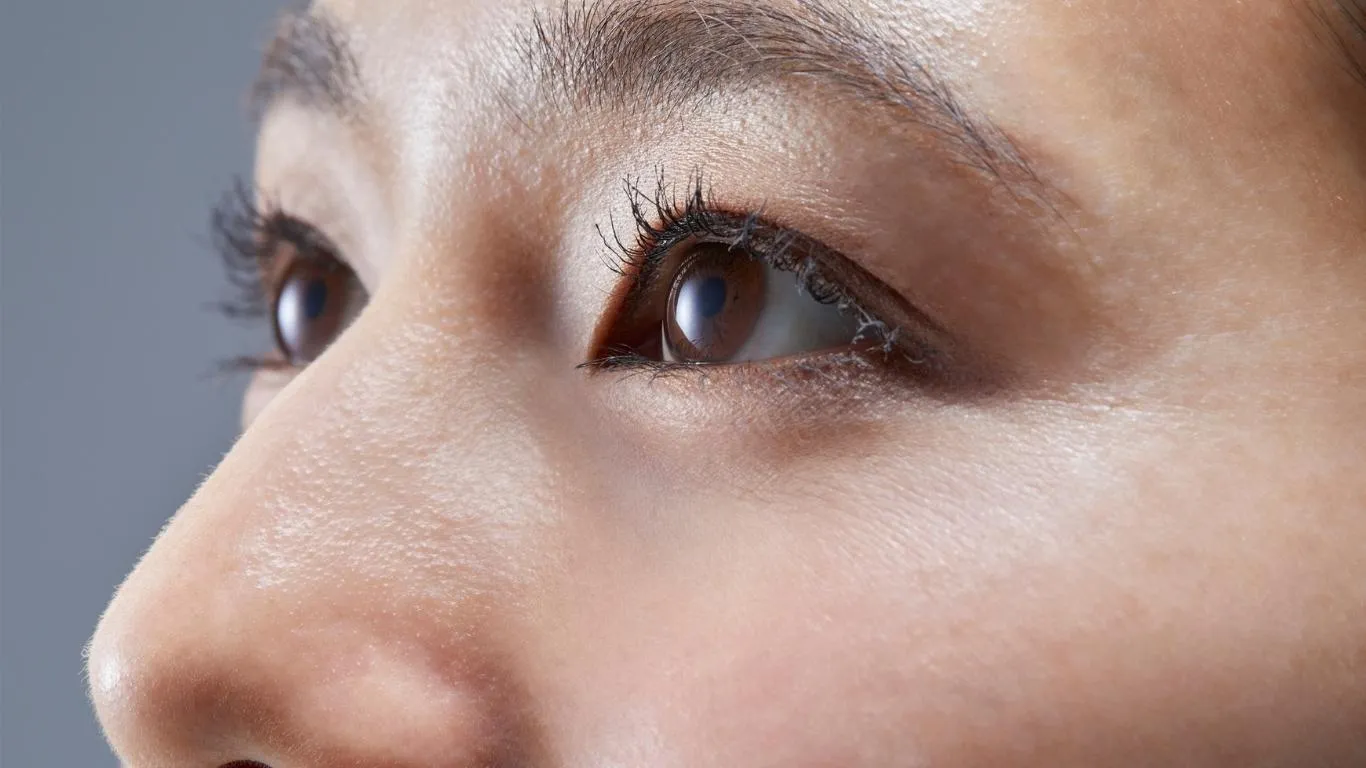
- Dry Eyes: When your eyes are dry, your blink pattern changes. It can amplify the visibility of floaters that are already lingering on the sidelines.
- Screen Fatigue: Staring at a screen for hours causes fewer blinks and more focused vision. When you finally do blink, the floaters swing into view.
- Bright Backgrounds: A white wall, bright sky, or even snow makes floaters in your peripheral stand out starkly.
- Dehydration or Eye Strain: Floaters can seem worse when your body or eyes are under stress. Dehydration’s effect on floaters is surprisingly significant.
There are also reports of blinking-related floaters being more common in those who’ve undergone recent cataract surgery, experienced migraines, or have high myopia. Each of these affects the vitreous in its own way, making certain floaters more noticeable with movement.
Can You Do Anything About Them?
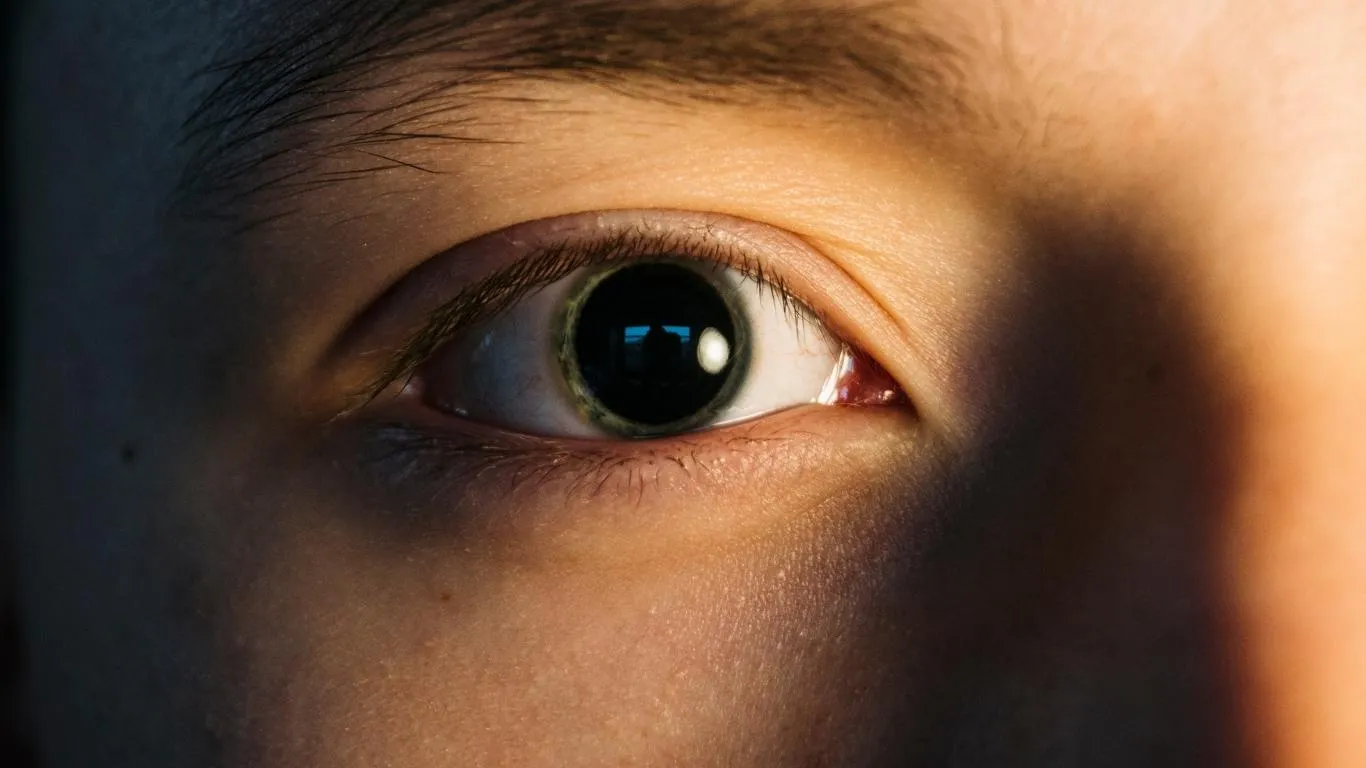
Not all floaters require treatment, but if they become a daily distraction, there are a few things you can try:
- Stay hydrated to help maintain your eye’s internal fluids
- Practice blinking exercises to improve tear distribution and reduce strain
- Minimize screen glare and adjust your screen time habits
- Consider wearing blue light filtering glasses
- Get regular eye exams to rule out retinal changes or detachment
Some people find that floaters fade over time or the brain learns to tune them out. For more persistent or severe cases, you might want to explore treatment options ranging from laser therapy to vitrectomy.
Also worth noting: the natural remedies out there are hit-or-miss. While some claim success with supplements like lutein or omega-3, their effectiveness isn’t proven across the board. That said, natural ways to manage floaters might help you feel more in control of your symptoms.
To better understand the broader picture of floaters—including causes, symptoms, and when to worry—check out our main guide on eye floaters and dive deeper into how floaters compare to other eye issues.
And if you’re ever unsure about what you’re seeing—or if it’s getting worse—don’t wait. Your peripheral floaters could be a minor inconvenience or the beginning of something more serious. Always better to get checked than to be left guessing.
Why Floaters in Peripheral Vision Aren’t Always Harmless
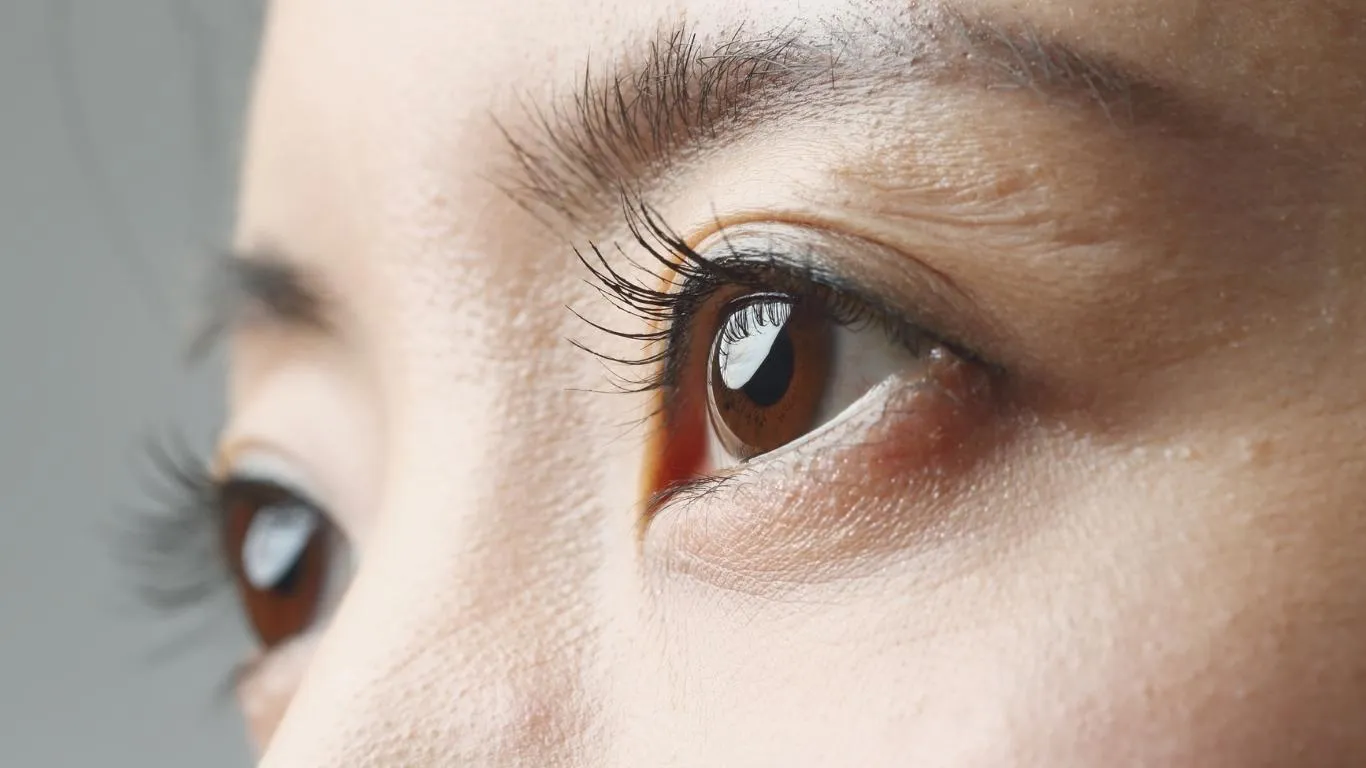
I’ll be honest—when mine first started, I didn’t think twice. I assumed it was just stress, dry eyes, or too much screen time. But what I didn’t know is that floaters showing up only in the corners of your vision when you blink can sometimes signal a developing issue with your retina. That doesn’t mean panic-mode—but it does mean you should stay alert.
One concern? Peripheral floaters caused by retinal holes or thinning. These areas may go undetected without a dilated exam. If you’re seeing the floaters consistently in the same area, especially after blinking or rapid eye movement, that’s a reason to book an eye checkup sooner rather than later.
Other Conditions That Might Be Involved
- Retinal lattice degeneration: A condition that weakens the retina and often starts with small floaters in the edges of vision. More info here: retinal lattice degeneration signs.
- Posterior vitreous detachment: Again, this is common, especially with age, but it should still be monitored to avoid complications like tears.
- Trauma-induced floaters: Any blow to the head or eye (I had one during sports years ago) can lead to minor vitreous shifts that manifest as blinking-sensitive floaters. Read up on it here: sports eye injury floaters.
These aren’t things to be overly worried about, but ignoring them could mean missing early signs of something that’s totally manageable if caught in time.
Can Supplements or Diet Help with Peripheral Floaters?

Here’s the truth—I was skeptical at first. But after chatting with an eye specialist and doing my own research, I made a few small changes that genuinely helped reduce the intensity and frequency of floaters I saw during blinking.
What Helped Me Personally
- Upping my omega-3 intake (chia seeds and flax daily)
- Adding lutein-rich foods like kale, spinach, and egg yolks
- Drinking more water throughout the day—game-changer
There’s evidence suggesting antioxidants and omega-3s may support overall vitreous health. You can explore the role of nutrition in floaters better through this piece: improve floaters with diet.
And don’t overlook the basics like sleep and stress management. Lack of sleep made mine worse, no question. I found myself blinking harder just to refresh my tired eyes, which of course made the floaters more visible. Here’s why: sleep and floaters connection.
When Floaters Feel Worse Under Certain Lighting
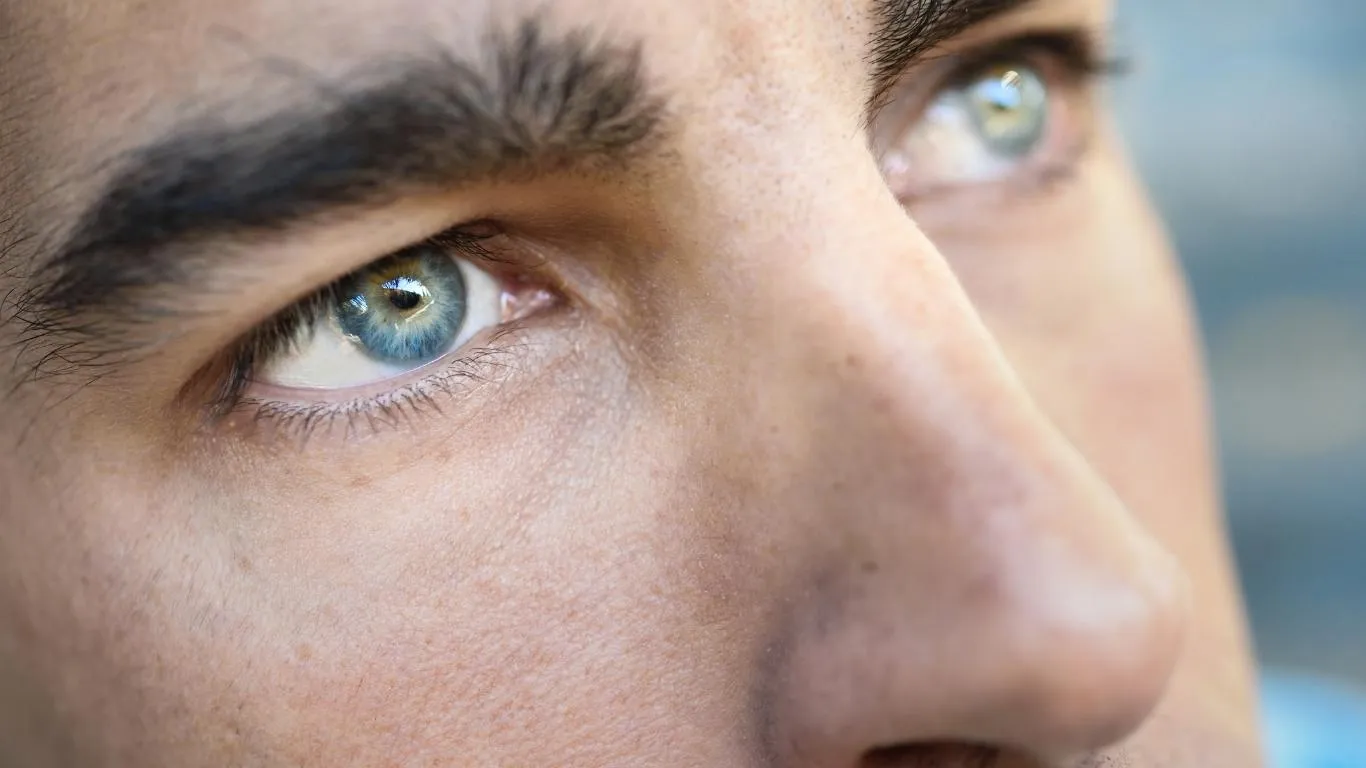
Ever notice how your blinking-triggered floaters are more obvious when you walk outside into bright sunlight? It’s not just you. Floaters that appear in peripheral vision are highly sensitive to contrast and lighting conditions. Light enters the eye differently as you blink, and floaters shift just enough to become visible against light backdrops.
That’s why they often vanish in dim rooms or at night. I found it super frustrating trying to drive or work under overhead lighting. Using matte backgrounds, adjusting brightness, and even wearing blue light glasses helped minimize it without affecting my routine.
If you’ve just noticed yours appearing during outdoor runs, bright offices, or when looking at white walls, that’s very common—and might be connected to bright light sensitivity.
How to Track and Manage Peripheral Floaters Over Time

One of the best decisions I made was keeping a casual floater journal—not super detailed, just short notes like:
- Time of day floaters showed up
- Lighting conditions
- How hydrated I was
- Whether I felt eye strain or fatigue
Over a few weeks, I noticed a clear pattern: dehydration and long hours on my phone made the blinking floaters flare up. If you’re unsure about yours, this method might help you pinpoint your own triggers.
What Your Eye Doctor Might Suggest
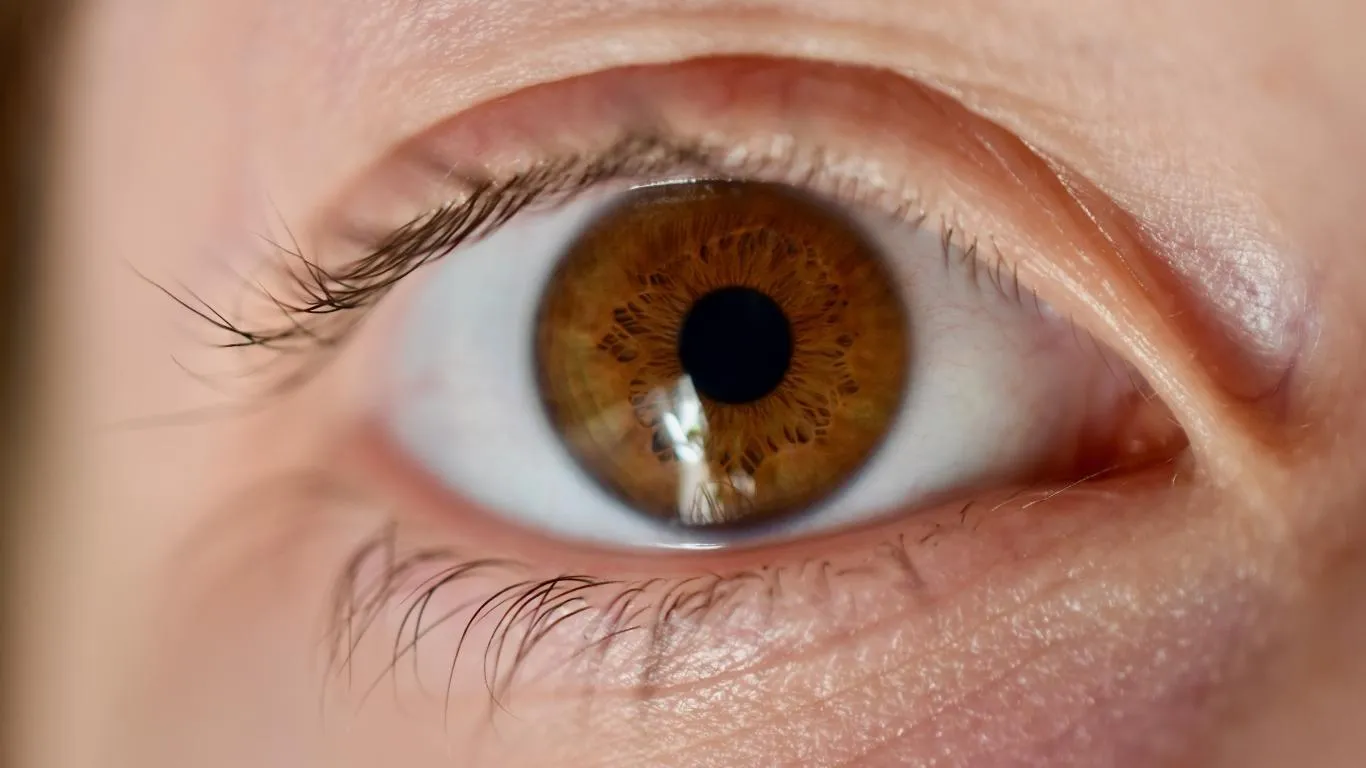
Most of the time, peripheral floaters are benign. But if they’re new, sudden, or worsening, an eye doctor will likely perform:
- A dilated retinal exam
- OCT (optical coherence tomography) scan
- Ultrasound of the eye if the retina isn’t clearly visible
If there’s no sign of retinal damage, you’ll probably just be told to monitor the floaters. Some doctors offer laser vitreolysis or surgery (vitrectomy) for extreme cases, but most patients learn to adapt or ignore them with time.
Eye Health Maintenance Matters More Than Ever
Floaters that only appear in your peripheral vision when blinking are often easy to overlook. But in my case, paying attention helped me uncover some early eye changes that I wouldn’t have caught otherwise. Now, I don’t obsess over them—but I definitely respect them.
For anyone facing similar symptoms, I highly recommend understanding the differences between floaters and other conditions. This guide offers a detailed breakdown: eye floaters vs other eye issues.
And for a broader understanding of causes and treatments, explore our complete resource here: eye floater overview.

Camellia Wulansari is a dedicated Medical Assistant at a local clinic and a passionate health writer at Healthusias.com. With years of hands-on experience in patient care and a deep interest in preventive medicine, she bridges the gap between clinical knowledge and accessible health information. Camellia specializes in writing about digestive health, chronic conditions like GERD and hypertension, respiratory issues, and autoimmune diseases, aiming to empower readers with practical, easy-to-understand insights. When she’s not assisting patients or writing, you’ll find her enjoying quiet mornings with coffee and a medical journal in hand—or jamming to her favorite metal band, Lamb of God.