Why This Blue Light Migraine Headgear Is a Game Changer
It started like every other Tuesday: way too much screen time, coffee that was more habit than help, and the usual buzzing pressure creeping behind my eyes. But this time, it didn’t stop. My typical remedies—dark room, peppermint oil, hydration, silence—barely made a dent. That’s when a friend tossed me a futuristic-looking contraption and said, “Try this headgear thing. It blocks blue light.” I rolled my eyes… until it worked. I had to dig deeper.
What Is Blue Light and Why Does It Wreck Our Heads?
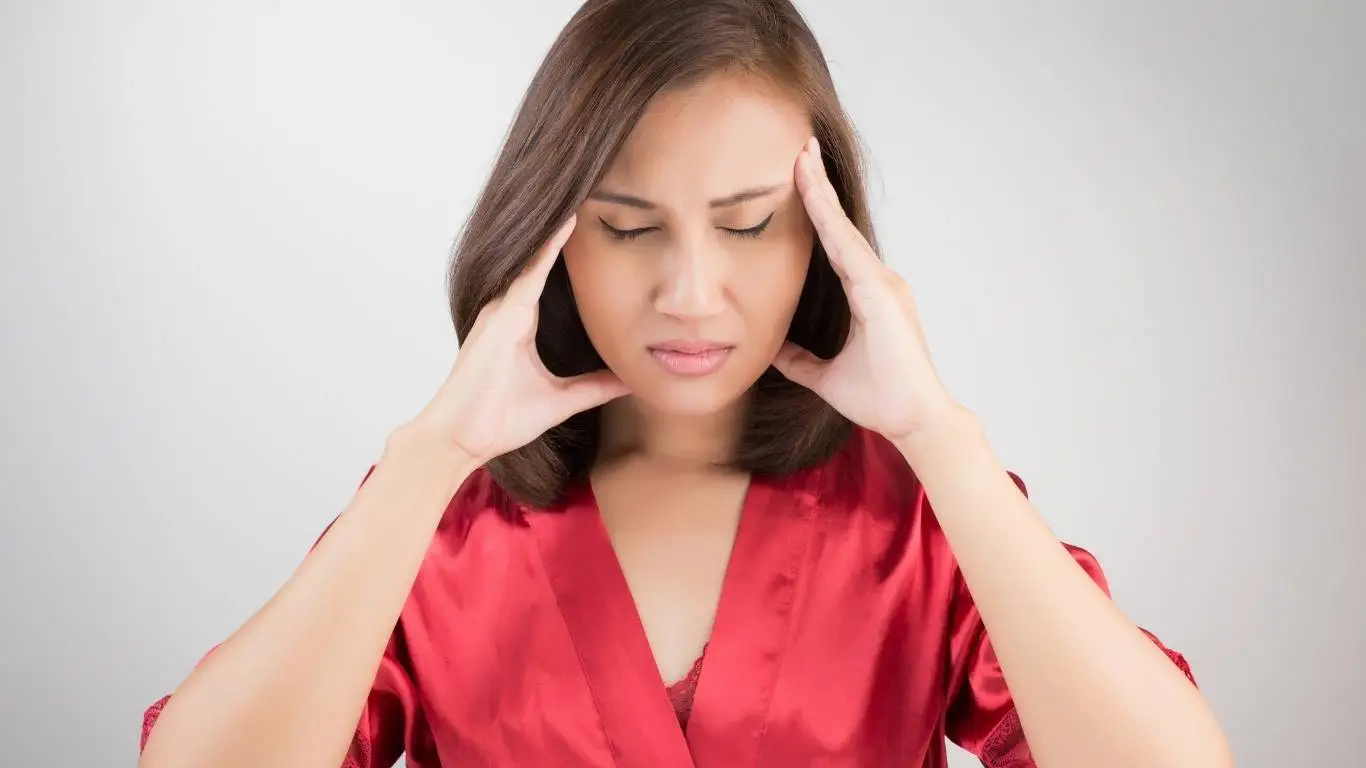
Let’s break it down without the science-speak overload. Blue light is the high-energy visible (HEV) light that comes from digital screens, LED lighting, and—you guessed it—the sun. But the problem isn’t really the sun. It’s the insane amount of artificial blue light we’re bathed in all day long from laptops, phones, tablets, and fluorescent bulbs.
According to American Academy of Ophthalmology, prolonged exposure to artificial blue light can mess with sleep cycles, strain your eyes, and in many migraine sufferers, trigger full-blown episodes.
In fact, studies published on NCBI show that people prone to migraines have increased photosensitivity, meaning blue light can basically hijack your nervous system and start that familiar throbbing dance in your skull.
So, What Exactly Is Blue Light Migraine Headgear?

This isn’t your average sleep mask. Blue light migraine headgear is wearable tech, designed to block or filter out blue wavelengths before they mess with your visual cortex. Think of it as tactical armor for your eyeballs and brain.
Some headgear even combines light-filtering lenses with gentle compression, sound dampening, and cooling features to soothe the sensory overload from all sides. A few models look like VR headsets, others resemble sleek visors or wraparound visors, and some could easily pass as sportswear. I’ve tested a few—and yes, they’re not all created equal.
How Does It Work?
- Blue Light Filtering: Special lenses filter out HEV light in the 400–500nm range.
- Compression Therapy: Some models apply mild pressure to reduce blood flow and ease throbbing.
- Temperature Control: Cold gel packs or built-in cooling features reduce inflammation and sensitivity.
- Noise Damping: Because sometimes even the faintest sound is too much when a migraine hits.
These devices aren’t a silver bullet, but for many—including me—they’re surprisingly effective when used consistently and as part of a larger migraine prevention strategy.
Who Actually Benefits from This Tech?

If your migraines come with eye strain, screen overload, or sensitivity to light, you’re the target user. But let’s go deeper—here’s who might see the biggest benefit:
- Remote workers and students who live on Zoom and deadlines.
- Gamers or digital creatives constantly exposed to LED lighting.
- People with vestibular migraine or chronic aura sensitivity [more info].
- Anyone with screen-induced headaches (you know who you are).
For me, it wasn’t just about the light. It was about controlling an environment I never realized was triggering my migraines. Pairing the headgear with blue-light blocking screen filters and adjusting room lighting made a world of difference. But the headset? That’s what stopped the attack in its tracks last Thursday morning before a client call.
Top Features You Should Actually Care About

Not all headgear is created equal. Some models look cool but do very little. Others feel like medieval torture devices. Here’s what you want to look for:
Filter Quality
Don’t fall for the generic “blue light” sticker. Look for gear that blocks at least 90% of HEV wavelengths between 400–470nm. If it doesn’t list specs, it’s probably hype.
Comfort & Adjustability
If it feels like a clamp or slips off during a migraine, it’s useless. Look for memory foam or fabric lining, and adjustable straps that won’t trigger tension headaches.
Portable & Rechargeable
Whether you’re working, commuting, or traveling, the best gear is wireless, lightweight, and has decent battery life—at least 4–6 hours of continuous use.
Cooling or Heat Options
This varies by personal preference, but I’m a fan of cooling. Some high-end versions offer interchangeable packs that can be frozen or warmed depending on your trigger type.
Real Talk: Are They Worth It?

Here’s where I get brutally honest. The first model I tried? Didn’t do a thing. The second made me feel like I was wearing a robot’s jockstrap on my face. But the third… game changer. Not only did it reduce migraine duration, but it also helped me catch the pain before it went nuclear. And I’m not alone. Check out what neurologists are saying in this breakdown.
Even better, it’s not just about relief. It’s about *regaining control*. Having one of these in your migraine toolkit is like carrying a Swiss army knife in a world full of migraine landmines.
For more on foundational migraine knowledge, check our main migraine guide and explore deeper migraine prevention strategies here.
Battle-Tested: The Headgear Models I Actually Tried

I went through four different blue-light migraine headgear devices over three months. Some felt gimmicky. Others surprised me. Here’s my honest rundown of what worked—and what ended up collecting dust in a drawer.
1. TheraBlue Vision Shield
This one looked like something out of a Marvel movie. Sleek, matte black, and light as air. What stood out was its 98% blue light filtration, and the soft gel pads that gently hug the temples. Within 10 minutes of my migraine warning signs, it helped dull the sharpness.
- Pros: Very lightweight, excellent filtration, battery lasts 7 hours
- Cons: No cooling feature, pricey
2. HaloLite ProWrap
Wraparound style, adjustable pressure bands, and cold/heat pads? Yes please. This one is a bit bulkier but worth it when you’re at home. I used it during an attack triggered by weather changes and was shocked at how effective it was at calming the throbbing behind my eyes.
- Pros: Dual-temp therapy, wide lens coverage
- Cons: Not discreet in public, slower recharge time
3. ClearGuard Everyday Shield
Minimalist, looks more like sports goggles than a medical device. This one blocks about 92% blue light and offers solid comfort, but didn’t do much during the more intense attacks. Still, for daily screen work, it’s decent. Bonus—it didn’t mess with my hair.
- Pros: Super comfortable, stylish, budget-friendly
- Cons: Less effective for full-on migraines
4. LuxRelief Aura Dome
This one had the bells, whistles, and then some. Built-in noise reduction, cold therapy, high-end lenses, and even guided relaxation through a connected app. It was a bit much at first, but it saved me during a stress-induced migraine that had me curled up in a conference room. The dome shape blocks light from every angle.
- Pros: Full-spectrum features, best for intense migraine relief
- Cons: Large, not travel-friendly, expensive
What to Know Before You Buy

Let’s be real—not everyone has time or money to cycle through four models. So before you throw cash at the most expensive one on Amazon, here’s what you really need to consider:
Trigger Awareness
If your migraines are triggered by hormonal changes, lack of sleep, or hormonal imbalances, blue light gear might be supportive, not curative. You need to understand your own triggers before expecting magic results.
Fit for Your Lifestyle
Do you need something portable for work, or full-coverage for deep home use? Don’t buy based on features you won’t use. I thought I needed cooling, but it turns out compression was more important for my attacks.
Longevity and Support
Check for replacement parts, app support, and warranty. If the company disappears after you order, good luck finding a replacement strap six months from now.
Are There Risks or Downsides?

For most people, these devices are super low-risk. But there are a few things to keep in mind:
- If you wear prescription glasses, some headgear won’t play nicely with them.
- Devices with built-in pressure or cooling might not suit people with neck sensitivity.
- Some people find the sensation of wearing something during a migraine irritating, no matter how soft or ergonomic.
Also, don’t expect miracles if your lifestyle hasn’t changed. Migraine control takes a multi-pronged approach. Diet, hydration, stress management, and consistent sleep still matter. In fact, a few wearable brands even recommend pairing their headgear with techniques like CBT or biofeedback for better results.
Professional Insight (and a Personal Tip)

When I spoke with a neurologist (after a nasty back-to-back episode last month), she actually recommended combining blue light gear with a digital migraine diary to track triggers. I’ve been doing that for weeks and noticed patterns I’d missed before—like how evening screen use hit me harder than morning exposure.
Another pro tip? Don’t wait until the pain sets in. I now wear my TheraBlue headset 20–30 minutes before I expect visual overload—like before long Zoom calls or Netflix binges. It’s a preemptive strike. And honestly? It’s saved me more times than I can count.
For a broader look into natural ways to control triggers, check out our full guide to natural migraine remedies.
Is It Worth Your Investment?

If migraines have taken over your work life, social plans, or just made everything feel unpredictable—yes, it’s worth exploring. But be smart about it. Not every “migraine solution” online is going to help. That’s where user experience, real testing, and feedback from professionals come in.
The good ones combine science-backed filtering with real-world usability. And if you can avoid even one major migraine a month? That’s time, energy, and peace of mind you get back.
For deeper understanding of what causes migraine episodes and how to manage them, start with this essential guide to understanding migraines.
And don’t forget to explore the core migraine overview at Healthusias Migraine Hub for more tools, treatments, and recovery strategies built on real experiences and trusted insight.

Bianca Nala is a compassionate Nurse Practitioner with a strong background in primary and respiratory care. As a health writer for Healthusias.com, she combines her clinical expertise with a talent for clear, relatable storytelling to help readers better understand their health. Bianca focuses on topics like asthma, COPD, chronic cough, and overall lung health, aiming to simplify complex medical topics without losing accuracy. Whether she’s treating patients or writing articles, Bianca is driven by a single goal: making quality healthcare knowledge accessible to everyone.