How Anxiety Quietly Steals Your Ability to Enjoy Daily Life
Last summer, I found myself at a beach party with my closest friends. Everyone was laughing, the music was good, and the sunset was picture-perfect. And yet, there I was—heart racing, palms sweaty, mentally spiraling over something that hadn’t even happened. That’s the thing about anxiety—it doesn’t care if you’re somewhere beautiful or surrounded by love. It has this eerie ability to rob joy from the present moment. If you’ve ever felt like your mind is stuck on overdrive while life passes by in the background, you’re not alone. Anxiety can quietly, yet deeply, steal your capacity to fully experience life, even the good parts.
What It Actually Feels Like When Anxiety Hijacks Your Life
When people think of anxiety, they often picture worry or nervousness. But for many of us, it runs deeper. It’s not just fear—it’s the inability to be present. Anxiety turns simple things like grocery shopping, meeting friends, or relaxing with family into exhausting mental marathons. You feel the tension in your chest before even leaving the house, and once you’re out, you’re hyper-aware of every possible thing that could go wrong.
Instead of enjoying a good meal, you’re stuck in your head replaying something awkward you said last week. Instead of soaking in a walk at the park, you’re scanning for danger, discomfort, or judgment. Slowly, those once-enjoyable moments feel like burdens, and life starts to shrink around your anxiety.
How Anxiety Silently Rewrites Your Daily Routine

One of the sneakiest ways anxiety impacts your ability to enjoy life is through routine. You start avoiding things. First it’s big events, then casual hangouts, then small errands. Before you know it, you’re turning down invites or only going places you’ve mentally rehearsed a hundred times. That’s not cautious living—it’s survival mode.
And it’s not just about social life. Anxiety can hijack your productivity, your sleep, and even your meals. I used to skip breakfast because the thought of eating with a nervous stomach made me nauseous. Even fun plans like weekend trips felt more like logistical nightmares than adventures.
Eventually, I started wondering: Am I living—or just managing symptoms?
Common Ways Anxiety Alters Everyday Life
- Overplanning everything to avoid surprise discomforts
- Constantly second-guessing decisions—even trivial ones
- Feeling guilty for taking breaks or enjoying rest
- Avoiding eye contact or conversations even with close friends
- Obsessing over health symptoms that are likely anxiety-driven
These patterns aren’t “just quirks”—they’re subtle warnings that anxiety is quietly running the show. If any of these sound familiar, you may find this diagnostic guide incredibly helpful in making sense of what’s going on.
The Emotional Toll: When Joy Becomes Work
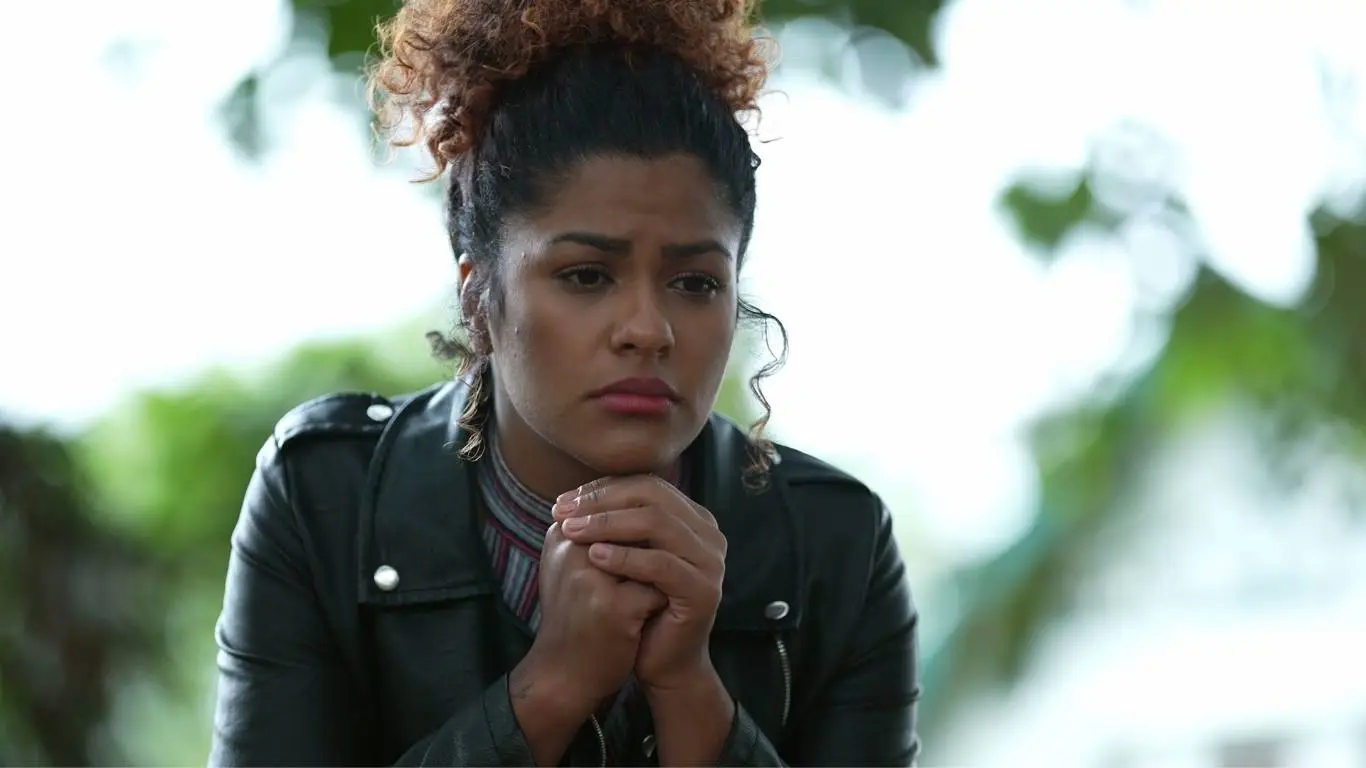
There’s a grief that comes with not being able to enjoy things you used to love. When anxiety dominates your internal world, even hobbies or passions begin to feel like chores. You want to write, paint, cook, or play music, but your mind is elsewhere—racing, doubting, catastrophizing.
I remember taking a trip to the mountains, thinking the change of scenery would help. But even surrounded by nature, my thoughts felt like they were caged in a room with no windows. That’s when I realized: joy doesn’t come from where you are. It comes from where your mind can safely go. And anxiety traps it in a loop of “what-ifs” and “shoulds.”
To break this cycle, many people benefit from practical techniques like progressive muscle relaxation or targeted breathing techniques, both of which helped me start enjoying small moments again.
Relationships Get Complicated—Fast
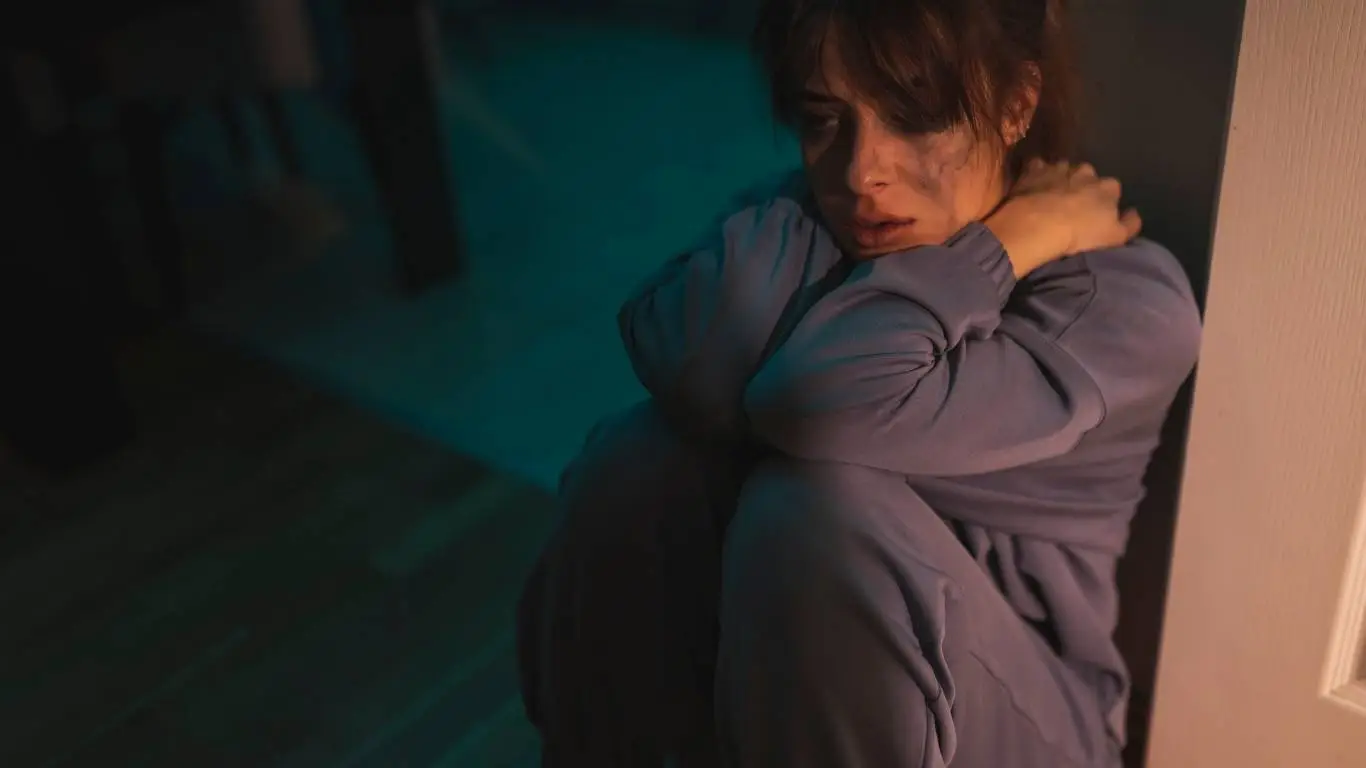
Let’s talk about what anxiety does to relationships. Whether it’s with a partner, family member, or coworker, anxiety creates a mental filter that distorts reality. Someone doesn’t reply to a text, and your mind fills in the blanks: “They’re upset,” “I must have said something wrong,” “They’re pulling away.” You don’t just wonder—you obsess.
This creates tension. I’ve had moments where I pulled away from people, not because I didn’t care, but because I didn’t want them to see me struggling. But in doing that, I robbed myself of connection—the very thing anxiety tells you to avoid but you so deeply need.
If you’ve felt this too, you’re not alone. And articles like this breakdown of romantic anxiety patterns might shed light on why relationships start to feel so emotionally taxing when anxiety is involved.
When You Stop Feeling Like Yourself
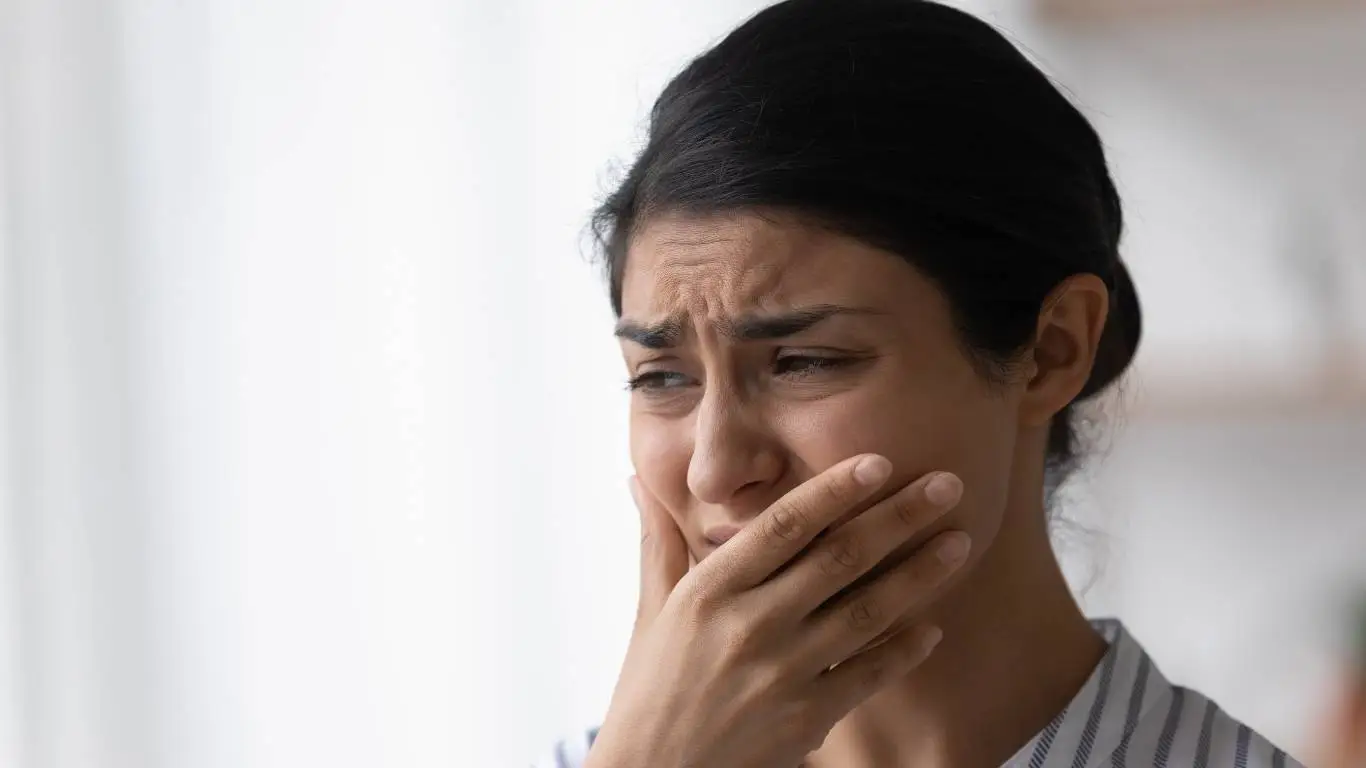
Perhaps the hardest part to admit is how anxiety reshapes your sense of identity. You used to be spontaneous. Now everything is planned to the hour. You used to laugh easily. Now you feel on edge, scanning your environment. You used to be present. Now your mind lives in the future—or in worst-case scenarios.
There’s a deep sense of loss that comes with this transformation, and it’s one of the biggest signs that anxiety is stealing not just your joy—but your identity. That realization hit me after reading this eye-opening piece on how daily routines are reshaped by anxiety.
But recognizing the problem is the first step. That’s where tools like this main guide on living with anxiety and this pillar article on lifestyle adjustments can offer serious clarity and help.
Why Anxiety Makes Even Simple Decisions Feel Impossible

It might sound ridiculous, but there have been days where choosing between two brands of peanut butter felt paralyzing. That’s the thing with anxiety—it makes you overanalyze everything. What should be a 10-second choice suddenly turns into a deep internal debate filled with self-doubt, spiraling thoughts, and fear of making the “wrong” decision.
This chronic second-guessing drains your mental energy, leaving less bandwidth for things that actually matter. Over time, this constant decision fatigue impacts your confidence and ability to trust yourself. If that’s something you’re grappling with, you’re far from alone. And understanding how anxiety distorts decision-making can be a critical step toward regaining control.
The Way Anxiety Warps Your Sense of Time
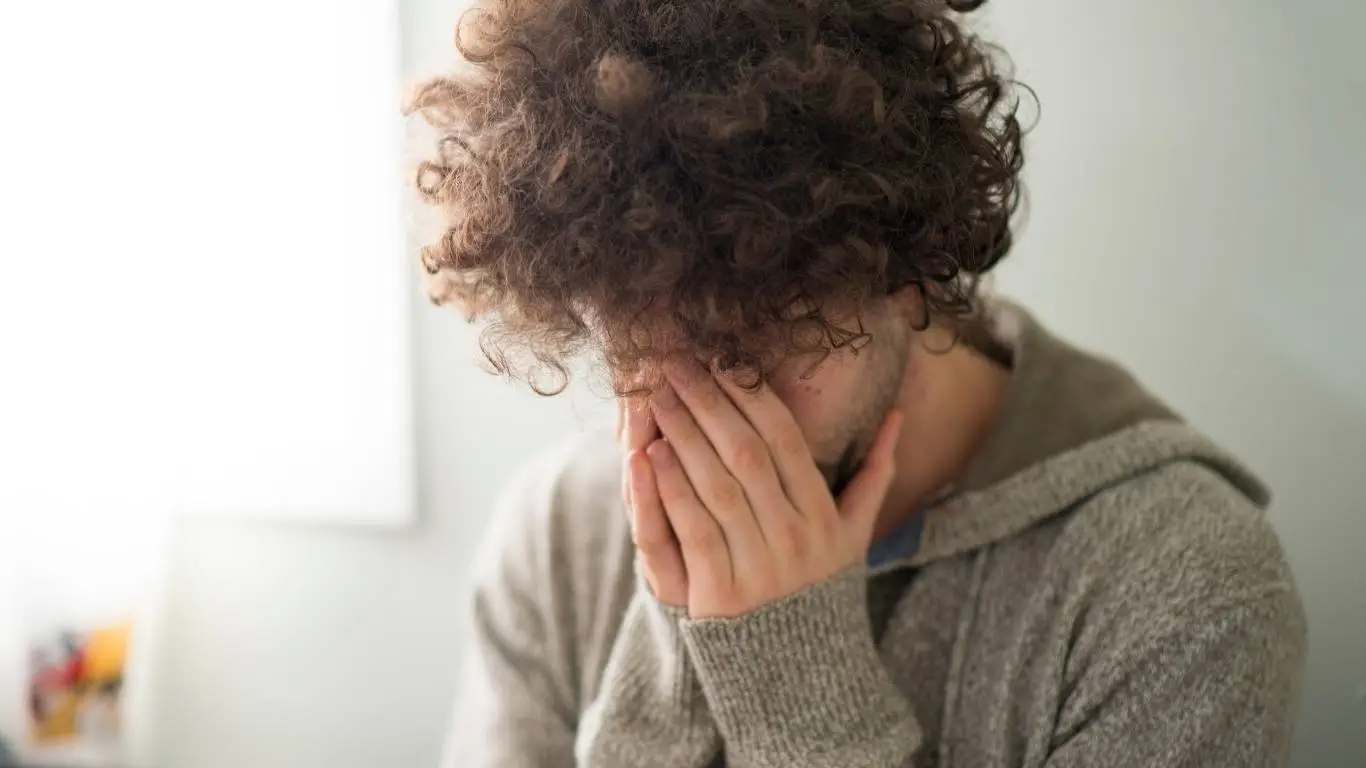
Anxiety plays a cruel trick with time. A five-minute wait feels like an hour. A day off becomes a timebomb of looming dread. When you’re anxious, your brain treats even neutral moments like threats, stretching time in a way that makes calm feel unreachable.
I used to wonder why vacations never felt restful. Turns out, I wasn’t ever really off-duty. My mind was still stuck in “what if” mode. That sense of urgency followed me everywhere. For many people, this feeling is tied closely to overthinking patterns in generalized anxiety, which create the illusion that you’re always running behind—even when you’re doing nothing.
How This Affects Real-Life Enjoyment
- Moments feel rushed or wasted
- You feel guilt for relaxing
- You can’t disconnect, even in leisure
This is why so many people with anxiety find it hard to “live in the moment.” Not because they don’t want to, but because their brain is wired to anticipate future problems instead of experience current peace.
When Physical Symptoms Take Over the Experience

One moment you’re walking through a store, the next you’re lightheaded, heart pounding, and sure something’s wrong with your body. But you’ve been here before. It’s not a heart attack—it’s anxiety. And still, it feels just as terrifying every single time.
The physical side of anxiety can often overshadow everything else. The dizziness, the nausea, the tight chest—it makes even pleasant activities feel unsafe. This fear of symptoms becomes a self-reinforcing loop. If you’re constantly worried about how you feel, you’re not enjoying the moment, you’re monitoring it.
This makes sense when you understand the mind-body connection, something this eye-opening article on dizziness and anxiety explains really well.
The Ripple Effect: Work, Sleep, and Self-Worth
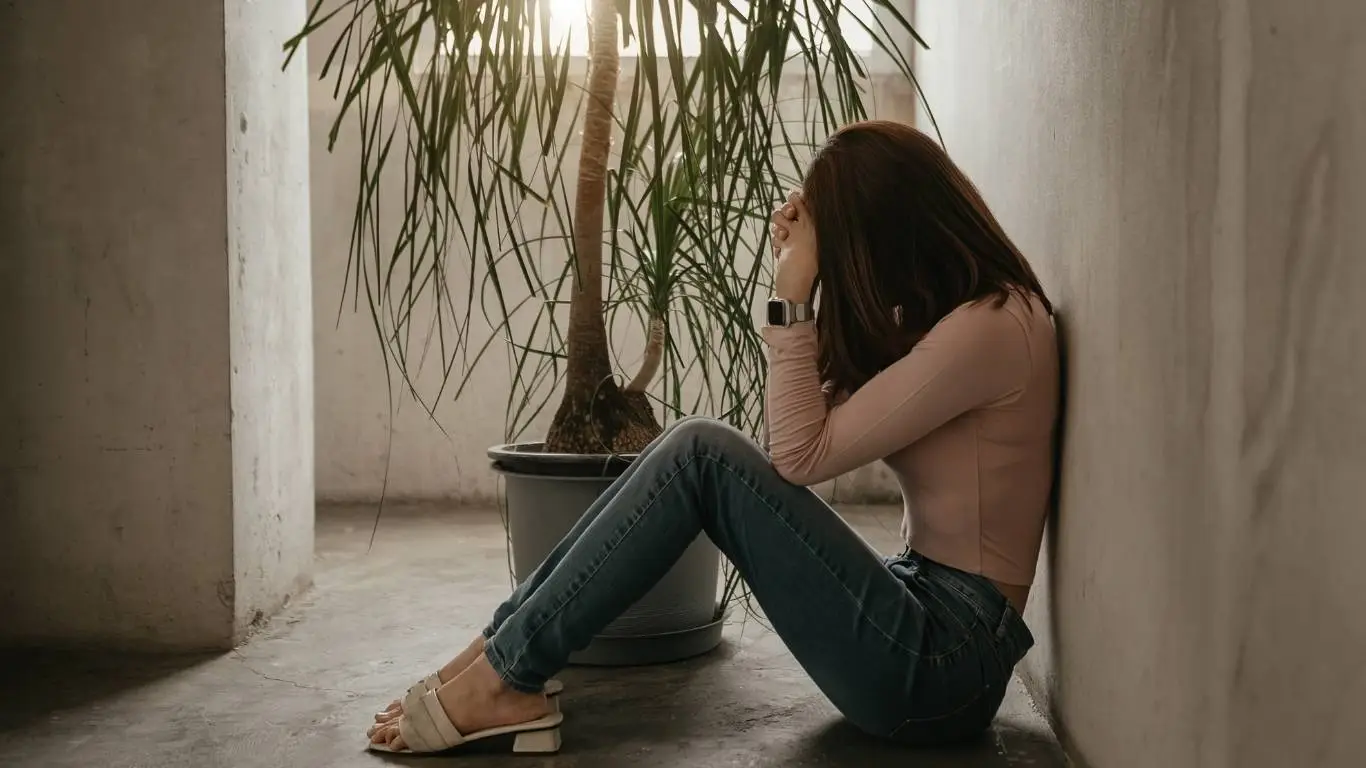
It’s easy to think of anxiety as just an emotional problem, but the way it spreads into your life is so much broader. It affects your work—you hesitate to speak up in meetings, avoid opportunities, or overwork yourself trying to compensate. It sabotages sleep, making nights a battleground of intrusive thoughts. It even chips away at how you see yourself. You start identifying as someone who’s “too sensitive,” “not good under pressure,” or “just broken.”
This erosion of self-worth builds quietly but quickly. And unless addressed, it can morph into full-blown burnout. For a more clinical look at how this process unfolds, this comprehensive main pillar guide really connects the dots between emotional and functional disruption.
When You Start Avoiding Joy Before It Even Happens
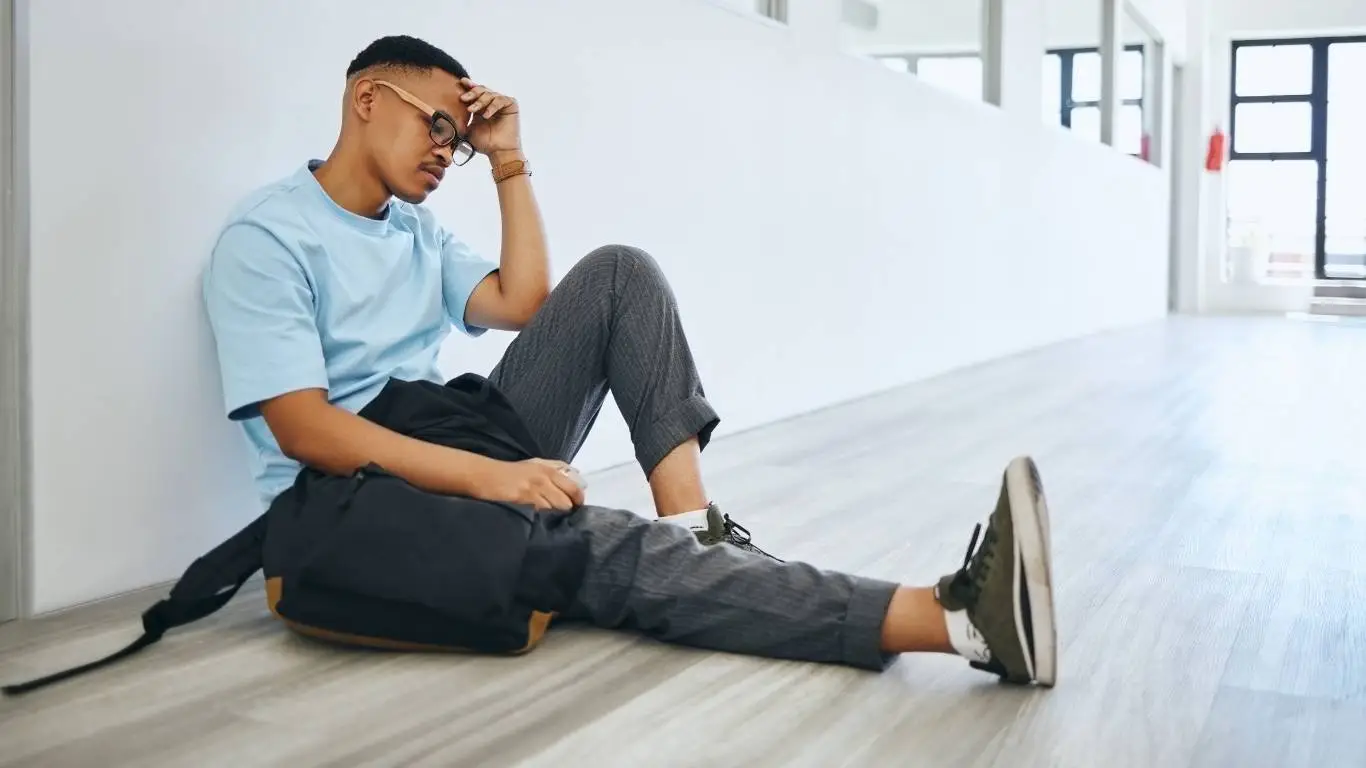
This might be the cruelest part. Anxiety convinces you that it’s safer not to feel joy at all than risk losing it. I can’t count how many times I canceled plans or avoided trying something new—not because I didn’t want to go, but because the anticipation of discomfort felt worse than the disappointment of missing out.
There’s actually a name for this: anticipatory anxiety. It’s the mental rehearsal of what could go wrong, played over and over until you decide it’s just better to stay home. But it’s a trap. Because when you avoid discomfort, you also avoid joy, growth, and the spontaneous magic that makes life worth living.
Practical Shifts That Made a Difference for Me
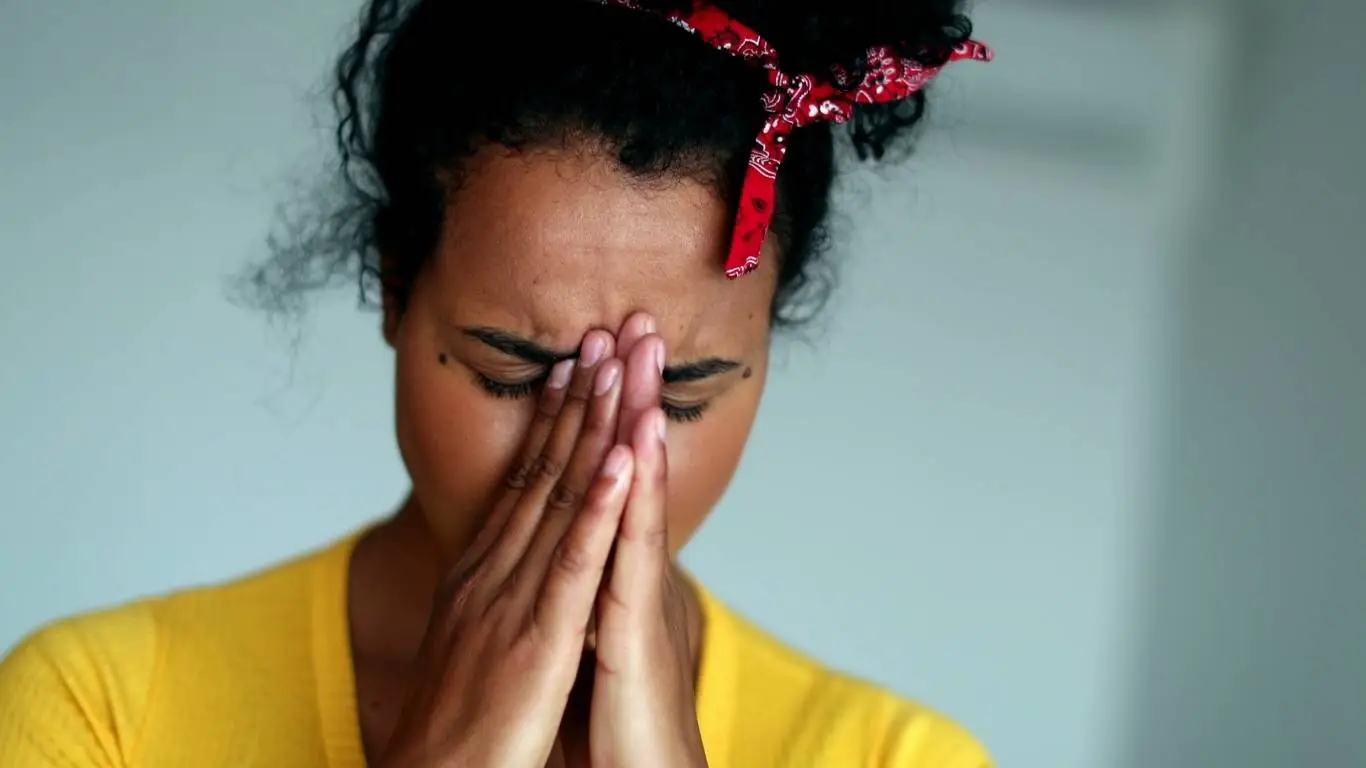
For me, reclaiming joy didn’t happen in a big, dramatic way. It came from micro-changes. Here are a few things that made a real difference:
- Scheduling 10 “no productivity” minutes a day, guilt-free
- Journaling not to fix my thoughts, but to observe them
- Walking without a phone or podcast—just nature and breath
- Allowing myself to cancel plans without shame, but also gently pushing myself to go when I could
I also leaned heavily on this extremely helpful guide on lifestyle-based anxiety support, which breaks down small, doable changes that build back your sense of safety and self-trust.
And of course, pairing this with insight from trusted external resources like ADAA and NAMI gave me a foundation I could rely on beyond just my own experiences.
You’re Not Just “Too Sensitive”

If no one’s said it to you yet—your anxiety is valid. The impact it’s having on your life is real. You’re not imagining it, and you’re not weak. Learning to enjoy life again takes time, patience, and support—but it is entirely possible.
And you don’t have to go it alone. Consider exploring additional support methods in this helpful piece on anxiety counseling and therapy options, which can guide you through the process with tools tailored to your journey.

Camellia Wulansari is a dedicated Medical Assistant at a local clinic and a passionate health writer at Healthusias.com. With years of hands-on experience in patient care and a deep interest in preventive medicine, she bridges the gap between clinical knowledge and accessible health information. Camellia specializes in writing about digestive health, chronic conditions like GERD and hypertension, respiratory issues, and autoimmune diseases, aiming to empower readers with practical, easy-to-understand insights. When she’s not assisting patients or writing, you’ll find her enjoying quiet mornings with coffee and a medical journal in hand—or jamming to her favorite metal band, Lamb of God.