Why Using AI Posture Monitors Improves Back Health Fast
If you’re anything like me, sitting for long hours—whether it’s at a desk, in traffic, or scrolling endlessly on your phone—takes a toll on your back. It wasn’t until I started waking up with nagging stiffness and mid-day shoulder aches that I realized something had to change. That’s when I stumbled upon AI posture monitors. At first, it felt a bit gimmicky. But after a few weeks of using one, the difference was hard to ignore. Here’s a deeper look at how these smart tools are changing the game when it comes to back health.
How AI Posture Monitors Actually Work

Think of AI posture monitors as your friendly digital coach that nudges you every time you slouch. These devices, often clipped onto your shirt or worn as part of smart clothing, use a combination of gyroscopes, accelerometers, and machine learning to analyze your spinal alignment in real-time.
What makes them stand out is the adaptive feedback. They don’t just alert you when your posture is off—they learn your patterns and offer tailored recommendations over time. That’s where the “AI” part kicks in. Some even sync with your phone to give you detailed posture analytics, daily scoring, and progress tracking over weeks or months.
Key Features You’ll Actually Use
- Real-Time Alerts: Gentle vibrations remind you to correct slouching.
- Activity Recognition: Knows when you’re sitting, standing, or walking.
- Mobile Integration: Data syncs with apps for insights and habit tracking.
- AI Recommendations: Adapts to your body mechanics over time.
When I first used one during my late-night editing sessions, I was shocked at how often I leaned forward. These subtle nudges helped retrain my posture without making me feel micromanaged.
Why Good Posture is Critical for Back Health

We’ve all heard that slouching is bad. But how bad, really? The answer: very. Poor posture compresses discs, overstretches spinal ligaments, and places undue stress on lower back muscles. Over time, this can snowball into chronic pain, nerve irritation, or even herniated discs.
According to NIH, posture-related back issues are one of the top musculoskeletal complaints among office workers. And it’s not just the lumbar region. Bad posture can affect your neck, shoulders, and even breathing patterns.
Check out our deeper guide on how posture leads to chronic back pain to understand just how widespread and preventable this issue really is.
Back Pain Conditions Made Worse by Poor Posture
Correct posture won’t fix these issues overnight, but it plays a massive role in reducing flare-ups and long-term damage. For a complete breakdown, explore our pillar article on common causes of back pain.
The Surprising Daily Habits That Undermine Your Posture
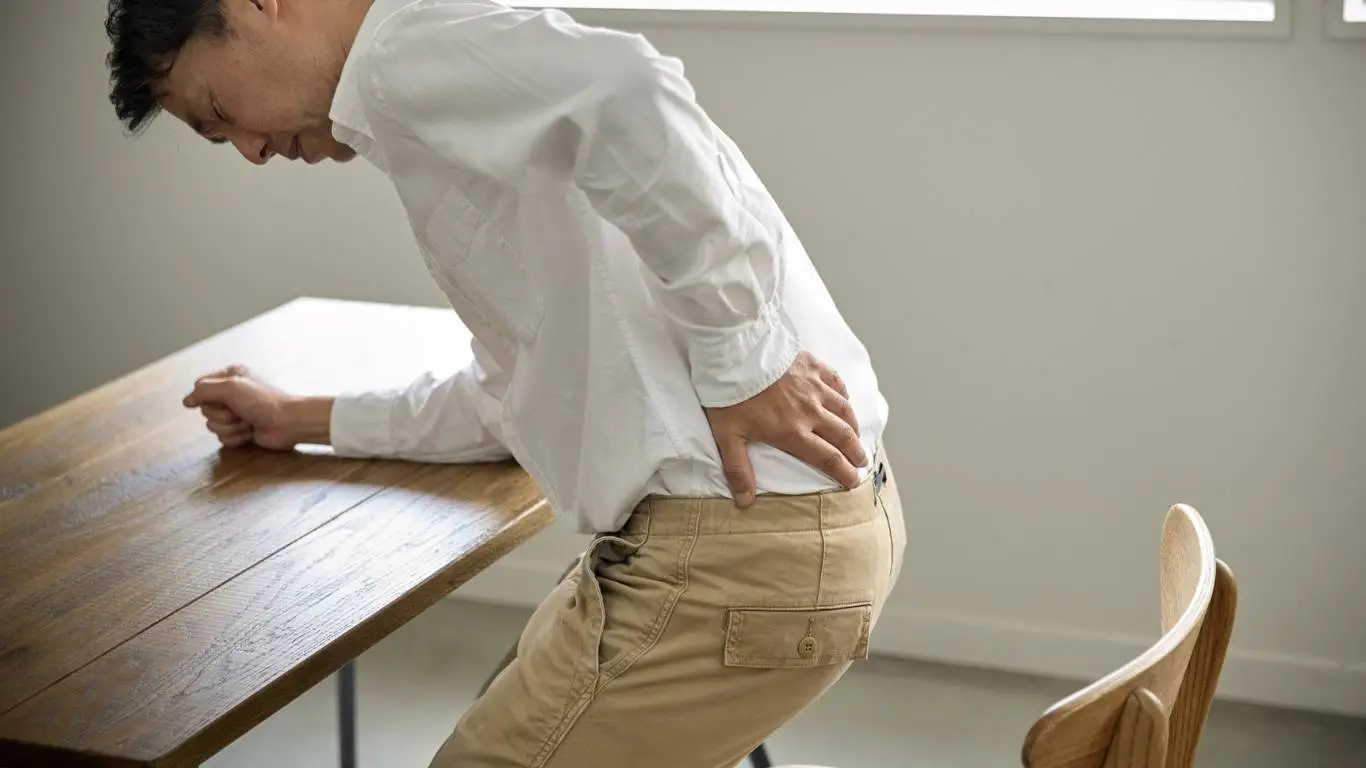
You might be using ergonomic chairs or doing regular stretches, but if you’re doing these posture-killers every day, even an AI monitor will struggle to keep up:
- Cradling the phone: Tilting your neck forward for long periods can trigger upper back tension.
- Crossing legs: Can tilt the pelvis and create muscular imbalance.
- Sitting too long: Prolonged sitting reduces core engagement and encourages slouching. Learn more about sitting-related spine issues.
That’s where AI tools offer real, practical help. They don’t just correct your posture—they build better habits by calling out the micro-errors we repeat all day without realizing.
When I Knew It Was Worth It

I was skeptical. $70 for a posture gadget? But after a few weeks, I noticed I was sitting taller and lasting longer at my desk without back fatigue. It’s not that the monitor fixed my spine—it simply helped me *notice*. The awareness was the real win.
Curious if posture monitors could help in your specific situation? You might want to explore conditions like sciatica or spondylolisthesis which are often exacerbated by poor alignment and benefit from proactive posture management.
For broader context, our back pain overview covers everything from types and symptoms to long-term management approaches.
Choosing the Right AI Posture Monitor for You

Not all posture trackers are created equal. Some offer just basic feedback, while others dive deep with spinal mapping and adaptive AI. Here’s what to consider:
- Comfort: Wearability matters. If it’s bulky, you won’t use it.
- Battery Life: Look for models that last at least a week between charges.
- App Usability: A clean, easy-to-read dashboard helps you stay consistent.
- Data Accuracy: Reviews and calibration options make a huge difference.
For insight on managing posture-related strain with rehab and movement, don’t miss our in-depth article on rehabilitation and ergonomics.
How AI Monitors Help You Build Long-Term Habits

Here’s the thing—most of us don’t have a posture problem once. We have it all day, every day. What AI monitors excel at is pattern recognition. They track when you tend to slouch (usually 11am for me), and how long it takes you to correct it. That awareness isn’t just helpful—it’s game-changing.
After a month of consistent use, I noticed I was self-correcting without waiting for the buzz. That’s the real power. It moves you from reactive correction to instinctive posture control. It’s not just about sitting straight—it’s about creating sustainable alignment habits that last even when you’re not wearing the device.
Curious how posture fits into larger lifestyle changes? Our breakdown on lifestyle and natural remedies for back pain covers everything from movement to anti-inflammatory habits that amplify your recovery.
Best Situations Where AI Posture Monitors Shine

These devices aren’t a magic fix for every scenario, but they’re ideal in certain high-risk back-pain environments:
- Remote workers: Most of us don’t realize how bad our home desk setup is. These trackers make you mindful in real-time.
- Gamers & streamers: Hours hunched over a screen can destroy posture—AI monitors gently break that posture trance.
- Students: Whether it’s cramming or doomscrolling, long study sessions = posture regression.
- Drivers: Extended commuting or rideshare driving takes a toll. Wearable sensors nudge you when you’re slumping.
In fact, posture support devices can be a smart complement to ergonomic changes in your environment. If you’re serious about transforming your workday setup, check out our guide on occupational and travel-related back pain.
Combining AI Posture Tracking With Active Movement

I learned quickly that tech alone doesn’t fix a bad back. What made the biggest difference for me was pairing posture tracking with low-impact movement. I started incorporating more standing breaks, quick shoulder rolls, and even swapped my chair for a kneeling stool once in a while. AI helped me notice when I was static for too long, and that awareness sparked more frequent micro-movement breaks.
Want to add movement into your routine? Start with these proven back pain relief stretches that I still rotate through every day. They’re simple, fast, and way more effective when paired with posture awareness.
Why Mindfulness Matters When You’re Fixing Your Posture

Believe it or not, one of the biggest game changers for me wasn’t physical—it was mental. AI posture monitors are basically mindfulness devices in disguise. They don’t just buzz you into action; they ask you to *notice* your body more often. That awareness adds up. You start asking: “How am I sitting?” “Am I slouching again?” “Is my spine neutral right now?”
Those questions started spilling over into other areas. Better posture in meetings. Better breathing during workouts. Less neck strain during my evening reading time. If you’re looking to deepen that awareness, mindfulness meditation for pain is surprisingly effective—especially when used alongside posture correction tools.
Posture Awareness Is Just the Start—What Comes Next

Once posture becomes a habit, it opens the door to other improvements. I personally found myself more motivated to fix my sleep setup, improve my desk ergonomics, and stay consistent with physical therapy exercises. These wins compound. You’ll find yourself asking bigger questions—like whether your mattress is killing your back or if your office chair is secretly your biggest enemy (mine was).
Explore our guide on symptoms and early diagnosis to catch small posture issues before they spiral into long-term injuries. Prevention here is worth more than any cure.
Where AI Monitoring Fits in the Bigger Picture of Back Health

The goal isn’t to wear posture monitors forever. It’s to *retrain your brain and muscles* until good posture becomes second nature. Just like training wheels, they serve a purpose—but eventually, you’re meant to ride on your own.
That said, I still wear mine during long travel days or whenever I’m pulling a work marathon at the laptop. It’s like a quiet coach in my corner, keeping my spine in check when I’m not paying attention.
To expand your back care routine beyond posture tracking, explore the full-body strategies in our main guide on back pain and the core article on rehabilitation and movement.
Back health isn’t just about fixing what’s broken—it’s about moving smarter, sitting smarter, and living better—every single day.

Camellia Wulansari is a dedicated Medical Assistant at a local clinic and a passionate health writer at Healthusias.com. With years of hands-on experience in patient care and a deep interest in preventive medicine, she bridges the gap between clinical knowledge and accessible health information. Camellia specializes in writing about digestive health, chronic conditions like GERD and hypertension, respiratory issues, and autoimmune diseases, aiming to empower readers with practical, easy-to-understand insights. When she’s not assisting patients or writing, you’ll find her enjoying quiet mornings with coffee and a medical journal in hand—or jamming to her favorite metal band, Lamb of God.