Why Floaters That Form After A Fever Could Be A Red Flag
Let me tell you something weird that happened after I got hit with a nasty fever last winter. The fever broke, I started to feel better… but then something strange caught my eye—literally. These little translucent squiggles were drifting around every time I looked at a blank wall or the sky. At first, I thought it was just fatigue or maybe I needed more sleep. But when they didn’t go away, I started to dig. What I found? Those annoying shapes are called eye floaters, and they’re way more connected to post-fever symptoms than you might think.
What Are Eye Floaters—And Why Do They Show Up After a Fever?
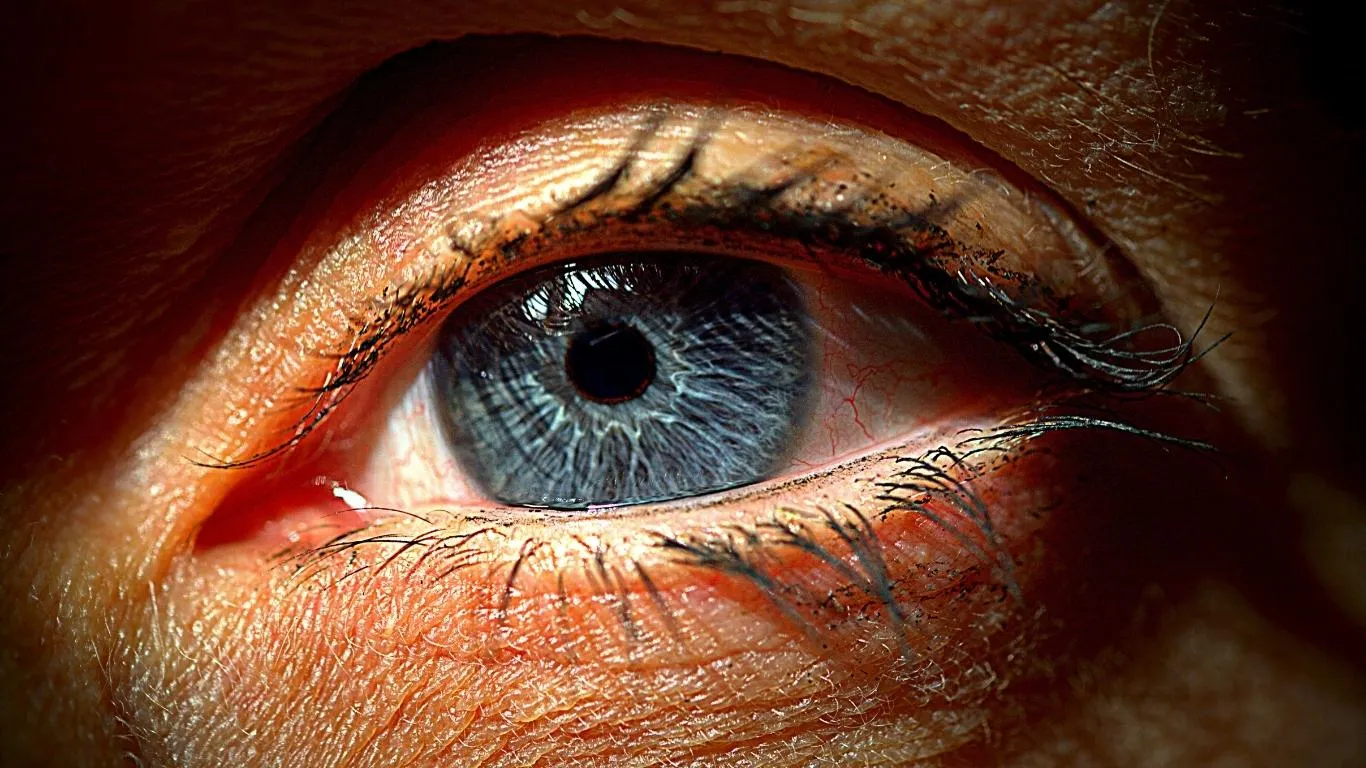
Floaters are those drifting spots, cobwebs, or thread-like shapes you sometimes notice when looking at bright, plain surfaces. They’re actually tiny clumps or strands of collagen floating inside the vitreous—the gel-like substance in your eye. As they cast shadows on your retina, you see them as floaters.
But what’s the connection between a fever and these visual ghosts? Turns out, your body’s immune response and inflammation levels can stir things up inside your eyes too. It’s not just your sinuses or lungs that react to infection—your eyes can feel the aftermath too.
Fever-Induced Floaters: What’s Actually Happening Inside the Eye?
Fever, especially from viral or bacterial infections, causes your immune system to fire up. This results in inflammation all over the body—including inside the eye. For some people, this systemic inflammation leads to what’s called vitreous syneresis, which means the vitreous gel starts to shrink and pull away from the retina. As that happens, it can leave behind floating debris.
Infections like post-fever floaters or even from viral eye infections can also directly affect the retina or the optic nerve. And yes, this includes those “harmless” colds and flus. Even if the fever wasn’t sky-high, your immune system could’ve done enough internal cleanup to shake up your eye’s internal structure.
Top Fever-Related Causes of New Floaters
- Viral infections like influenza, COVID-19, or Epstein-Barr
- Autoimmune response post-fever that inflames the retina or vitreous
- Dehydration during fever shrinking the vitreous gel
- Medication side effects from antipyretics or antivirals
- Viral-induced uveitis, which can leave floating debris inside the eye
If you’re wondering whether this is just in your head—nope. Floaters after fever are well-documented and not as rare as you’d think.
When Should You Be Worried?
Let’s get real. Not all floaters are dangerous. But when they come on suddenly after a high fever or systemic infection, it’s worth taking seriously. Especially if you notice:
- A sudden burst of floaters, like glitter scattered in your field of view
- Flashes of light that resemble lightning bolts
- Loss of peripheral vision, like a curtain falling over part of your eye
- Eye pain, headaches, or pressure
These could signal more serious issues like retinal tears or even inflammation of the optic nerve. In fact, studies from sources like American Academy of Ophthalmology confirm that systemic inflammation can spark serious retinal complications if left unchecked.
Sometimes the floaters are temporary and go away as your body stabilizes post-illness. But if they persist—or if they’re accompanied by weird symptoms—see an eye doctor, preferably one who specializes in retinal health. No, it’s not being dramatic. Your vision deserves the same priority you’d give a lingering chest pain or migraine.
How Long Do Fever-Related Floaters Stick Around?
In my case? The floaters lingered for about three weeks before they started to fade. For others, it could take months. Floaters from vitreous detachment or minor inflammation generally fade as the debris settles or your brain learns to tune them out. But not always.
Recovery varies depending on the root cause. If your floaters are due to an infection-induced uveitis, the inflammation must be treated first. If it’s from dehydration, rehydration and time might be enough. But if your floaters worsen or shift in shape, you’ll want that evaluated to rule out tears or bleeding.
For a deeper dive into how doctors treat floaters caused by inflammation, trauma, or infection, I highly recommend checking out this detailed treatment breakdown. It’s packed with current options—from eye drops to vitrectomy surgery.
Other Less-Known Factors That Could Be At Play
- Dehydration worsening floaters after fever
- Thyroid dysfunction aggravated by fever
- Residual inflammation from autoimmune reactions
Want a big-picture overview of all possible causes? The article on eye floaters causes, symptoms, and treatments is a great place to start. It’s the ultimate primer to understand what’s happening behind those drifting shadows.
What Helped Me the Most (And What Didn’t)
After trying what felt like everything under the sun—eye drops, blue light glasses, herbal teas—I figured I’d share what actually made a difference. Spoiler alert: a lot of what I tried didn’t do much. But there were a few things that stood out, especially for those post-fever floaters.
What Actually Helped:
- Hydration. I underestimated how dry fever can leave your system. Just boosting water intake helped ease the intensity of the floaters noticeably within a week. This also lines up with info from this piece on dehydration.
- Natural anti-inflammatory foods. I leaned hard into omega-3s (chia seeds, walnuts, salmon), leafy greens, and turmeric. It didn’t fix the floaters overnight, but the improvement in eye comfort and fatigue was obvious after a few weeks.
- Eye exercises. Following some suggestions from this article on eye floater exercises—like focusing drills and gentle rolling motions—helped retrain my eyes and my brain to stop fixating on the floaters.
What Didn’t Help (At Least For Me):
- Over-the-counter eye drops. The regular kind for redness or dryness? No real effect.
- Supplements marketed for “eye clarity.” I tried a few—mostly lutein and bilberry blends. Zero noticeable difference after a full month.
- Blue light glasses. I know some people swear by them, but they didn’t touch the floaters. That said, they did help with screen fatigue.
Of course, everyone’s eyes respond differently. But this list might give you a better place to start than the endless sea of floater forums out there. Or worse, falling for some sketchy “floater dissolver” ad you found at 2AM.
Can Floaters From Fever Signal Something Bigger?
Here’s something that doesn’t get talked about enough: fever isn’t always just fever. For some people, what seems like a normal viral illness is actually the first domino in something deeper—like an autoimmune issue or vascular inflammation that messes with the retina.
If your floaters are accompanied by lightheadedness, headaches without migraines, or your eye pressure feels “off,” that could be your cue to investigate beyond a standard eye exam. There are cases where systemic infections trigger floaters as early signs of bigger issues—like posterior uveitis, optic neuritis, or even autoimmune vasculitis.
According to data from ncbi.nlm.nih.gov, there’s a measurable connection between post-viral inflammatory syndromes and ocular symptoms, particularly in adults over 35. So yeah, don’t brush it off if things feel off.
Is There a “Normal” Recovery Timeline?
There’s no one-size-fits-all here. But if your floaters showed up post-fever and you’re otherwise healthy, here’s a rough timeline based on my own experience and others I’ve talked to:
- Week 1–2: Floaters are frequent and kind of scary. They might shift in shape or appear in different lighting.
- Week 3–5: Some fading happens naturally. Your brain begins to filter them out.
- Month 2–3: They’re either gone, greatly reduced, or still there but not dominating your vision like before.
If things get worse instead of better, especially after the first month, it’s time to look into underlying inflammation or structural eye changes. Articles like this recovery guide can help set better expectations on that front.
What You Should Do Right Now If You Have Post-Fever Floaters
Here’s a simple action list:
- Track changes daily. If floaters increase rapidly or shift in pattern, write it down.
- Hydrate like it’s your job. It sounds basic, but most of us don’t drink enough after being sick.
- Don’t panic-scroll forums. Some are helpful, most are full of worst-case fear spirals.
- Get a proper eye exam. Specifically, ask for a dilated retinal check if floaters are new and post-illness.
- Stick to one or two natural approaches. Too many at once = no idea what’s working.
And above all, stay curious but grounded. Some floaters really do pass on their own. Others are a signal that something deeper is brewing. Know the difference, trust your gut, and get help when it feels off.
If you want to explore how floaters differ from other visual issues like retinal problems or optic disturbances, this comparison guide breaks it down without overwhelming you.

Camellia Wulansari is a dedicated Medical Assistant at a local clinic and a passionate health writer at Healthusias.com. With years of hands-on experience in patient care and a deep interest in preventive medicine, she bridges the gap between clinical knowledge and accessible health information. Camellia specializes in writing about digestive health, chronic conditions like GERD and hypertension, respiratory issues, and autoimmune diseases, aiming to empower readers with practical, easy-to-understand insights. When she’s not assisting patients or writing, you’ll find her enjoying quiet mornings with coffee and a medical journal in hand—or jamming to her favorite metal band, Lamb of God.