Why Understanding Shortness Of Breath In Anxiety Can Be Life-Changing
It’s wild how many times I’ve found myself gasping for air, convinced something was wrong with my lungs—only to realize it was anxiety playing its old tricks again. If you’ve ever felt like you just couldn’t get a deep breath, like there’s a weight on your chest even though nothing physically is “wrong,” you’re definitely not alone. Shortness of breath in anxiety is one of those symptoms that feels too real to be “just anxiety.” But understanding what’s really happening can be a total game-changer in how we cope.
Why Anxiety Makes Breathing Feel Impossible
Anxiety activates your body’s fight-or-flight response—essentially a full-on internal alarm system. When this happens, your body thinks you’re in danger, so it speeds up heart rate, tightens muscles, and yes—alters your breathing pattern. This change isn’t dangerous, but it *feels* terrifying.
What’s Really Going On?
- Hyperventilation: You start breathing faster and more shallow, which throws off the balance of oxygen and carbon dioxide in your blood.
- Chest Muscle Tension: Anxiety causes your chest and diaphragm to tense up, making breathing feel laborious.
- Focused Awareness: When you hyper-focus on your breathing, every tiny sensation feels magnified. That creates a feedback loop of fear.
I remember one night lying in bed thinking, “I can’t breathe.” My pulse was fine, no wheezing, no congestion—but my brain was in panic mode. It wasn’t asthma. It wasn’t a heart issue. It was *anxiety* doing what it does best—tricking me into fear.
Is It Anxiety or Something Else?
Let’s be clear: not all breathing issues are anxiety. It’s always wise to rule out asthma, COPD, heart conditions, or other medical concerns. But once the tests come back clean, it’s worth exploring how anxiety fits into the picture. If you want to understand how these diagnostic paths are typically approached, this diagnostic guide for anxiety disorders breaks it down in practical terms.
In fact, this article helps clarify the difference between anxiety-related shortness of breath and more serious health issues. It’s one I still send to friends and family who are new to this experience and freaking out like I used to.
Red Flags to Look Out For
- Shortness of breath that worsens with physical activity or gets better with rest.
- Consistent wheezing or chest pain unrelated to anxiety or panic triggers.
- Swelling in legs, dizziness, or fainting spells.
If any of those sound familiar, do not self-diagnose—get evaluated. Once the physical causes are ruled out, then you can begin addressing what might be emotional in origin.
Breathing Exercises That Actually Help (and Ones That Don’t)

One of the most frustrating things about anxiety-induced shortness of breath is that trying to “breathe normally” often makes it worse. At least it did for me. When I was hyper-aware of every inhale and exhale, I just spiraled harder. Here’s what finally helped me break that cycle.
Effective Techniques
- Box Breathing: Inhale for 4 seconds, hold for 4, exhale for 4, hold for 4. Repeat. It engages your parasympathetic nervous system to calm things down.
- Diaphragmatic Breathing: Breathe into your belly, not your chest. This activates relaxation instead of panic.
- 4-7-8 Breathing: Inhale for 4, hold for 7, exhale for 8. It physically slows your heart rate and nervous system.
Still, not every technique works for everyone. Some people actually feel worse trying to do breathwork. If you want something super specific that has shown results, I’d highly recommend these proven anxiety breathing exercises.
What Doesn’t Work (For Me, Anyway)
- Forcing deep breaths too quickly — this made me dizzy every time.
- Counting every breath obsessively — it just increased my anxiety.
- Trying to “fix” my breath instead of just observing it — major overthinking trap.
What finally clicked for me was accepting the feeling and not fighting it. Ironically, *not trying to fix it* is what allowed my breath to normalize.
The Cycle Between Thoughts and Breath

This is where things get sneaky. You start with a stressful thought, your breathing shifts, you notice your breathing and panic, which makes it worse. I’ve literally panicked just *thinking* I was about to have trouble breathing. That kind of anticipatory anxiety is a whole beast of its own.
Our brains are wired to respond to patterns—so if breathing trouble happened once during panic, your mind starts associating any breath oddity with danger. This is where cognitive behavioral therapy becomes incredibly effective. It helped me break down these patterns and reframe my response when symptoms hit.
And if you’re not sure what’s even triggering the episodes? It’s worth looking into the hidden causes of anxiety disorders that many overlook—turns out, some of mine were tied to gut health, poor sleep, and unresolved stress I didn’t even recognize as stress.
For a more complete understanding of how symptoms like these can weave into your day-to-day without warning, this main guide on how anxiety disorders impact daily life is gold. And if you want to dive deeper into how physical symptoms reveal emotional distress, the symptoms of anxiety disorders article offers the full picture.
According to National Institute of Mental Health and Mayo Clinic, physical symptoms of anxiety are incredibly common, and shortness of breath is high on that list. It’s validating to know it’s not “just you.”
How to Respond When Shortness of Breath Hits
When that sudden tight-chested, air-hungry feeling hits out of nowhere, it’s easy to panic. The trick—though it takes practice—is not to chase your breath or “fix” it, but to shift your focus. Grounding has been a lifesaver for me in those moments. Literally stepping outside barefoot or grabbing a cold glass of water can interrupt the spiral. Weird, but it works.
Simple Steps That Actually Help
- Drop Your Shoulders: Most people tense their shoulders when anxious, which limits chest movement. Drop them intentionally.
- Slow Your Exhale: Don’t worry about the inhale. Instead, focus on lengthening your exhale—it signals safety to your brain.
- Name 5 Things: It sounds cheesy, but identifying 5 things you see can break the mental loop fueling the breath issue.
Here’s a deeper dive into progressive muscle relaxation—a body-first approach that often helps even when the mind is running wild. I keep this one bookmarked.
How Lifestyle Changes Reduce Anxiety Breathlessness
For me, shortness of breath during anxiety didn’t go away until I got serious about my daily habits. I didn’t need a major life overhaul—I just had to tweak a few things that were silently making it worse.
What Actually Made a Difference
- Cutting back caffeine: It was hard, but my body stopped feeling like a live wire all the time. More on that in this article.
- Hydration: Dehydration can mimic breathlessness. I underestimated how much plain water changed my baseline anxiety.
- Movement: Walking while anxious seemed counterintuitive at first, but it helped burn off the adrenaline build-up.
If you’re looking for more natural approaches, I highly recommend checking this curated list of lifestyle changes for anxiety relief that actually hold up over time.
When Shortness of Breath Disrupts Your Day-to-Day
There was a point when I couldn’t sit through a meeting without feeling like I needed to bolt outside just to “get air.” Sound familiar? Anxiety can be invisible to others but all-consuming for you. When shortness of breath happens often, it chips away at your routine, your sleep, your productivity, your ability to function.
Here’s a very helpful breakdown on how anxiety affects work performance—it hit home for me, especially the part about feeling like an imposter when your symptoms don’t “look” serious to others.
Nighttime Breathlessness
This one haunted me for months. I’d lie in bed and suddenly become hyper-aware of my breath, which turned into panic, which led to—you guessed it—more shortness of breath. This cycle would repeat until 3 AM.
Turns out, I wasn’t alone. Sleep anxiety is a whole subset of anxiety symptoms, and it’s surprisingly common. I started incorporating calming routines (not just shutting off my phone) and things shifted fast.
What to Say to Your Doctor (Without Feeling Dismissed)
One of the biggest challenges is feeling like your symptoms aren’t taken seriously. I’ve had doctors tell me, “Your lungs are fine,” as if that meant I should stop feeling breathless. The key is to frame your concerns clearly:
- Describe the pattern: “It happens more when I’m stressed or overthinking.”
- Note what helps: “Breathing exercises help, but not always.”
- Mention any overlap with panic, insomnia, or racing thoughts.
Want to feel more equipped? This guide on anxiety diagnosis and assessment helps you understand what doctors look for—and how to advocate for yourself.
Therapy That Helps Rewire the Fear of Breathing Trouble
I’ll be honest, I didn’t believe therapy could help with a *physical* symptom like shortness of breath. But my therapist introduced exposure therapy—not to trauma, but to my own body cues. Slowly, I got used to feeling breathless without panicking about it. Huge shift.
This style of approach is laid out beautifully in the article on exposure therapy for phobia and body symptoms. It’s less intense than you’d think and way more effective than I imagined.
Others find help through psychotherapy tailored for anxiety—especially when breath-related fears dominate their daily life. The mix of strategy and empathy makes all the difference.
Complementary Approaches That Actually Made Me Feel Calmer
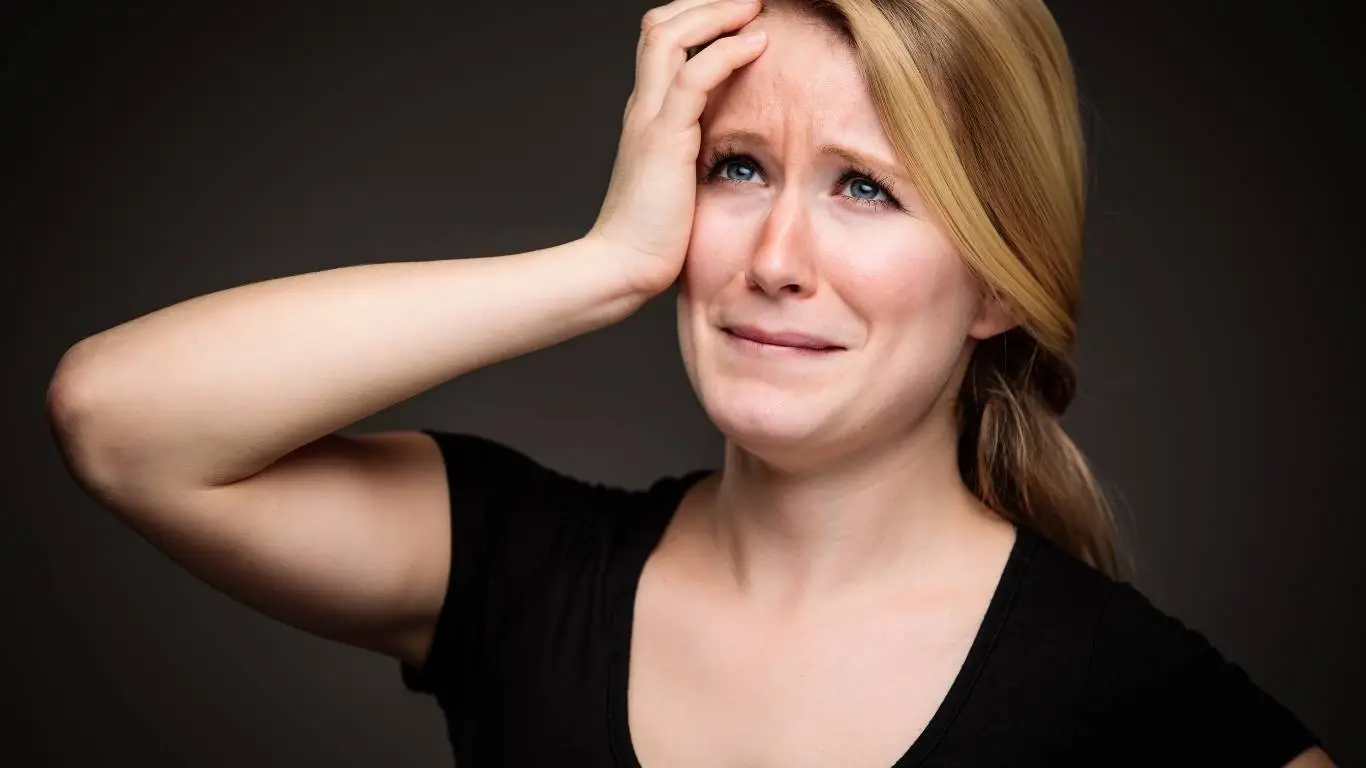
Beyond breathing drills and therapy, there were a few holistic methods I hesitated to try—but I’m glad I did. Even though they’re not “treatments,” they helped regulate my system and gave me a feeling of control.
- Aromatherapy: I started diffusing lavender and eucalyptus during anxious moments. Aromatherapy for anxiety isn’t just hype—it taps directly into your limbic system.
- Yoga: Certain poses expand the chest and encourage slow, intentional breath. I learned a lot from this anxiety yoga guide.
- Herbal Teas: Chamomile became my best evening ritual. More calming blends in this list.
Even if it’s just a placebo? Who cares. If it helps you breathe better—literally and emotionally—it’s worth it. And if you’re looking for options backed by research and tradition, this deeper dive into complementary anxiety therapies gives you a full roadmap.
What Helped Me Finally Feel Free From the Breath Trap
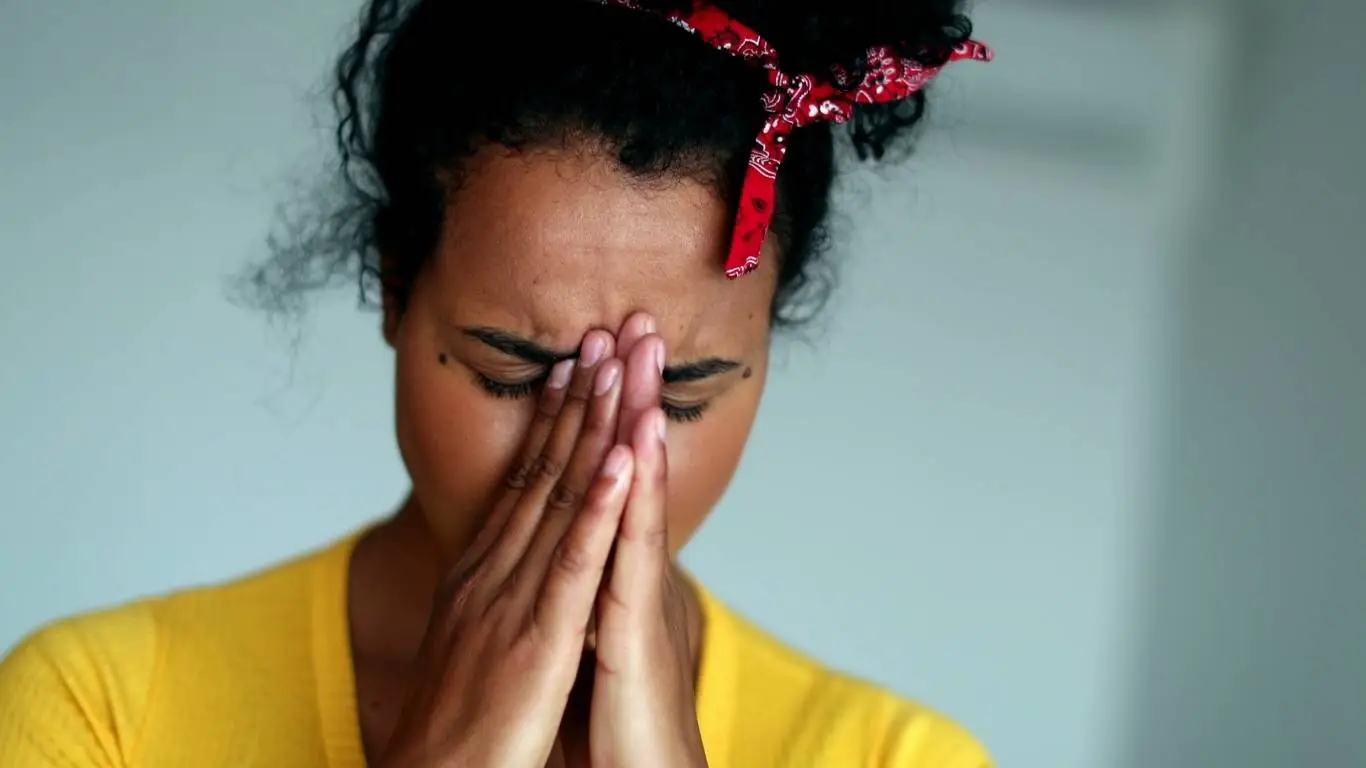
It didn’t happen overnight. But understanding the link between my breathing and my anxiety was the first real step. Then came the tools—practical, grounded stuff like body scanning, journaling, therapy, and movement. These days, when shortness of breath shows up, I don’t panic. I know it’ll pass. And sometimes, that knowing is all it takes to get through it.
If you’ve been feeling confused, frustrated, or scared by this symptom, I promise you’re not overreacting. You’re not imagining it. You’re not alone. And you’re not stuck with it forever.
Want a deeper breakdown of how symptoms like this work across all anxiety types? This guide on anxiety symptoms you shouldn’t ignore is a solid place to start. For the broader journey toward recovery, check out the full anxiety disorders main guide.
According to ADAA and WebMD, nearly 60% of those with anxiety disorders report physical symptoms like breathlessness. Knowing that it’s common doesn’t make it easier—but it does make it treatable.

Camellia Wulansari is a dedicated Medical Assistant at a local clinic and a passionate health writer at Healthusias.com. With years of hands-on experience in patient care and a deep interest in preventive medicine, she bridges the gap between clinical knowledge and accessible health information. Camellia specializes in writing about digestive health, chronic conditions like GERD and hypertension, respiratory issues, and autoimmune diseases, aiming to empower readers with practical, easy-to-understand insights. When she’s not assisting patients or writing, you’ll find her enjoying quiet mornings with coffee and a medical journal in hand—or jamming to her favorite metal band, Lamb of God.