Why Floaters Seen After Facial Massages Might Be a Warning Sign
If you’ve ever gotten a relaxing facial massage—complete with soothing oils and warm towels—and then, out of nowhere, noticed strange shapes drifting across your vision, you’re not alone. I remember one session where I left the spa thinking I had glitter stuck in my eye. Turns out, it wasn’t glitter at all—it was something much more annoying: floaters. These squiggly shadows, sometimes like cobwebs or transparent blobs, were suddenly noticeable after the session, and it left me wondering what was really going on in my eyes.
What Are Eye Floaters and Why Do They Appear?
Eye floaters are small pieces of debris that float in the vitreous humor—the jelly-like substance inside your eye. They cast shadows on the retina and can appear as spots, lines, or even ghostly shapes that seem to move when your eyes do. For most people, they’re harmless. But when they pop up right after something like a facial massage, it’s worth taking a closer look.
Can Facial Massages Really Trigger Eye Floaters?
Short answer? Yes, in some cases. While it might sound a bit strange, the mechanical pressure and stimulation from a deep facial massage can potentially affect the delicate structures of the eye, especially if there’s any excessive pressure applied around the orbital area.
The skin and muscles around your eyes are incredibly sensitive. A massage that includes strong kneading near the temples or direct contact with the upper cheeks can sometimes lead to increased vitreous movement, especially in individuals who are already predisposed to floaters. That’s what happened to me. A particularly deep facial—meant to be calming—had me squinting into the light the next day, trying to make sense of the new ‘floaty things’ that weren’t there before.
Here’s why facial massages might play a role:
- Increased circulation: Massage boosts blood flow, but excessive vascular pressure can cause minor retinal stress.
- Facial manipulation: Aggressive techniques around the eyes can jostle the vitreous body, especially in aging eyes.
- Head position: Lying flat or at an angle for a long time during the session might subtly shift internal eye fluids.
Is It Dangerous?
Not usually. In most cases, these floaters are simply a sign that something has shifted inside your eye temporarily. But—and this is important—if you suddenly notice a significant increase in floaters, flashes of light, or a curtain-like shadow in your vision, you should see an eye doctor immediately. These could be signs of a more serious condition like a retinal tear or detachment.
It’s also worth checking out when floaters might be dangerous, because while most are benign, they can sometimes be the first warning sign of something you don’t want to ignore.
Common Triggers That Make Floaters More Noticeable
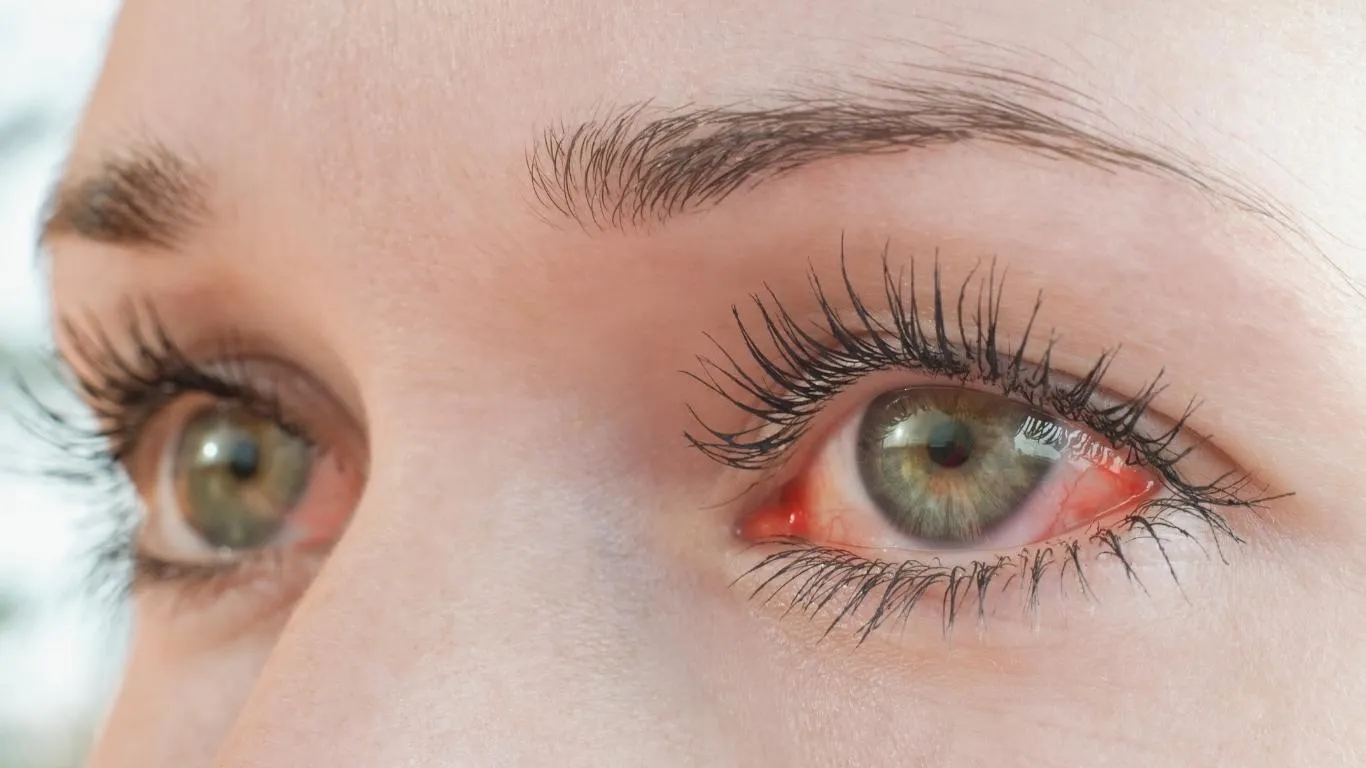
Facial massages aren’t the only things that can highlight floaters. There are dozens of factors that can make these visual intrusions more apparent. In fact, you may already have floaters but not notice them until conditions bring them into sharp focus—like after a spa visit.
- Bright lighting: Ever notice floaters while staring at a white wall or a sunny sky?
- Dehydration: Lower fluid levels can thicken the vitreous, making floaters more visible. See how dehydration affects floaters.
- Sudden eye movement: Quick glances or rapid head turns can stir up vitreous particles.
- Age-related changes: As we get older, the vitreous becomes more liquified and prone to shedding tiny collagen fibers.
I remember talking to a friend after yoga who also noticed floaters right after her face-down savasana. Turns out, head position and blood pressure shifts—even temporary ones—can stir up pre-existing floaters.
What You Can Do After Seeing Floaters Post-Massage
If you’re like me and you spotted floaters after a facial, you probably started googling like crazy. Here’s the reality: there’s no miracle fix, but there are ways to manage them. Floaters that suddenly appear after facial stimulation usually settle down over time. But it’s crucial to monitor them.
Steps to take if floaters suddenly appear:
- Give it time: Many floaters become less noticeable as the brain adapts to filter them out.
- Stay hydrated: A properly hydrated vitreous is less likely to cause annoying floaters.
- Avoid rubbing your eyes: This can make things worse and even contribute to worsening floaters.
- Monitor your vision: Keep track of new changes and consult an eye care professional if things get worse.
There are also some natural management methods discussed in this detailed breakdown of whether natural remedies actually help. Spoiler: some do, but not all are backed by strong science.
When to See a Doctor Immediately
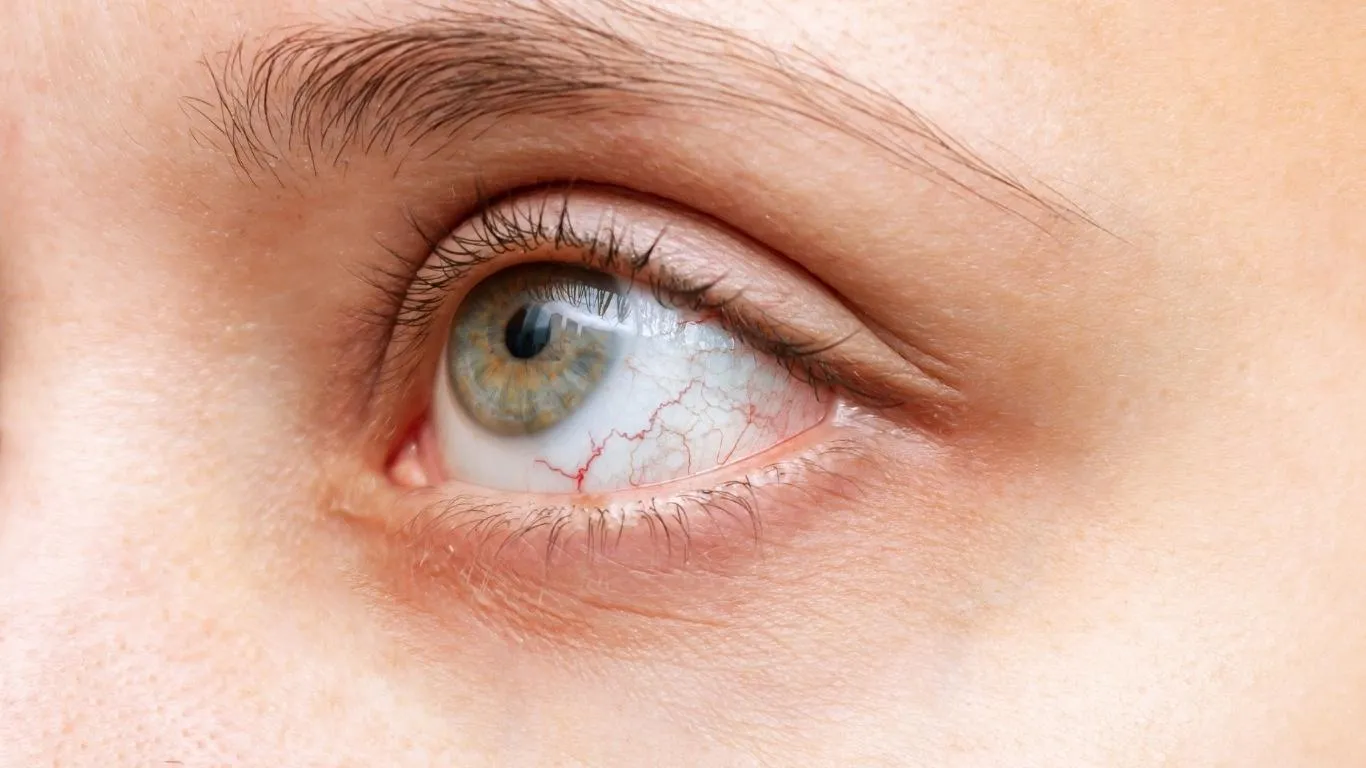
If floaters after your massage are accompanied by the following symptoms, it’s time to stop scrolling and schedule a check-up:
- Sudden burst of new floaters
- Flashing lights in your peripheral vision
- Dark or blurry spots that don’t move or fade
- A shadow creeping across your vision
These are classic signs of more serious retinal issues and should be taken seriously.
Want to get a better grasp on all the causes of floaters, not just facial massages? This detailed guide covers everything from age to injuries, and even how lifestyle factors play a role. And for a complete view of what floaters are, causes, symptoms, and treatments, the main pillar article is a must-read.
Long-Term Management for Floaters After Facial Massages
So, the floaters didn’t disappear after a day or two? You’re not alone—mine stuck around like a bad house guest for nearly a week. The good news? You can absolutely reduce their impact, even if they don’t vanish completely. It’s about smart habits, patience, and in some cases, the right medical support.
In some cases, floaters remain faint but persistent. They become part of your vision’s background noise, and eventually, your brain gets better at tuning them out. But if you’re anything like me—obsessed with clear vision—you probably want more than just waiting for them to “fade into the background.”
Eye-Friendly Habits That Help
- Use soft lighting: Bright backdrops make floaters stand out more. I switched to warmer lights at home and noticed a big difference.
- Limit screen time: Screens, especially when used in the dark, can exaggerate floaters. Try reducing screen exposure or using blue light filters.
- Support your eye health nutritionally: Eating foods rich in antioxidants, omega-3s, and vitamin C can help. See the best diet changes for floaters.
- Stay hydrated: Still underrated. The vitreous is mostly water, and dehydration can thicken it, worsening floaters.
Can Eye Floaters from Facial Massages Be Treated?
Let’s get one thing clear: floaters caused or triggered by facial massages don’t always require treatment. But if they’re interfering with your quality of life—or if you suspect an underlying issue—there are options worth exploring.
Medical Options:
- Observation: The most common approach. Your doctor will monitor changes over time.
- Laser therapy: Known as laser vitreolysis, this breaks up floaters using targeted lasers. It’s not for everyone but can be helpful in specific cases.
- Vitrectomy: This is a surgical procedure that removes the vitreous humor. It’s effective but generally reserved for severe, persistent cases. See the full treatment comparison.
When I saw an optometrist about mine, they suggested the wait-and-see approach. A month later, the floaters were still there—but fainter. It reinforced what I had read: most floaters, even if annoying, are better tolerated than aggressively removed. But if they had worsened or come with flashing lights, I’d have acted faster.
How to Prevent Triggering Floaters During Future Massages
If you’re still booking spa sessions (and I wouldn’t blame you), here’s how to keep your next massage from stirring up your vision again:
- Request gentle touch around the eyes: Make sure your therapist avoids applying pressure to the orbital region.
- Limit head-tilting positions: Lying with your head tilted too far back can subtly increase intraocular pressure.
- Skip intense facial reflexology: Techniques that target sinus or forehead zones with deep pressure can affect nearby eye tissue.
And if you’re prone to floaters or already dealing with them, you might consider mentioning it during your massage intake form. This way, the therapist can adjust accordingly.
Other Surprising Floaters Triggers You Should Know
Facial massages aren’t the only unexpected cause. Here are a few that caught me off guard:
- Using your phone in a dark room
- Emotional stress or trauma
- Post-surgery recovery, even for unrelated eye issues
- Anxiety spikes and panic attacks
- Even sauna heat exposure
Yep, even I raised an eyebrow at that last one. But it’s all tied to how sensitive the vitreous is to environmental and internal changes. Floaters are more dynamic than we give them credit for.
Should You Be Worried?
Chances are, no. If the floaters appeared after a facial and you’ve had no other vision disturbances—no light flashes, no blurry patches, no shadows moving like curtains—then it’s likely just a temporary shift. Still, if something feels “off,” trust your gut and get checked.
If floaters are part of your life now (and for many of us they are), managing them means understanding them, tracking changes, and being proactive. Floaters might be annoying, but they’re not the end of your vision story. They’re just a part of it—and one you can absolutely live with, with the right mindset and habits.
Looking for a deeper dive into all the different types of floaters and what sets them apart from more dangerous eye conditions? Check out this guide on differentiating floaters from other issues. And for a comprehensive look at causes, symptoms, and treatments, don’t miss the main floaters pillar article.

Camellia Wulansari is a dedicated Medical Assistant at a local clinic and a passionate health writer at Healthusias.com. With years of hands-on experience in patient care and a deep interest in preventive medicine, she bridges the gap between clinical knowledge and accessible health information. Camellia specializes in writing about digestive health, chronic conditions like GERD and hypertension, respiratory issues, and autoimmune diseases, aiming to empower readers with practical, easy-to-understand insights. When she’s not assisting patients or writing, you’ll find her enjoying quiet mornings with coffee and a medical journal in hand—or jamming to her favorite metal band, Lamb of God.