Recognizing Signs Of Burnout Vs Anxiety Before It Gets Worse
If you’ve ever stared at your screen at 2AM, eyes heavy but mind racing, wondering if what you’re feeling is just exhaustion—or something deeper—you’re not alone. I’ve been there. For the longest time, I brushed off the knots in my stomach, the constant sense of dread, and even the unexplained irritability as “just stress.” It wasn’t until I sat across from a therapist that I realized I wasn’t just tired—I was stuck somewhere between burnout and anxiety. And figuring out which was which changed everything.
Understanding the Overlap: Burnout vs Anxiety

Here’s the tricky part: burnout and anxiety often *look* similar. They both come with mental fatigue, irritability, lack of motivation, and even physical symptoms like headaches or chest tightness. But their root causes—and how they affect your brain and body—differ in important ways.
So, what exactly is burnout?
Burnout is often work-related. It’s the result of chronic stress from your job, caregiving, or even school. When you feel emotionally drained, mentally distant from tasks you used to care about, or just completely unmotivated, you might be dealing with burnout. I remember walking into meetings feeling like I was watching my own life from the outside. It wasn’t apathy. It was depletion.
And anxiety?
Anxiety, on the other hand, doesn’t always have a clear trigger. It’s not just about stress—it’s a consistent, nagging fear or worry that hangs over everyday life. I’ve felt it hit out of nowhere, in the middle of a relaxing dinner or during a walk—your body suddenly flips into fight-or-flight without your consent.
Here’s how I learned to tell the difference.
Key Differences Between Burnout and Anxiety

- Burnout typically stems from prolonged exposure to high stress at work or in caregiving roles.
- Anxiety is more general and can be unrelated to any one environment or activity.
- Burnout feels like exhaustion; anxiety feels like tension.
- With burnout, you might feel hopeless and disengaged. With anxiety, you’re often hyper-alert and overwhelmed.
- Burnout gets better with rest. Anxiety usually doesn’t.
One moment that hit me hard was when I took a two-week vacation, expecting to feel better. The physical fatigue faded. But the racing thoughts? Still there. That was the giveaway—it wasn’t just burnout anymore.
Common Signs You Might Be Missing

The danger in ignoring symptoms is real. Many people—myself included—chalk up anxiety symptoms to stress or tiredness. But knowing the early signs makes all the difference. Here’s a breakdown of symptoms I wish I had known earlier:
- Emotional Detachment: You’re just going through the motions. Common with burnout.
- Persistent Worry: Even when things are fine, your brain invents worst-case scenarios. Classic anxiety.
- Sleep Trouble: Trouble falling or staying asleep? Burnout causes insomnia due to fatigue. Anxiety triggers racing thoughts.
- Physical Pain: From tension headaches to gut issues, both can show up in your body.
- Irritability: Snapping over small things? It could be your nervous system screaming for help.
And then there’s the sense of impending doom. It’s hard to explain unless you’ve felt it, but it’s a silent alarm that something’s not right. According to NIMH, anxiety disorders can cause overwhelming panic and physical symptoms that feel incredibly real.
How Work and Life Pressures Add Fuel to the Fire
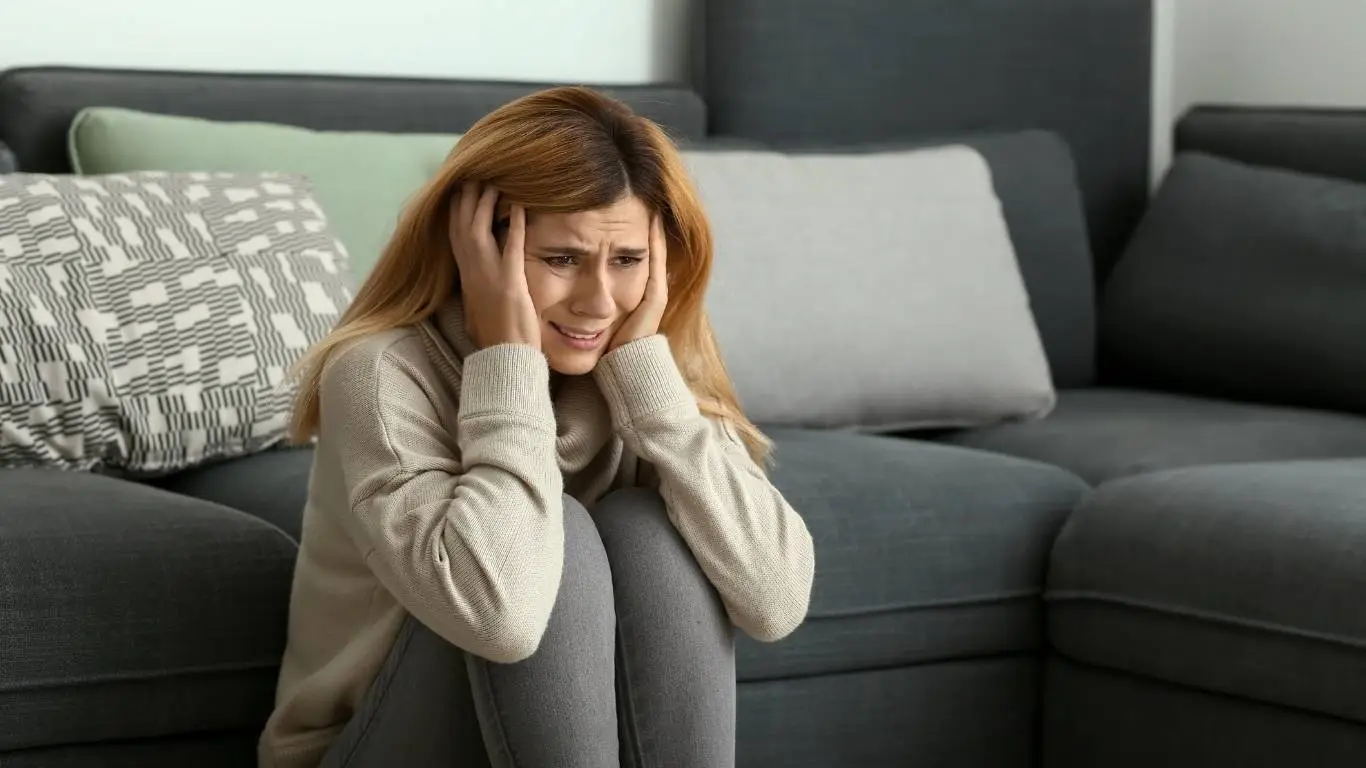
When I started waking up dreading emails before I’d even opened my eyes, I realized work wasn’t just stressful—it was a trigger. But here’s where it gets messy: when burnout goes untreated, it can morph into anxiety. And when anxiety starts, it amplifies everything. Small tasks feel massive. A mild critique feels like a personal attack.
Workplace anxiety is more common than many think. It’s covered in depth in this article on anxiety’s effect on workplace performance, and if you’ve ever had that “shaking before Zoom calls” moment, you’ll relate.
How It Affects Daily Life
When anxiety and burnout collide, it doesn’t just affect productivity—it seeps into everything. Relationships feel strained, self-confidence tanks, and even your ability to enjoy downtime disappears. I remember sitting at dinner with friends, smiling and laughing, but completely detached inside. That disconnect? It’s a red flag.
What Helped Me Start Untangling the Two

It wasn’t one magic fix—but a combination of small things that started to work:
- Daily self-check-ins: Asking myself if what I felt was exhaustion or fear.
- Cutting caffeine: It made my anxiety worse (trust me, you’re not imagining that jittery crash).
- Talking to a therapist: Someone who could help me see where burnout ended and anxiety began.
- Slowing down: Giving myself permission to say no. To stop trying to be everywhere for everyone.
If you’re feeling lost trying to figure out what’s draining you—know this: you’re not weak for feeling this way. You’re human. And you’re not alone.
Understanding these subtle differences can be life-changing. For a deeper dive into identifying symptoms, check out this guide on anxiety disorder symptoms. And if you’re wondering just how deeply anxiety can shape your daily life, this article explains it perfectly.
How to Tell When It’s Time to Seek Help
There was a point when I couldn’t remember the last time I felt rested—even after a weekend off. That was my signal. If your emotional and physical energy is consistently in the red zone, or if anxiety is hijacking your ability to function, it’s not something to just “push through.” It’s time to talk to someone.
Burnout can often be managed by adjusting your workload, taking time off, or setting firmer boundaries. But anxiety? That can require deeper work. A combination of therapy, possible medication, and lifestyle shifts. If you’re unsure where to start, diagnostic tests for anxiety can help clarify what you’re dealing with.
When burnout turns into something more serious
I once thought stepping back from work for a week would reset me. But the anxiety was still buzzing under the surface. Burnout that’s ignored for too long can create fertile ground for an anxiety disorder to take root. That’s something I learned the hard way—and it’s something many people miss.
For me, seeking help wasn’t easy. It took a lot to admit I wasn’t okay. But once I did, the fog started lifting. If you’re sitting on the fence about it, this guide on diagnosis and assessment can walk you through the first steps.

I’ve picked up a few practical tools over the past few years that genuinely made a difference. Nothing overnight. But consistent effort? That’s where the progress happens.
- Start with boundaries: Burnout thrives when we say yes to everything. Start saying no more often—without guilt.
- Watch your internal voice: Anxiety loves a worst-case scenario. I started challenging my thoughts out loud. Literally saying, “That’s not happening. You’re safe.” It sounds silly, but it helped.
- Breathing exercises: Try simple breathwork for anxiety. It’s like a reset button for your nervous system.
- Fuel your body: I learned that magnesium deficiency was making things worse. These foods rich in magnesium helped stabilize my mood.
- Sleep hygiene: Anxiety ruined my nights. These tips for better sleep with anxiety were a game-changer.
Even something as small as drinking less caffeine helped me find a bit of peace during the chaos. Self-awareness was key for me. I had to check in with myself daily, and sometimes hourly, to stay grounded.
Why It’s So Easy to Miss the Signs

One of the biggest reasons so many people confuse burnout with anxiety is the culture we live in. Being tired and stressed has become a badge of honor. Hustle culture tells us we’re not doing enough. So we keep pushing—until our bodies or minds break.
I didn’t realize how normalized my symptoms had become until I started journaling. I began noticing patterns—like how even on slow days, my heart rate stayed high. Or how I’d dread simple conversations. If you’re reading this and thinking “That’s me,” then trust me, it’s not just you. You’re not imagining it.
If your physical health is taking a hit, that’s another red flag. Chronic stress and anxiety can wreak havoc on your immune system, digestion, and even cardiovascular health (ncbi.nlm.nih.gov offers peer-reviewed breakdowns if you’re into the science of it).
Small Lifestyle Shifts That Made a Big Difference

These aren’t miracle cures. But they’re things I keep coming back to when I feel myself slipping again:
- Daily walks without my phone – Something about disconnecting from everything—even for 15 minutes—brings me back to center.
- Guided meditation – This wasn’t my thing at first, but over time it taught me to sit with discomfort instead of running from it.
- Limiting doomscrolling – I cut my news and social media intake in half. My anxiety dropped noticeably.
- Journaling with prompts – I used these prompts to start. It made me realize just how much I was suppressing.
- Nourishment – Eating real meals instead of grazing all day. It sounds basic, but it gave me more stability.
When I started implementing these shifts, I also noticed a drop in the physical tension in my body—shoulders down, jaw unclenched. It was like my body finally trusted me again.
Where to Go From Here
You don’t have to navigate burnout or anxiety alone. There are more tools available than ever, and the stigma around mental health is (thankfully) fading. If you’re unsure what next step to take, the pillar guide on lifestyle and self-help for anxiety is a solid starting point—it covers real-life changes that can bring real relief.
Also, this main overview of how anxiety disorders impact daily life helped me understand just how many areas of life can be touched by unchecked anxiety.
The key takeaway? Start small. Check in with yourself. You don’t need a diagnosis to deserve care. Whether it’s burnout, anxiety, or both—what you’re feeling is real. And there’s a way forward.

Camellia Wulansari is a dedicated Medical Assistant at a local clinic and a passionate health writer at Healthusias.com. With years of hands-on experience in patient care and a deep interest in preventive medicine, she bridges the gap between clinical knowledge and accessible health information. Camellia specializes in writing about digestive health, chronic conditions like GERD and hypertension, respiratory issues, and autoimmune diseases, aiming to empower readers with practical, easy-to-understand insights. When she’s not assisting patients or writing, you’ll find her enjoying quiet mornings with coffee and a medical journal in hand—or jamming to her favorite metal band, Lamb of God.