How Floaters and Visual Fatigue After Gaming Disrupt Vision
If you’re like me, you’ve probably spent a few too many hours deep into an intense gaming session, only to look away from the screen and realize—bam—those pesky little floaters are dancing around your vision again. At first, I brushed it off as just tired eyes, but when it kept happening after long gaming nights, I knew I had to dig deeper. Turns out, there’s more to this “visual fatigue” than just screen overload. Let’s get into what’s really going on when floaters and visual fatigue hit you after gaming—and more importantly, what you can do about it.
Why Gamers Are Noticing More Eye Floaters
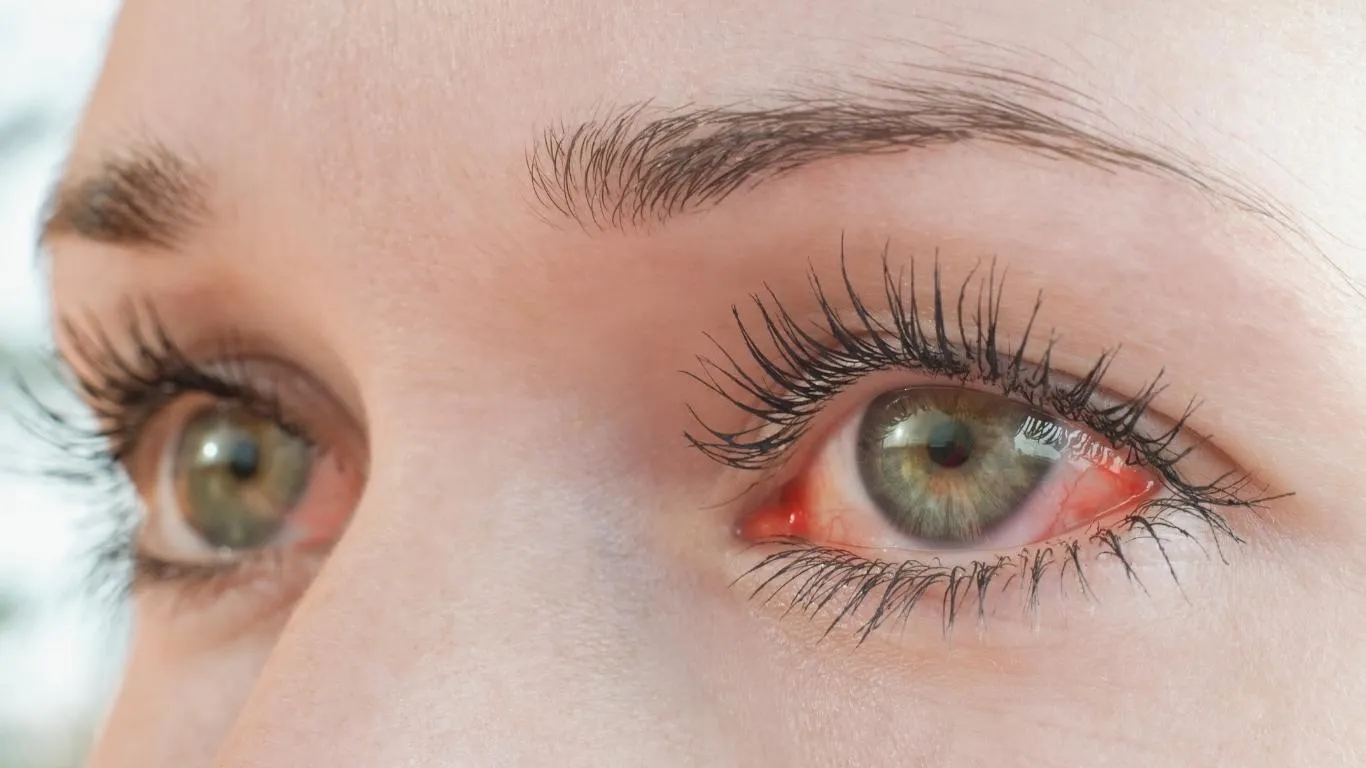
Gamers, especially those into long sessions, are noticing floaters more often. Why? One theory is simple: we’re just paying attention more. When you’re focused on fast-paced visuals, especially on bright screens, your brain is hyper-aware of what’s in your field of vision—including those transparent little squiggles floating across your sight.
But it’s not just awareness. Extended focus, minimal blinking, and intense visual engagement can actually increase the visibility and irritation of floaters. Combine that with dry eyes from staring at a screen and you’ve got a recipe for annoyance.
The Role of Eye Fatigue
Visual fatigue, also known as asthenopia, is real—and it’s not just your eyes getting “tired.” It’s a full-blown physiological response. When you game for hours without breaks, your ciliary muscles (the ones that help you focus) don’t get a break. That tension builds up and contributes to fatigue.
And while some people notice floaters more in one eye than the other, the fatigue affects both. I used to think I was just being dramatic after a 4-hour run of Elden Ring. Turns out, I was pushing my eyes into overdrive.
What Exactly Are Eye Floaters?
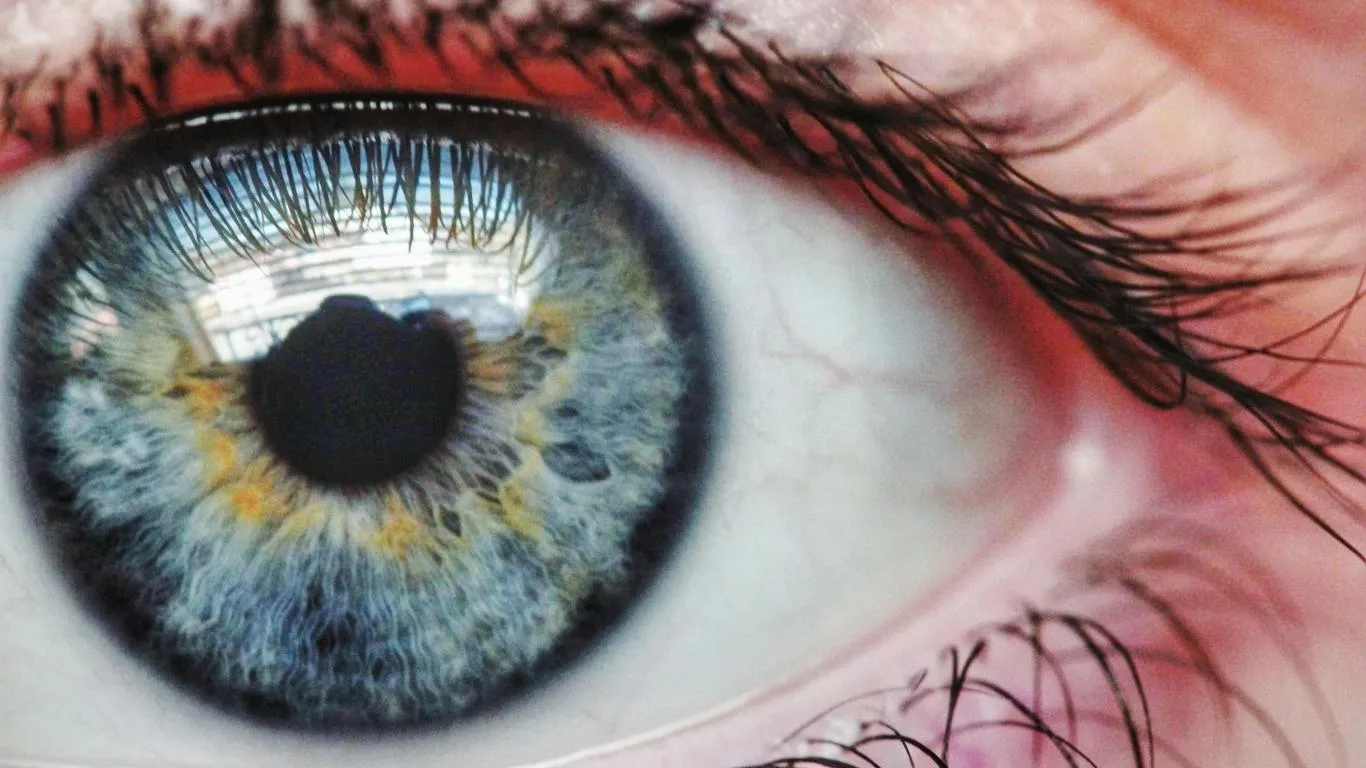
If you’re seeing tiny spots, threads, or cobweb-like shapes drifting around—especially on bright backgrounds like a white wall or a video game loading screen—you’re dealing with floaters. These are actually small clumps of collagen inside the vitreous, the gel-like substance in your eyeball.
When you move your eyes, these clumps shift and cast shadows on your retina. That’s what you “see” as a floater. For most people, they’re harmless, but when they show up more during or after screen use, it’s worth paying attention to.
Not Just an Aging Issue Anymore
Floaters used to be seen as something older adults complained about. But now? Gamers in their 20s and 30s are seeing them too. Why? Modern screen habits are pushing the limits of visual endurance. From back-to-back FPS matches to late-night strategy grinds, our eyes never catch a break.
Combine that with a lack of sleep, poor hydration, and zero outdoor light, and it’s not surprising that floaters are becoming more common in younger people.
Are These Floaters Dangerous?
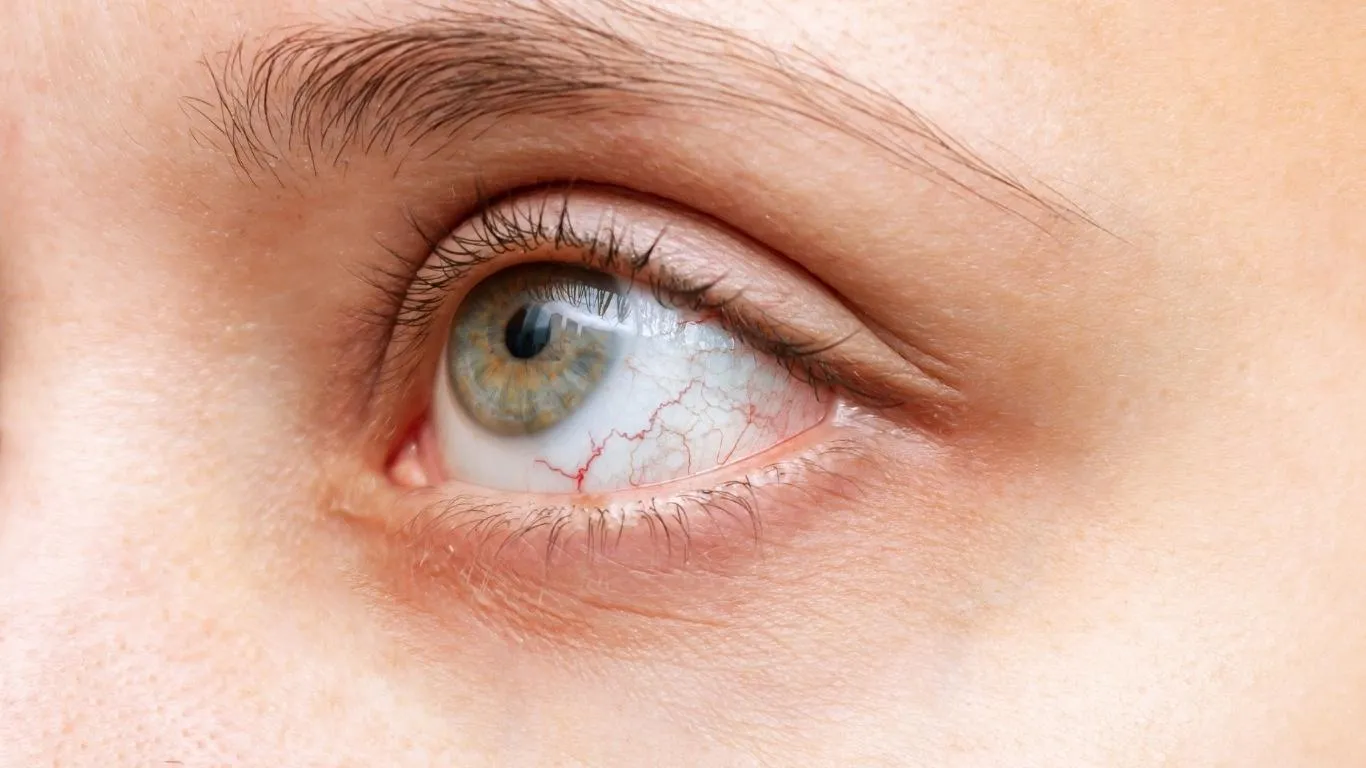
In most cases, floaters are annoying but harmless. Still, you should know when to take them seriously. A sudden burst of new floaters, especially if they come with flashes of light or a dark shadow, might signal something more serious—like a retinal tear or detachment.
But for most of us, especially in the gaming crowd, it’s about managing them, not panicking about them.
Key Signs You Should Get Checked Out
- Sudden, significant increase in floaters
- Flashes of light in your peripheral vision
- A curtain-like shadow over part of your visual field
- Floaters that don’t move or change shape
That last one happened to a buddy of mine after a VR session. He thought it was part of the display. Spoiler: it wasn’t. Thankfully, he caught it early.
Gaming Habits That Make Floaters Worse
- Not blinking enough – It sounds dumb, but you probably blink way less than you think when you’re immersed in a game. That dries out your eyes and makes floaters more noticeable.
- Playing in dark rooms – Dim lighting can actually make floaters more obvious because your pupils dilate, allowing more light—and shadows—into the retina.
- No breaks – If you’re going more than 45 minutes without even looking away from the screen, you’re asking for visual stress.
How to Break the Cycle
- Try the 20-20-20 rule: every 20 minutes, look at something 20 feet away for 20 seconds
- Adjust your screen brightness to match ambient light
- Use blue light filters (they really help in long sessions)
- Hydrate—I can’t emphasize this enough
Need more in-depth advice on treatments? This guide on eye floater treatments is solid and breaks it down from natural to surgical options.
What Science Says About Screen Time and Floaters
Research hasn’t fully caught up to our screen-heavy lives, but studies on age-related vitreous changes are helping us connect the dots. Excessive screen time may not directly cause floaters, but it absolutely makes them more noticeable. Add in poor eye posture, low ambient light, and dryness—boom, floaters become front and center.
For a deep dive into causes beyond screen time, the main pillar article covers everything from aging to medical triggers.
Also worth checking: the common causes of floaters post that breaks down lesser-known sources like trauma or high myopia—useful if gaming isn’t your only lifestyle factor.
One surprising external source worth reading? The American Optometric Association at aoa.org has solid info on digital eye strain and screen-related vision symptoms. Same goes for the Mayo Clinic’s coverage at mayoclinic.org.
Natural Ways to Reduce Floaters After Gaming
Here’s what worked for me: I started treating post-gaming floaters like muscle soreness after a workout. You cool down, right? Same thing with your eyes. Floaters don’t just vanish, but I found they became less noticeable when I started doing things that helped my eyes recover.
What Helped Me Personally
- Eye yoga: Sounds gimmicky, but it really helps. Try moving your eyes in figure-eights or focusing near and far repeatedly. After a couple of weeks, my vision felt noticeably clearer.
- Warm compresses: A warm cloth over your eyes at night can do wonders to relieve tension and stimulate circulation in the eye area.
- Supplements: I started taking a lutein and zeaxanthin blend—could be placebo, but I swear my floaters are less aggressive now. See this supplements guide for more research-backed picks.
And yes, hydration again. There’s even evidence suggesting dehydration worsens floaters, especially after high-focus tasks like gaming.
Could Blue Light Be Playing a Bigger Role?
We always hear about blue light being bad for sleep, but not enough people talk about its role in floaters and visual strain. Some researchers suggest prolonged exposure to blue light may accelerate retinal stress and dry out the tear film faster. That leads to—you guessed it—more floater visibility and screen fatigue.
Try adjusting your monitor’s color settings or wearing blue light blocking glasses. I was skeptical at first, but once I tried a pair during a three-hour gaming session, the difference in eye tension was noticeable.
And yes, if you’re thinking about getting into f.lux or Night Shift mode on your phone—do it. Even blue light filters have pros and cons, but for gaming, the reduced glare can help floaters become less distracting.
Tip: Check Your Contrast Settings
Floaters often pop more against high contrast backgrounds—white maps, snow levels, bright menus. Dialing down contrast and brightness just a touch can reduce their visibility. Try “Warm” settings for long sessions or reduce your monitor’s Kelvin color temp to 4000K–5000K range.
Floaters and Visual Fatigue in VR and Competitive Gaming
If you’re into VR or eSports, you may notice your floaters act up even more. That’s because those environments demand intense visual tracking and rapid eye movements. I tried out a racing sim in VR for a week—and my floaters were practically putting on a show every time I turned my head.
This isn’t in your head. The rapid motion and focusing effort can exaggerate the perception of floaters. The solution isn’t quitting VR, but rather building in rest and focusing exercises before and after sessions.
It’s worth reading about eye floaters in younger adults if you’re under 30 and experiencing this often. You’re not alone, and it’s more common than people think—especially in the gaming community.
How Mental and Physical Health Affects Floaters
Gaming marathons don’t just wear out your eyes. They tax your nervous system too. I noticed my floaters got worse during periods of stress, dehydration, and even poor sleep. Turns out, there’s an actual connection between mental fatigue and floater visibility.
According to this breakdown on floaters and mental health, chronic stress can intensify how you perceive visual noise. Makes sense—your brain’s on high alert, and visual anomalies feel more intrusive.
Taking a break and getting some real rest (not just logging off and switching to your phone) made a big difference for me. Even something as simple as walking outside, letting your eyes focus on distant objects, can be a game changer.
Don’t Skip Sleep
- Floaters become more noticeable when you’re tired or over-focused
- Lack of sleep dries the eye and can increase floater shadows
- Try avoiding screen time for 30 minutes before sleep—it’s hard, but helps
Preventing Floaters From Ruining the Experience
Look, I’m not about to tell anyone to give up gaming—it’s part of who I am. But I’ve learned the hard way that ignoring visual fatigue just makes the floater problem worse. These days, I set up my environment better, stay hydrated, and give my eyes regular breaks. Surprisingly, that’s all it takes to feel more in control.
If you haven’t yet, go read the guide on floaters vs other eye issues. It helped me understand when to worry and when to chill.
And for anyone still unsure where to start, check the primary explainer on what eye floaters are. It’s a solid base to understand the full picture beyond gaming-specific issues.
There’s no magic fix, but you’d be surprised how much small changes can ease the stress on your eyes—and help you focus more on the game, not the floaters floating around it.

Camellia Wulansari is a dedicated Medical Assistant at a local clinic and a passionate health writer at Healthusias.com. With years of hands-on experience in patient care and a deep interest in preventive medicine, she bridges the gap between clinical knowledge and accessible health information. Camellia specializes in writing about digestive health, chronic conditions like GERD and hypertension, respiratory issues, and autoimmune diseases, aiming to empower readers with practical, easy-to-understand insights. When she’s not assisting patients or writing, you’ll find her enjoying quiet mornings with coffee and a medical journal in hand—or jamming to her favorite metal band, Lamb of God.