Why Floaters Look Worse With Blue Light Glasses
It started one evening while I was reading under a dim LED desk lamp, wearing my blue light glasses like always. Out of nowhere, tiny translucent specs drifted across my vision — like shadows floating on a pool. At first, I assumed it was a smudge on my lenses, but no amount of wiping made them disappear. They weren’t on the glasses. They were inside my eye. If you’ve noticed floaters becoming more visible when wearing blue light glasses, you’re not alone — and it’s more common than you might think.
Why Are Eye Floaters More Noticeable With Blue Light Glasses?
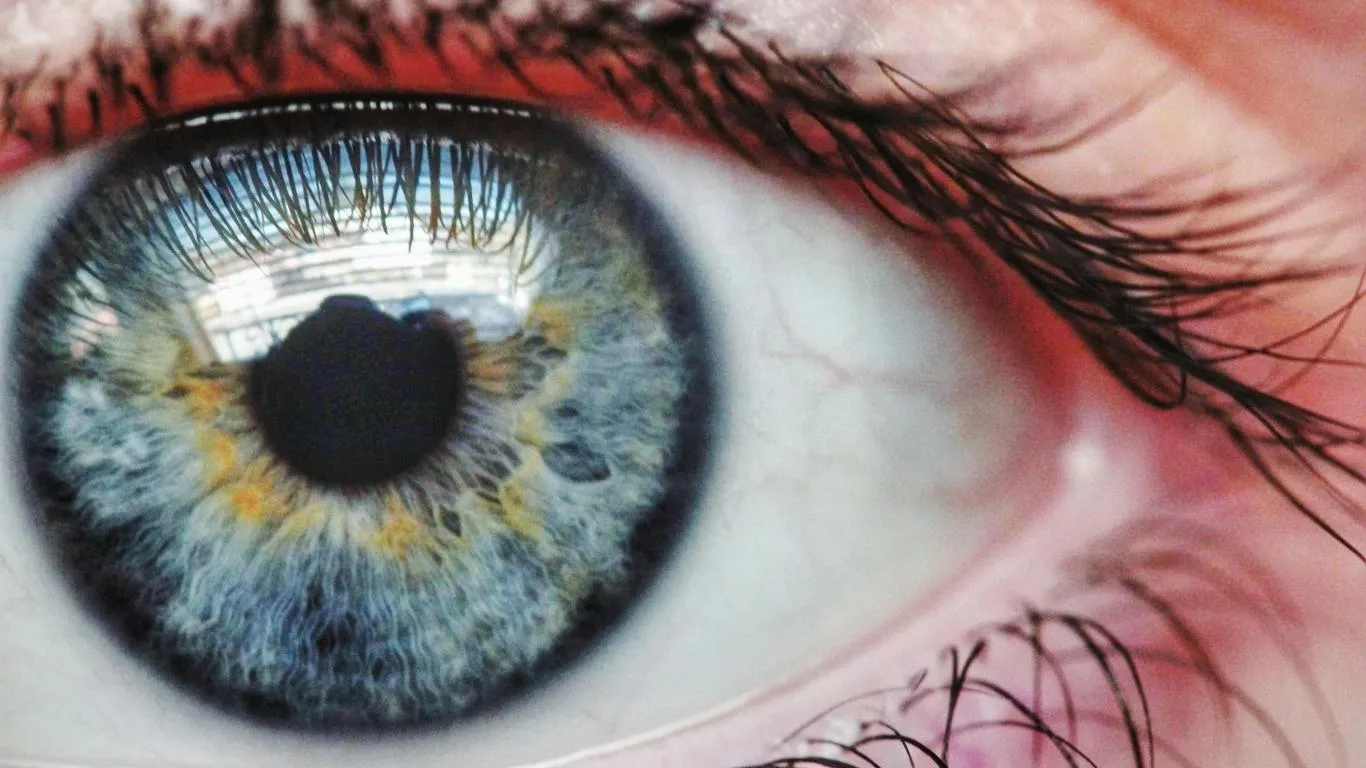
Let’s clear something up — blue light glasses don’t cause floaters. But they can certainly make them more obvious. Blue light filtering lenses tend to enhance contrast and reduce screen glare, but this very improvement can also make minor visual disturbances like floaters stand out more clearly against bright backgrounds or digital screens. It’s kind of like seeing dust in a sunbeam — it’s not that the dust wasn’t there before, you just couldn’t see it as clearly.
How Blue Light Glasses Alter Your Visual Perception
Here’s where it gets a bit technical — most blue light glasses have a yellowish or amber tint to block out the high-energy visible (HEV) spectrum. This can subtly change how we perceive contrast and brightness. So when you’re scrolling through a white webpage or staring at a bright screen, floaters might drift across your line of sight more distinctly than they would in natural light.
- Higher contrast = clearer floaters
- Brighter backgrounds = easier floater visibility
- Screen time strain = increased awareness of visual disturbances
The Science Behind Those Tiny Shadows
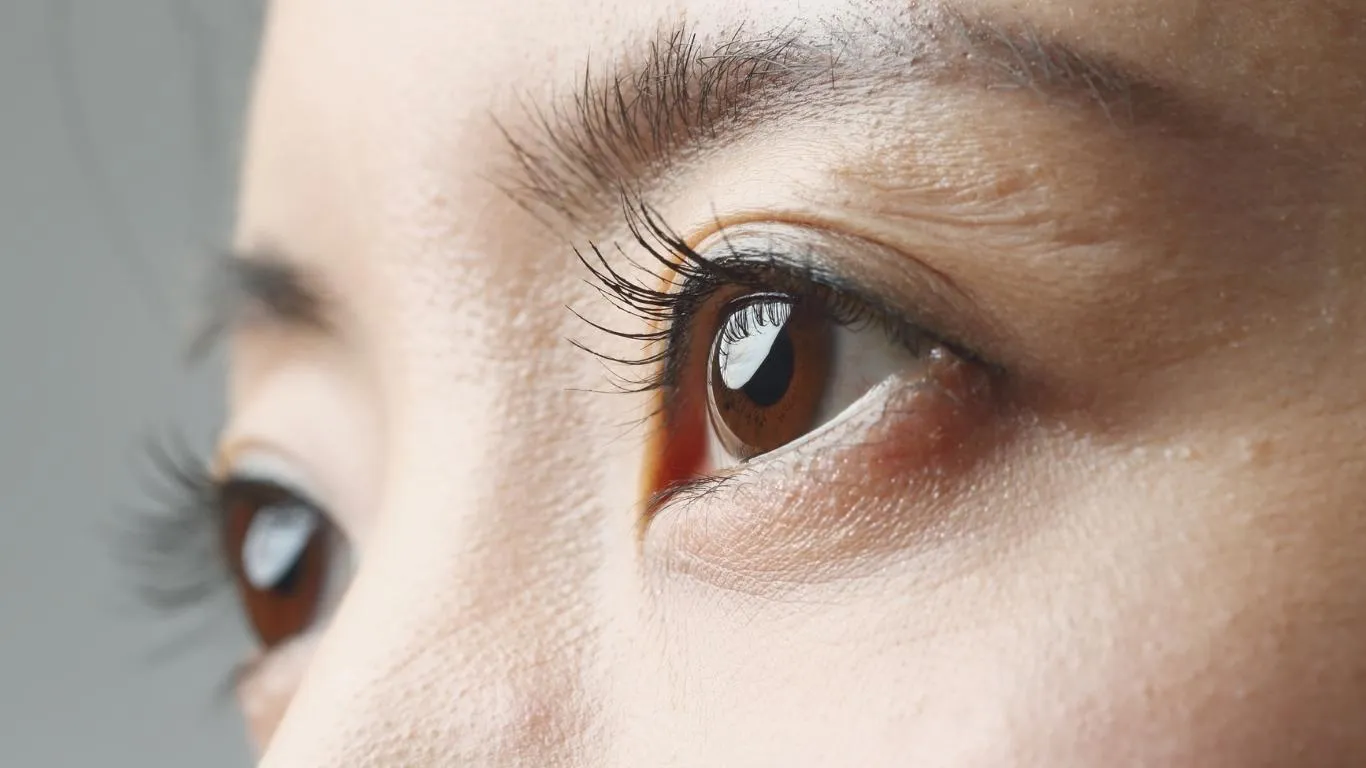
Floaters are tiny bits of collagen or protein clumps floating in the vitreous — the gel-like substance in your eye. They cast shadows on your retina, and that’s what you see drifting around. Totally normal? Most of the time, yes. But their visibility can spike under certain conditions like dehydration, eye strain, or reduced fluidity in the eye. Wearing blue light glasses while staring at screens for hours can amplify this.
Noticing New Floaters? Don’t Panic, But Don’t Ignore
If you suddenly start noticing a lot more floaters, especially with flashes of light or vision loss, that’s your cue to stop Googling and call your eye doctor. In some cases, floaters may indicate more serious conditions like retinal tears or posterior vitreous detachment. While the link between blue light glasses and increased floater perception is largely harmless, the floaters themselves may not always be.
Common Scenarios Where Floaters Pop Up More Often
If you’re anything like me, you’ve probably noticed floaters during:
- Scrolling through your phone in a dark room
- Working on a bright screen with blue light glasses on
- Stepping from dim light into a brightly lit area
- Looking at a white wall or bright sky
There’s even a specific article on floaters showing up after using your phone in the dark — and it hits way too close to home. You might also relate to floaters that appear only in bright environments. They’re all tied to the same underlying visual dynamics.
Could Blue Light Exposure Be Making Things Worse?
There’s ongoing debate about whether blue light itself contributes to floater formation. Some theories suggest that long-term exposure to HEV light may accelerate retinal stress or contribute to vitreous degeneration. But the science is still evolving. For now, floaters aren’t officially on the list of risks associated with blue light exposure.
Still, if you’re prone to floaters, it’s worth being mindful. Check out this breakdown on how screen time may be ruining your visual comfort. It covers factors like eye strain, blink rate, and hydration — all of which can exacerbate floater visibility.
What Eye Doctors Say About This
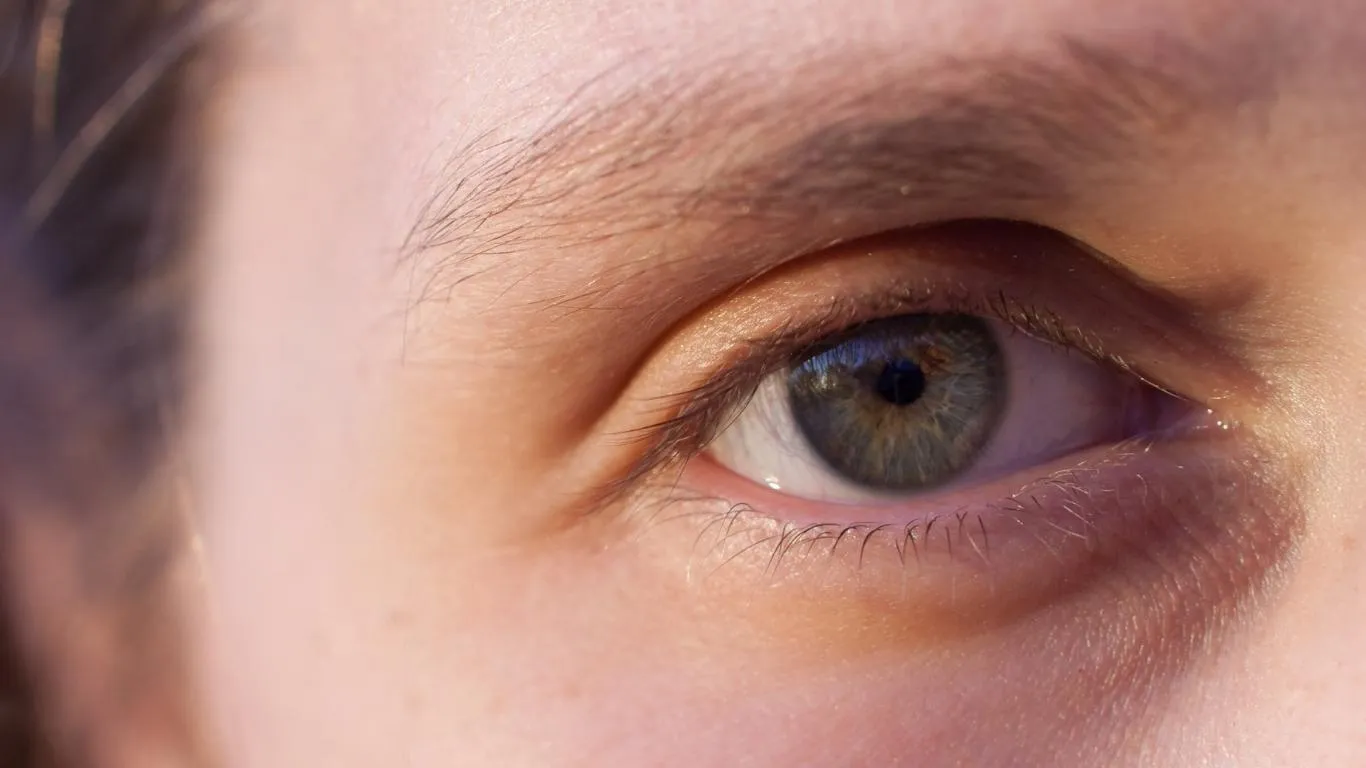
I once brought this up with my optometrist — I asked if my floaters looked worse because of my glasses. He confirmed what I’d suspected: “You’re just seeing what’s always been there. The lenses enhance your sensitivity to it.” He also pointed me toward this article on how to distinguish floaters from other eye problems, which was oddly reassuring. If you’re trying to rule things out, it’s a solid read.
Plus, there’s a helpful guide on reducing floaters after eye infections, which gives practical tips that apply even outside of infections — hydration, omega-3 intake, and rest being the essentials.
How to Stay Comfortable If Floaters Are Bothering You
Okay, so maybe floaters are here to stay — at least for now. What can you actually do to stop obsessing over them?
- Switch to warmer screen color profiles or use night mode
- Try using blue light glasses with less intense filters
- Limit screen time when your eyes already feel strained
- Hydrate more (yes, your eyes get thirsty too)
- Look into treatment options if they’re truly affecting your vision
Blue light glasses aren’t the villain here — they’re just showing you what’s been floating around all along. For a better understanding of what causes this phenomenon and when you should worry, visit our detailed guide on what causes eye floaters and the full range of symptoms and solutions available.
And if you want to take a deeper dive into what actually causes floaters in the first place, don’t miss the article on common causes of floaters — from aging to eye trauma, it breaks it all down clearly.
When Should You Actually Worry About Floaters?
Let’s be real — most floaters are just annoying little distractions. But sometimes, they cross the line from “harmless” to “red flag.” If you ever notice a sudden storm of floaters, flashes of light, or a dark shadow creeping across your vision (like a curtain), don’t brush it off. That can be a sign of a retinal tear or detachment, and it’s a real emergency. According to American Academy of Ophthalmology, prompt treatment is critical to avoid permanent vision loss.
I had a friend who ignored a sudden increase in floaters for a week — turns out, it was a partial retinal detachment. Fortunately, surgery fixed it. But he admitted, “If I had waited another day or two, I might have lost vision in that eye.” So yeah, don’t second-guess your gut if something feels off.
And if you’re wondering what symptoms to watch for, here’s a quick checklist:
- A rapid burst of new floaters
- Flashes of light, especially in the corners of your vision
- A dark “curtain” over part of your visual field
- Blurred or distorted central vision
If these show up, check out this post on floaters combined with curtain vision — it covers exactly what those signs mean, and why timing matters.
Tips to Manage and Reduce Floater Discomfort
If your floaters are more of a nuisance than a threat, there are ways to make peace with them. I’ve picked up a few tricks along the way that genuinely help minimize the distraction — no snake oil, just practical adjustments.
Simple Changes That Actually Help
- Adjust your lighting: Overhead fluorescent lights and bright screens are floater amplifiers. Try indirect lighting or warm bulbs instead.
- Reduce screen brightness: Lower the intensity, especially if you’re using blue light glasses. Bright white = floater spotlight.
- Take screen breaks: Follow the 20-20-20 rule — every 20 minutes, look at something 20 feet away for 20 seconds.
- Hydrate more often: I underestimated how much this helps. Dehydration thickens the vitreous and can make floaters worse.
- Move your eyes gently: Sometimes, shifting your gaze in circles can move floaters out of your direct line of sight.
And honestly, even your diet can make a difference. I started including more omega-3s and leafy greens, and while the floaters didn’t vanish, my eyes just felt better overall. This post on best diet changes for floaters breaks it all down in a way that’s super easy to implement.
What About Supplements and Eye Exercises?
Let’s be clear: no pill or exercise will completely erase floaters. But some people do notice reduced symptoms over time when supporting overall eye health. Supplements like lutein, zeaxanthin, vitamin C, and magnesium may help improve your vitreous consistency. That means floaters might become less bothersome or slowly fade out of your central vision.
For example, this detailed article on best supplements for floaters is worth a bookmark — it separates hype from science-backed info. I personally tried a combo of lutein and omega-3s for about six months. Did it work? Hard to say definitively, but I don’t notice the floaters as much anymore. Could be placebo. Could be real. Either way, I’m not complaining.
Do Eye Exercises Help?
It depends. There’s no proven “floater cure” from eye workouts, but exercises that improve blood flow and reduce eye fatigue can help with perceived floaters. Try simple focus-shifting drills, or check out this guide on eye exercises for floater relief. They take just 5–10 minutes a day and can help make floaters less intrusive.
When to Consider Medical Treatment
If your floaters are affecting your daily life, and none of the above helps, it might be time to consider clinical options. There are two main treatments:
- Laser vitreolysis: Non-invasive, uses lasers to break up large floaters. Works best for isolated floaters, not clouds.
- Vitrectomy: Surgical removal of the vitreous. Highly effective, but carries serious risks like cataracts or retinal detachment.
You can learn more about those in this in-depth post on eye floater treatment options. I’m personally not there yet — but if things got worse, I’d definitely consider laser treatment before going the surgical route.
And if you’ve ever wondered whether hormonal changes or conditions like pregnancy might make floaters worse, you’re not imagining things. This guide on hormone-related floaters explains why they spike during life transitions, and what to expect.
Floaters and Mental Health: The Hidden Impact
One thing nobody talks about enough is how floaters can mess with your head. When I first started noticing mine, I became obsessed — checking them constantly, trying to blink them away, getting frustrated every time I looked at a screen. That mental loop becomes exhausting. And for many, it leads to anxiety or even depressive symptoms.
This article on how floaters impact mental health spoke to me on a personal level. It’s not just “in your head” — it’s a real quality-of-life issue for a lot of people. If that sounds familiar, you’re not alone, and it’s okay to seek help or talk about it.
And remember, floaters may be annoying — but with the right tools, mindset, and support, they don’t have to take over your life. Get informed, track your changes, and if you’re still not sure what’s behind them, dig into the full explanation on what causes eye floaters — a great place to get clarity (literally and figuratively).

Camellia Wulansari is a dedicated Medical Assistant at a local clinic and a passionate health writer at Healthusias.com. With years of hands-on experience in patient care and a deep interest in preventive medicine, she bridges the gap between clinical knowledge and accessible health information. Camellia specializes in writing about digestive health, chronic conditions like GERD and hypertension, respiratory issues, and autoimmune diseases, aiming to empower readers with practical, easy-to-understand insights. When she’s not assisting patients or writing, you’ll find her enjoying quiet mornings with coffee and a medical journal in hand—or jamming to her favorite metal band, Lamb of God.