Why Floaters Get Worse While Walking In Shaded Parks
Ever caught yourself mid-stroll through a quiet park, taking in the swaying trees and patches of sunlight, only to suddenly notice tiny shadows darting across your vision? I remember one crisp afternoon when I was walking under a thick canopy of oaks—relaxing, phone off, just soaking in nature—and then, bam! Out of nowhere, these floating specs and thread-like shapes showed up. At first, I thought it was a bug or maybe a loose eyelash. But nope. They moved as I moved my eyes and vanished when I tried to focus on them. That’s when I realized—these were floaters. And shaded environments, like parks with leafy cover, seemed to make them more noticeable.
Why Do Floaters Feel Worse in Shaded Parks?
Floaters have a way of showing up at the worst times, especially when you’re just trying to enjoy a peaceful walk. The reason they seem more apparent in shaded parks has a lot to do with how our eyes perceive contrast. In dappled light—those alternating bright and shadowy patches—your retina struggles to adjust quickly. This variation creates the perfect backdrop for floaters to stand out.
What’s really happening is that the floaters—those little clumps of collagen floating in the vitreous gel of your eye—are casting shadows on your retina. In low light or shady spots, your pupils dilate, pulling in more light. Ironically, this doesn’t make floaters disappear; it enhances their visibility. Here’s a great breakdown on why floaters become more visible against lighter surfaces or in high contrast conditions like shaded walkways.
The Floaters Aren’t Actually “Getting Worse”
It’s easy to assume floaters are multiplying when we spot them more frequently, but in many cases, they’ve just become more visible. If you’re walking under dense foliage, your eye’s dynamic adjustments to lighting can make these floaters appear to dance around. It’s frustrating, especially when you’re trying to stay grounded and mindful in nature.
The phenomenon is a mix of optics and anatomy. The floaters themselves haven’t necessarily changed; your visual environment has. Walking in a bright open area versus a shaded trail with intermittent light can create drastically different visual experiences. Some people even report floaters that come and go weekly, and a big part of that fluctuation is light exposure.
Should You Be Concerned When This Happens?
Let me be honest—when I first noticed my floaters in shaded areas, I panicked. It felt like something was wrong. But after doing a bit of research (and checking in with my optometrist), I learned that occasional floaters, especially ones that don’t come with flashes of light or vision loss, are generally harmless.
However, if you suddenly notice a burst of floaters—especially if they’re accompanied by peripheral shadowing or flickers—you should take that seriously. These could be signs of retinal complications like posterior vitreous detachment (PVD) or even retinal tears. This article on floaters as a warning sign before retinal tears gives a solid overview.
Also, if you notice floaters following intense activities or head trauma (say, after a hike and bumping into a low branch), it might be worth looking into. Here’s an excellent guide on eye floaters after sports injuries that mirrors the risks outdoor walkers could face.
What Makes Shaded Parks the Perfect “Floater Zones”?
There’s something almost ironic about it. Parks are supposed to relax your eyes and mind—but shaded parks? For many of us, they’re a floater trigger. The flickering sunlight peeking through the canopy, the constant change in brightness, and the movement all around you create the ideal storm for floaters to become front and center.
It doesn’t help that many of us do these walks when we’re trying to de-stress. And stress itself? Yep, another trigger. According to this insightful read on stress and its impact on eye floaters, tension can heighten our perception of these annoyances. Your brain becomes hyper-focused, making the floaters feel even more disruptive.
The Pupil Factor
Your pupils are part of the story too. In shaded parks, they dilate to let in more light—basic biology. But the downside? More light also means floaters cast stronger shadows on your retina. You’re essentially giving them a spotlight without realizing it.
- Bright sunlight – floaters fade a bit due to pupil constriction.
- Shaded light – pupils dilate, making floaters more obvious.
- Uneven lighting – your retina works harder, increasing perception.
One ophthalmologist I spoke to casually at a wellness event even said, “People rarely notice floaters in full sun unless they’re already hyper-aware of them. It’s the in-between lighting—parks, tunnels, dim offices—that makes them scream for attention.”
How to Enjoy Your Walks Without Being Distracted by Floaters
You don’t need to skip your favorite walking trails just because floaters like to tag along. Here are a few practical tricks I personally use to reduce the visual interruption:
- Wear tinted glasses – not sunglasses, just slight tints that reduce glare contrast.
- Don’t focus on them – literally. The more you try, the worse it gets.
- Try slow blinks or eye rolls – it helps reposition the floaters out of center view.
- Keep hydrated – dehydration can make floaters more prominent. Here’s why.
If you’re looking for more structured insight on this, the Eye Floater Treatments article breaks down everything from natural remedies to advanced procedures.
For a more holistic overview of eye floater causes and when to worry, check out this comprehensive main pillar guide and the useful guide on common causes of floaters.
Are Some People More Prone to Park-Induced Floaters?
Honestly, I used to think floaters were just a “getting older” thing—like gray hairs or back creaks. But after chatting with a few friends and diving deep into the science, I realized people of all ages can be floater-prone. Especially if you’re nearsighted (like me), had eye trauma, or spend a lot of time staring at screens. Add a shaded trail walk to the mix, and voilà—you’re likely to see them more.
High myopia, in particular, increases the risk. In fact, this breakdown on floaters in high myopia opened my eyes—pun intended—to why so many visually healthy people still get bothered by these shadowy floaters.
Floaters in Your 20s or 30s? Yep, Totally Possible
If you’re in your 20s or 30s and starting to notice floaters while out on hikes or during peaceful walks in tree-covered parks, don’t panic. You’re not alone, and it doesn’t always mean something serious is going on. Young, healthy adults get them too. It might just be your eyes reacting to lighting shifts more acutely, especially if you’re already sensitive to visual changes.
How to Track Your Floaters Over Time
One underrated tip that changed how I deal with floaters? Start tracking them. Seriously. Just like journaling your mood or sleep, jotting down when you notice floaters—and under what lighting or emotional conditions—can be eye-opening (literally and figuratively).
For example, I realized mine spike not only when I’m in shaded parks, but also after bad sleep or long reading sessions. Apps exist that help with vision logs, but even a notes app can do the trick. There’s a great guide on how to track changes in floaters and spot patterns before they turn into problems.
- Note the date and time
- Describe the lighting conditions (e.g., shady park, bright midday sun)
- Record what the floaters looked like – lines, dots, webs?
- Mark any related symptoms (eye strain, headache, dizziness)
Could Medications or Hydration Make Things Worse?
Here’s something I didn’t realize until my optometrist pointed it out—certain medications and even minor dehydration can aggravate floaters. That innocent park stroll after coffee and an allergy pill? Yeah, floaters galore.
Check out this eye-opening insight on how allergy meds may make floaters worse. I also stumbled across this take on dehydration’s sneaky role in floaters. Honestly, it made me more conscious of hydration when planning long walks or hikes.
Also, if you’re taking any steroid-based eye drops (which I did briefly for dry eye), this article on steroid eye drops and floaters is a must-read. They may not be the direct cause but can nudge your eyes toward greater floater sensitivity.
Helpful Habits I Picked Up
- Drink water before heading out – especially on warm days or longer park walks.
- Skip intense screen time before nature walks – it seems to “prime” the eyes for floaters.
- Keep tinted lenses handy – not full sunglasses, just a mild filter for shade-to-sun transitions.
When to Actually Call a Doctor
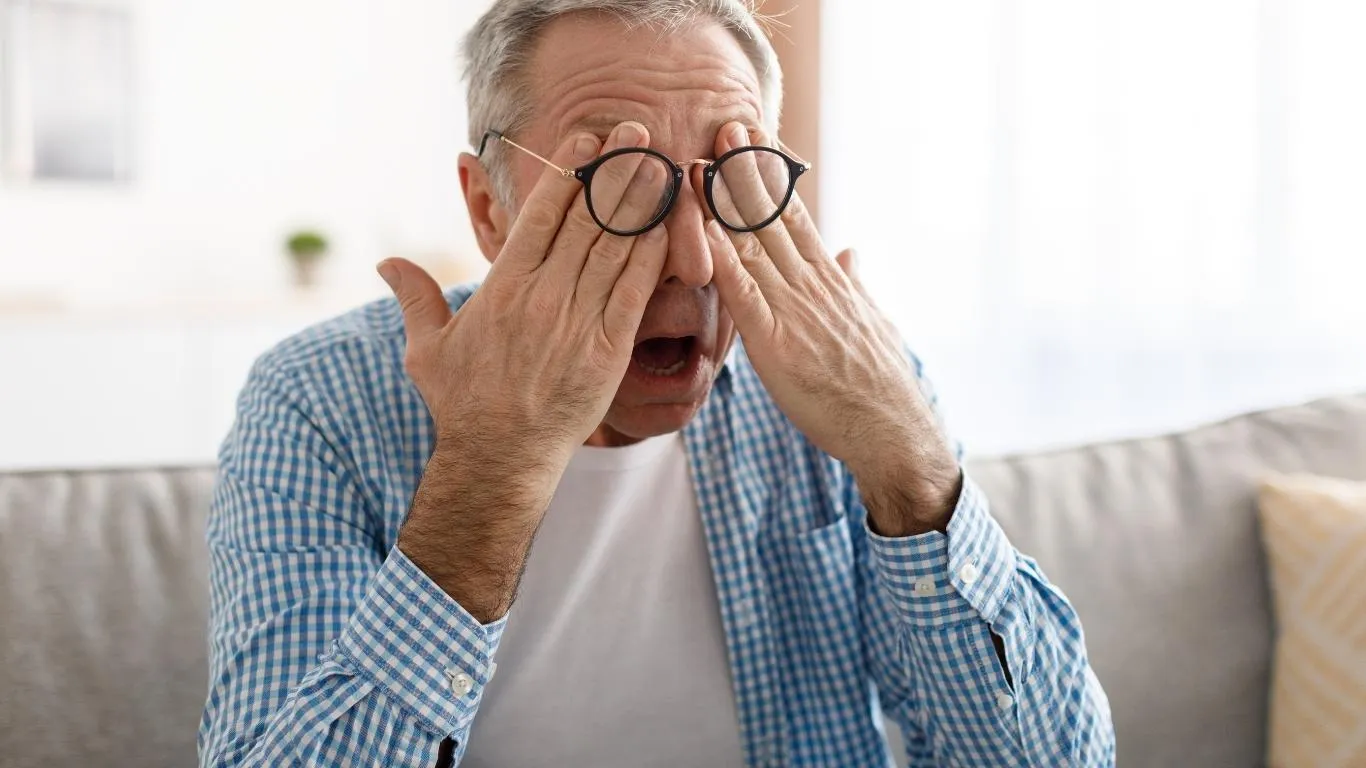
Look, most of the time, floaters during shaded walks are just annoying, not dangerous. But I’m not going to sugarcoat it—there are red flags. If floaters appear with light flashes, a sudden “curtain” in your vision, or if you get a rush of them out of nowhere, don’t wait. Get checked.
There’s a solid explanation here on when floaters become a medical concern. I once ignored a sudden floater burst for a week (bad idea), and thankfully, it wasn’t a retinal tear, but it easily could’ve been. The peace of mind after that eye exam? Totally worth it.
Also worth a peek is this expert-backed resource on signs that floaters might indicate something more serious. It’s better to check and be told it’s nothing than to ignore a possible emergency.
What If the Park Walk Is Part of Your Routine?
For folks like me who treat park walks as therapy or daily rhythm, floaters can feel like a rude interruption. But they don’t have to derail your groove. Over time, your brain does adapt—really. Neuroplasticity kicks in and helps “tune them out.” This takes a few weeks or even months, but it works.
Also, don’t underestimate the power of gentle eye exercises and overall eye health. Your diet, hydration, and how you deal with screen fatigue all matter more than we give credit.
And if you ever do consider treatment—laser or otherwise—there’s a breakdown of those options in this detailed treatment guide. It’s an honest look at when observation is enough, and when it’s time for something more.
To understand floaters as a whole—from their causes to when to actually be concerned—don’t miss the main overview here: What Are Eye Floaters?

Camellia Wulansari is a dedicated Medical Assistant at a local clinic and a passionate health writer at Healthusias.com. With years of hands-on experience in patient care and a deep interest in preventive medicine, she bridges the gap between clinical knowledge and accessible health information. Camellia specializes in writing about digestive health, chronic conditions like GERD and hypertension, respiratory issues, and autoimmune diseases, aiming to empower readers with practical, easy-to-understand insights. When she’s not assisting patients or writing, you’ll find her enjoying quiet mornings with coffee and a medical journal in hand—or jamming to her favorite metal band, Lamb of God.