Identifying Anxiety Symptoms vs Panic Symptoms Can Change Everything
It’s strange how the body can feel like it’s betraying you. One moment, you’re scrolling through emails, sipping your coffee, and then bam—your heart races, your chest tightens, your breath feels shallow, and you’re suddenly wondering if it’s a heart attack or just another one of *those* episodes. I’ve been there more times than I care to count. The confusion between anxiety symptoms and panic symptoms can be terrifying—and unless you’ve gone through it, it’s hard to understand how overwhelming it can feel. But the key to regaining some control lies in *truly understanding the differences* between them. That’s what we’re diving into today.
Understanding the Confusion: Anxiety vs. Panic

It’s common to hear people use the terms *anxiety attack* and *panic attack* interchangeably—but clinically, they are not the same. Trust me, I used to think they were. But after several misdiagnosed episodes, and more Google searches than I’m proud of, I learned that these two experiences have very different patterns, triggers, and durations. Understanding those differences can be the first step in getting real help, not just temporary relief.
Core Differences in Onset and Duration
Panic symptoms usually hit suddenly, and they come in strong. There’s no gradual build-up. It can go from zero to ten in a matter of seconds. In contrast, anxiety symptoms tend to simmer—they escalate slowly, often triggered by specific worries or stressors.
- Panic attacks feel like a crash. They often peak within 10 minutes and fade after 20–30 minutes.
- Anxiety symptoms feel like a wave. They build up slowly and can last for hours—or even days.
Here’s the kicker: not every panic attack comes from anxiety. Sometimes it feels like it comes out of the blue, while anxiety usually has a root cause—even if it’s buried deep in your subconscious.
Symptoms That Seem the Same But Aren’t

The body doesn’t always differentiate well between panic and anxiety. You may feel dizzy, have shortness of breath, or even experience chest pain in both cases. But here’s a rough breakdown:
- Panic Symptoms – racing heart, chest pain, chills, nausea, feelings of detachment (depersonalization), fear of dying.
- Anxiety Symptoms – restlessness, fatigue, irritability, difficulty concentrating, muscle tension.
I once ended up in the ER, convinced I was having a heart attack. Turns out, it was a panic attack. The doctor gently explained the difference. That moment stuck with me. It was the push I needed to start assessing my symptoms more critically.
The Triggers Tell a Bigger Story
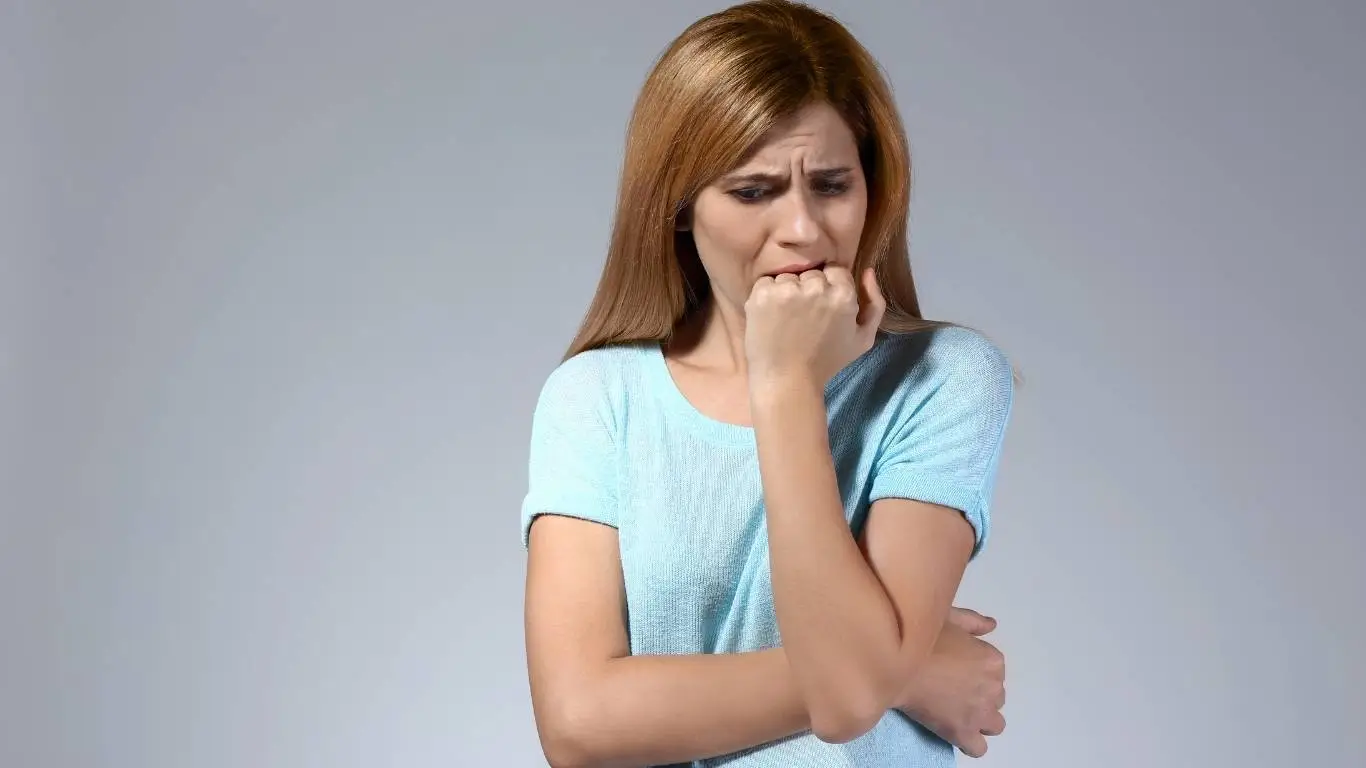
One of the best ways to differentiate between anxiety and panic is to look at the trigger—or the lack of one. For me, social events and looming deadlines usually kick off anxiety symptoms. But when I experienced panic, it sometimes came out of nowhere. Like the time I was just watching TV and suddenly couldn’t breathe.
Anxiety Is Often Triggered by Worries
Anxiety is a response to something. Maybe it’s your finances. Maybe it’s work. Maybe it’s your health. Whatever it is, there’s usually a logical (if exaggerated) reason behind it.
Panic Can Feel Random
With panic attacks, the body goes into survival mode with no warning. Your brain thinks you’re under attack. That’s why shortness of breath feels so alarming—it mimics real physical danger. It’s your body’s fight-or-flight system in full force.
The Emotional Fallout: What They Leave Behind

The aftermath is where I personally felt the biggest difference. After a panic attack, I felt drained. Like I’d just run a marathon. Emotionally and physically spent. With anxiety, I was more irritable, on edge, and mentally exhausted—but I could still go through the motions.
Studies have shown that the aftermath of repeated panic attacks can lead to something called *anticipatory anxiety*. You begin to fear the fear itself, which is why many people start avoiding certain places or situations. That’s how panic disorder develops—it’s not just the panic; it’s the fear of its return that becomes debilitating.
Why Getting the Right Diagnosis Matters

If you’re not sure whether you’re dealing with anxiety or panic—or both—you’re not alone. It’s incredibly common to confuse the two. But the treatment paths can be different, which is why diagnosis is critical. For example, someone with Generalized Anxiety Disorder (GAD) may benefit from lifestyle interventions and therapy, whereas someone with Panic Disorder may need a combination of therapy and short-term medication.
This is why getting a proper assessment is essential. Don’t just assume what you’re feeling is ‘normal’ stress. I made that mistake for years—and my quality of life suffered for it.
According to NIMH and APA, professional diagnosis not only validates your experience but opens the door to effective care strategies.
Helpful Tools to Start With
- Consider taking a self-assessment like the GAD-7 Questionnaire.
- Keep a symptom log: time of day, duration, trigger, physical responses.
- Talk to a therapist who specializes in anxiety spectrum disorders.
And if you want a broader understanding of where your anxiety might be coming from, don’t miss this breakdown of underlying causes that many people overlook.
For a complete overview of what anxiety disorders really entail, check out this deep dive into how they quietly control your life.
How Physical Reactions Create More Confusion

One thing I didn’t expect when navigating all this was how *physical* anxiety and panic could feel. It’s not just “in your head.” You might notice your hands trembling, chest tightening, or your stomach churning. And while these signs can show up in both conditions, they feel different once you start tuning in.
For example, during anxiety, I often get this persistent stomach ache that won’t quit—it’s like a slow burn. But when panic hits? My body feels like it’s hijacked. I’ve had cold sweats, numb fingers, and even ringing in my ears. That’s when I understood how powerful the fight-or-flight response really is. The body dumps adrenaline so fast, it’s like you’re prepping to run from a bear—even if you’re just in line at the pharmacy.
Common Physical Overlaps
- Shortness of breath
- Heart palpitations
- Dizziness or lightheadedness
- Muscle tension
- Tight chest
While both share a lot of these, panic symptoms often come with a sense of detachment from reality—like you’re floating outside your body. That’s called depersonalization or derealization, and it’s incredibly unsettling when it happens. I had no idea what it was the first time—it felt like my brain had just unplugged from everything around me.
Emotional Patterns: Fear, Worry, and Shame

One of the most misunderstood parts of this whole journey is the emotional toll. Not just the symptoms—but the *aftershocks*. Panic symptoms often leave you feeling embarrassed, shaky, and even ashamed. I remember hiding in the office bathroom for 20 minutes after an attack because I didn’t want anyone to see me like that. That kind of emotional fallout can stick around for days.
With anxiety, it’s different. It’s more like a constant drip—always present, always pressing. It can make you feel inadequate or incapable even when nothing is “wrong” on the outside. It’s no wonder so many of us silently carry it through our daily routines.
The long-term impact of this emotional weight can quietly affect your mood, relationships, and confidence. That’s why so many people find themselves looking into therapy options just to get their footing back.
When Worry Becomes a Lifestyle
If you’re someone who always anticipates the worst-case scenario, you’re not alone. Chronic anxiety often tricks us into thinking we’re being “prepared” or “responsible,” when in reality, we’re just exhausting ourselves. I used to plan out 10 different outcomes before I’d send a simple text message. That’s not preparation—it’s mental self-sabotage.
How to Respond in the Moment

It took me a long time to realize that reacting *differently* to these episodes made a huge difference. The tools aren’t the same for panic and anxiety, and understanding that can shift how you cope.
For Panic Symptoms
- Focus on your breath: try box breathing—inhale 4 sec, hold 4, exhale 4, hold 4.
- Ground yourself: list 5 things you can see, 4 you can touch, 3 you can hear…
- Remind yourself: “This will pass.” Because it will.
You might also find support in methods like EMDR therapy or even exposure therapy—especially if the panic attacks are linked to specific phobias or trauma.
For Ongoing Anxiety
- Stick to a routine that includes movement—even a 10-minute walk helps.
- Limit caffeine and sugar; they amplify anxious energy.
- Use tools like journaling or guided meditations to train your mind.
I personally started with journaling each morning—it helped me notice patterns, track triggers, and let go of things I couldn’t control.
The Role of Education in Managing Both

Once I learned more about what was happening inside my brain and body, the fear loosened its grip. That’s why education is *everything* when it comes to managing symptoms and building resilience. You don’t have to become a therapist, but understanding the basics helps you make informed decisions and avoid panic spirals.
For anyone dealing with the overlap of symptoms—or just struggling to figure out what’s happening—this guide to anxiety symptoms breaks down the signs in a way that’s practical and reassuring.
And if you’re trying to unpack the root of your experience, the main overview on why anxiety can quietly control your life is a solid place to start. It ties together triggers, patterns, and modern solutions that actually work.
Learning to Live with Clarity
Living with anxiety or panic isn’t about “curing” yourself. It’s about learning your body’s language. Once you know how to read it, the mystery—and fear—begins to dissolve. You gain clarity, confidence, and a sense of control again.
And the beautiful part? You’re not alone. Whether you’re managing mild symptoms or navigating full-on panic, there’s an entire world of tools, strategies, and support ready to walk alongside you. You just have to take that first step—and maybe reread this when you need a reminder that your body isn’t broken. It’s just asking for your attention.

Camellia Wulansari is a dedicated Medical Assistant at a local clinic and a passionate health writer at Healthusias.com. With years of hands-on experience in patient care and a deep interest in preventive medicine, she bridges the gap between clinical knowledge and accessible health information. Camellia specializes in writing about digestive health, chronic conditions like GERD and hypertension, respiratory issues, and autoimmune diseases, aiming to empower readers with practical, easy-to-understand insights. When she’s not assisting patients or writing, you’ll find her enjoying quiet mornings with coffee and a medical journal in hand—or jamming to her favorite metal band, Lamb of God.