How Candle Meditation Can Make Eye Floaters Worse
One night, I sat in a dim room with nothing but a flickering candle to keep me company. It was supposed to be a calming moment—just me, my breath, and the flame. But almost instantly, I noticed something strange. Little specs, threads, and shadowy shapes danced in my vision as I tried to focus. That was the first time I realized how *floaters visible during candle meditation* can completely hijack what’s meant to be a peaceful experience.
Why Candle Meditation Makes Eye Floaters More Noticeable
If you’ve ever done candle meditation and suddenly noticed annoying little squiggles drifting around your field of vision, you’re not imagining things. Candlelight, by nature, creates a high contrast environment. That contrast makes vitreous floaters—those semi-transparent specks floating in your eye—stand out like never before. You’re focusing on a small, steady point of light in a dark room, and your pupils are dilated, making your eyes super sensitive to internal disturbances.
In a way, it’s the perfect storm for floaters to show up. While they’re always there, the setup of candle meditation just happens to make them unmissable.
Understanding What Eye Floaters Actually Are
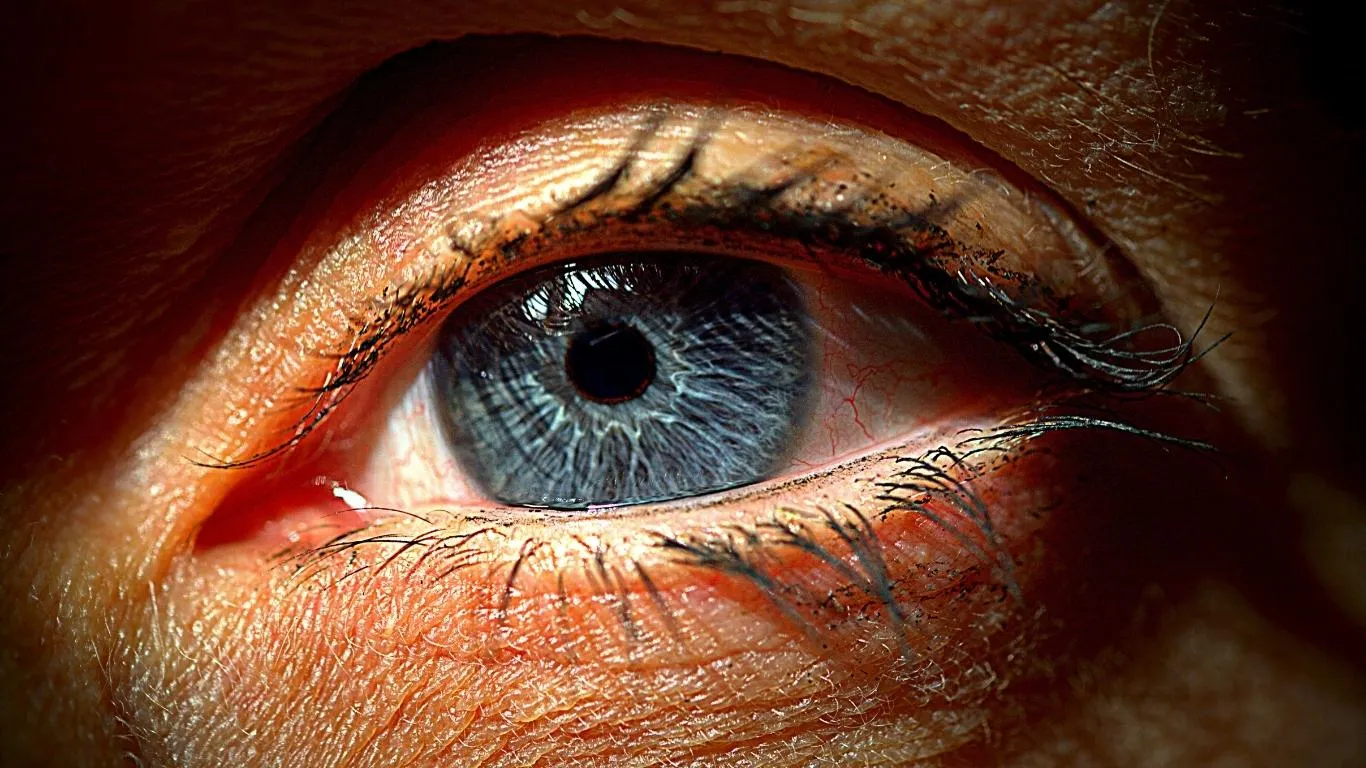
Here’s the not-so-fun biology behind it: floaters are tiny clumps of collagen or other materials inside the vitreous, the gel-like substance that fills the back of your eye. As you age, or if you’re nearsighted like me, the vitreous starts to break down and pull away from the retina. That’s when these little debris patches start casting shadows on your retina and creating those dancing floaters you see.
Common Reasons You’re Seeing Them More Clearly
- Dim Lighting – Low light settings like candle meditation make floaters more pronounced.
- Pupil Dilation – Your eyes let in more light, revealing floaters.
- Focus and Stillness – Meditative focus removes distractions and draws attention to visual irregularities.
And honestly, I’ve noticed they become even more prominent when I’m tired or dehydrated. One night after a long flight, I tried to meditate to reset my internal clock—and the floaters? Brutal. Turns out dehydration doesn’t just dry out your mouth—it can mess with your eyes too.
Are Floaters During Candle Meditation Something to Worry About?
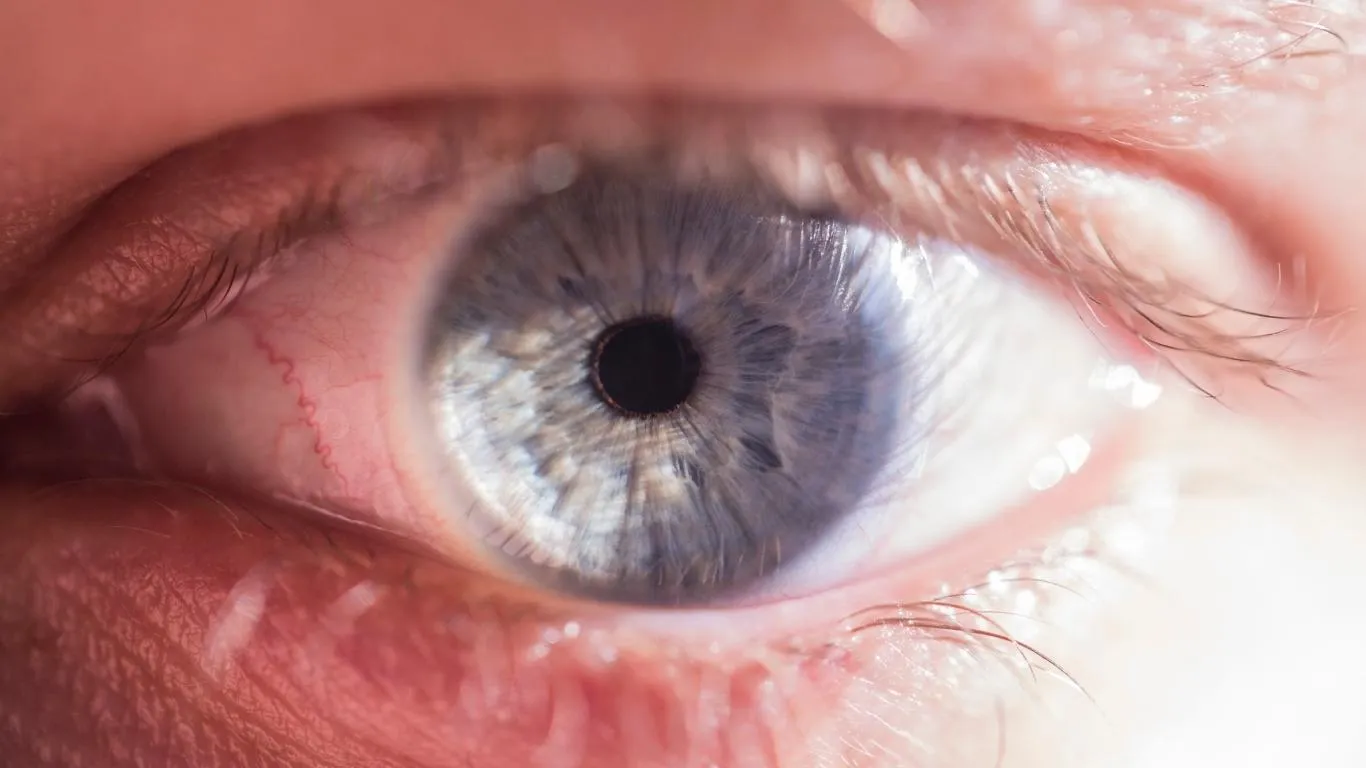
Not necessarily. In most cases, floaters are harmless and more of an annoyance than a sign of something serious. That said, there are exceptions. If you suddenly see a shower of new floaters, flashes of light, or a curtain-like shadow in your vision, it could be a retinal tear or detachment. That’s not something you wait out—get help, fast.
In fact, I’ve bookmarked this article after a friend experienced a sudden burst of floaters followed by vision loss. A retinal tear was caught just in time.
What Makes Floaters More Prominent During Meditation?
- Focus on a Fixed Point – You’re literally staring at a small light in an otherwise dark room.
- Lack of Distractions – No phone, no screen, just you and your thoughts—and floaters.
- Long Gaze Duration – The longer you fixate on the flame, the more you notice the subtle movements within your field of vision.
There’s also the aspect of emotional state. When you’re meditating, especially after a stressful day, your nervous system is trying to calm down—but visual interruptions like floaters can be jarring. One night after a frustrating work call, I attempted to ground myself with meditation. Instead, I found myself obsessing over the tiny dots flickering across the flame. It felt more like a distraction than clarity.
How to Minimize Floaters When Meditating with a Candle
You can’t completely eliminate floaters—unless you opt for surgery, which is typically reserved for severe cases—but there are ways to make them less distracting during your practice:
- Shift your gaze slightly – Moving your eyes even a little can reposition the floaters out of your central vision.
- Try diffused candlelight – Place the candle behind a frosted glass or soft lampshade to reduce harsh contrast.
- Hydrate well – Seems simple, but dehydration really does make them worse.
- Adjust your posture – I noticed floaters were less intrusive when I slightly tilted my head down. There’s a surprising link between posture and floater visibility.
- Practice eye movement before meditating – A few gentle side-to-side eye rolls can help settle the vitreous gel a bit.
Other Conditions That Make Floaters Stand Out
It’s not just candle meditation. Floaters can show up more intensely when you’re outside on a bright sunny day, in front of a white screen, or even after staring at a phone in a dark room. This is especially common in people with healthy young eyes or those with high visual sensitivity.
And let’s not forget medical contributors. Issues like high myopia, autoimmune conditions, or a history of eye surgeries can lead to more intense or frequent floaters. The contrast of a candle just happens to amplify what’s already lurking under the surface.
For a solid breakdown of the many causes, this guide from our pillar series covers them all—from aging to trauma.
And if you’re diving deeper into this topic, you might also want to check out the broader overview at what floaters are, how they form, and treatment options. It’s a good place to start if you’re just beginning to connect the dots.
Can Candle Meditation Worsen Floaters Over Time?
Short answer? Not really—but it can feel that way. Candle meditation doesn’t make your floaters multiply or grow, but when you notice them more frequently, it gives the illusion that they’re getting worse. The practice itself is not harmful to your eye health, but the perceived increase in floater visibility can get in your head—especially if you’re a perfectionist or someone who struggles to relax when things aren’t “just right.”
That used to be me. Every time I sat down to meditate, the floaters would appear and I’d spiral into irritation. I started thinking maybe I was doing something wrong or making my eyes worse. But I’ve since learned that awareness ≠ damage. It’s like when you buy a new car and suddenly see the same model everywhere—it’s not new, you’re just finally paying attention.
When to Be Concerned
- Sudden increase in floaters during meditation
- Floaters accompanied by flashes of light
- A black shadow or curtain moving across vision
- Persistent floaters with no other symptoms—but still uncomfortable
All of these can be signs of something more serious like retinal detachment or inflammation. I once experienced a strange spike in floaters after a week of headaches and low-grade fever. A doctor later confirmed it was linked to a mild uveitis flare. That’s why knowing the patterns that aren’t normal is just as important as learning to tolerate the ones that are.
Can You Meditate Without Seeing Floaters?
You can’t control floaters, but you can control how you respond to them. For me, the real shift happened when I changed the way I practiced. Instead of staring at a flame, I closed my eyes and focused on sound or breath. This instantly removed the visual stimulus that triggered my floater annoyance. You could also try using non-visual meditation techniques like:
- Body scan meditation – Redirects awareness from your eyes to your physical body.
- Breath counting – Helps you stay anchored to rhythm instead of vision.
- Guided audio meditations – Reduces the visual focus altogether.
Some people also find that meditating outdoors around dusk or dawn—where natural lighting is gentler—makes floaters less noticeable. I’ve done it barefoot on the grass, eyes softly open, focused on trees instead of candles. Worked like magic.
Floaters or Something Else?
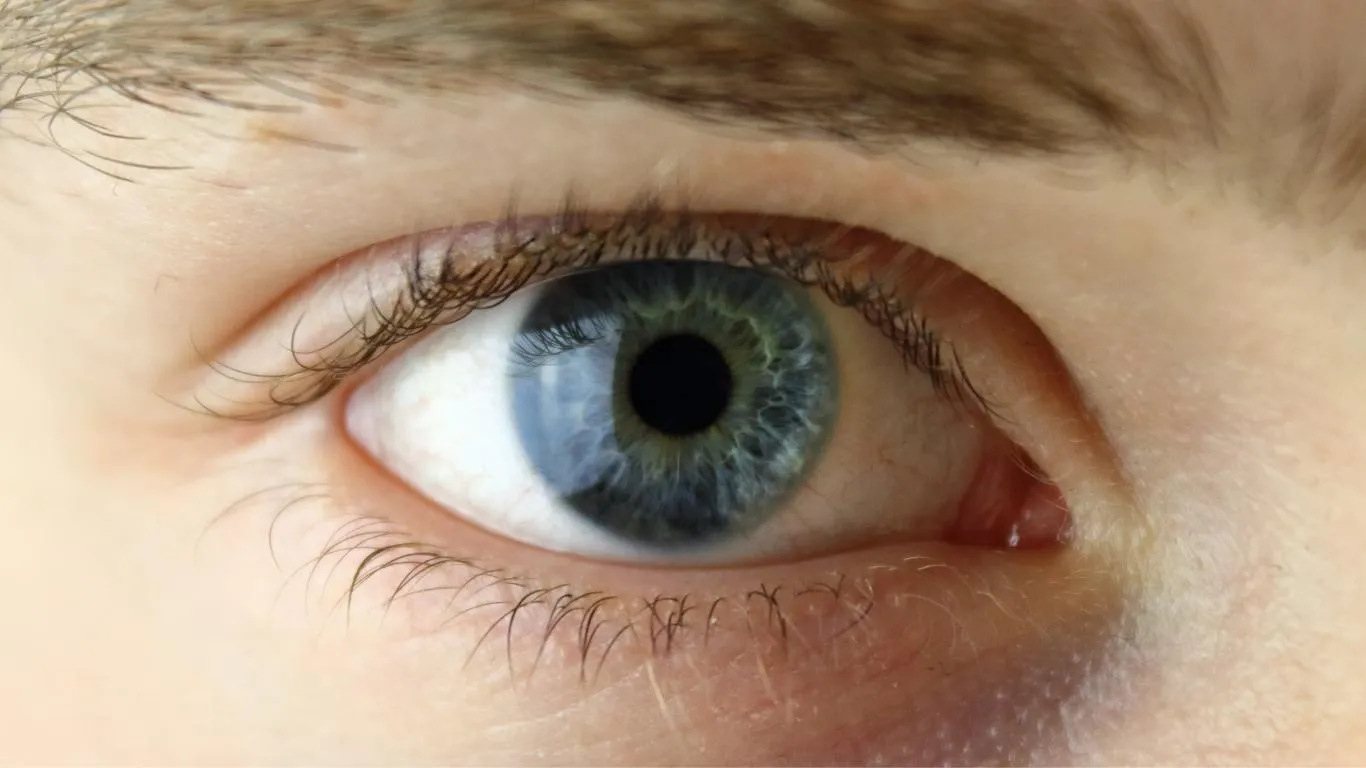
Another common issue I hear is whether what you’re seeing is actually floaters—or something else entirely. Visual disturbances from migraine aura, eye strain, or dry eye syndrome can all mimic floaters. During meditation, especially if you’re dehydrated or haven’t blinked in a while, these symptoms can flare up.
There’s also a condition called vitreous syneresis, where the vitreous gel liquefies faster than usual. That can lead to more prominent floaters even in younger adults. This article breaks it down better than I ever could.
And don’t get me started on the times I confused floaters for dust on my glasses or something floating in the air. Only to realize, nope—it’s in my eye. Again.
Should You Avoid Candle Meditation Altogether?
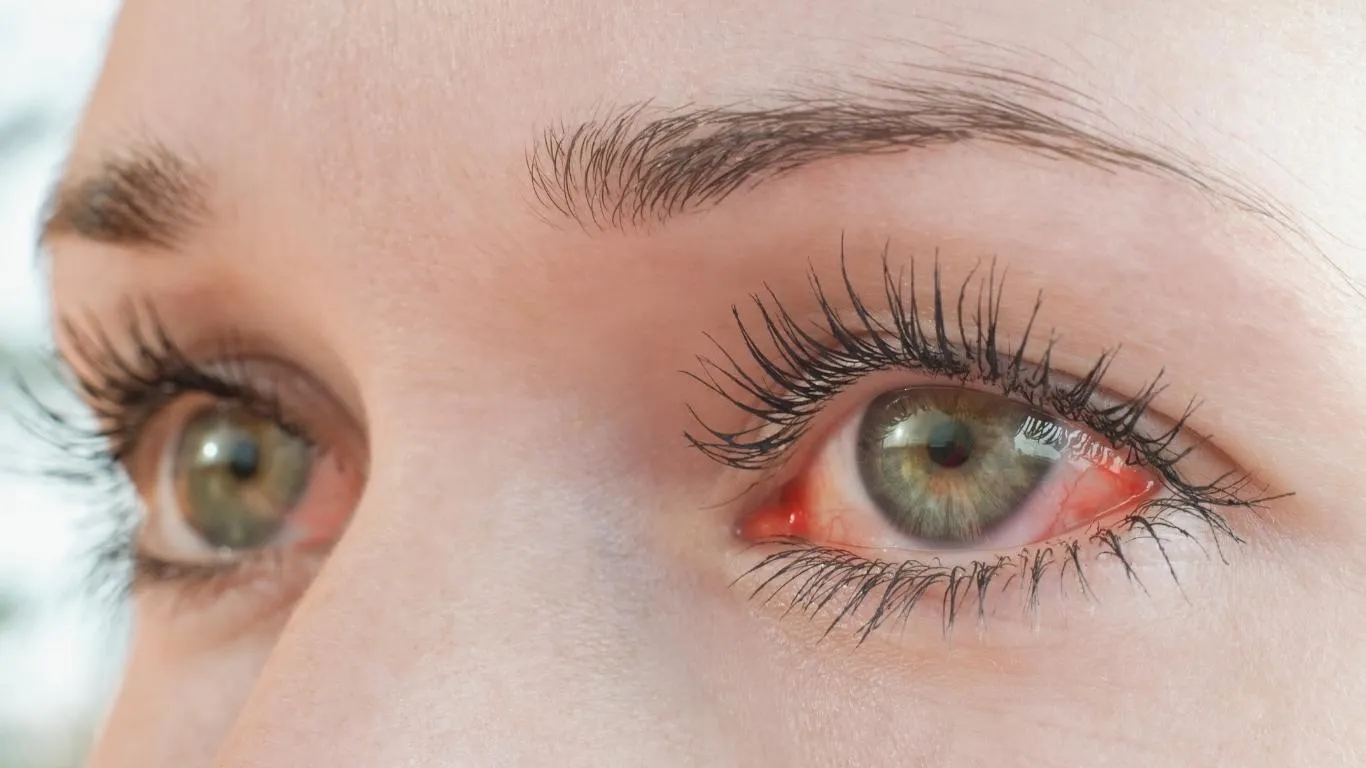
Not at all. Candle meditation has its place. It’s grounding, calming, and when done right, it can enhance clarity and mental stillness. But if floaters are taking over your practice, consider modifying your setup:
- Use a larger candle flame to spread the light more evenly.
- Try sitting farther away to soften the focus intensity.
- Don’t stare continuously—blink naturally and rest your gaze every 30 seconds.
- Experiment with different background colors or dim wall lighting to reduce contrast.
I’ve found a balance that works: combining short candle sessions with breathwork, using a soft warm bulb in the room to cut the stark contrast. And yes, I still see floaters. But now, I acknowledge them, refocus, and move on.
What Science Says About Meditation and Eye Health
While there isn’t much research on floaters and candle meditation specifically, there’s plenty of evidence that links long periods of visual focus—especially on high-contrast light—with eye fatigue. According to sources like American Academy of Ophthalmology and NIH, people who spend extended time focusing on small light sources tend to experience more visual artifacts, including floaters.
The act of focused meditation may also increase awareness of these disturbances due to heightened sensory sensitivity. So if it feels like the floaters are louder during your sessions, you’re not wrong—you’re just more tuned in.
Is There a Long-Term Fix?
Treatments like vitrectomy and laser vitreolysis exist, but they’re usually reserved for severe cases where floaters affect daily life. For the rest of us, managing floaters is more about lifestyle tweaks. A good place to begin? Explore natural strategies to support vitreous health—from diet and hydration to supplementation and eye movement exercises.
One article I constantly refer to is this guide on treatment options—it lays out the full spectrum, from doing nothing to going under the laser. Always good to know what your options are, just in case.
Reframing Your Relationship with Floaters
Here’s the truth I’ve come to accept: floaters are going to show up whether you’re meditating or not. They’re just more annoying when you’re trying to be still. But they don’t have to ruin your practice—or your peace.
Instead of resisting them, I’ve learned to include them. If they drift across my vision, I acknowledge them, then gently return to the candle or my breath. Some days they’re more active, other days barely there. It’s part of the flow.
And that, I think, is the real meditation.

Camellia Wulansari is a dedicated Medical Assistant at a local clinic and a passionate health writer at Healthusias.com. With years of hands-on experience in patient care and a deep interest in preventive medicine, she bridges the gap between clinical knowledge and accessible health information. Camellia specializes in writing about digestive health, chronic conditions like GERD and hypertension, respiratory issues, and autoimmune diseases, aiming to empower readers with practical, easy-to-understand insights. When she’s not assisting patients or writing, you’ll find her enjoying quiet mornings with coffee and a medical journal in hand—or jamming to her favorite metal band, Lamb of God.