
Sacral Pain vs Coccyx Pain Difference: What You Must Know
For years, I thought all lower back pain was basically the same—just a dull ache that flares up if you sit too long or sleep weird. But when sharp pain started radiating from the very bottom of my spine after long drives or even a sneeze, I realized something wasn’t adding up. It turns out there’s a huge difference between *sacral pain* and *coccyx pain*, and if you’ve ever mixed them up (like I did), you’re not alone. Knowing what’s what can help you manage your symptoms better and actually talk to your doctor like you’ve got a clue.
Understanding the Real Difference Between Sacral and Coccyx Pain

Let’s break this down. The sacrum is that large, triangle-shaped bone at the base of your spine, sitting right between your hip bones. It connects your spine to your pelvis and plays a major role in load-bearing. The coccyx—better known as the tailbone—is a tiny little bone just below the sacrum. It might be small, but if you’ve ever landed hard on your butt or sat too long on a wooden bench, you know how vicious coccyx pain can be.
So yeah, they’re close neighbors in your body. But pain in these areas? Completely different ball games.
What Sacral Pain Really Feels Like
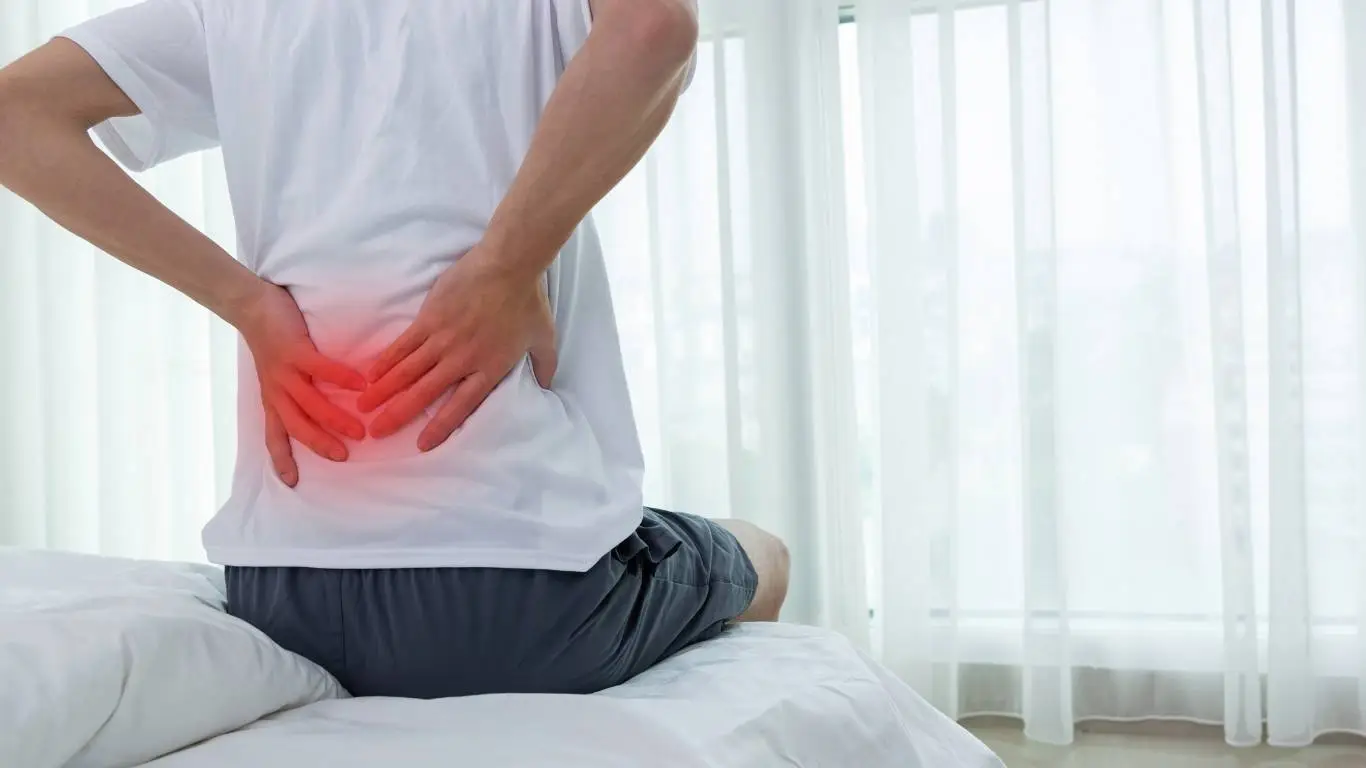
I used to feel a deep, throbbing ache right where my lower spine met my pelvis. Sometimes it shot down into my legs, especially after standing too long. That’s classic *sacral pain*. It often feels like a pressure or stiffness in the lower back, and it might get worse after bending, lifting, or even sleeping wrong.
Sacral pain is often linked with:
- Sacroiliac joint dysfunction
- Pelvic instability or inflammation
- Degenerative disc disease or aging
- Injuries from lifting, falls, or impact sports
What Makes Coccyx Pain So Distinct
Coccyx pain, or coccydynia, is a much sharper, more pinpointed pain. It hits you right at the tailbone—usually when you sit, especially on hard surfaces. I remember feeling like I had a bruise I couldn’t see, and any time I shifted my weight, it flared up.
Common culprits include:
- Prolonged sitting, especially with poor posture
- Injury from falls or direct trauma to the tailbone
- Childbirth-related stress on the pelvis
- Bone spurs or localized inflammation
Everyday Triggers and What They Reveal

When I started keeping a simple pain log, I noticed that *sitting too long* triggered coccyx discomfort almost every time—especially during long flights. Meanwhile, *standing still or twisting* would light up my sacral pain. The activities that aggravate these pains give big clues about their origin.
Sacral Pain Triggers
- Standing or walking for long periods
- Sleeping on a soft mattress that lacks support
- Heavy lifting or bending at awkward angles
Coccyx Pain Triggers
- Sitting on hard surfaces
- Leaning backward while seated
- Sudden jarring motion, like falling backward
And just to make things trickier, there’s also overlapping pain. For example, I once strained my lower back while doing squats and ended up feeling *both* sacral and coccyx pain. That’s when I really realized how essential it is to pay attention to the *type* of pain and where exactly it’s coming from.
Diagnosing the Right Pain

Your doctor’s not just guessing—they use physical exams, patient history, and imaging tools like MRIs or X-rays to figure out what’s causing your pain. But if you can come in prepared with details about your symptoms, you’ll make their job *way* easier.
Helpful info to track includes:
- Where the pain starts and whether it radiates
- What makes it worse or better
- Whether it’s dull, sharp, burning, or stabbing
- If there’s swelling or bruising at the tailbone
Sometimes, conditions like lumbar radiculopathy or herniated discs might mask themselves as tailbone or sacral pain. That’s why accurate diagnosis is key—not just to relieve pain but also to rule out serious problems like infections or spinal tumors (yep, rare, but real).
Treatment Approaches That Actually Work

Here’s what worked for me, and what research and spine experts recommend for targeted relief:
For Sacral Pain:
- Physical therapy focused on pelvic stability
- Anti-inflammatory medications
- Sacroiliac joint injections (for chronic cases)
- Targeted mobility and strengthening exercises
For Coccyx Pain:
- Tailbone cushions for seated relief
- Manual therapy or gentle massage
- Anti-inflammatory or muscle relaxants
- Occasionally, surgical removal of the coccyx (only if chronic and unresponsive to treatment)
I personally found that switching to a firmer chair with proper lumbar support made a night-and-day difference. It’s the little lifestyle tweaks—like posture, movement breaks, or stretching—that can prevent chronic pain from creeping in again.
If you want to dive deeper into how posture and daily movement habits can aggravate lower spine issues, check out our posture-related pain breakdown. It’s a game-changer for office workers, trust me.
To learn more about broader causes and treatments of chronic back pain, visit our comprehensive guide on Back Pain Types & Anatomy, and don’t miss the full scope at our main back pain resource page for evidence-based help.
For additional clinical insight, check out sources like ncbi.nlm.nih.gov, cdc.gov, and spine-health.com.
When Sacral or Coccyx Pain Becomes Chronic

Now, here’s the kicker—when either sacral or coccyx pain sticks around for more than a few weeks, things can spiral. I had a bout of lingering tailbone pain that hung on for months after a minor slip in the shower. At first, I brushed it off. Then it started affecting how I walked, sat, even slept. That’s when I knew ignoring it wasn’t an option.
Chronic pain in these areas isn’t just physical. It wears you down mentally. You avoid outings, wince at the thought of long car rides, or dread another restless night. At this point, pain management becomes less about a quick fix and more about a lifestyle shift.
Red Flags You Shouldn’t Ignore
If you’re unsure whether to see a specialist, watch for these warning signs:
- Pain that worsens at night or wakes you from sleep
- Unexplained weight loss or fever along with back pain
- Loss of bowel or bladder control
- Numbness or tingling in your legs or groin
These aren’t just “normal” back pain signs—they could point to something more serious like a spinal infection or tumor. If you’re noticing any of this, don’t wait. Consult a specialist ASAP or get imaging done. Here’s a full guide to red flags that shouldn’t be ignored.
Preventive Habits That Actually Help

One thing I wish I’d known earlier: prevention is way easier than recovery. If you’ve dealt with sacral or coccyx pain once, you’re at risk of it coming back. But you don’t need a hardcore routine to stay pain-free—just a few daily changes can work wonders.
Posture & Ergonomics
- Use a lumbar-supportive chair with a coccyx cushion if needed
- Keep your feet flat on the floor while sitting
- Alternate between sitting and standing if you have a desk job
Movement & Mobility
- Stretch your hip flexors, hamstrings, and glutes daily
- Try simple back stretches and low-impact exercises
- Walk regularly—even a 10-minute stroll helps
Strengthening the Core
- Pilates is amazing for core strength without pressure on the spine
- Use resistance bands or bodyweight moves like bridges and planks
Alternative & Holistic Relief Options

When standard treatments weren’t cutting it, I turned to some alternatives—and I’m glad I did. Some might sound woo-woo, but the research (and my experience) says otherwise. These can complement conventional care and sometimes deliver faster relief.
- Acupuncture – worked better for my tailbone pain than any pill ever did
- Cupping therapy – not just for athletes, it really relieved deep sacral tension
- Targeted massage – especially helpful around the glutes and lower spine
- CBD balm – personally, I found localized relief without the brain fog of pills
Before trying any of these, talk to your healthcare provider—especially if you have other conditions or are on medications. A personalized approach always works better than guesswork.
Long-Term Management: Keeping Pain From Coming Back

Let’s be real—once you’ve had sacral or coccyx pain, you don’t want it again. The good news? You can prevent recurrence without overhauling your life. A few smart, consistent changes go a long way.
Watch Your Daily Habits
- Don’t ignore small pain signals—early action beats late intervention
- Switch up your sitting positions every hour
- Keep inflammation in check with anti-inflammatory foods and hydration
Monitor Mental Health
This part gets overlooked. Chronic pain and mental stress go hand-in-hand. I didn’t fully grasp the connection until I started practicing mindfulness, and guess what? My pain episodes became shorter and less intense. Resources like mindfulness meditation for pain can be a serious game changer.
Also, chronic pain can mess with your emotions. If you’re feeling isolated or frustrated, talking to a therapist helps. Seriously—CBT for chronic pain isn’t just hype; it helps rewire how you process pain.
Know When It’s Time to Take the Next Step

If your pain just won’t let up and it’s affecting your day-to-day, don’t tough it out forever. Interventional options exist, and they’re not as scary as they sound.
Consider:
- Steroid injections to reduce inflammation
- Radiofrequency ablation for nerve-related sacral pain
- Minimally invasive procedures if there’s structural damage
The idea is not to jump into surgery, but rather to build a toolkit—from simple at-home changes to advanced medical support. That’s how you stay ahead of the pain and keep moving.
If you’re exploring treatments for specific lower spine problems, the detailed guide on minimally invasive back pain solutions is worth a read.
Want to explore more in-depth strategies for pain related to sitting, lifestyle, and anatomy? The full overview on Back Pain Types & Anatomy and the main back pain hub at healthusias.com/back-pain can help you find your best next step.
For solid clinical insight and research-backed pain strategies, visit spine-health.com, clevelandclinic.org, and ncbi.nlm.nih.gov.

Camellia Wulansari is a dedicated Medical Assistant at a local clinic and a passionate health writer at Healthusias.com. With years of hands-on experience in patient care and a deep interest in preventive medicine, she bridges the gap between clinical knowledge and accessible health information. Camellia specializes in writing about digestive health, chronic conditions like GERD and hypertension, respiratory issues, and autoimmune diseases, aiming to empower readers with practical, easy-to-understand insights. When she’s not assisting patients or writing, you’ll find her enjoying quiet mornings with coffee and a medical journal in hand—or jamming to her favorite metal band, Lamb of God.