Why a Microwave Heat Pad for Migraine Relief Actually Works
If you’ve ever had a migraine hit you like a ton of bricks after a long day or even in the middle of your weekend plans, I feel you. I’ve been there—on the couch, lights off, curled up, begging for anything that might work. One trick I never thought would be such a game changer? A microwave heat pad. Sounds too simple, right? But when it comes to migraine relief, sometimes the most effective solutions are the ones we overlook because they aren’t wrapped in prescription packaging. Let’s talk real results, comfort, and what actually works.
Why a Microwave Heat Pad Deserves a Spot in Your Migraine Toolkit

Let’s get this out of the way: heat won’t cure your migraines. But the right kind of heat can ease that throbbing, crushing pressure in a way that’s surprisingly fast. I used to reach for ice every time (classic cold vs hot battle), but after discovering heat pads—specifically microwaveable ones—I realized how underrated they are, especially when migraines come with neck tension or muscle tightness.
How Heat Therapy Helps Migraines
- Improves blood flow – Gentle heat increases circulation in stiff neck and shoulder muscles that often aggravate migraines.
- Reduces muscle tension – Tightness in the upper back and neck can trigger or intensify migraine episodes.
- Promotes relaxation – Warmth helps downregulate your nervous system when everything feels overstimulated.
According to the National Institutes of Health, heat therapy is especially useful for tension-related headache symptoms that blend into migraine pain. In other words, it’s not just for comfort—it’s physiological support.
What to Look for in a Microwave Heat Pad

Not all microwave pads are created equal. Some smell like burnt rice after three uses, others just don’t hold the heat long enough. I’ve gone through a few duds before landing on a solid one that checks every box. Here’s what you should be looking for:
- Neck and Shoulder Fit: You want coverage where you need it most—across the traps and up the neck.
- Natural Fill Materials: Like flaxseed, buckwheat, or clay beads. These retain heat longer and mold to your body.
- Microwave-Safe Design: No metal, washable cover, and a tag with heating instructions is a must.
Personally, I avoid anything with strong fragrances or essential oils baked in. They might smell “relaxing,” but during a migraine, even the faintest scent can feel like an assault. Keep it simple and unscented.
Using a Heat Pad During a Migraine Attack
I usually heat mine for 90 seconds and wrap it around the back of my neck while laying on my left side in a dark room. If it’s a more stubborn migraine, I’ll alternate heat with cold therapy using a gel pack across my forehead. That combo? Pure magic some days.
Also, don’t forget posture. A heat pad works better when you’re not crunched like a shrimp. A firm pillow under the knees and a flat position on your back help the muscles release.
When Heat Pads Work Best (And When They Don’t)

Heat isn’t a miracle cure, but it shines in very specific scenarios. Based on both my personal trials and clinical evidence, here’s what I’ve found:
Great For:
- Early stages of a migraine (prodrome or aura phase)
- Migraines triggered by neck pain or tension
- Stress-related migraines
- Relief between attacks for frequent sufferers
Not Ideal For:
- Migraines triggered by weather or heat sensitivity
- When nausea or vomiting is severe (heat may aggravate it)
- Post-exertion or dehydration-related migraines
It’s always about knowing your type of migraine. If you’re still trying to figure that out, this breakdown of what a migraine is and how it differs from regular headaches is super helpful.
Pairing Heat Therapy With Other Tools for a More Holistic Approach
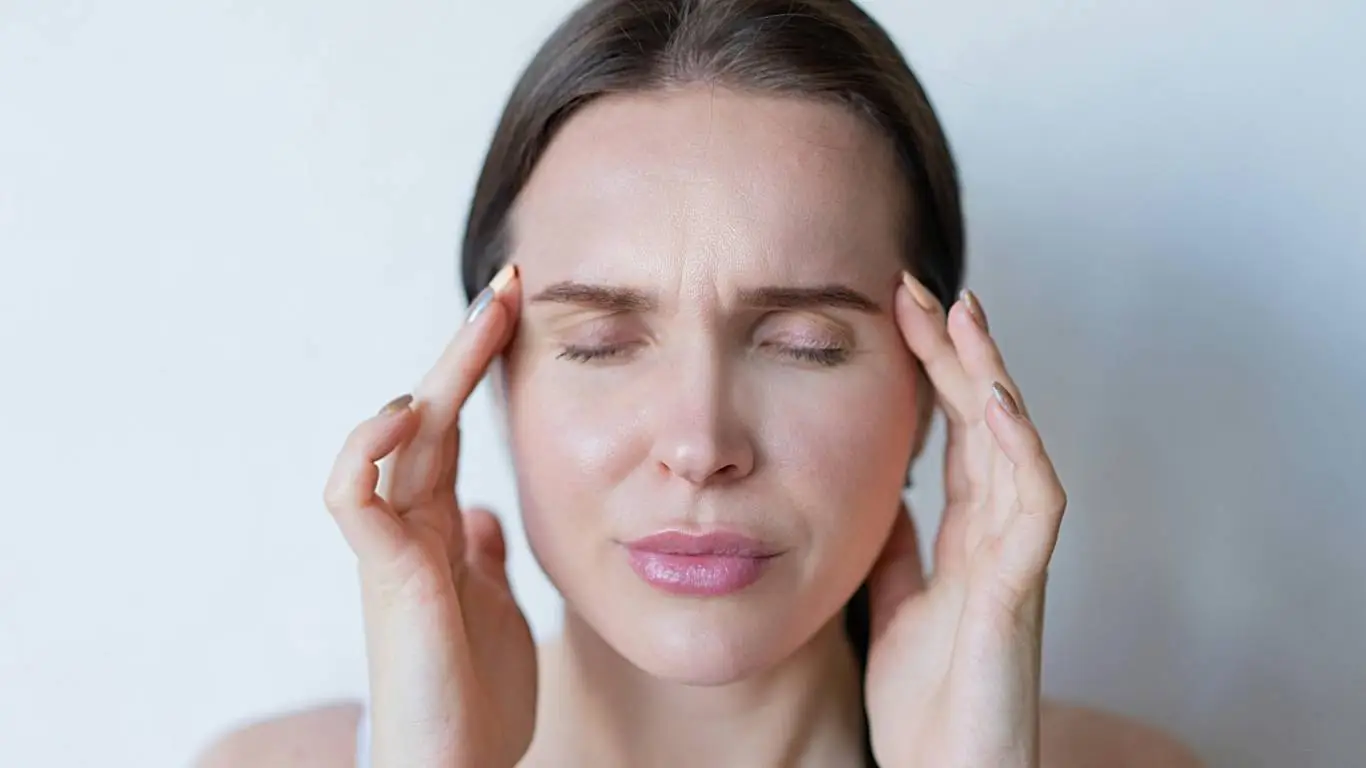
Relying on just one fix is rarely enough for most chronic migraine sufferers. Over the years, I’ve developed a bit of a migraine arsenal. Here’s what I keep on standby alongside my heat pad:
- Migraine diary – So I know when and why they’re happening
- Hydration and electrolytes – Especially during travel or hot weather
- Blue light glasses for screen time overload
- Peppermint oil (on temples—not near the nose)
All of this supports the bigger picture. You’re not just treating a symptom—you’re building a routine that gently reinforces your body’s defenses against migraine triggers. And if you’re ready to explore more about supportive tools, the full guide on migraine devices and gadgets is worth digging into.
And for a broader understanding of why migraines even happen in the first place, check out this comprehensive look at how migraines work. It’s one of the most helpful resources I came across when I first started unpacking mine.
Also, don’t miss the main migraine and headaches hub for deeper dives into everything from triggers to diagnosis. It’s a goldmine of practical info, honestly.
Making Microwave Heat Pads Work With Your Lifestyle

One of the biggest wins of using a microwave heat pad is how seamlessly it can fit into your routine. I’m not talking about adding another task to your already-overloaded day. This is about something that can ride shotgun with you—no pills, no apps, just real relief that’s ready when you are. At home, during breaks at work, or even during travel (yes, I’ve actually used mine in a hotel microwave)—it’s low-effort, high-reward.
At Work
When I’m working long hours at my desk, I keep a heat pad nearby—especially on high-stress days when deadlines loom. It’s easy to toss it in the microwave during a quick lunch break and drape it around my shoulders while I answer emails. It’s subtle and therapeutic. If you experience migraines at work, this little trick can make a massive difference.
While Traveling
Traveling used to wreck me. The stiff airplane seats, hotel pillows that felt like rocks, the dehydration, disrupted sleep… all of it. A compact heat pad became my unexpected MVP. Pop it into a hotel microwave for a minute or two, and boom—instant neck relief after a long flight. Pro tip: If you’re prone to air travel migraines, pair the pad with an eye mask and noise-canceling headphones. That trio has saved many of my trips.
Post-Workout or Yoga
On days when I push myself physically, especially with weight training or a tough yoga session, I notice migraine symptoms trying to sneak in. That’s usually my cue to wind down with the heat pad. It’s like giving your body a reset button. Curious how exercise and migraine connect? Here’s a solid dive on the exercise-migraine relationship.
DIY vs. Store-Bought: What’s Better?

Ah, the age-old question. Do you go full DIY with a sock and some rice, or get a nicely stitched store-bought version? Honestly, both can work. I started with the sock trick out of desperation, but eventually upgraded to a professionally sewn version with handles and a washable cover. Here’s a quick rundown:
DIY Rice Sock
- Cheap and easy to make
- Good for testing if heat helps you
- Can be inconsistent in heating and hold time
Store-Bought Heat Pad
- Better ergonomics and coverage
- Longer heat retention
- Safer with clear heating instructions
If you’re just exploring the idea, go DIY first. But if you’re already dealing with frequent migraines, a good-quality microwave pad is worth the small investment. For those dealing with chronic migraines, consistency and convenience really matter.
Combining Heat With Nutrition and Supplements

I didn’t want to go down the supplement rabbit hole, but after some trial and error, adding magnesium and riboflavin (vitamin B2) made a noticeable difference in how often I needed the heat pad. When paired with a heating session during the early stages of an episode, it reduced the intensity dramatically. There’s some good science behind it, too—from sources like Cleveland Clinic and Mayo Clinic.
Food matters, too. I stay away from common migraine-triggering foods like aged cheese and processed meats. Instead, I lean into magnesium-rich options—spinach, almonds, avocado—and hydrate like it’s my job. Here’s a list of some of the best foods for migraine support that work well with heat therapy.
What Real Relief Feels Like
I used to think migraine relief had to come in the form of a pill or a trip to a dark room for 10 hours. While those still happen occasionally, it’s the small, consistent tools—like a microwave heat pad—that help me live more freely in between. It’s not just about symptom control; it’s about feeling human again.
If you haven’t experimented with natural approaches yet, you might be surprised by what works. Whether you’re trying to avoid medication or simply want more options in your migraine toolkit, microwave heat therapy is worth considering—especially when it’s paired with an understanding of natural migraine remedies.
To expand your strategy even further, check out the full breakdown on treatment options for migraines. And for a bird’s-eye view on all things migraine-related, the main migraine hub is the best place to start connecting the dots.

Bianca Nala is a compassionate Nurse Practitioner with a strong background in primary and respiratory care. As a health writer for Healthusias.com, she combines her clinical expertise with a talent for clear, relatable storytelling to help readers better understand their health. Bianca focuses on topics like asthma, COPD, chronic cough, and overall lung health, aiming to simplify complex medical topics without losing accuracy. Whether she’s treating patients or writing articles, Bianca is driven by a single goal: making quality healthcare knowledge accessible to everyone.