Why Anxiety At Night Feels Worse And How To Ease It Naturally
If you’re anything like me, the quiet of nighttime doesn’t always feel peaceful. For years, I’d lie in bed, exhausted but wide awake — heart racing, mind buzzing, that strange sinking feeling in my stomach. I used to brush it off as just overthinking, until I learned that what I was really experiencing was nighttime anxiety. And surprisingly, it’s way more common than people talk about.
Why Does Anxiety Spike at Night?
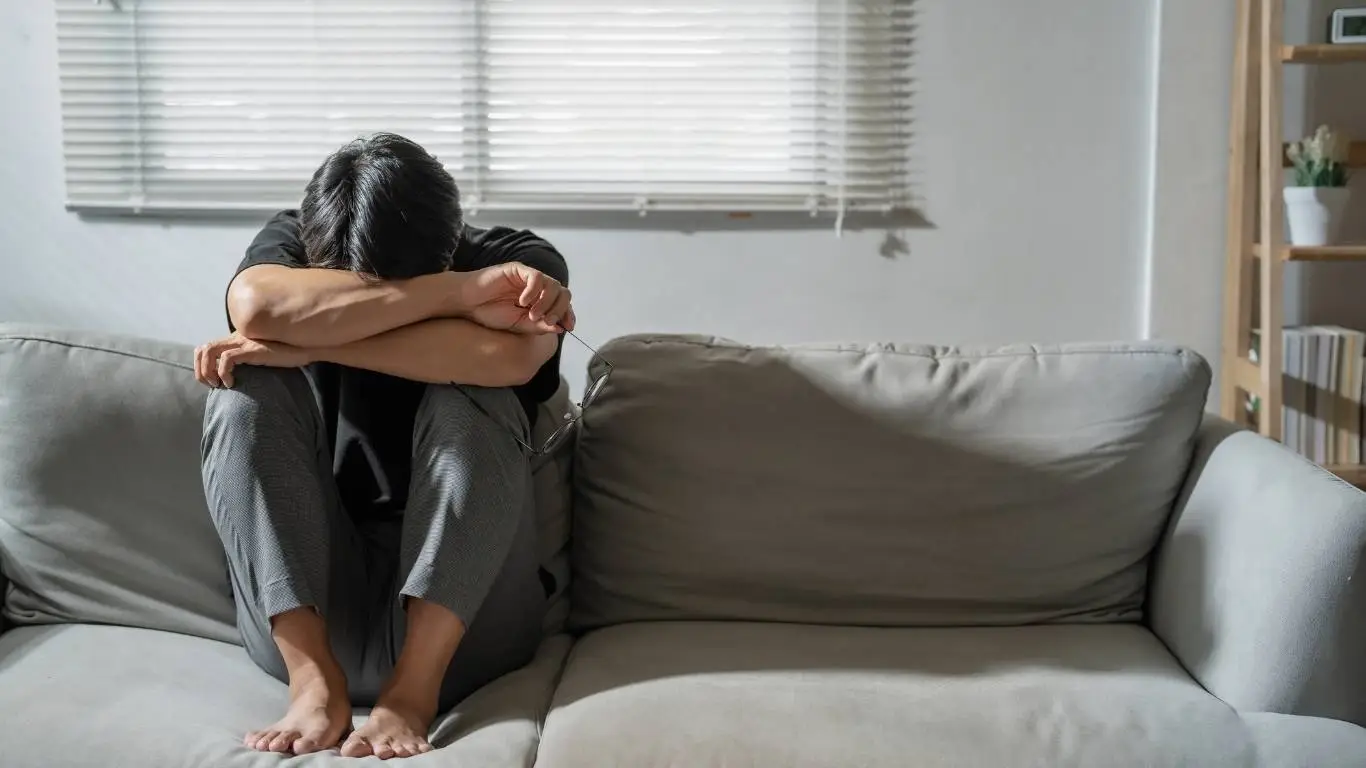
One reason anxiety hits harder at night is simple: your brain has time to think. During the day, distractions and responsibilities can keep intrusive thoughts at bay. But once the world quiets down, your mind is free to wander — often straight into worry territory. It doesn’t help that our bodies are designed to rest, and when that rest is disrupted, it triggers a stress response.
The Science Behind It
Your body follows a circadian rhythm, which regulates sleep. But if cortisol (your stress hormone) is elevated when it shouldn’t be, your system gets confused. That can mess with your melatonin production — the very thing that helps you sleep. The result? You’re wired when you should be winding down.
According to Sleep Foundation, even minor disruptions in sleep cycles can cause a spike in anxiety symptoms, especially for those already prone to stress. And let’s face it, most of us are carrying more emotional weight than we admit.
Common Nighttime Anxiety Triggers You Might Be Missing
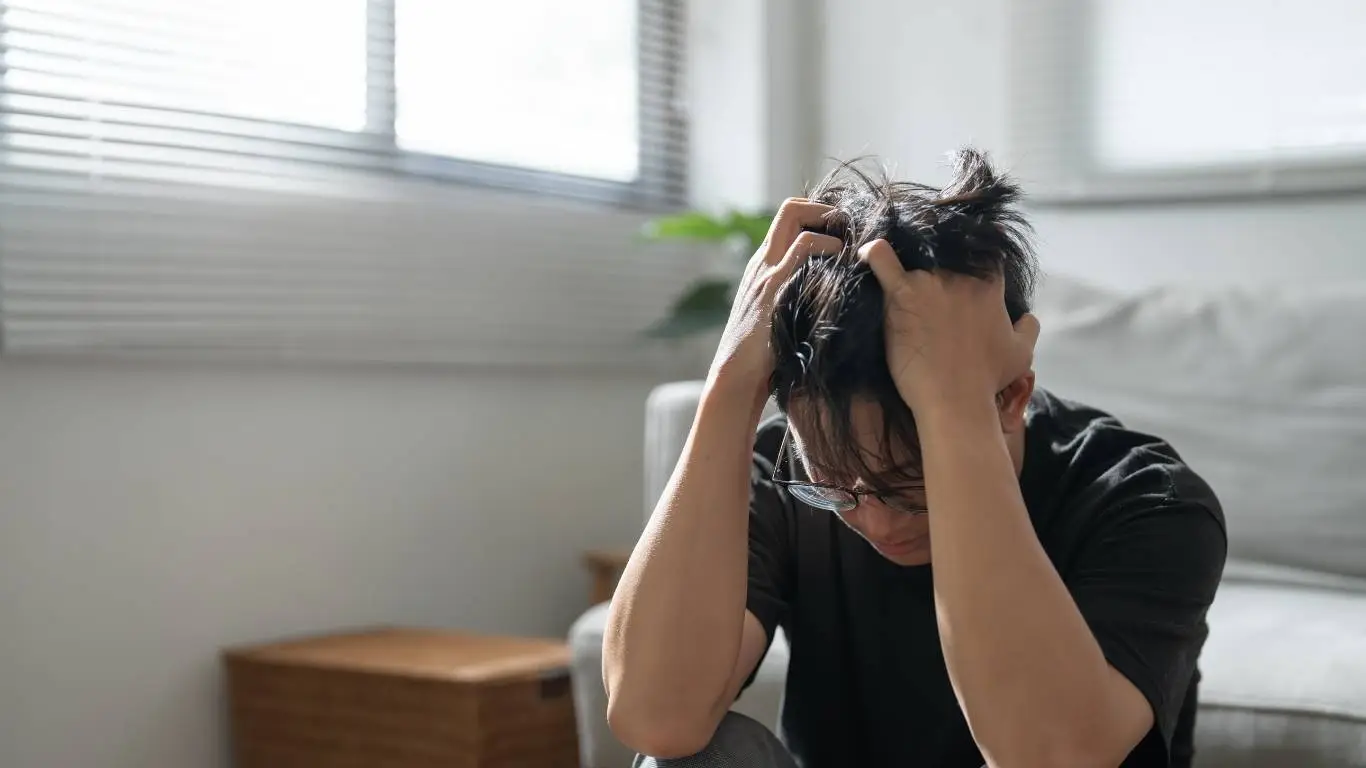
What’s interesting is how sneaky some nighttime anxiety triggers can be. Here are some unexpected things that used to mess with my peace at night:
- Blue light exposure from screens too close to bedtime (guilty of endless TikTok scrolling).
- Late-night caffeine, even if it’s just chocolate or green tea.
- Unresolved conflict — that fight with a friend that keeps replaying in your head.
- Over-scheduling your day — making the night the only time your brain can “process.”
Believe it or not, physical health issues can also stir things up. Things like stomach problems from anxiety or heart palpitations are often worse at night, feeding a cycle of physical sensation ➝ panic ➝ more anxiety.
One Night That Changed Everything for Me
I remember one night, I jolted awake convinced I was having a heart attack. My chest was tight, my arms numb. I rushed to the ER only to be told it was a panic attack. That’s when I realized I needed to understand why chest pain from anxiety feels so real and how to tell the difference. From that night on, I promised myself I’d learn what triggers these night terrors and actually do something about them.
The Link Between Daily Stress and Nighttime Anxiety
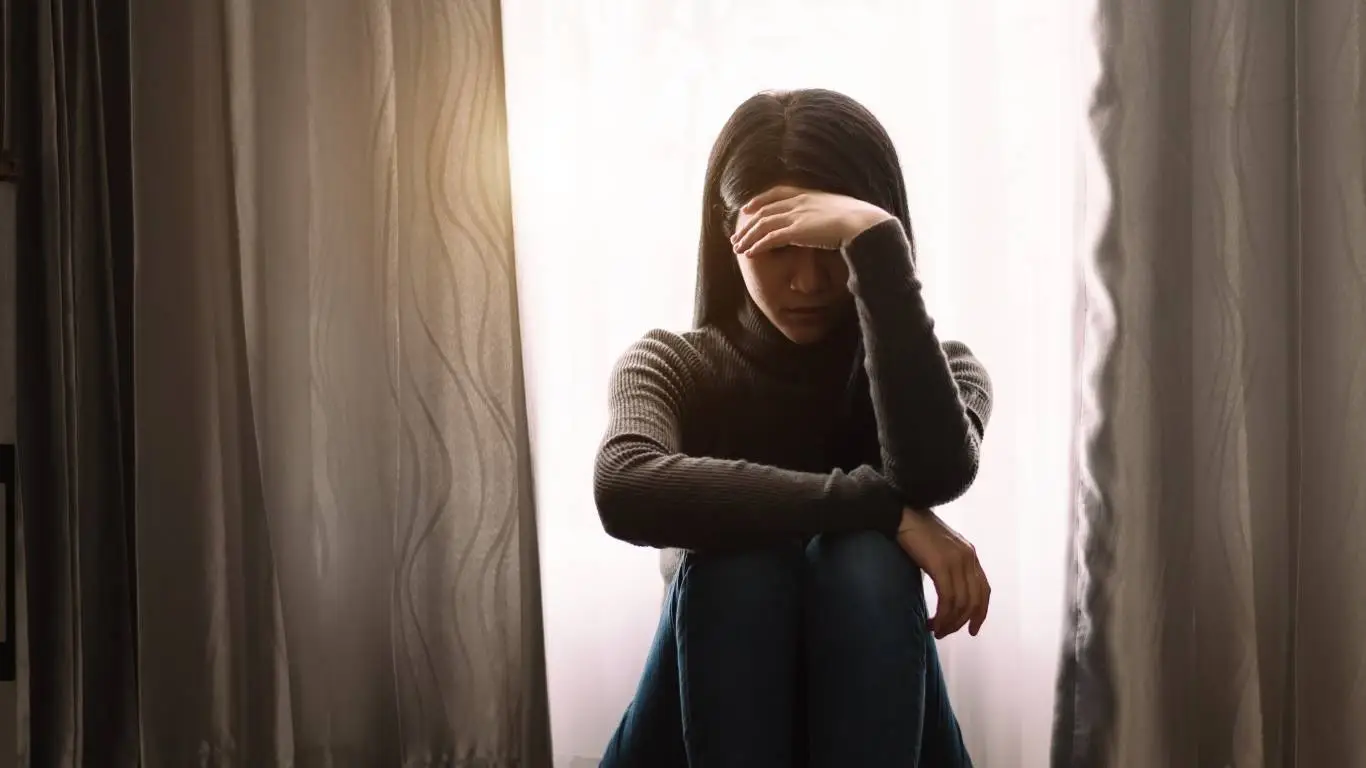
Even if you feel “fine” during the day, your body might still be holding onto tension. If you’re not decompressing regularly, it’ll hit you when you finally slow down. According to PubMed research, our brains process unresolved thoughts during REM cycles — so if you’re not even getting to REM because of anxiety, it’s a nasty feedback loop.
I found that journaling helped a bit, but what really clicked for me was structured journaling prompts for anxiety. Not the fluffy kind, but the kind that helped me dig into the “why” behind the spiral.
Other Nighttime Anxiety Amplifiers
- Hormonal changes: Especially if you’re in your 30s or beyond. I didn’t realize how much my cycle affected my cortisol until I tracked it.
- Blood sugar crashes: If you skip meals or eat sugar-heavy snacks before bed, you might wake up panicky.
- Subconscious fears: Like health anxiety, relationship stress, or even climate anxiety. These can live under the surface and surge when your guard’s down.
How Your Lifestyle Might Be Setting You Up for Night Anxiety

I’ll be the first to admit: my lifestyle wasn’t helping. Working late, eating at 10 PM, and doom-scrolling while telling myself I was “unwinding.” But what I didn’t know is that lifestyle and self-help strategies are often overlooked because we think they’re “too basic.”
The truth is, they’re basic because they work. Once I cut off screens an hour before bed, stopped caffeine after 2 PM, and added a 10-minute progressive muscle relaxation session, things shifted noticeably.
A Closer Look at What’s Really Fueling the Spiral
Let’s not ignore the elephant in the room: unprocessed trauma. If you’ve had a rough childhood or lived through difficult events, your nervous system may still be stuck in survival mode. As I learned from reading how childhood trauma leads to adult anxiety, your brain doesn’t just “get over it.” It needs guidance to heal.
That’s also why seeking professional help — whether that’s therapy or diagnosis — should never be seen as weakness. Check out our full diagnostic and assessment guide if you’re not sure where to start. It helped me feel like I wasn’t alone, and more importantly, that I wasn’t imagining things.
For a deeper breakdown of causes, treatments, and lifestyle tweaks that genuinely help, take a look at this in-depth pillar guide on hidden anxiety disorder causes and our main breakdown on how anxiety secretly shapes everyday life. These are worth bookmarking.
How to Break the Nighttime Anxiety Cycle

I wish someone had told me earlier that anxiety at night isn’t something you just “push through.” Once I stopped treating it like a late-night nuisance and started treating it like a message from my body, things began to shift. And no — you don’t need a full-blown life overhaul to change your nights.
What worked for me was a layered approach. One or two hacks? Meh. But a few stacked practices? Total game changer.
1. Build a Wind-Down Routine That Feels Like You
I know, I know — you’ve heard this before. But hear me out. Most people build a nighttime routine based on what they read, not what they actually enjoy. For me, it was:
- Putting my phone in another room (I use an analog alarm clock now — old school but amazing).
- Switching from Netflix binges to soft music or relaxation tracks for anxiety relief.
- Drinking herbal teas that actually calm your system without making you groggy.
- Reading fiction instead of scrolling the news or “doom-browsing” Reddit threads.
It doesn’t have to be perfect. But it should feel like a cue to your nervous system that the day is done — and that it’s safe to rest.
2. Use Your Breath (Seriously, It Works)
I used to roll my eyes when people told me to “just breathe.” Until I learned how to breathe for anxiety — like really breathe. Not short gasps or shallow inhales. I’m talking about diaphragmatic, slow exhaling, box-style breathing that tells your body you’re not in danger.
What helped most? Timing it. I started doing 4-7-8 breathing for just 2 minutes before bed. It physically changed how my chest felt — from tight and buzzing to warm and grounded.
Try These Natural Methods That Actually Help
There’s a reason so many anxiety guides include mindfulness. It’s not trendy fluff — it works when done right. Here’s what I found especially helpful:
- Mindfulness meditation using guided audio (5–10 mins, no pressure).
- Progressive muscle relaxation, especially when racing thoughts feel physical.
- Low-light yoga sessions with poses tailored for calm — I followed this bedtime yoga guide and it felt like an actual hug for my nervous system.
And for those nights where nothing works? Sometimes the win is just not spiraling. That’s when I keep a lavender oil roller and journal by my bed to do something tactile that grounds me.
Is It Time to Get Help?
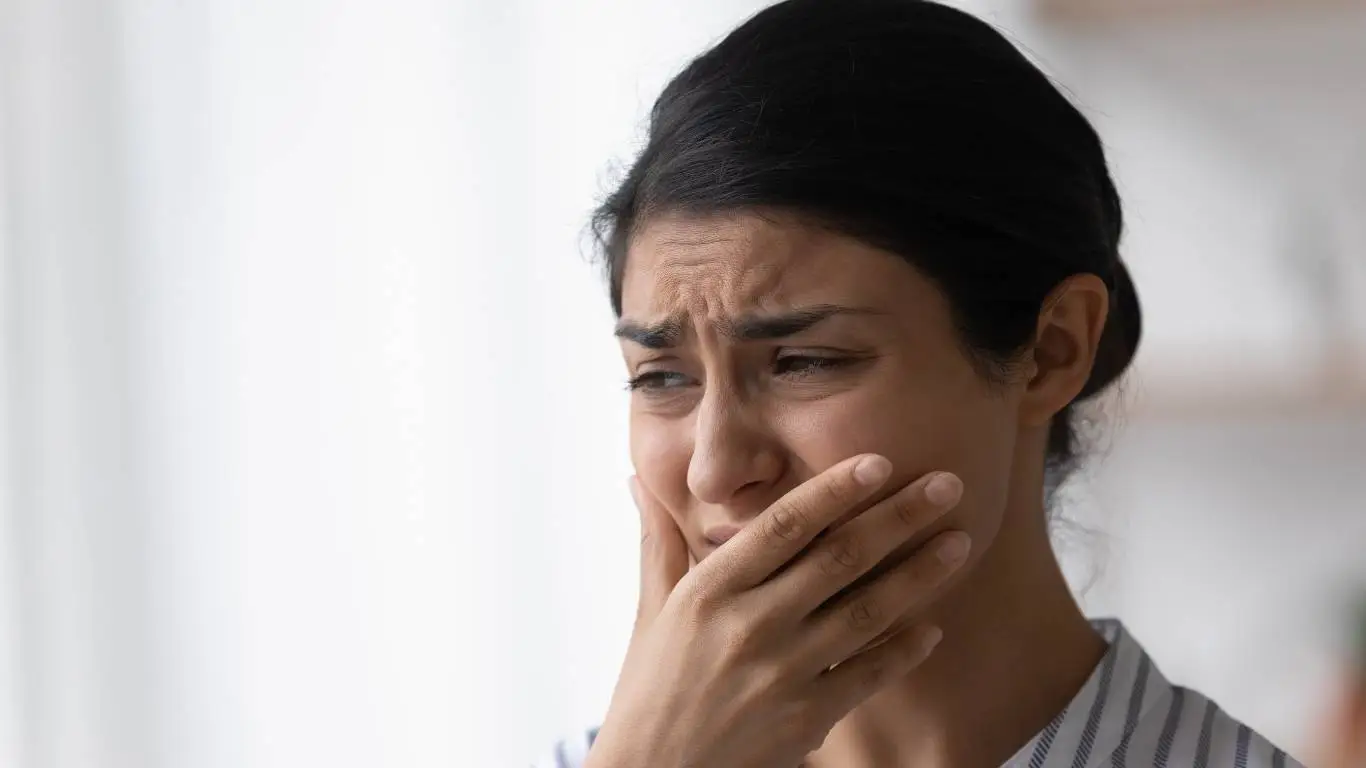
This part was hard for me to accept. I spent way too long thinking I could “hack” my way out of chronic anxiety with supplements and routines alone. But eventually, I realized I needed deeper support. Therapy wasn’t a last resort — it was a lifesaver.
If you’re finding that nights are consistently overwhelming and affecting your health or work, please consider reading this detailed overview on psychotherapy and counseling for anxiety. It’s not one-size-fits-all, and that’s a good thing.
CBT (Cognitive Behavioral Therapy) helped me recognize patterns and start rerouting them. And for some, therapies like EMDR or DBT might feel more aligned, especially if trauma is a core cause.
When Medication Makes Sense

I’ll admit, I was scared of meds. I worried they’d numb me or make me dependent. But for some of my friends — and many readers — they’ve been the bridge to a calmer life. SSRIs can help regulate those nighttime cortisol spikes that trigger panic.
Of course, meds aren’t magic. But paired with lifestyle shifts, they can restore baseline calm so you can do the deeper work. This balanced approach is explored more in the full breakdown of medical treatment options for anxiety.
Don’t Forget the Physical Side
We don’t talk enough about how the gut, blood sugar, and nutrition impact anxiety. I started getting better sleep when I added more magnesium-rich foods, cut down processed sugar, and focused on anti-anxiety nutrition choices.
There’s growing research showing how gut health and mental health are linked. It’s not about becoming a health nut — it’s about giving your brain the building blocks to feel safe enough to rest at night.
Start Small, Stay Consistent
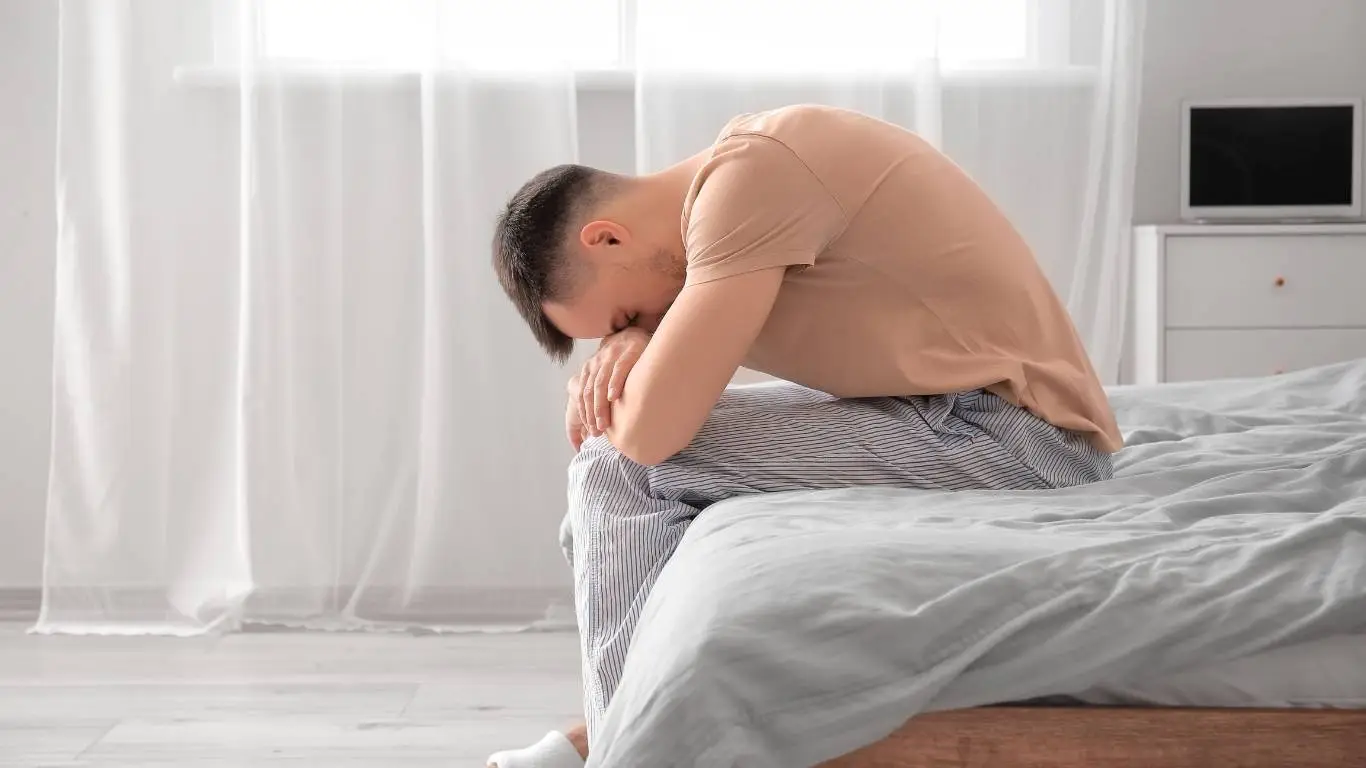
There’s no perfect fix for nighttime anxiety. But there are dozens of small, real things that can chip away at the overwhelm. The key is to not wait for your worst nights to take action. Build your toolkit now, so it’s there when you need it.
Whether it’s rewiring your nighttime routine, seeking therapy, or taking sleep hygiene seriously, there’s one truth I keep coming back to: anxiety might show up — but it doesn’t have to stay in control.
If you’ve made it this far and want to explore even deeper insights, check out this resource on how anxiety quietly affects daily life. You’ll be surprised how many of those patterns start — and end — at night.

Camellia Wulansari is a dedicated Medical Assistant at a local clinic and a passionate health writer at Healthusias.com. With years of hands-on experience in patient care and a deep interest in preventive medicine, she bridges the gap between clinical knowledge and accessible health information. Camellia specializes in writing about digestive health, chronic conditions like GERD and hypertension, respiratory issues, and autoimmune diseases, aiming to empower readers with practical, easy-to-understand insights. When she’s not assisting patients or writing, you’ll find her enjoying quiet mornings with coffee and a medical journal in hand—or jamming to her favorite metal band, Lamb of God.