
Why Back Pain From Spinal Anesthesia Can Linger For Months
I didn’t think much of it when I got spinal anesthesia for a routine procedure last year. Honestly, I was more anxious about the surgery itself than the injection in my back. But a few days later, that nagging ache in my lower spine caught my attention—and it didn’t go away. If you’re here, chances are you or someone you care about has experienced something similar. Back pain from spinal anesthesia is more common than most people realize, and when it happens, it can throw your whole body (and your daily life) off balance.
What Actually Happens During Spinal Anesthesia?

Spinal anesthesia, also called a spinal block, is a go-to technique for many surgeries involving the lower body—think C-sections, orthopedic surgeries, and even some urologic procedures. It involves injecting medication directly into the cerebrospinal fluid surrounding your spinal cord to temporarily block nerve signals below the waist.
It’s fast-acting, effective, and widely considered safe. But like anything that involves the spine, it comes with a few caveats.
The Needle and the Nerves
Despite being a clean and highly practiced procedure, sometimes the spinal needle may irritate the surrounding tissues or nerves. This can lead to localized inflammation, minor nerve trauma, or even muscle tension—all potential sources of lingering back pain.
Post-Dural Puncture Headache? That’s Not the Only Risk
While the infamous spinal headache often steals the spotlight, persistent lower back pain is another post-spinal complication that doesn’t get enough attention. You may feel soreness at the injection site, stiffness, or even a dull, radiating ache that mimics sciatica.
In rare cases, people develop something more serious like arachnoiditis or a hematoma—both of which need immediate medical attention. But for the vast majority, the pain is more annoying than dangerous.
Why You Might Still Be Feeling That Pain

Here’s the thing—back pain after spinal anesthesia doesn’t always come from the anesthesia itself. It could be:
- Prolonged immobility during or after surgery
- Muscle strain from positioning on the surgical table
- Pre-existing back issues that were aggravated
- Inflammatory response from tissue irritation
And sometimes, it’s just plain bad luck. One woman I met in a physical therapy group had pain that lingered for 8 months after a C-section under spinal. Turned out, her issue was muscle tightness and a minor disc bulge that had gone undiagnosed. Spinal anesthesia wasn’t the direct cause, but it exposed a pre-existing issue that had been flying under the radar.
When Back Pain Becomes a Chronic Issue

Most post-anesthesia back pain fades within a few days to a couple of weeks. But if you’re still wincing every time you stand up or bend over after a month or two, it’s time to take a closer look. Chronic back pain, even when it starts from a simple needle prick, shouldn’t be ignored.
Possible Long-Term Causes
- Nerve injury – rare, but possible if the needle contacts a nerve root
- Scar tissue formation – which can affect nearby muscles and joints
- Myofascial trigger points – knots in muscle caused by trauma or tension
- Psychological stress – which surprisingly worsens the perception of pain
Many people suffering long-term issues after spinal blocks actually benefit from trigger point therapy and myofascial release treatments. These are especially effective when the pain stems from soft tissue dysfunction rather than nerve injury.
How to Manage It Without Losing Your Mind
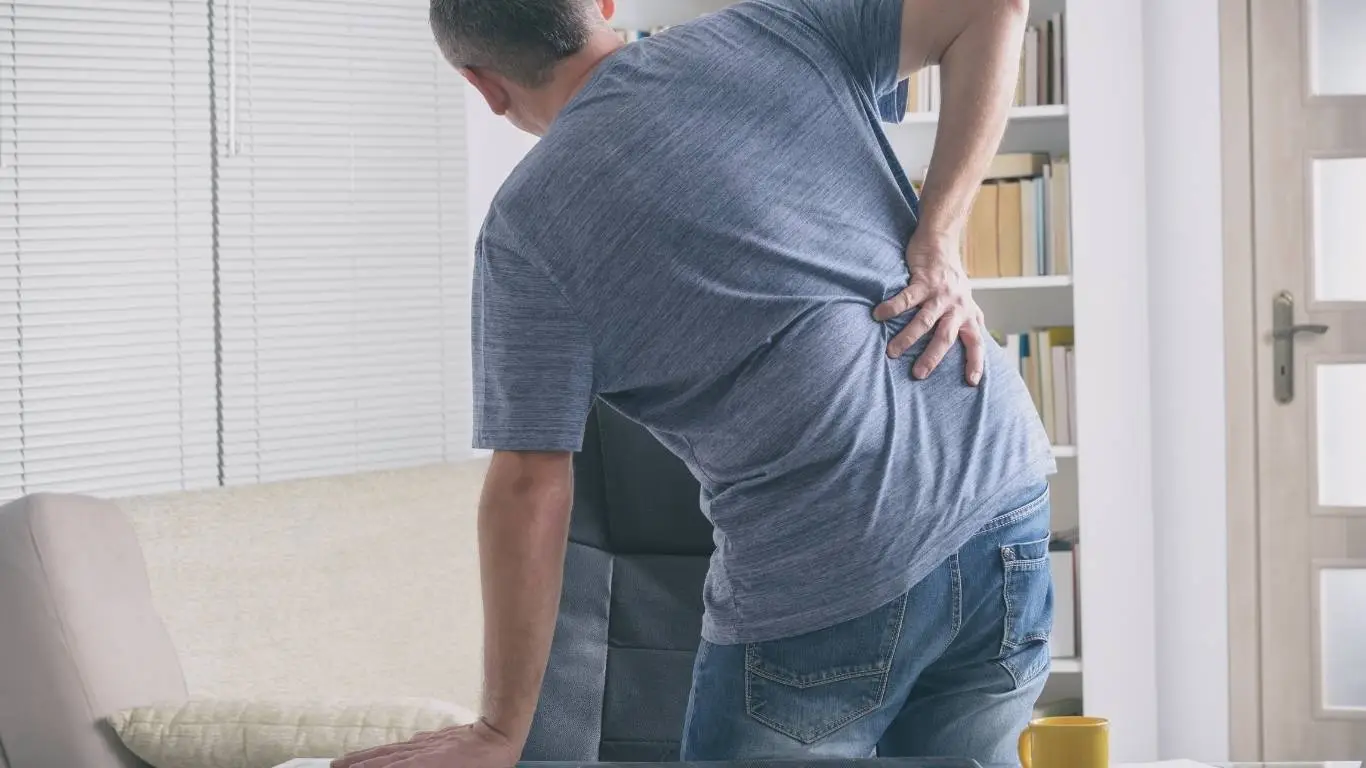
I remember laying on a heating pad for hours, alternating between that and ice, just to get through a work meeting without groaning. Everyone’s path is different, but these options helped me and many others manage spinal-related back pain without going overboard:
Simple At-Home Relief
- Heat and cold therapy – use heat to relax tight muscles, cold to reduce inflammation
- Stretching and mobility exercises – gentle yoga or walking to keep the spine moving
- Posture awareness – especially if you sit all day (you’ll want ergonomic seating)
Professional Help That’s Actually Worth It
- Osteopathic manipulation therapy
- Acupuncture for nerve and muscle relief
- CBT if pain is affecting your mental game
For many patients, adding targeted exercise and rehabilitation makes the biggest difference over time. You don’t have to be in pain forever—sometimes it’s just about giving your body the right tools to heal.
If you’re trying to understand the broader spectrum of back pain triggers and treatments, the main back pain overview is a fantastic place to dig in further. And for the science of causes, this comprehensive causes guide puts everything in perspective.
According to resources from ncbi.nlm.nih.gov and cdc.gov, while the complication rate for spinal anesthesia is low, awareness and early intervention can reduce the risk of persistent symptoms significantly.
When the Pain Doesn’t Line Up With the Timeline

Back pain from spinal anesthesia is supposed to be short-lived, right? That’s what I thought too. But when the weeks stretch into months and the pain starts interfering with your daily rhythm, it can leave you second-guessing everything. Am I imagining it? Is this normal? Am I just being overly sensitive?
Let me say this loud and clear: you’re not making it up. Delayed or persistent back pain can absolutely be connected to your spinal block—even if it didn’t start until a week or more later.
The Nervous System Isn’t Always Immediate
Sometimes, inflammation or nerve irritation can develop slowly. In rare instances, spinal anesthesia might unmask previously silent issues like lumbar radiculopathy or a dormant disc bulge. Inflammation can also flare up days later, especially if you’ve returned to physical activity too quickly.
Should You Be Worried?

It depends. Mild to moderate discomfort that slowly improves? Pretty common. But if you’re noticing any of the following red flags, it’s time to call a doctor:
- Back pain accompanied by numbness or tingling in the legs
- Loss of bladder or bowel control (emergency!)
- Pain that worsens at night or keeps you from sleeping
- Signs of serious spinal conditions
These symptoms could indicate a deeper neurological or structural issue, and prompt imaging—like an MRI—might be necessary. There’s a great breakdown of when to seek imaging right here.
What Treatments Actually Work?

Here’s where the cookie-cutter advice starts to fall apart. Everyone’s back pain journey is different, especially when it comes to spinal anesthesia recovery. What worked for me—daily mobility work, warm Epsom salt baths, and tons of posture awareness—might not be your golden ticket. But there are a few universally respected approaches:
1. Physical Therapy (the right kind)
A therapist who understands post-operative back strain can change everything. They can help rebuild core stability, improve spinal alignment, and reduce reliance on medications.
2. Targeted Injections
For stubborn inflammation or nerve involvement, epidural steroid injections or radiofrequency ablation may provide meaningful relief. These are minimally invasive and often covered by insurance if conservative treatment fails.
3. Mind-Body Approaches
You’d be amazed how much your brain influences your back pain. When the nervous system stays on “high alert” after surgery or trauma, even mild sensations get amplified. For some, introducing mindfulness meditation or pain-coping strategies can literally dial down the volume of pain perception.
How to Avoid Making It Worse

Sometimes we make things worse without realizing it. I used to hunch over my laptop on the couch with zero lumbar support. My pain wasn’t going to magically disappear like that. You need to treat your back with a little respect while it’s healing.
Stop These Common Mistakes:
- Jumping back into high-impact workouts too soon
- Slouching all day or sitting in unsupportive chairs
- Ignoring pain signals—pushing through isn’t always brave
- Relying only on pain meds without addressing the root cause
Do This Instead:
- Sleep in spine-friendly positions
- Use light back supports when upright for long periods
- Walk regularly—even short strolls help
- Hydrate, nourish your body, and eat for inflammation control
Back Pain Recovery Is a Process—Not a Timeline

If you’re still dealing with pain weeks or even months after spinal anesthesia, don’t beat yourself up. Some recover in days, others take longer—and that’s okay. The key is to stay curious, stay informed, and trust what your body is telling you.
Learning the nuances of your pain and finding what works for you is part of the journey. Maybe it’s gentle yoga, maybe it’s hands-on manual therapy. Maybe you need to get a second opinion and re-evaluate with a different lens.
If you need help navigating those next steps, check out the symptoms and diagnosis guide to match what you’re experiencing with possible underlying issues. And don’t skip the core overview at healthusias.com/back-pain—it ties everything together in one place.
For detailed insights into how your lifestyle and positioning might be impacting healing, I also recommend exploring lifestyle and natural relief options.
Resources from mayoclinic.org and hopkinsmedicine.org also provide updated clinical guidelines on post-anesthesia complications and conservative pain care pathways.

Camellia Wulansari is a dedicated Medical Assistant at a local clinic and a passionate health writer at Healthusias.com. With years of hands-on experience in patient care and a deep interest in preventive medicine, she bridges the gap between clinical knowledge and accessible health information. Camellia specializes in writing about digestive health, chronic conditions like GERD and hypertension, respiratory issues, and autoimmune diseases, aiming to empower readers with practical, easy-to-understand insights. When she’s not assisting patients or writing, you’ll find her enjoying quiet mornings with coffee and a medical journal in hand—or jamming to her favorite metal band, Lamb of God.