Why Floaters That Form After Fasting Periods Can Be Alarming
It started as a typical morning during my extended fasting period—just hydration and some quiet time. But when I looked up toward the window, there they were: tiny translucent squiggles floating across my vision like dust particles trapped in a snow globe. I blinked, rubbed my eyes, looked away, and back again. They were still there. Welcome to the world of floaters that form after fasting periods—an experience more common than most people think but rarely talked about.
Why Do Eye Floaters Appear After Fasting?
First off, it’s not just you. Many people who try intermittent fasting, prolonged religious fasts, or detox protocols report seeing these mysterious floaters. But why now? And why during fasting?
The short answer? Your body is adjusting. During fasting, several physiological changes take place—including dehydration, lowered blood sugar, and even vitamin depletion—all of which can affect the vitreous humor, the gel-like substance in your eye. That’s where floaters live.
Dehydration: The Silent Floater Trigger
Fasting often leads to a reduction in water intake, especially if your fast restricts both food and fluids. When the body becomes dehydrated, the vitreous gel in the eye can shrink or clump, creating microscopic collagen strands that cast shadows on the retina—what you perceive as floaters.
- Eyes feel dry or gritty
- Vision may seem cloudy or fluctuating
- Floaters more noticeable in bright light
Hydration, even just sipping water throughout the day, can significantly reduce floater intensity. I started keeping a bottle near me during fasts—game changer.
Low Blood Sugar and Its Visual Side Effects
When fasting, glucose levels naturally drop. For some, this can lead to dizziness, blurred vision, or a sudden appearance of floaters. The body pulls energy reserves from fat stores, which may indirectly affect how nutrients are distributed—including to your eyes.
One interesting correlation I found was between erratic blood sugar levels and increased floater visibility. During a particularly strict fast, I noticed more of them in the afternoon than in the morning, and sure enough—my glucose was at its lowest then.
Is It Nutritional Deficiency or Just Your Eyes Adjusting?
One thing fasting can do, especially prolonged or poorly planned fasts, is drain the body’s nutrient reserves. Vitamins A, C, E, and Zinc are vital for eye health, and a lack of them can exacerbate existing floaters or contribute to new ones forming. I had no idea how connected my diet was to my vision until I reviewed my food journal.
Also, Vitamin A deficiency has been linked with ocular surface disorders and increased floaters. It’s not about supplements; it’s about timing nutrient-rich meals to follow fasts wisely.
Fasting-Induced Inflammation
Some people experience inflammation as a result of oxidative stress during fasting. In my case, this manifested as temporary blurred vision and “cloudy dots” in the periphery. While inflammation can be short-lived, chronic inflammation may lead to long-term changes in the vitreous gel.
According to National Eye Institute, managing inflammation early is essential for protecting long-term vision health. This aligns well with advice shared in the pillar article on eye floater causes.
Do Floaters from Fasting Go Away?
Yes—and no. Some floaters fade with rehydration and nutrient replenishment. Others stick around. It largely depends on how long and severe your fasting period was and your general eye health.
- Reintroduce fluids and electrolytes slowly
- Eat foods rich in lutein and omega-3s post-fast
- Avoid quick sugar spikes that can shock your system
After my first 48-hour fast, I saw floaters for days. But after including more lutein-rich foods like spinach and eggs, their sharpness and frequency decreased noticeably.
Could It Be Something More Serious?
While floaters after fasting are usually benign, persistent or sudden floaters can be an early indicator of a more serious retinal issue. The article on retinal holes is a must-read if your floaters don’t subside after hydration and nourishment.
As American Academy of Ophthalmology recommends, always consult a specialist if you experience flashes of light, peripheral vision loss, or floaters with eye pain—regardless of your fasting habits.
So What Can You Do Differently Next Time?
Here’s what I’ve started doing during fasting periods to avoid floater flare-ups:
- Hydrate wisely: Add electrolytes, especially if doing dry fasting.
- Plan your post-fast meals: Focus on nutrient-dense, eye-supportive foods.
- Protect your eyes: Avoid bright screens or sunlight during fasting hours when your eyes are more vulnerable.
- Track floater changes: Use a journal or app to note when they appear or worsen.
To understand more about how floaters develop over time and whether treatment is even necessary, I highly recommend exploring the treatment options pillar as well as this comprehensive guide that explains the science and solutions behind all types of floaters.
What If Floaters Get Worse with Each Fast?
That’s the dilemma I found myself in—every fast, even shorter ones, seemed to trigger more floaters than the last. At first, I assumed it was coincidence, but as I tracked symptoms over a few months, the trend was too obvious to ignore.
It turns out, recurring floaters after fasting may point to cumulative stress on the eyes, particularly the vitreous humor. You’re not just dehydrating once or twice; you’re introducing a repetitive cycle of strain. Over time, these stressors can alter the vitreous structure, leading to more persistent or suddenly worsening floaters.
Eye Health Needs a Recovery Period Too
Just like muscles after a workout, your eyes need downtime. If you’re fasting frequently without proper recovery—meaning hydration, rest, and nutrients—the tissue in and around the eye doesn’t get the tools it needs to heal.
This is especially true if you combine fasting with long screen hours or heavy screen exposure. I’ve noticed the difference on days I fast and still clock 10 hours on a laptop—those floaters show up fast, and they stick around longer.
Are Certain Types of Fasts More Likely to Cause Floaters?
Based on my experience—and talking to others in wellness circles—certain fasting protocols tend to trigger floaters more than others. Here’s what seems to be the trend:
- Dry fasting: High floater risk due to zero hydration.
- OMAD (One Meal A Day): Moderate risk if hydration is poor or meals lack nutrients.
- Prolonged fasting (48+ hours): Higher chance of floater formation, especially after 24 hours.
- Intermittent fasting (16:8): Low risk if managed well with water and balanced meals.
OMAD, for instance, didn’t affect me much at first. But as I became more aggressive with meal timing and limited fluids earlier in the day, floaters crept in. Eventually, even short-term detox fasts gave me cloudy specks in my vision—until I tweaked my routine.
Tips to Fasting Without Making Your Floaters Worse
What finally helped me enjoy the benefits of fasting without the annoying aftermath?
- Hydrate proactively: Start drinking more water before your fast begins.
- Add trace minerals: Magnesium and potassium supplements made a difference in floater clarity.
- Support collagen health: I began incorporating foods and supplements that support eye collagen.
- Break fasts gently: No sugar bombs or processed foods. I stick to warm soups and leafy greens first.
Now, I rarely notice floaters even after longer fasts—unless I slip back into bad habits like skipping sleep or pushing too much screen time.
Fasting, Floaters, and Stress: The Unspoken Trio
Stress is a huge part of the floater story that no one really tells you about. Fasting can be great for the body, but it’s also a stressor—especially if done while managing work, workouts, and mental load. Combine that with existing anxiety or stress, and you’ve got a recipe for visual disturbances.
On days when I fasted while juggling deadlines, the floaters weren’t just there—they were dancing. That’s not an exaggeration. They moved more, felt more intrusive, and honestly distracted me from being productive. Once I started building in low-stress routines like walks, journaling, or even a midday nap, things improved.
Eye Exercises? Yes, They Work
Don’t roll your eyes—pun intended—but simple eye movement exercises can help reduce the impact of floaters. I tried a few from vision therapy forums, and some actually worked. This guide on eye exercises breaks it down well.
One that worked for me: tracking figure-eights slowly with your eyes without moving your head. It seemed to help my brain ignore the floaters more quickly. Could be placebo, but I’m not complaining.
Is There a Point Where You Should See a Doctor?
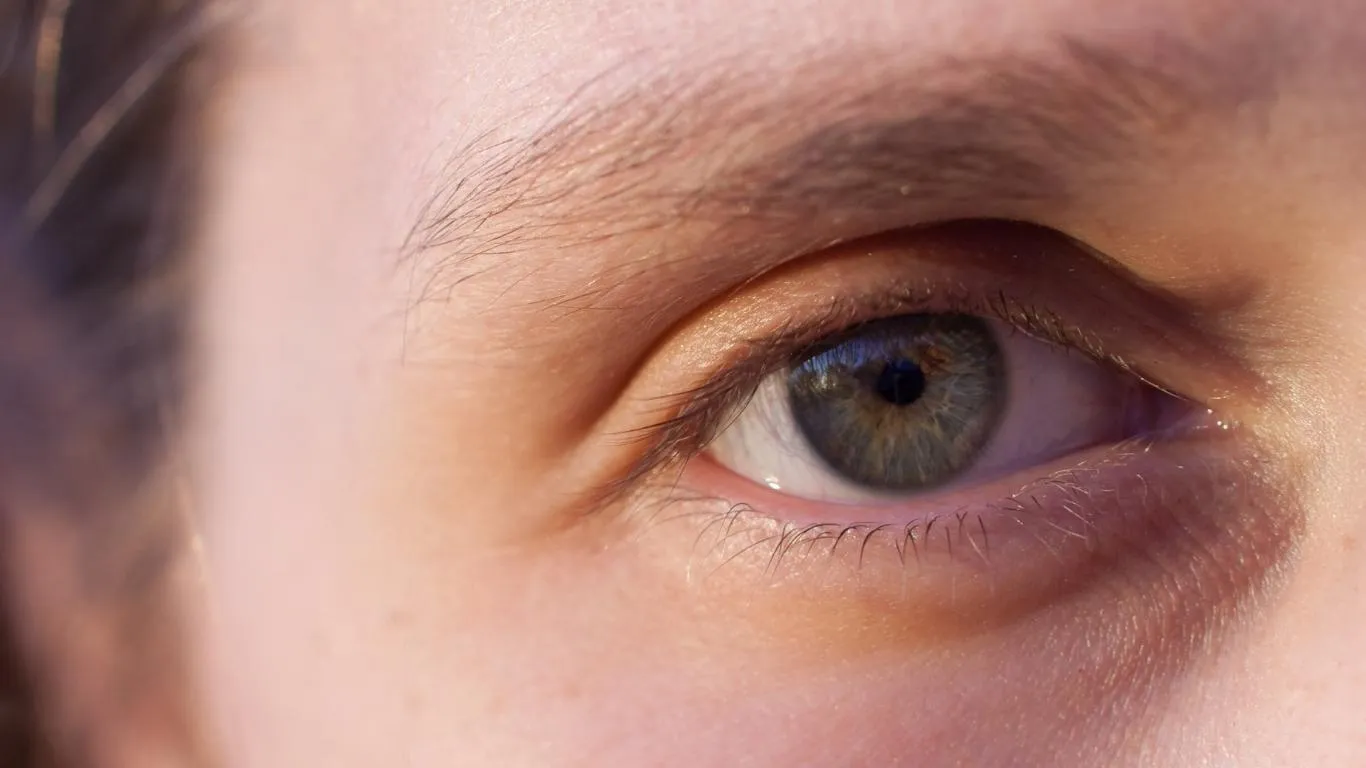
Yes—there’s a line between “normal fasting floaters” and “you really need an eye exam.” The moment you notice:
- Sudden increase in floater size or number
- Floaters with flashing lights
- Loss of side vision or a “curtain” effect
…book that appointment. Fasting should never push your body into medical emergencies. Floaters might be annoying, but if they’re signaling retinal damage, it’s serious. The signs of serious floaters article is a reliable breakdown of what to watch out for.
And for anyone still piecing together the bigger picture, I highly recommend diving into the main floater guide here.
Fasting doesn’t have to mean compromising your vision. With the right awareness, preparation, and a little trial and error, you can keep your floaters in check—if not out of sight completely.

Camellia Wulansari is a dedicated Medical Assistant at a local clinic and a passionate health writer at Healthusias.com. With years of hands-on experience in patient care and a deep interest in preventive medicine, she bridges the gap between clinical knowledge and accessible health information. Camellia specializes in writing about digestive health, chronic conditions like GERD and hypertension, respiratory issues, and autoimmune diseases, aiming to empower readers with practical, easy-to-understand insights. When she’s not assisting patients or writing, you’ll find her enjoying quiet mornings with coffee and a medical journal in hand—or jamming to her favorite metal band, Lamb of God.