Why Floaters Are More Noticeable in Harsh Hospital Lighting
If you’ve ever stared up at those unforgiving hospital ceiling lights and suddenly noticed a flurry of translucent strands or odd shapes drifting across your vision—yeah, I’ve been there too. It was during a routine visit, nothing serious, but the bright white overheads made something super obvious: these floaters had probably been there for a while, just hiding in the shadows. And once you see them in that light—literally—you can’t unsee them. It’s weirdly common, and if you’ve experienced it, you’re far from alone.
Why Are Floaters So Noticeable Under Hospital Lighting?
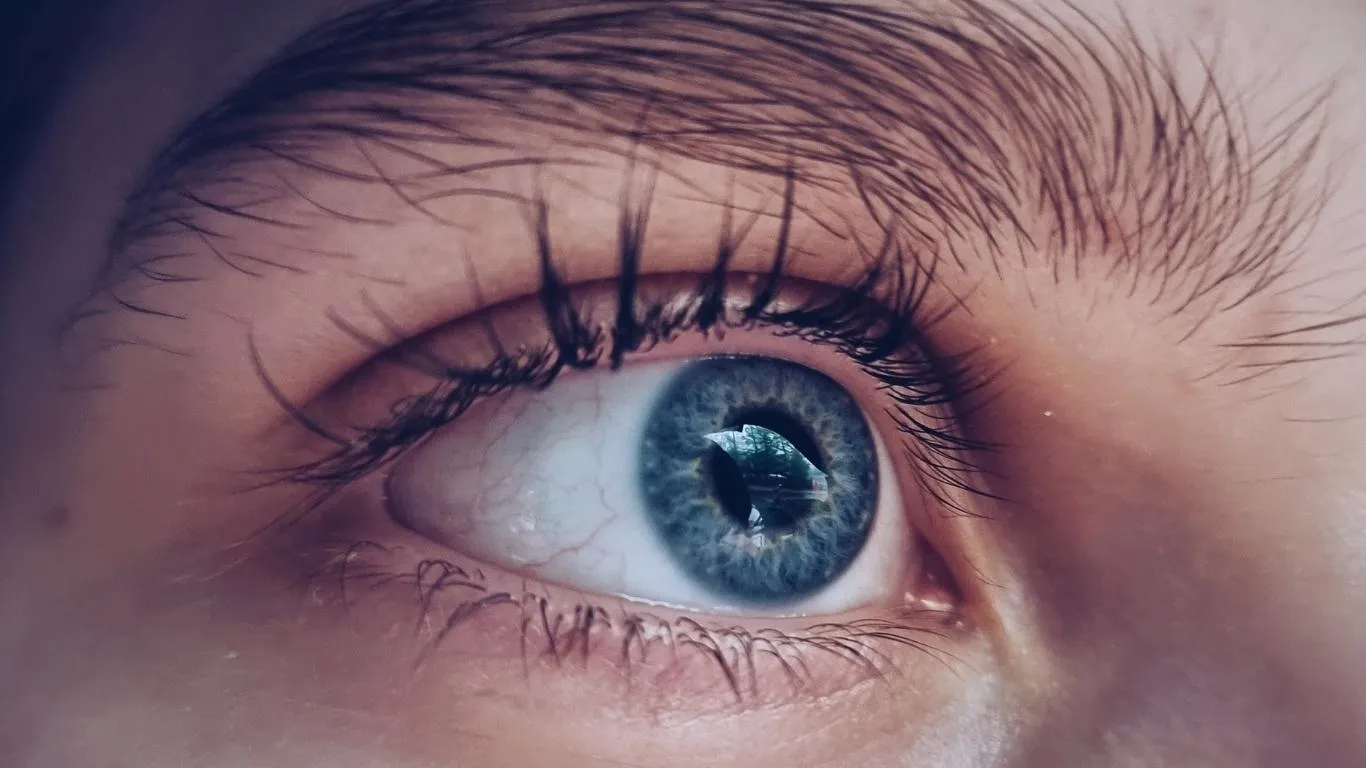
The culprit? The intense, sterile brightness of hospital lights. These lights are designed to flood the space with even illumination, often rich in cool blue or white tones that make shadows—and floaters—pop.
The Science Behind It
Eye floaters, if you’re unfamiliar, are actually small clumps or strands of collagen fibers that cast shadows on your retina. Normally, they float silently in the gel-like vitreous of your eye, out of sight. But in a brightly lit setting, especially with high-contrast environments like white hospital walls and ceilings, they become annoyingly obvious.
What’s happening here is simple physics. The more direct and intense the light source, the more visible these shadows become. Hospital lighting amplifies contrast, and when you’re lying down or looking upward—classic hospital patient posture—you’re giving those floaters the perfect backdrop to show off.
It’s Not Just You
Hospital settings, dental clinics, and examination rooms all use similar high-lumen lighting. You might be surprised to learn that floaters visible only in artificial lighting is a common experience reported by patients across all age groups. That eerie clarity when you shift your gaze under those cold fluorescents? Totally normal.
Are Hospital-Noticed Floaters a Sign of Something Serious?
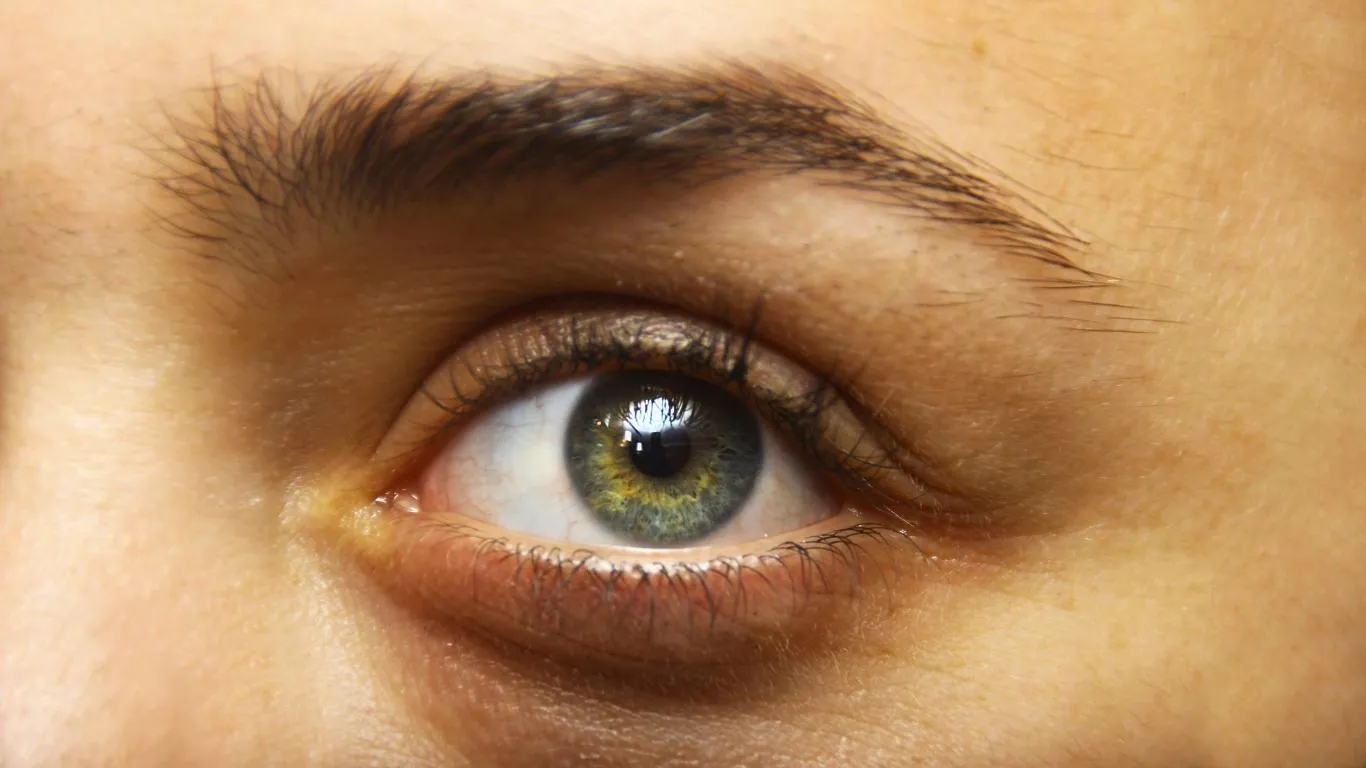
Not necessarily. If they’ve been around a while and haven’t changed, it could just be your eyes adjusting to new light conditions. But if they’re suddenly appearing, or worse—accompanied by flashes of light, loss of peripheral vision, or what looks like a curtain falling over your sight—that’s a different ballgame.
Floaters can sometimes be the first warning sign of something more urgent like retinal tears or posterior vitreous detachment (PVD). And yes, that can happen without trauma or aging—it might show up during a hospital stay simply because the lighting made it easier to spot.
Red Flags to Watch For
- Sudden burst of floaters
- Floaters accompanied by light flashes
- Dark or red-tinted floaters (possible vitreous hemorrhage)
- Vision loss or shadowing
If you’re experiencing any of these, see an eye specialist ASAP. Hospital lighting might just be doing you a favor by revealing a problem early. According to nei.nih.gov, early intervention in retinal issues dramatically improves outcomes.
What Makes Hospital Lighting So Brutal for Floaters?

Let’s get a bit geeky for a second. Hospital and clinic lights often use LEDs with a color temperature around 4000K–5000K. This simulates daylight but with even greater intensity. The brightness not only makes floaters more visible, but the consistency of the white surroundings (walls, bedsheets, ceilings) leaves nowhere for your floaters to hide.
Also, you’re usually lying down—looking straight up. That gives floaters full range to drift downward through your field of vision. If you’re already stressed or anxious, the brain’s focus tends to zoom in on any perceived visual disruption.
It’s Not Just the Light, It’s the Contrast
In my experience, it wasn’t the brightness alone—it was how white everything was. I noticed floaters the most after staring at a light panel in a recovery room for a few minutes. The contrast between the moving floaters and the static white background made them practically dance across my eyes. Turns out, white backgrounds amplify floater visibility.
When to Relax, and When to Get Checked
Here’s the deal—most floaters are harmless. Seriously. They’re a natural part of aging (even though I first noticed mine in my 30s) and often just annoying, not dangerous. But it’s that one time they are dangerous that you don’t want to miss.
So, if you only see them under bright lighting and they don’t increase or change shape, you’re probably in the clear. But for peace of mind—and vision safety—it never hurts to read up on when floaters are a warning sign.
What an Eye Specialist Might Look For
- Condition of the vitreous (gel inside your eye)
- Signs of retinal tears or detachment
- Previous trauma or underlying disease
- Clarity of the lens and any post-surgical side effects
They might recommend observation, or in rare cases, surgical options like vitrectomy if it interferes with your daily life. It all depends on the cause—and that’s where the lighting in a hospital might accidentally become your best diagnostic friend.
Relevant Reading for a Deeper Dive
Want to explore more about treatment options? Here’s a full guide on eye floater treatments from conservative to surgical.
For a broad overview of causes, symptoms, and what to expect as floaters evolve, visit the main floater article here.
So, Why Do They Linger Even After You Leave the Hospital?
Here’s what threw me off: even hours after I left the hospital, those floaters were still dancing around. Not as obvious, sure—but they were there, and now that I’d noticed them, they were stubborn. Turns out, once your brain learns to detect them, it doesn’t easily unlearn it. You start noticing them in other bright settings—your car windshield, white computer screens, even during a bright afternoon walk.
But let’s not panic. This is just your awareness shifting. Your floaters didn’t multiply overnight—they just got exposed under conditions that made them impossible to ignore. Welcome to the club. A lot of us have been dealing with this silently.
Why Some People Notice Floaters More Than Others
Not everyone walks out of a hospital hyper-aware of their vitreous floaters. Some people don’t notice them until their 50s, others see them in their 20s. What gives? A few things:
- High myopia (nearsightedness): You’re at higher risk of early-onset floaters.
- Light sensitivity: Brighter environments = more floaters detected.
- Retinal structure: Some eyes naturally show floaters more prominently.
- Recent illness, inflammation, or eye strain (like from screen time or hospital stress) can trigger noticeable floaters.
In fact, there’s increasing discussion on how screen time might exacerbate floaters. It’s something we’re just starting to fully appreciate, especially as more of us work under harsh overhead lights all day.
Can You Do Anything About Hospital-Revealed Floaters?
Here’s where we get real. Most of the time, eye floaters are like that annoying background noise you eventually learn to tune out. But for some of us—especially if the floaters are large, centrally located, or triggered by hospital lighting—we want some kind of relief.
1. Train Your Brain to Ignore Them
This one surprised me. A neuro-ophthalmologist once told me, “You don’t get rid of floaters. You get better at not caring about them.” That’s easier said than done, but over time, your brain will adapt. Many people find that after a few weeks of not hyper-focusing on them, floaters fade into the background again—especially outside hospital-type lighting.
2. Adjust Your Environment
If harsh lighting is your trigger, softening your surroundings can go a long way. Use warmer light bulbs at home, reduce screen glare, and avoid all-white digital backgrounds when possible. People with floaters often find relief by switching to dark mode or using apps like f.lux.
This is also why floaters feel more noticeable in bright rooms than dimly lit environments. Your pupils constrict under strong light, increasing depth of field and sharpness—making those floaters clearer.
3. Stay Hydrated, Sleep Well, and Chill
It might sound cliché, but your eye health is directly tied to your systemic health. Dehydration, lack of sleep, and stress are three major floaters-aggravators. Seriously—dehydration alone can worsen floaters. A few tweaks in your daily habits can lower the frequency or severity of the annoyance.
4. Talk to a Specialist (If It’s Affecting Daily Life)
If floaters are constantly disrupting your focus or driving you to Google at 2am, it might be time to see an ophthalmologist. In rare cases, treatments like laser vitreolysis or vitrectomy may be offered, though they’re not risk-free. You can explore more in this breakdown on eye floater treatment options.
The Mental Side of Floaters
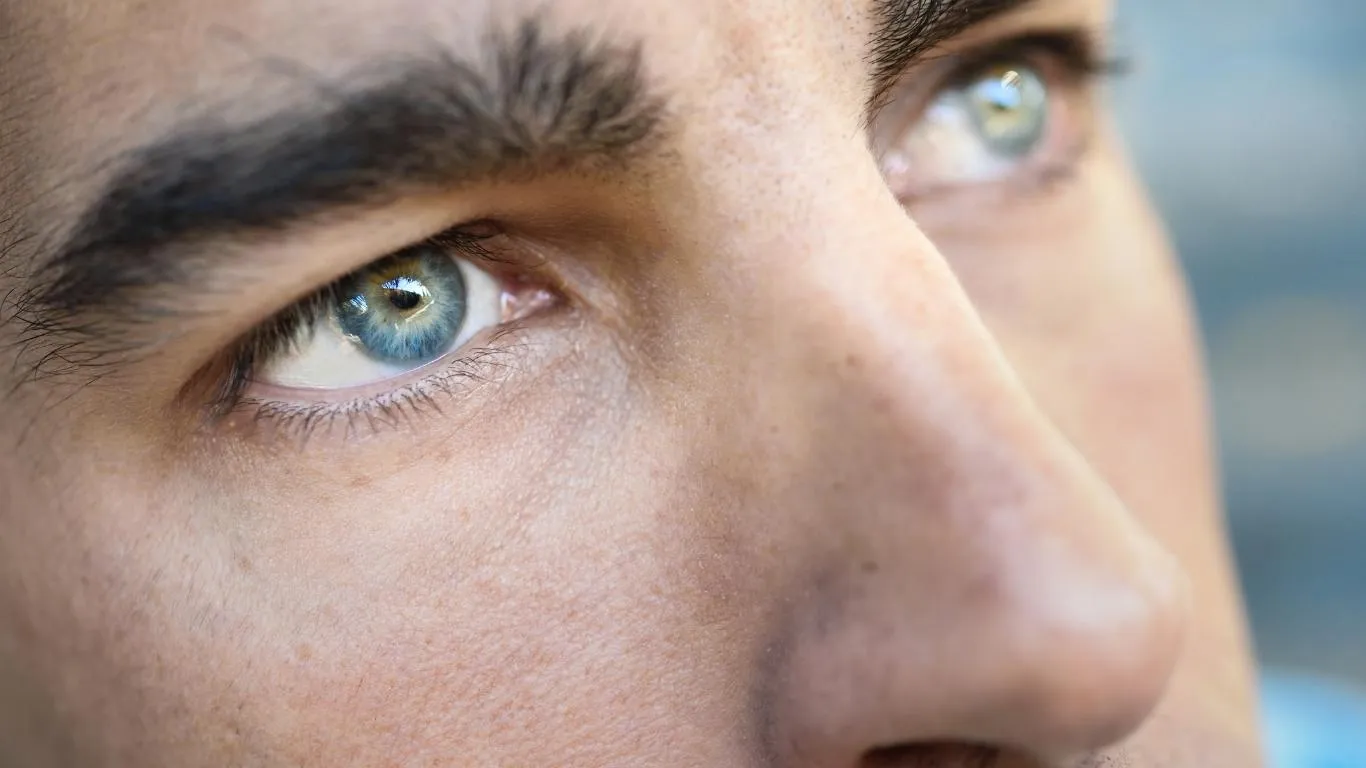
Let’s not ignore the psychological toll. Some folks shrug them off; others spiral. I’ve had days where floaters made me feel like I was losing it—especially in sterile environments like hospitals, where every visual detail feels exaggerated. It’s not just a physical condition—it messes with your concentration, your confidence, and sometimes your sleep.
You’re not alone. Many of us are navigating this quietly, unsure whether to speak up or just live with it. Floaters can feel isolating, but they don’t have to be.
Floaters and Anxiety—A Hidden Link?
Ever notice your floaters seem worse when you’re stressed or exhausted? There’s a reason for that. Anxiety episodes can increase floaters’ perception. Your nervous system is hyper-alert, your pupils may dilate, and your brain’s threshold for sensory input plummets. The result? Every little speck floating across your vision feels massive.
So next time you’re in a medical setting and floaters rear their head, remind yourself—it’s likely a mix of lighting, stress, and focus. Not sudden vision loss.
Stay Informed, Stay Calm
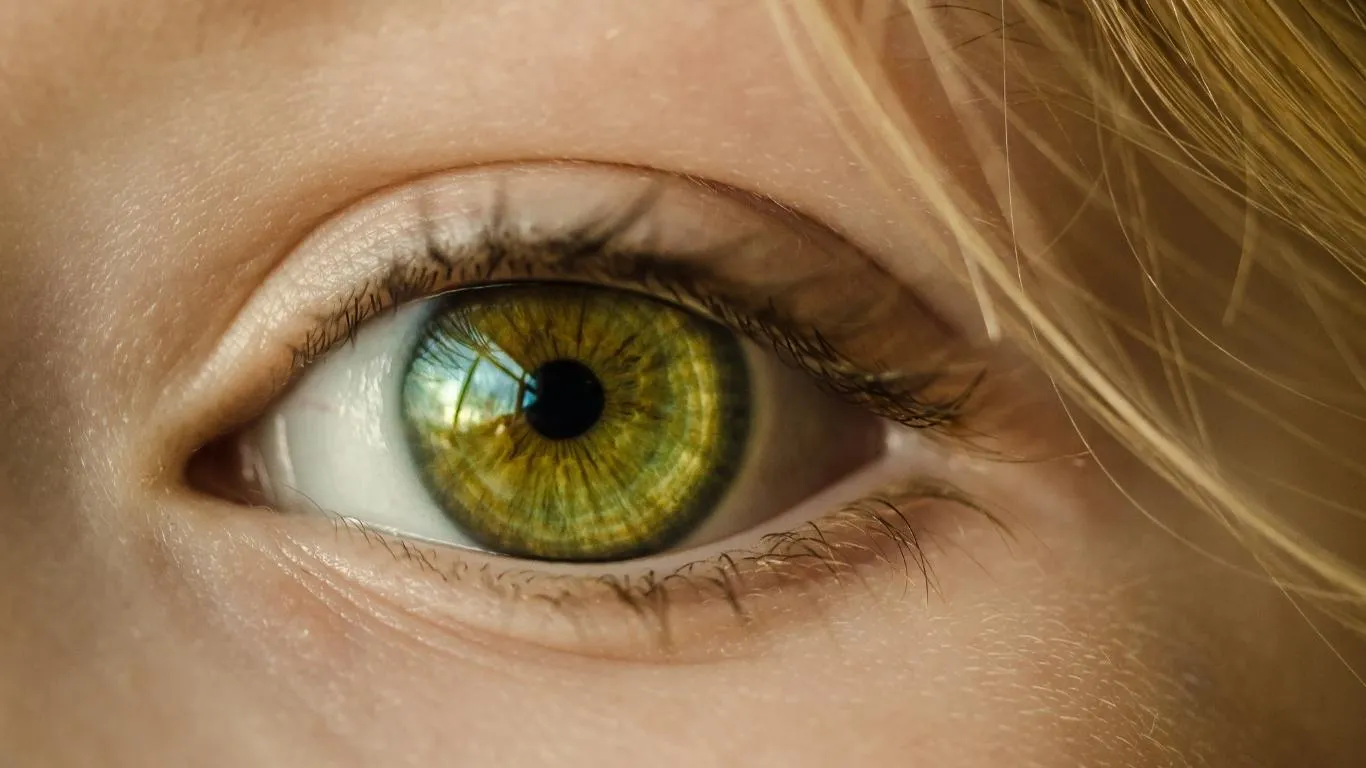
The key is to stay informed. Not every floater requires a panic response, but not every floater should be ignored either. Use that awareness—whether it sparked in a hospital room or a fluorescent office cubicle—to get curious about your vision health. Not fearful. Just curious.
For a deep dive into what makes floaters dangerous (or not), the article on when to worry about eye floaters is a solid next read. Or if you want to understand all the floaters stuff from the ground up, the main resource is this foundational guide on floaters.

Camellia Wulansari is a dedicated Medical Assistant at a local clinic and a passionate health writer at Healthusias.com. With years of hands-on experience in patient care and a deep interest in preventive medicine, she bridges the gap between clinical knowledge and accessible health information. Camellia specializes in writing about digestive health, chronic conditions like GERD and hypertension, respiratory issues, and autoimmune diseases, aiming to empower readers with practical, easy-to-understand insights. When she’s not assisting patients or writing, you’ll find her enjoying quiet mornings with coffee and a medical journal in hand—or jamming to her favorite metal band, Lamb of God.