Why Floaters in Hot Yoga Sessions May Worsen Your Vision
Last week after my regular hot yoga class, I sat down with a cold towel over my face and noticed them again — those squiggly little floaters drifting across my vision like lazy jellyfish in a sunlit bay. At first, I thought I was just tired. But it kept happening, especially after hot yoga. I started wondering if there might be a connection. Turns out, I’m not the only one who noticed floaters getting worse in hot yoga sessions. The relationship between intense heat, bodily strain, and eye health might be deeper than you’d think.
Why Floaters Might Appear More After Hot Yoga
Hot yoga pushes your body to extremes. You’re sweating buckets in a 105°F room, your pulse races, your muscles stretch, and yes — your eyes are involved too. That combination of heat, dehydration, and strain? It may just be the perfect cocktail for stirring up those mysterious floaters in your vision.
Dehydration: More Than Just Thirst
Most people underestimate how much water they lose during a 90-minute hot yoga session. And if you’re like me, you might forget to rehydrate properly afterward. Dehydration affects the eyes by reducing fluid in the vitreous humor — the gel-like substance inside your eye — making floaters more visible and noticeable.
According to this article on dehydration and floaters, fluid imbalance can accelerate the breakdown or shrinking of the vitreous, causing floaters to shift or clump together. That might explain why floaters dance more vividly after class.
Increased Body Heat and Eye Pressure
One of the lesser-discussed aspects of hot yoga is the internal pressure build-up. The combination of heat and intense poses (especially those with inversions) can increase intraocular pressure temporarily. This doesn’t mean you’ll develop glaucoma, but for those of us with aging or vulnerable vitreous tissue, it could trigger floaters or make existing ones more apparent.
If you’re curious about how temperature extremes affect your vision, this resource offers some fascinating insights into how environmental shifts — not just elevation — can stress the eyes.
Who’s Most at Risk During Hot Yoga?
People Over 40
As we age, the vitreous humor naturally begins to break down. If you’re in your 40s or beyond and diving into hot yoga, you might already be at risk for floaters. The heated environment can simply make those floaters more apparent due to enhanced circulation and visual contrast in the brightly lit studio.
People with a History of Eye Strain
If you work on screens all day, you probably already deal with dry eyes or fatigue. Add 90 minutes of eye-muscle movement during poses (try holding downward dog and not shifting your gaze!), and your eyes might start to rebel with more pronounced floaters. Check out this article that breaks down the screen-floaters connection.
Yogis with High Myopia
Those of us with severe nearsightedness have a higher likelihood of developing floaters. The stretching of the eyeball in myopia makes the vitreous more fragile. Add heated environments and strenuous stretching, and you’ve got a risk combo. More about this in the main pillar on common causes of floaters.
What Happens Inside Your Eye During Hot Yoga?
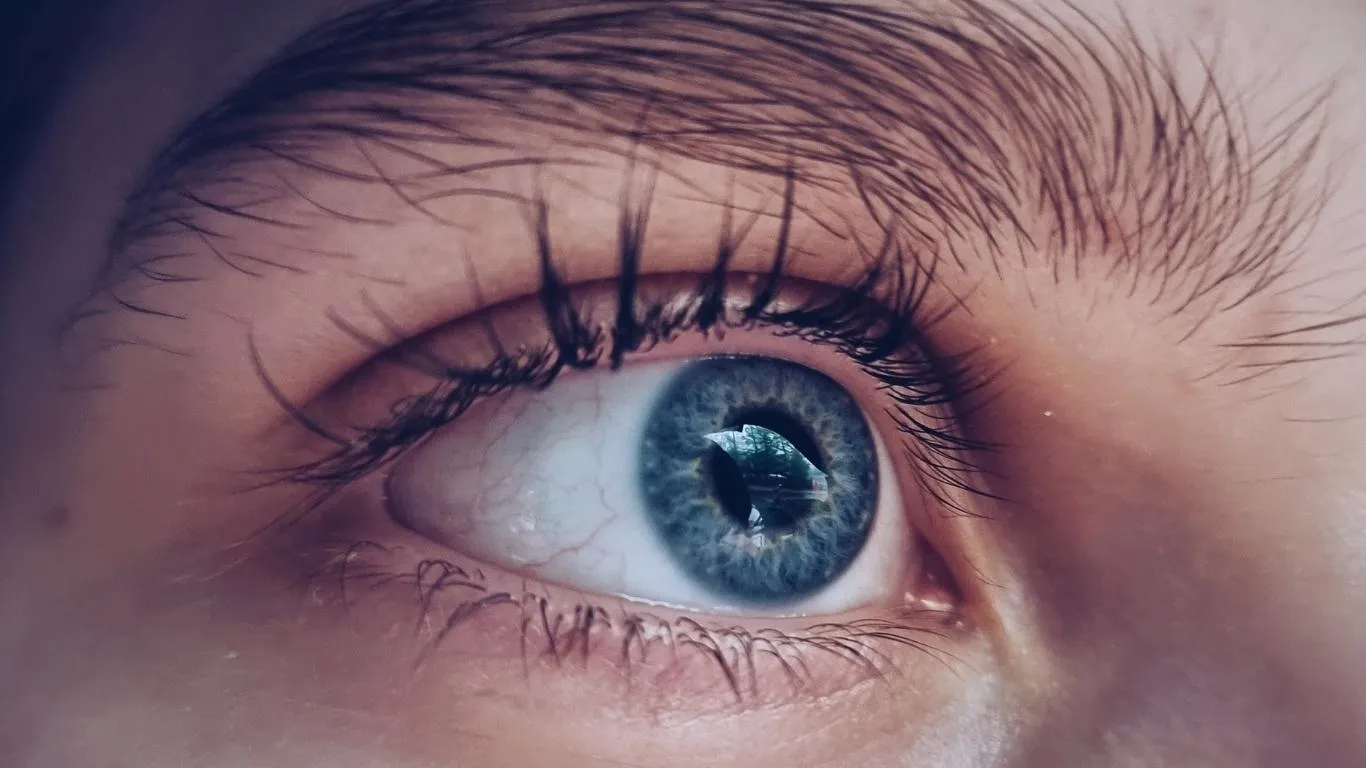
Let’s break it down. The eye contains vitreous humor — think of it like clear jelly — which is stable when hydrated and healthy. In hot yoga, high temperatures cause your body to overheat and dehydrate. Internally, this may lead to:
- Vitreous shrinkage – less hydration means the gel may collapse or pull slightly away from the retina
- Clumping of collagen fibers – floaters are essentially bits of protein floating in that gel, and they clump more as hydration drops
- Micro eye strain – just like muscles, your eye tissues stretch and contract during yoga poses and breathwork
The result? Floaters become more obvious — or sometimes even newly formed — and they’re often more visible against bright studio walls or post-yoga sunlight.
Could It Be Something More Serious?
If your floaters suddenly spike after yoga, or come with flashes of light, loss of side vision, or eye pain, don’t shrug it off. These could be signs of retinal detachment or tears. The pressure shifts and movements in hot yoga, while rare, have been associated with triggering issues in eyes already vulnerable to problems.
Read this breakdown of when floaters are more than annoying distractions. It’s worth bookmarking if you’ve ever had eye trauma or surgery.
What You Can Do Before and After Class
- Hydrate in advance – don’t just sip water during class. Start a few hours before.
- Take eye breaks post-class – avoid looking at your phone immediately. Let your eyes settle.
- Use artificial tears if needed – especially if you experience dryness after class.
- Cool compress for the eyes – nothing fancy, just a wet cloth can do wonders.
- Consider protective eyewear – not sunglasses, but moisture-retaining glasses can help in dry studios.
Also, take a look at available treatments for eye floaters if your symptoms persist — from laser therapy to surgical options, but also simple observation if floaters aren’t impairing vision.
To go deeper into understanding what floaters are and how to respond to them, start with this foundational guide that explains everything from the basics to advanced treatment approaches.
Is It Safe to Continue Hot Yoga with Floaters?
If you’re like me, giving up hot yoga isn’t on the table. It’s not just about exercise — it’s a stress release, a reset, and honestly, a much-needed sweat fest. But the moment floaters started becoming more frequent after class, I had to ask myself: Is it still safe?
Here’s the real talk — floaters on their own aren’t typically dangerous. But recurring or suddenly more noticeable floaters can be a red flag. Especially if you’ve experienced any head trauma recently, have high myopia, or are over 50. Check out this article on eye floaters after head injuries, which explains why even slight physical stress may matter more than we think in heated workouts.
Know Your Limits, Watch Your Eyes
I now keep a mental checklist post-yoga:
- Did my floaters increase in number or intensity?
- Do I feel any light sensitivity or flashing lights?
- Am I seeing any shadows or a “curtain” in my field of view?
If the answer is yes to any of those, that’s not just yoga aftermath — it might be a retinal issue. Don’t self-diagnose. Visit an eye specialist. There’s an excellent breakdown of when floaters mean something more.
Adjusting Your Practice to Protect Your Vision
I’m not giving up my practice — but I’ve made a few changes. These tweaks have helped me manage my floaters without sacrificing my favorite form of movement:
- Ease into the heat – I arrive early and give my body a few minutes to acclimate to the temperature.
- Modify deep inversion poses – Instead of full shoulder stands, I opt for legs-up-the-wall or gentler stretches.
- Stay ultra-hydrated – I now treat hydration like a pre-game ritual. More water before class = fewer floaters after.
- Give my eyes screen-free time post-practice – That post-yoga Instagram scroll? Not worth the eye strain.
- Use protective balm on eyelids – Sounds odd, but it helps with dryness in those heated rooms.
Listen to Your Body (and Your Eyes)
Your body’s great at whispering — until it has to shout. That eye discomfort after hot yoga? It’s probably your body giving you a little heads-up. Ignoring those signs because you’re “used to it” might do more harm than good. That’s a hard-learned lesson for me.
For yogis with existing eye concerns or those unsure if floaters are just benign specks, this guide on how to differentiate floaters from other eye issues is a must-read.
Nutrition and Floaters: What You Eat Matters

I used to think floaters were just mechanical — stuff floating around in my eyes. But the truth is, your overall eye health is deeply tied to what you eat and how your body processes nutrients. Since tweaking my diet (yes, begrudgingly cutting down caffeine), I’ve noticed a real difference.
Key Nutrients That Help
Floaters may not disappear entirely, but you can make your internal environment less prone to worsening them.
- Lutein & Zeaxanthin – Found in spinach, kale, and eggs; these antioxidants help protect the retina.
- Omega-3 fatty acids – Excellent for the vitreous humor; think salmon, chia seeds, and walnuts.
- Vitamin C & E – For reducing oxidative stress in eye tissue.
- Magnesium – I personally started taking a magnesium supplement after reading this research on its link to floaters. It’s made a subtle but real difference in my vision clarity post-yoga.
To dive deeper, this guide outlines dietary shifts that can support healthier eyes — even if you’re a hot yoga junkie like me.
Don’t Forget: Eye Health Is a Long Game
Managing floaters in hot yoga sessions isn’t about fear — it’s about awareness. If your floaters are new, rapidly worsening, or accompanied by other vision symptoms, see a professional. If they’re just mildly annoying? Hydrate better, tweak your poses, and protect those peepers.
For me, the shift happened when I stopped brushing off the signs. I realized that yoga is about listening — to your body, your mind, and yes, your eyes. Floaters might just be another message waiting for you to tune in.
Learn more about what causes floaters and how to manage them long-term in this essential read on eye floaters causes, symptoms, and treatment options.

Camellia Wulansari is a dedicated Medical Assistant at a local clinic and a passionate health writer at Healthusias.com. With years of hands-on experience in patient care and a deep interest in preventive medicine, she bridges the gap between clinical knowledge and accessible health information. Camellia specializes in writing about digestive health, chronic conditions like GERD and hypertension, respiratory issues, and autoimmune diseases, aiming to empower readers with practical, easy-to-understand insights. When she’s not assisting patients or writing, you’ll find her enjoying quiet mornings with coffee and a medical journal in hand—or jamming to her favorite metal band, Lamb of God.