How to Use Art Therapy for Anxiety That Actually Eases Your Mind
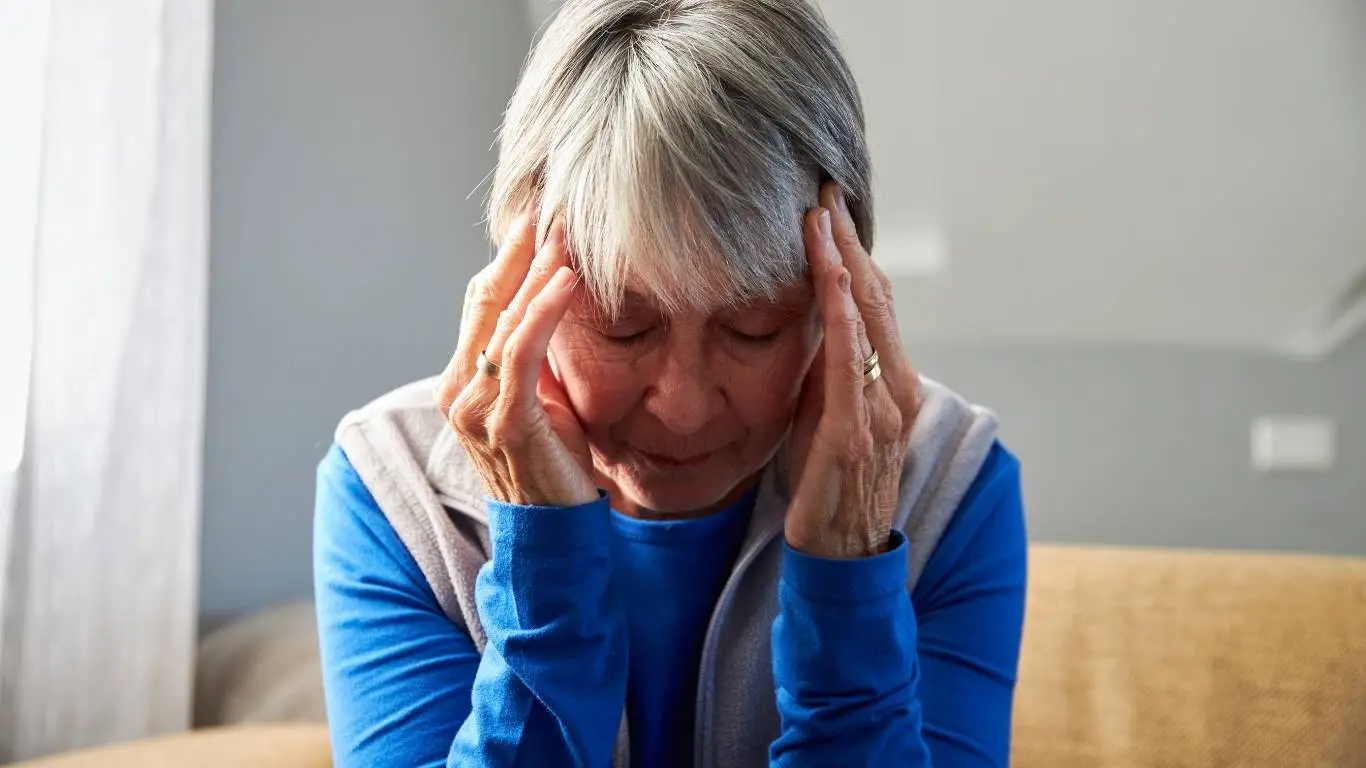
Some days, anxiety wraps around your chest like a vice grip, and your thoughts race faster than your breath can catch up. That’s where I first stumbled into art therapy—not as a planned treatment, but as a desperate way to get the chaos out of my head and onto paper. I had no clue how a few pencils and an old sketchpad would become one of the most grounding tools I’d ever rely on. But it did. And I’ve seen firsthand how it helps not just me, but many others struggling to stay mentally afloat. If you’re wondering how to use art therapy for anxiety, you’re absolutely not alone—and you don’t need to be an artist to benefit.
What Exactly Is Art Therapy—and Why It’s So Underrated

Art therapy isn’t about making masterpieces. It’s about expression without pressure. Whether it’s finger painting, collage, or even clay molding—art therapy helps tap into your subconscious in a way traditional talk therapy sometimes can’t reach. It’s especially effective for those who struggle to verbalize their inner turmoil.
Licensed art therapists use guided creative sessions to help clients externalize what they’re feeling inside. This process can provide tremendous insight into emotional patterns, fears, and triggers. It’s a safe space where colors, shapes, and textures do the talking.
How Art Therapy Targets Anxiety Symptoms
- Reduces Overthinking: Shifting focus to a creative task distracts the brain from intrusive or racing thoughts.
- Grounds the Nervous System: The tactile act of drawing or molding provides sensory feedback that promotes calm.
- Improves Self-Awareness: Artistic output often reveals subconscious emotions or thought patterns that go unnoticed.
- Supports Emotional Regulation: Expressing feelings visually allows for healthy release and reflection.
What It’s Like to Try Art Therapy for the First Time

I remember sitting in a small, sunlit room with soft instrumental music playing in the background. No pressure. Just paper, brushes, and the option to paint whatever came to mind. It wasn’t about “good” art—it was about showing up. Ten minutes in, I was already less tense. My therapist helped me interpret what I’d created and gently explored why certain colors or strokes appeared more aggressively. It felt weirdly freeing.
If you’re new to this, expect messiness. And silence. And surprising emotions. But also… relief. Often quicker than you’d expect.
Common Mediums That Work Well for Anxiety
- Watercolors: Ideal for soft expression and emotional release.
- Clay sculpting: Great for those who need tactile feedback to calm nerves.
- Collage work: Helps externalize thoughts and decision-making patterns.
- Drawing/sketching: Direct and easily accessible even at home.
Can You Do Art Therapy at Home Without a Therapist?

Absolutely. In fact, I’ve found that my own “solo sessions” at home often feel just as effective when I can’t make it to an official appointment. All you need is a few basic supplies and some uninterrupted time.
Start with a blank page and let your hand move. Don’t overthink it. Choose a color that represents your current mood. Doodle, paint, or even scribble. Let it flow. The goal isn’t pretty—it’s personal.
Tips for a DIY Art Therapy Routine
- Pick a consistent time: Morning or evening works well for emotional processing.
- Create a calming space: Soft lighting, music, or aromatherapy can enhance focus.
- Use prompts: “Draw how your anxiety feels today” or “Sketch your safe place.”
- Reflect: After you create, spend a few minutes journaling what came up emotionally.
There’s even evidence-backed ways to combine journaling with visual art for double the benefit. If you’re skeptical, start with short 10-minute sessions. The relief tends to sneak up on you.
Why It Works (Even If You’re Skeptical)
There’s neuroscience to back it all up. Engaging in creative expression activates the default mode network in the brain—basically, the areas linked to reflection and emotion processing. Creating art also increases dopamine, which directly counteracts the stress hormone cortisol.
According to American Psychological Association, integrating artistic expression into therapy can help manage symptoms of PTSD, depression, and anxiety disorders more effectively than talk therapy alone for certain people. That’s powerful stuff, and not something to overlook when you’re feeling mentally backed into a corner.
Art therapy also helps address early life trauma—something many anxiety sufferers carry with them unknowingly. When verbal communication feels too intense or limited, creative work steps in as an emotional translator.
Finding Support That Actually Feels Supportive
If you’re ready to go beyond the solo version, connecting with a licensed professional can deepen the results. Art therapists are trained to decode emotional patterns and guide healing through tailored projects. But even more importantly—they meet you where you’re at. No pressure. No critique. Just space to process safely and creatively.
Want to understand what a broader therapy approach might look like? It’s worth reading how therapy methods—especially non-verbal ones—combine to tackle even the toughest anxiety conditions.
You might also want to check out our deeper guide on how anxiety quietly controls daily life without most of us realizing it. Because the truth is, anxiety isn’t always loud—it’s often sneaky, and art therapy can help unmask it.
How to Tell If Art Therapy Is Actually Helping Your Anxiety
This was a tough one for me at first. I kept asking myself, “Is this even working?” But over time, I noticed subtle shifts: my sleep improved, my panic attacks were fewer, and I didn’t dread waking up as much. The thing about art therapy is, it’s not a one-and-done kind of fix—it’s a quiet helper. A behind-the-scenes recalibration. The kind that shows progress when you’re not obsessively looking for it.
Here are a few signs it’s working:
- You feel more in control of your emotions, even if they’re still intense.
- You’re able to identify what’s bothering you more easily—sometimes just by looking at what you created.
- Your mind slows down during or after a session. You don’t feel as mentally scattered.
- You look forward to it—like a ritual instead of a chore.
If you’re unsure, consider documenting your experiences. Use your phone to snap a pic of each creation. Look back after a month or two. The evolution in tone, content, and confidence becomes shockingly visible over time.
Combining Art Therapy With Other Anxiety Tools

Art therapy isn’t meant to stand alone—it shines brightest when used alongside other supportive tools. I’ve personally found the combination of mindfulness, journaling, and even guided breathwork to be incredibly powerful. In fact, one of my favorite discoveries was how effective simple breathing exercises can be when paired with sketching or coloring.
Some other additions that pair well:
- Progressive muscle relaxation before your art session—helps you feel more grounded.
- Soft instrumental music or binaural beats to keep your mind present and relaxed.
- Natural anxiety aids (if approved by your provider) to complement your practice.
The key is building a holistic routine that respects your energy levels. For some, 10 minutes of sketching followed by journaling is enough. Others may enjoy full-hour sessions with aromatherapy and soft lighting. There’s no right way—only what feels supportive.
What to Look for in a Licensed Art Therapist
If you’re ready to explore this work with a professional, start by finding a certified art therapist through a licensed registry like arttherapy.org. Look for someone with experience specifically in anxiety disorders or trauma work. It makes a difference.
Here’s what helped me pick the right fit:
- They didn’t expect me to be “creative” or skilled—they valued presence over performance.
- They used a trauma-informed approach, which made me feel safe even during emotionally heavy sessions.
- They were open to combining traditional talk therapy with creative expression.
- They offered hybrid sessions—both virtual and in-person options, which I found extremely helpful.
You can also read more about how anxiety is professionally diagnosed and assessed in this helpful resource on diagnostic pathways for anxiety.
What If You’re Not an “Art” Person?

Join the club. I never saw myself as “artistic.” But the beauty of art therapy isn’t the outcome—it’s the process. It’s not about color palettes or proportions. It’s about freedom to feel without needing to explain.
Many people with anxiety are also perfectionists (guilty here), and art therapy gently challenges that urge. You learn to let go. To trust. To just be. That’s why it works so well. No one’s judging your stick figures or oddly colored emotions.
If you’re looking for even more self-led tools that don’t require fancy art skills, check out how journaling and yoga can pair beautifully with creative expression. It’s about creating your own ecosystem of healing, one that truly fits your life.
Closing: The Unexpected Power of Making Space for Creativity
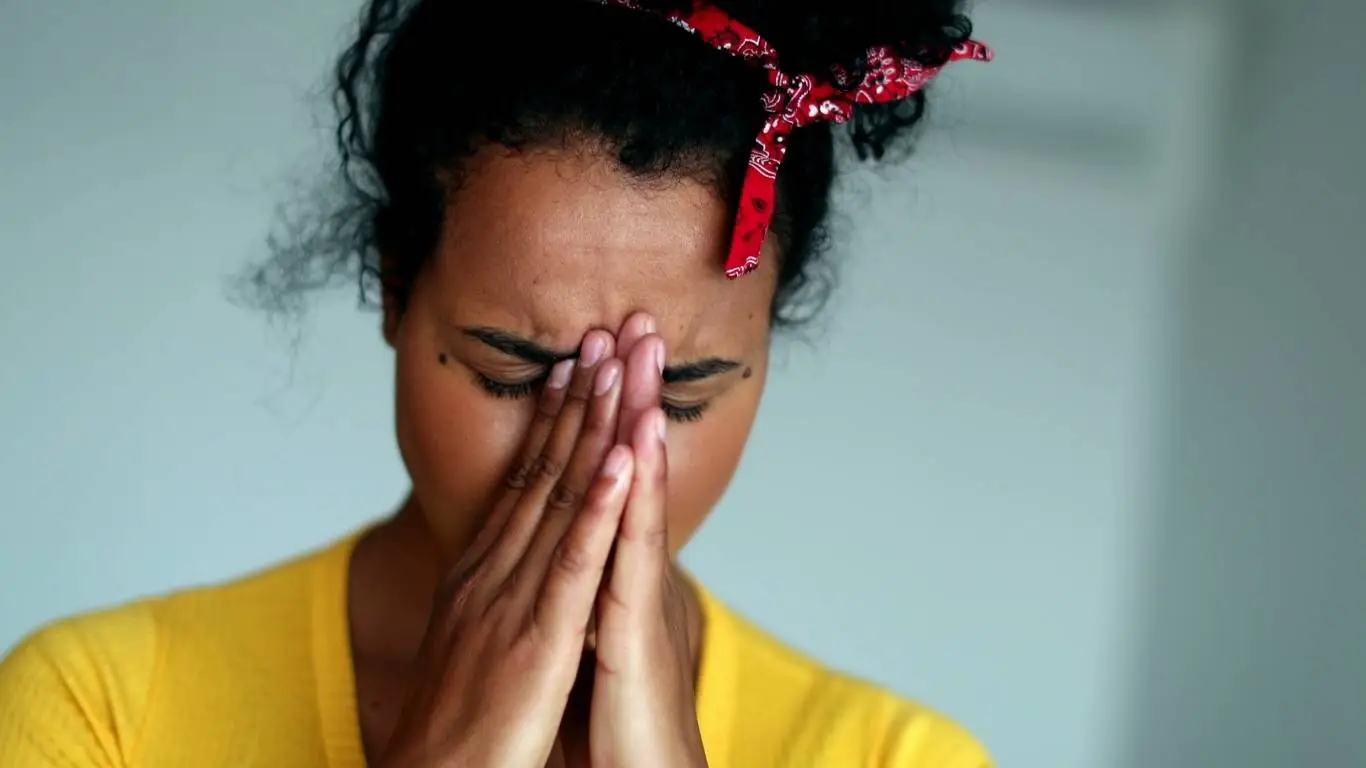
If there’s one thing I’ve learned from art therapy, it’s this: You don’t need to fix your anxiety all at once. You just need a small, safe place to start listening to it. For me, that began with a $1 sketchbook and a black pen.
You might feel silly or uncertain at first, but what unfolds when you allow yourself space to create without judgment… that’s where the healing starts. And you might just discover that you’ve had the tools all along.
For more in-depth strategies that blend therapy, self-help, and lifestyle changes, our dedicated section on lifestyle support for anxiety is a goldmine of guidance tailored to real life. And if you haven’t already, dive into our essential guide on how anxiety disorders can quietly control your routine—because awareness is the first step to taking that power back.

Camellia Wulansari is a dedicated Medical Assistant at a local clinic and a passionate health writer at Healthusias.com. With years of hands-on experience in patient care and a deep interest in preventive medicine, she bridges the gap between clinical knowledge and accessible health information. Camellia specializes in writing about digestive health, chronic conditions like GERD and hypertension, respiratory issues, and autoimmune diseases, aiming to empower readers with practical, easy-to-understand insights. When she’s not assisting patients or writing, you’ll find her enjoying quiet mornings with coffee and a medical journal in hand—or jamming to her favorite metal band, Lamb of God.