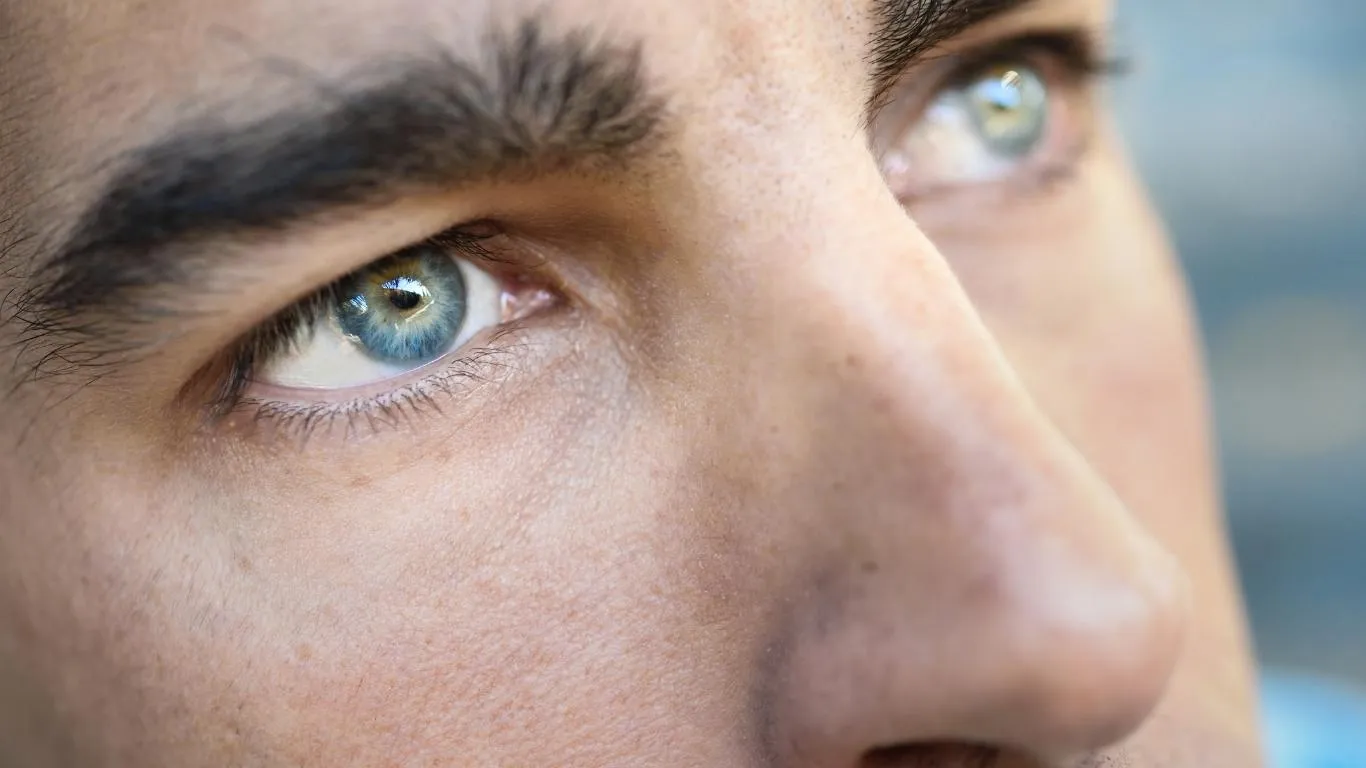
Why Floaters And Mild Temporal Headaches Might Be A Bigger Deal
You know, for a while I thought I was just imagining it. These faint little shapes drifting across my vision, like transparent worms or specks, especially when I stared at a bright wall or the sky. Then came these dull, annoying headaches—right at the sides of my head. Not migraines, nothing blinding or debilitating. Just this mild temporal ache that lingered longer than I liked. When it happened enough times, I started to wonder if the two were connected.
Floaters: More Than Just “Eye Dust”
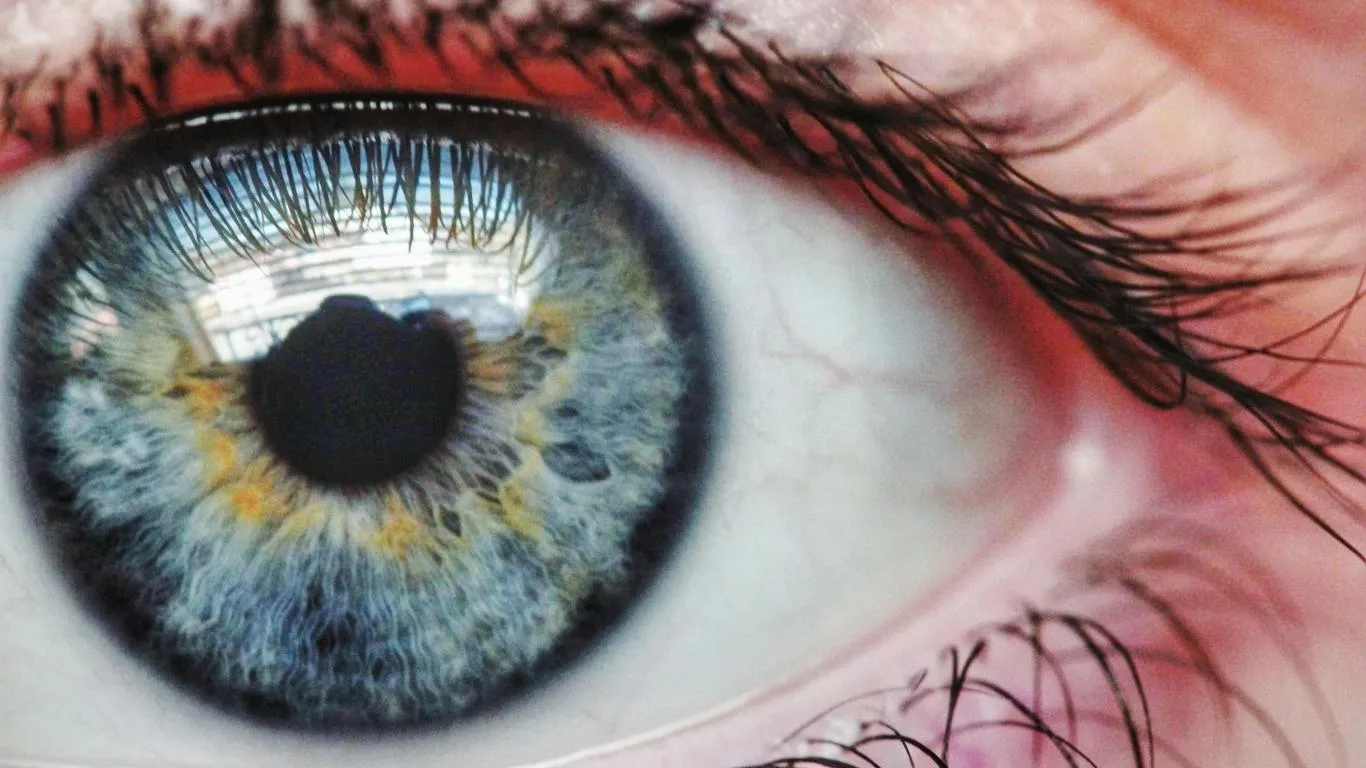
If you’ve ever noticed tiny cobweb-like shapes floating in your vision, especially when looking at a bright background, you’re likely experiencing eye floaters. They’re usually harmless, formed by collagen fibers clumping inside the vitreous humor—the gel that fills the eyeball. With age or eye strain, these fibers can shift around, casting shadows on the retina.
But here’s the thing—they’re not always just a visual quirk. For some people, floaters may coincide with other subtle issues, like persistent mild temporal headaches. And no, you’re not crazy for thinking there’s a link. I’ve been there, blinking endlessly to clear my sight, while rubbing my temples and wondering if I was staring at screens too long.
So What Causes Floaters in the First Place?
- Aging and vitreous degeneration
- Eye trauma or blunt force injuries
- Eye inflammation (like uveitis)
- Diabetes-related changes or high blood sugar fluctuations
- Overexposure to screen glare and excessive near work
More subtly, stress and poor sleep can amplify their presence. Sometimes, they flare up after intense visual focus or fatigue. I’ve noticed mine more after late-night Netflix marathons or marathon Zoom meetings. Not exactly medically reviewed events, but very real triggers.
Now Let’s Talk About That Temporal Headache
Mild pain on the sides of your head, around the temples, can be tricky. It doesn’t always scream “see a doctor,” but it’s annoying enough to mess with your focus. It can come from eye strain, tension-type headaches, or sometimes vascular issues.
The most overlooked cause? Visual overcompensation. When floaters obstruct parts of your visual field, your brain and eyes try harder to focus around them. That extra strain can manifest as mild temporal discomfort.
Other Common Causes of Mild Temporal Headaches
- Jaw tension or teeth grinding
- Stress-induced muscle tightness
- Poor posture, especially from screen use
- Emotional strain or fatigue
- Low-grade dehydration
I used to think these headaches were from caffeine withdrawal. Turns out, they often aligned with days when my floaters were more noticeable. Coincidence? Maybe. But once I corrected my screen brightness and added frequent eye breaks, both issues eased up a bit.
When Floaters and Temporal Headaches Tag-Team

This combo isn’t uncommon, especially among folks in their 30s to 50s juggling screens, stress, and less-than-ideal hydration. But for some, it could signal an underlying problem worth checking out.
For instance, if you’ve recently had a minor head bump and noticed floaters along with temple pressure, check out why floaters after head trauma may persist. Even seemingly mild knocks can affect the optic pathways or cause microvascular tension.
Hormonal fluctuations also play a role. If you’ve noticed more floaters and headaches around your cycle or during early pregnancy, it’s not in your head. Well, it is—but not the way they mean it. See this breakdown of floaters during pregnancy.
When Should You Actually Be Worried?
Usually, floaters and mild headaches are harmless. But certain symptoms are red flags and should never be brushed off:
- Sudden burst of new floaters
- Flashes of light in your vision
- Blurry or distorted vision
- Loss of peripheral vision (like a curtain dropping)
- Severe headache or eye pain
If you’re ticking any of those boxes, stop reading and call an eye doctor. You might be looking at a retinal tear, detachment, or a vascular issue.
On a more nuanced level, even recurrent minor headaches paired with visual anomalies deserve tracking. In some autoimmune or neurological disorders, early signs manifest in the eyes before anything else. Floaters are sometimes among the early symptoms in autoimmune diseases.
What I’ve Learned From My Experience
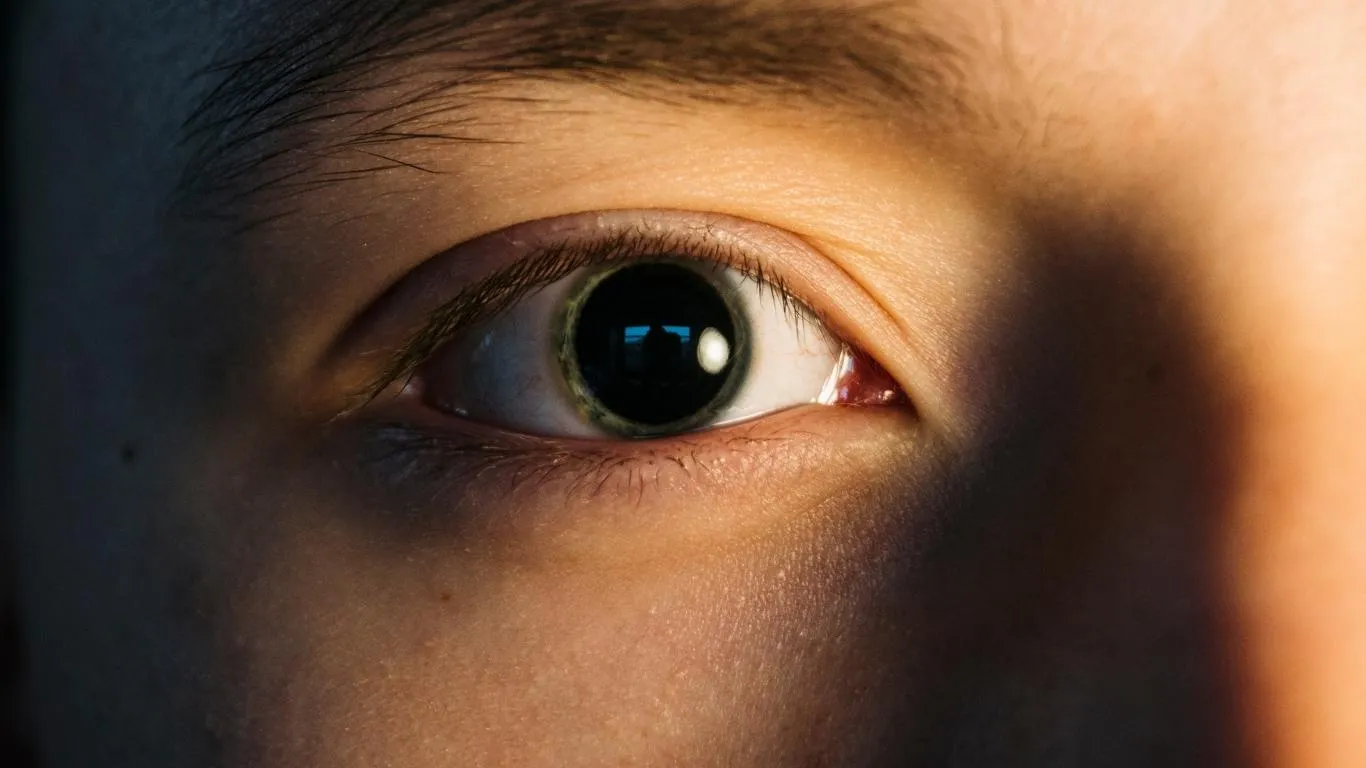
If you’re here because you’re Googling “floaters and mild headaches,” I feel you. It’s not dramatic enough to be scary, but weird enough to be unsettling. Here’s what helped me:
- Switching screens to dark mode and using less aggressive blue light filters
- Hydrating with electrolytes—not just plain water
- Incorporating omega-3s into my diet (salmon for the win)
- Trying out basic eye exercises in the morning
- And yes, sometimes just closing my eyes for a few quiet minutes
Of course, floaters aren’t going to vanish with wishful thinking. But understanding their behavior and minimizing the strain they bring makes a massive difference. If you’re still curious about what causes floaters in the first place, this pillar article on common causes is a fantastic place to dive deeper.
For a broader understanding of floaters, how they form, and what treatments exist, don’t skip the main floater guide on Healthusias.
#LNF

Camellia Wulansari is a dedicated Medical Assistant at a local clinic and a passionate health writer at Healthusias.com. With years of hands-on experience in patient care and a deep interest in preventive medicine, she bridges the gap between clinical knowledge and accessible health information. Camellia specializes in writing about digestive health, chronic conditions like GERD and hypertension, respiratory issues, and autoimmune diseases, aiming to empower readers with practical, easy-to-understand insights. When she’s not assisting patients or writing, you’ll find her enjoying quiet mornings with coffee and a medical journal in hand—or jamming to her favorite metal band, Lamb of God.