Why Floaters Appear While Looking at Rain Splashes
Have you ever been peacefully watching raindrops race down a windowpane when, suddenly, something odd floats across your vision—tiny squiggly lines or translucent spots, almost like shadows or clear threads? Yeah, I’ve been there too. I remember sitting by my kitchen window last fall, sipping coffee, when the rain started falling hard. The gentle splashes on the glass were oddly calming. But then came those floaters. Not the occasional one you ignore. These were persistent. Distracting. Almost like they were dancing with the rain, except they were inside my eye. That experience sent me on a deep dive, and what I discovered was more surprising than you’d expect.
Why Do Floaters Seem Worse When It’s Raining?
It might sound bizarre, but there’s actually a science-backed explanation for why some people notice floaters more clearly while watching rain splashes. Rain often creates a highly contrasting and shifting background, which makes translucent floaters stand out more.
Light Diffusion Makes Floaters Pop
When light scatters across the droplets on your window, it bounces unpredictably—creating high-contrast zones. Our eyes are wired to notice movement and contrast. So, when you’re focused on those ever-moving splash patterns, the floaters drifting across your vitreous become annoyingly apparent. They’re not increasing in number—you’re just noticing them more intensely.
The “Blurred Motion” Trick
Here’s a bit of what I call eye-magic: our brains try to track motion when we stare at moving water, like rain on glass. But when floaters move independently inside our eyes, this tracking process stumbles. That mismatch makes floaters appear to “jump” or “streak” more dramatically.
Is It Normal to See More Floaters in Specific Lighting?
Short answer: yes. But the long answer is a little more nuanced. In my case, floaters during rain stood out way more when the sky was overcast but still bright. Think of it like wearing a white shirt on a sunny day—you notice the smallest shadow or wrinkle. Floaters are the same way: they thrive in contrast.
- Bright overcast light: Common during rain, especially when there’s a white or gray sky.
- Moving background: The irregular, fluid motion of rainwater adds to the distraction.
- Indoor lighting + rain: Sitting near a lamp-lit room with rain outside? That combo creates a perfect storm for floater visibility.
According to American Academy of Ophthalmology, floaters often seem worse in bright or high-contrast settings. Rain-soaked days are surprisingly ideal for revealing them—especially if you have early-stage posterior vitreous detachment, which I learned I did.
What Do Rain-Related Floaters Look Like?
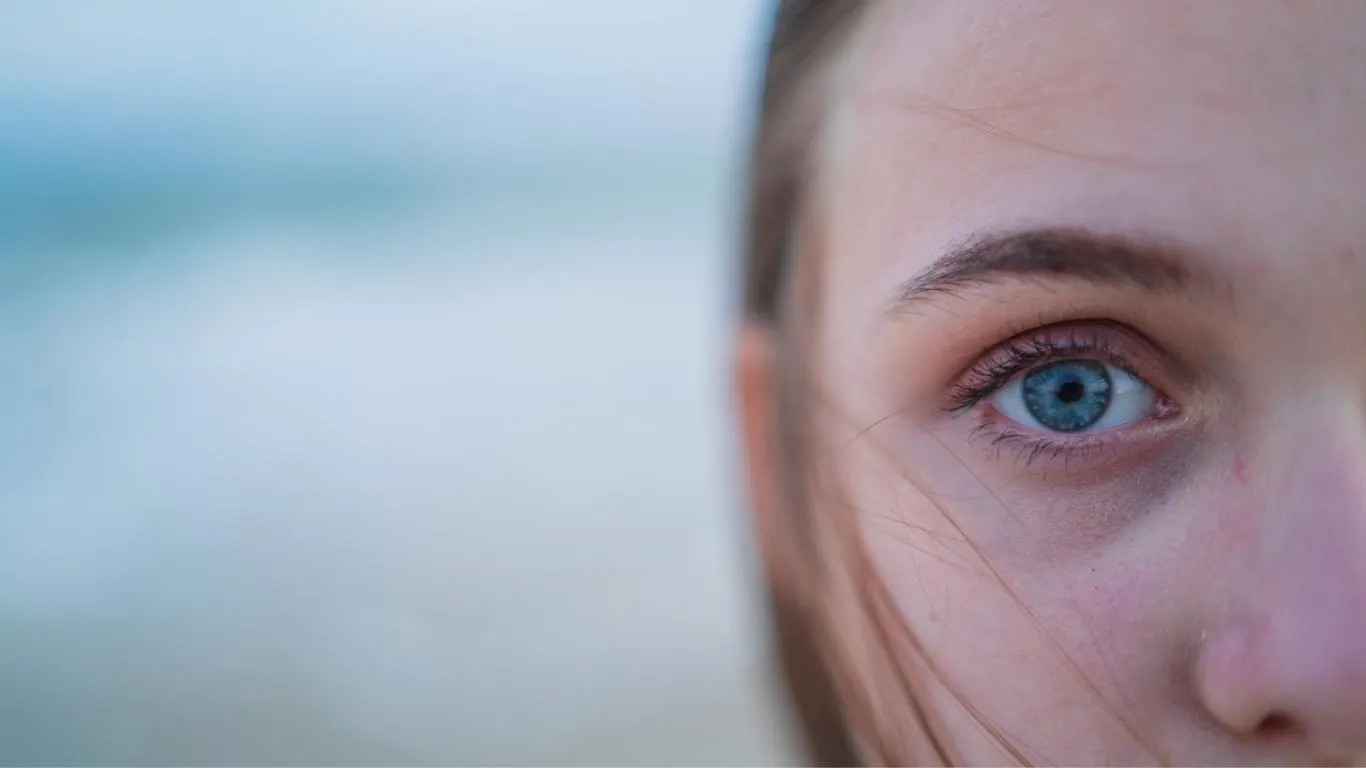
For me, they resembled faint spiderwebs or little circles sliding across my field of vision. When I blinked or looked away, they shifted slowly but didn’t disappear. According to NIH research, this phenomenon is typical of vitreous floaters caused by collagen clumping in the eye. Here are common shapes people report seeing while looking at rain:
- Squiggly lines: Like stringy floaters drifting lazily across.
- Bubble-like spheres: Especially noticeable against watery light refractions.
- Transparent shadows: They often mimic the rhythm of rain, making them even more confusing.
If you’re curious about the different ways these can appear, this article on floaters that look like circles helped me visualize what others were experiencing. Spoiler alert: I wasn’t alone in thinking they were connected to rainy days.
Are These Floaters Harmless?
Floaters are usually harmless, especially if you’ve had them for a while. But if they suddenly increase during a rainstorm—or if you see flashes of light or experience blurry vision—you should absolutely take it seriously. I ignored my symptoms for weeks, brushing them off as weather-related weirdness, until a retinal specialist confirmed I had early vitreous detachment. Not a full-blown emergency, but something I was grateful to catch early.
The good news? There are multiple eye floater treatments available today, from basic observation to advanced laser therapy. Most don’t require surgery unless floaters are severely disrupting your quality of life or pointing to underlying retinal issues.
Why Rain Makes You Notice What’s Already There
Here’s the kicker: it’s not that floaters appear because of the rain. You’re just more likely to notice them during those moments of quiet stillness, when your eyes are fixed on a bland but moving surface. The contrast created by rain patterns helps highlight those floaters that are floating around all day—but often get missed when you’re distracted by busier scenes.
I also came across this surprisingly insightful post about floaters being more visible in bright rooms, which echoed the same experience: lighting matters more than we think.
So, Should You Worry?
Here’s the real question. Should you be worried when floaters seem to dance with raindrops? If they’re mild and haven’t changed in months, probably not. But if you’ve recently noticed a sharp uptick—or you see floaters every time it rains—it’s worth getting checked. Especially if you also spend a lot of time in high-contrast settings, like working on screens or reading under LED lighting.
Before you dismiss it as just “weird rain vibes,” you might want to skim through this helpful breakdown on when floaters signal something serious. That one actually pushed me to schedule my eye appointment.
Want to understand more about what these floaters really mean and what’s causing them? The in-depth article on what causes floaters is a great place to start. For a more specific dive into their origins, the common causes of eye floaters article gave me serious clarity—no pun intended.
How Eye Fatigue and Rainy Days Work Together
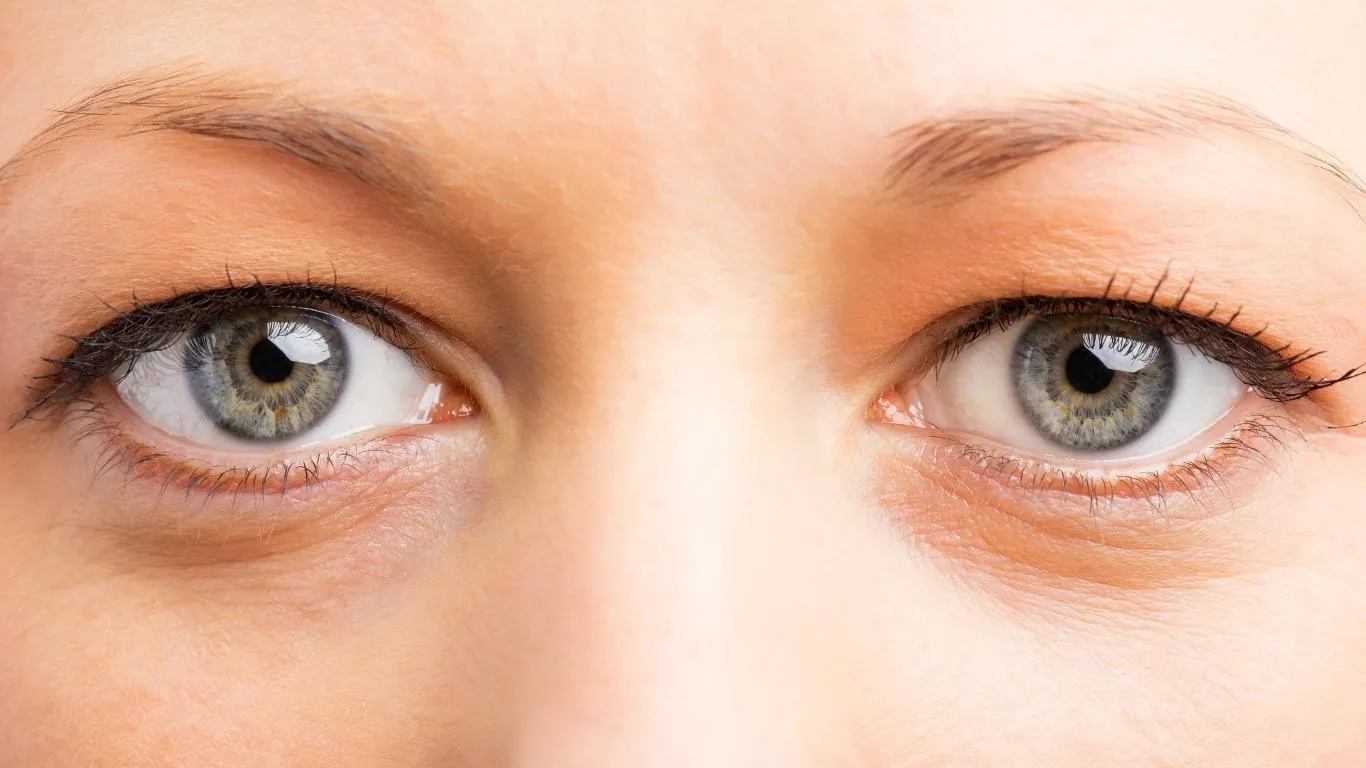
There’s something almost hypnotic about staring at falling rain, right? But that relaxed stare is exactly what leads to eye fatigue. When your eye muscles aren’t actively shifting focus or blinking enough—like during extended gazes at rain—you’re more likely to notice floaters.
I learned this the hard way. One weekend, I sat at a café window for what felt like hours, lost in the soft drizzle. When I finally looked away, the floaters were still “floating.” Turns out, visual stillness and minimal blinking allow floaters to become more obvious, especially when your tear film dries up and your eyes get sluggish. That dryness can exaggerate contrast, making shadows in your vision look darker or denser.
If you’ve noticed something similar, you’ll probably relate to this piece on floaters after screen use in dim light—same principle, different backdrop.
Other Weather-Related Floaters Triggers (It’s Not Just Rain)
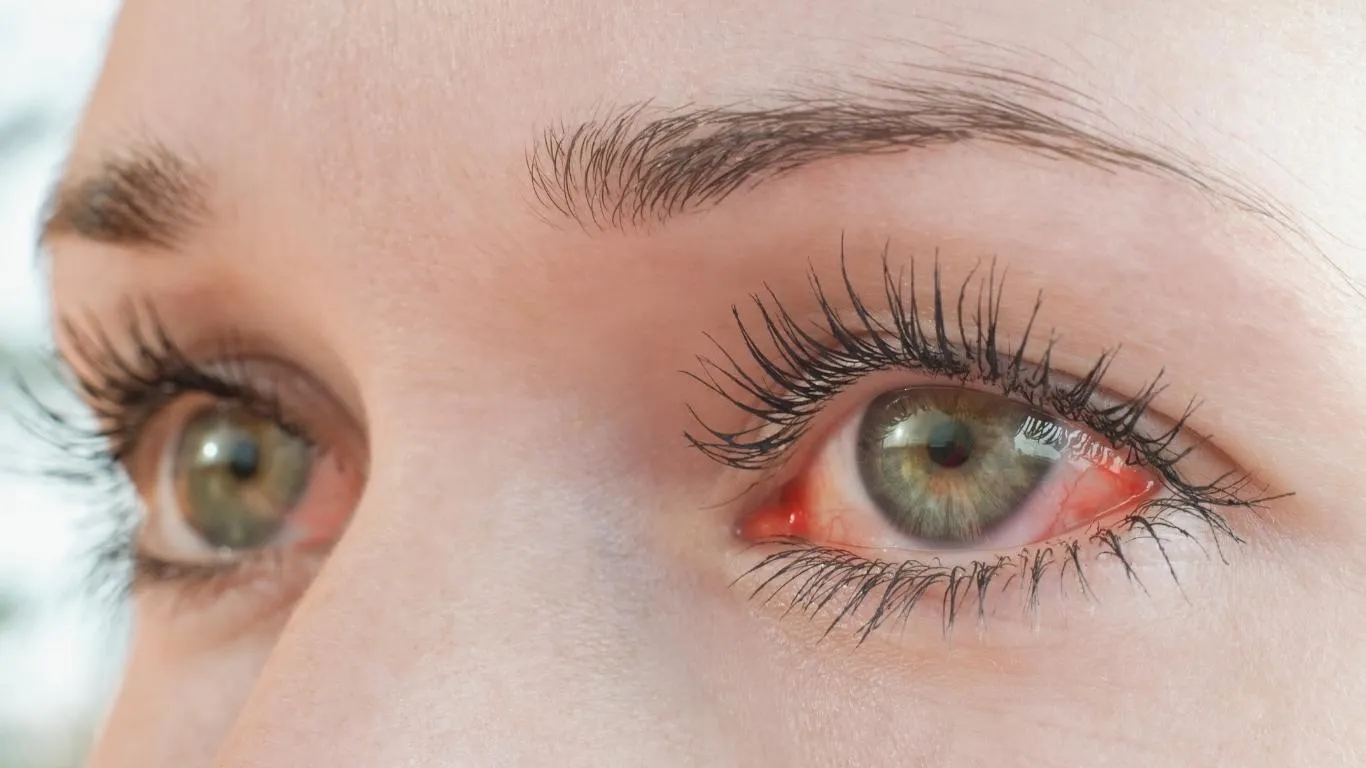
Rain isn’t the only culprit. Here are a few weather or environment-related triggers that amplify floater visibility:
- Overcast skies: Light becomes diffused, making floaters stand out more.
- Bright snow days: That sharp white background is a floater’s playground.
- After sunset: Your pupils dilate, pulling more light—and floaters—into perception.
- Dry indoor heat: Think: radiator or heater next to a rainy window. Eye dryness follows.
When you combine these elements—fatigue, static gaze, lighting—you’ve got the perfect recipe for floaters to dominate your vision, even if temporarily. For me, I started noticing they got worse during allergy season, rainy days, and after long nights of poor sleep. It wasn’t until I read this insightful post on floaters worsening with sleep deprivation that it all started clicking.
Can Rain-Enhanced Floaters Signal Underlying Conditions?
If you’re like me, you might’ve shrugged it off initially. But it’s worth asking: are the floaters getting clearer because of the rain—or are they actually increasing? Here’s a simple gut check:
- Are you noticing more floaters every week?
- Do they now appear in other situations too—not just rainy days?
- Are you seeing flashes or peripheral shadows?
If the answer’s yes to any of the above, it might not be the lighting that’s changed—it might be your eyes. Issues like retinal tears or vitreous detachment are real possibilities and should not be ignored.
When I checked in with my eye doctor, I brought up everything: the rain, the contrast, the sudden sharp increase in floaters. And guess what? He wasn’t surprised. He said floaters that feel tied to environmental triggers are sometimes just more noticeable versions of an underlying vitreous change.
Natural Ways to Manage Floaters (When It’s Nothing Serious)
If your floaters are mild and doc-approved as harmless, there are a few habits I picked up that genuinely helped minimize their impact:
- Blink often when watching rain—sounds obvious, but I had to train myself to do it.
- Eye exercises to improve fluid circulation in the vitreous—yep, real thing.
- Hydration. I underestimated how much dehydration could dry out my eyes and worsen floaters.
- Cutting back on blue light—especially from screens on gloomy days.
I’ve even experimented with some nutrition tweaks. Adding more foods rich in antioxidants and omega-3s noticeably helped reduce irritation and the dry-eye feeling that made floaters seem worse. The best diet for floaters list on Healthusias gave me a few staples I still follow today (chia seeds, baby!).
When It’s Time to Get a Second Opinion
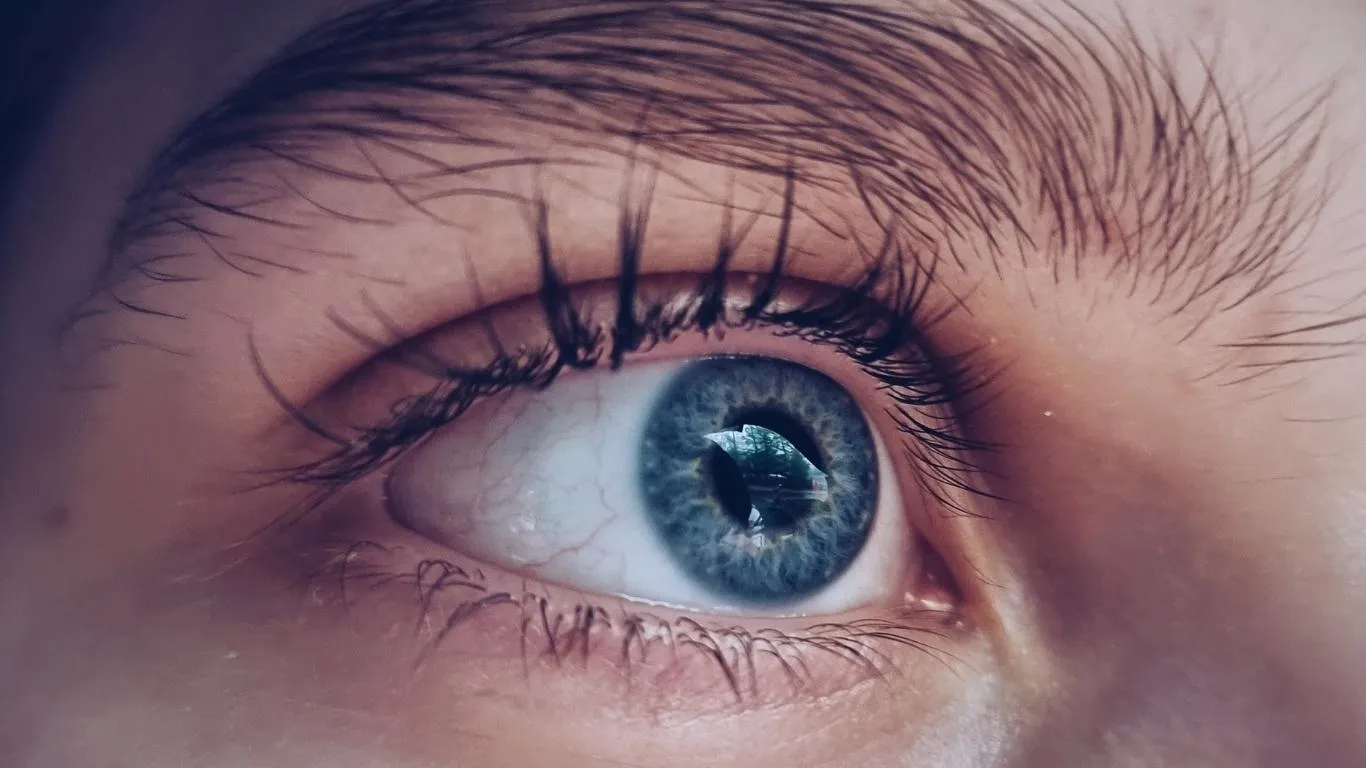
One thing I’ve learned through all of this? Don’t self-diagnose your vision. The rain might be highlighting floaters you already had—or it might be pointing to a new issue. If you’re not sure, there’s no shame in booking a quick checkup. Most optometrists can spot early signs of degeneration, detachment, or abnormal floaters with a simple eye exam.
And here’s where E-E-A-T kicks in. You want to get your information—and your care—from real, qualified experts. I’ve relied heavily on clinical sources like Mayo Clinic and Cleveland Clinic when I wanted to validate the articles I was reading online.
For a deeper understanding, this guide on eye floater symptoms you shouldn’t ignore offers expert-backed advice, especially for anyone who’s dealing with floaters for the first time during rainy days.
Why Floaters During Rain May Be the Wake-Up Call You Need
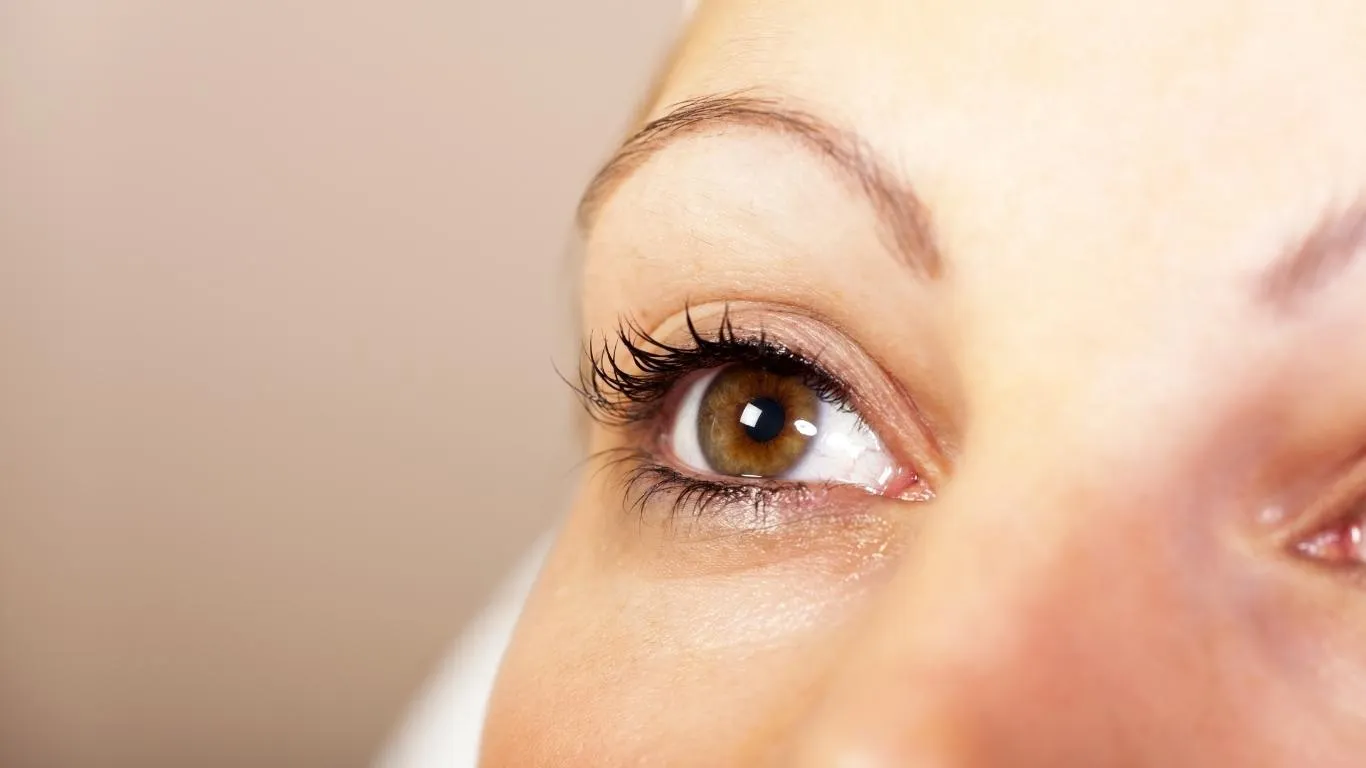
Honestly, noticing floaters while watching rain might be one of the best things that ever happened to me. It forced me to slow down, pay attention, and take my eye health more seriously. I wouldn’t have caught my vitreous changes early if it weren’t for that one rainy afternoon at my kitchen window.
So if you’re reading this and wondering whether it’s all in your head—trust your instincts. Your eyes are trying to tell you something. Whether it’s just lighting or something more, now you’ve got the information to respond the right way.
If you’re ready to explore a broader overview of this condition, the best place to start is with the main eye floaters guide—it covers the full spectrum, from causes to cures. Or go deeper with this focused piece on how to tell floaters apart from other eye issues, especially if your symptoms feel like they’re evolving.

Camellia Wulansari is a dedicated Medical Assistant at a local clinic and a passionate health writer at Healthusias.com. With years of hands-on experience in patient care and a deep interest in preventive medicine, she bridges the gap between clinical knowledge and accessible health information. Camellia specializes in writing about digestive health, chronic conditions like GERD and hypertension, respiratory issues, and autoimmune diseases, aiming to empower readers with practical, easy-to-understand insights. When she’s not assisting patients or writing, you’ll find her enjoying quiet mornings with coffee and a medical journal in hand—or jamming to her favorite metal band, Lamb of God.