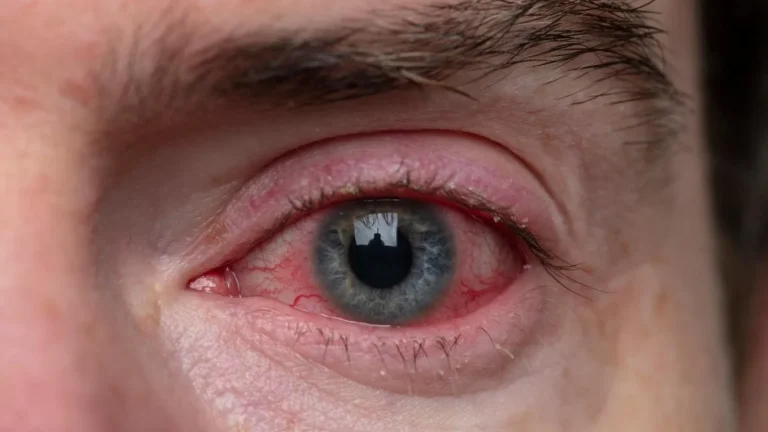
Why Floaters Are So Visible When Floating in the Pool
Last summer, I was relaxing in the pool, soaking in the sunlight, eyes closed, just floating — when I opened them, there they were again. Those strange, wiggly shadows drifting across my vision. I blinked. I rubbed my eyes. Nothing helped. If you’ve ever spotted strange specs or squiggly lines that seem more visible while floating in the pool or looking at the sky, trust me, you’re not imagining things. This visual annoyance has a name — *eye floaters* — and you’re far from alone.
Why Are Floaters More Visible in the Pool?
So what’s the deal with floaters seeming more obvious when you’re floating in a pool? It has a lot to do with how floaters work, and the unique lighting environment that pools create.
The Role of Brightness and Contrast
When you’re in the pool, you’re usually surrounded by a bright, clear background — blue skies, reflective water, and sunlight bouncing all over the place. This intense brightness increases the contrast between your floaters and your visual field. Floaters, which are made up of clumps of collagen in the vitreous humor of your eye, cast shadows on your retina. These shadows are far more noticeable against a bright backdrop.
This is the same reason floaters stand out when looking at a white wall, snowy landscape, or even your phone screen in a dark room. It’s like trying to see dust in the air — you’ll spot it more easily when sunlight shines through the window.
Stillness Makes Them Float Around
Another reason floaters feel more prominent when floating is stillness. When your body (and your head) is completely still — like when you’re gently drifting in the water — the floaters aren’t being pushed around by rapid eye movement. That gives your brain time to “catch” them in your vision, making them appear more stubborn and noticeable.
What Are Eye Floaters, Really?
Eye floaters are tiny specks, threads, or cobweb-like shadows that drift through your field of vision. They might look like little insects, clouds, or transparent blobs. Most of the time, they’re harmless — a natural result of aging as the gel-like vitreous in your eyes begins to shrink and clump.
- Typical floaters are made of collagen fibers.
- They move when your eye moves — and settle when your eyes stop.
- They don’t follow your gaze precisely, which adds to the annoyance.
According to American Academy of Ophthalmology, floaters are common in people over 40, but they can also appear in younger individuals due to myopia, eye trauma, or inflammation inside the eye.
Should You Be Concerned When Floaters Show Up in the Pool?
Honestly, in most cases, no — it’s just that you’re noticing them more. But if floaters suddenly increase, change in shape, or come with flashes of light, then it’s a different story. That could be a warning sign of retinal detachment or vitreous hemorrhage.
One of the biggest red flags is a sudden burst of floaters after activities like diving, a hit to the head, or extreme physical effort. Water activities do introduce movement and pressure changes — so if anything feels different, don’t ignore it.
If you’re not sure whether your floaters are normal, this guide can help: When Are Eye Floaters Dangerous?
Why Pools and Bright Skies Are a Floater Magnet
Sunlight + Blue Background = Perfect Floater Theater
This combo makes floaters ridiculously easy to see. The sunlight acts like a flashlight shining through the gel of your eye, highlighting every bit of debris. Then the bright blue sky — or the reflective water surface — gives you the perfect background to see those floating shadows dance.
That’s why so many people report floaters when floating in pools, sunbathing, or even after emerging from underwater and blinking toward the sun. It’s not the pool causing them — it’s just the ideal conditions for them to show up uninvited.
Water Clarity Adds to It
Swimming pools are often clean and crystal-clear. Unlike swimming in a lake or ocean, there’s no visual “noise” — no fish, dirt, or currents to distract you. That empty visual space again boosts the contrast, making floaters almost feel like they’re floating *in* the water with you.
Are There Ways to Make Them Less Visible?
You can’t exactly stop your floaters from appearing while you’re in the pool, but there are little tricks to reduce how much they bug you:
- Wear polarized sunglasses — they reduce glare and brightness, lowering floater visibility.
- Keep moving — gentle eye or body movement prevents floaters from settling.
- Look toward shaded areas or objects to break the brightness contrast.
If you’re wondering about deeper floaters or long-term fixes, it might be worth checking this practical guide: Eye Floater Treatments from Observation to Surgery
When Do Floaters Worsen in Pools?
From personal experience — and talking with others in the optometry world — floaters seem to worsen:
- In the early morning or midday sun
- After dehydration or long swims without blinking
- When you’ve just rubbed your eyes or emerged from a nap
Oddly enough, floaters can also feel worse if you’re staring too long at the water surface while floating on your back. The stillness plus upward gaze seems to be the sweet spot for noticing them most.
In some cases, floaters get worse post-exercise. This might be related to eye strain or temporary vitreous shifts. Read more about that here: Sudden Increase in Floaters After Exercise
Related Insight: Could It Be Something Else?
Don’t assume every floater-like effect is a floater. For example, shimmering shapes or zigzags might point to something like ocular migraines. Here’s a helpful breakdown: Eye Floaters vs Other Eye Problems
Also, check this main guide if you’re still unsure about your situation: What Are Eye Floaters: Causes, Symptoms, and Treatment Options
Once I realized how floaters seem to tag along every time I hit the pool, I couldn’t help but dive deeper (pun intended) into what causes them to get worse and — more importantly — what can help. Part of me was just annoyed, but the other part was honestly a little concerned. I started wondering: Can floaters increase just from swimming? Could I be making them worse unknowingly? Let’s unpack more.
Can Swimming or Water Pressure Make Floaters Worse?
This question actually gets tossed around a lot in forums and eye clinics. Floaters don’t form because of swimming per se — there’s no direct cause-and-effect — but certain swimming habits can increase your awareness of them or even exacerbate existing eye issues that lead to more floaters over time.
Pressure and Strain From Swimming Goggles
Here’s a personal observation: When I wore tight goggles for long swims, especially with deep dives, I sometimes ended up with extra floaters the next day. Coincidence? Maybe. But it turns out, eye pressure and trauma — even mild — can cause vitreous shifts or microtears, which in turn release debris into the eye gel. That debris becomes floaters.
If you’re into diving or underwater sports, consider using goggles that don’t press directly on your eye socket. The orbital pressure changes when you’re underwater or emerging fast from deeper water could aggravate fragile vitreous tissue.
Chlorine, Dryness, and Inflammation
Pool water, especially with strong chlorine, can dry out your eyes — and dry eyes have a bad habit of making floaters feel worse. While there’s no direct link between chlorine and floaters, chronic eye irritation might set off a chain of inflammation that makes your floaters more apparent, or even trigger new ones if there’s pre-existing vitreous degeneration.
This link might surprise you: Uveitis and floaters. Inflammatory conditions like that are often unnoticed until floaters show up as a symptom.
Hydration, Blood Flow, and Vitamin Balance
One of the biggest game-changers for me? Hydration. Seriously. Floaters are worse when I’m even slightly dehydrated. And guess what? Swimming under the sun dehydrates you faster than you think — especially in saltwater pools or during long pool sessions where you’re not sipping water regularly.
- Hydration helps maintain proper vitreous volume and fluid circulation.
- Vitamin-rich foods support eye tissue integrity, especially Vitamin C, A, and omega-3s.
- Blood flow to the retina improves with regular cardiovascular exercise — but intense swimming without blinking or eye movement may temporarily reduce tear film quality.
Check this practical guide to optimize your hydration for floater relief: How to Reduce Floaters With Hydration
What Makes Floaters Worse After a Swim?
Let’s get honest — sometimes a relaxing swim ends with me squinting, blinking, and swatting at what looks like a mosquito in my vision, only to realize it’s just my floaters again. Here’s when they get the most annoying:
- Post-swim fatigue – your eyes are tired, muscles are relaxed, and floaters drift more freely.
- Looking at sky or tiled pool bottoms – the visual simplicity enhances floater shadows.
- Squinting in bright light – triggers stronger retinal contrast sensitivity, exposing floaters more sharply.
Some people even report floaters visible only in bright environments, which fits the pool scenario perfectly. The water acts as a mirror and diffuser, reflecting intense ambient light directly into your eyes.
Natural Adjustments That Actually Help
I’ve tested a bunch of these over the years, and some genuinely do reduce the annoyance factor of floaters, especially poolside:
Eye Movement Exercises
Gently rotating your eyes clockwise and counter-clockwise helps floaters settle or shift out of your central field of vision. Try doing this with your eyes closed after a swim. There’s a great list of these in this guide on floaters and eye movement.
Posture and Head Tilt
Your head position can influence floater visibility. When floating, your eyes face upward — meaning floaters naturally settle in your central vision zone. Tilt your head slightly sideways or down to change the angle. It’s simple physics but works surprisingly well.
Pool Sunglasses and Visors
Polarized sunglasses with anti-glare coating dramatically reduce visual contrast — making floaters less obvious. I started keeping a pair near the pool just for this reason. Even shaded visors can help, especially if you’re reading or chatting poolside and not in the water.
When Floaters May Signal More Serious Issues
This needs repeating: If your floaters suddenly change in shape, quantity, or are accompanied by light flashes, dark curtains, or blurred vision, stop ignoring them. It might be more than just a casual eye floater episode.
Conditions like posterior vitreous detachment or retinal tears often start with a sudden floater storm. If your symptoms align, get them checked immediately — especially after underwater trauma or high-impact pool sports.
And yes, that includes “harmless” cannonballs gone wrong.
Swim Smarter, See Clearer
At the end of the day, floaters aren’t always something you can completely eliminate, especially when you’re lounging under the sun or floating peacefully on pool water. But they don’t have to hijack your relaxing moments either.
Want a full breakdown on floater causes beyond pool time? Explore Common Causes of Eye Floaters to get a better understanding of what’s triggering yours — and whether it’s just harmless aging or something more specific.

Camellia Wulansari is a dedicated Medical Assistant at a local clinic and a passionate health writer at Healthusias.com. With years of hands-on experience in patient care and a deep interest in preventive medicine, she bridges the gap between clinical knowledge and accessible health information. Camellia specializes in writing about digestive health, chronic conditions like GERD and hypertension, respiratory issues, and autoimmune diseases, aiming to empower readers with practical, easy-to-understand insights. When she’s not assisting patients or writing, you’ll find her enjoying quiet mornings with coffee and a medical journal in hand—or jamming to her favorite metal band, Lamb of God.