How To Prevent Anxiety From Affecting Your Sleep Naturally
There’s nothing more frustrating than lying in bed, eyes wide open, mind spinning like a hamster on an espresso binge. I’ve been there—staring at the ceiling, feeling my chest tighten, and wondering why my brain suddenly thinks 2:13 AM is the perfect time to relive every awkward moment I’ve ever had. If anxiety has ever hijacked your sleep, you know exactly what I mean. But the good news? There are real, doable ways to stop anxiety from controlling your nights.
Why Anxiety Loves to Strike at Night

It’s almost cruel how anxiety creeps in just when you’re trying to unwind. One reason is that our brain doesn’t have the usual daytime distractions—no emails, no small talk, no to-do lists—just silence. And in that silence, worries get loud. Really loud.
Unprocessed Stress Accumulates
Throughout the day, stressors pile up like unopened emails. If you don’t deal with them, they wait for you—right at bedtime. That’s when the mental replay of every awkward conversation and unfinished task starts playing in high definition.
Physiology Doesn’t Lie
When you’re anxious, your body produces more cortisol, your fight-or-flight hormone. Unfortunately, cortisol doesn’t care that it’s 11 PM and you’ve got an early meeting. It’s primed to protect, not let you drift off into a peaceful REM cycle.
Studies have shown that chronic anxiety disrupts the natural circadian rhythm, leading to inconsistent sleep quality and increased insomnia risk. And trust me, once that cycle starts, it’s ridiculously hard to break.
Signs Your Sleep Is Being Hijacked by Anxiety

If you’ve been tossing and turning and blaming it on coffee or bad luck, here’s a quick checklist to help you figure out if anxiety is the real culprit:
- You dread bedtime even when you’re exhausted
- Your thoughts spiral into worst-case scenarios as soon as the lights go out
- You wake up feeling just as tense and tired as the night before
- You experience chest tightness, shallow breathing, or racing thoughts at night
I used to think I had a sleep disorder until I realized I was actually experiencing anxiety-fueled insomnia. The connection can be subtle, but it’s very real—and very solvable.
How to Prevent Anxiety from Affecting Your Sleep
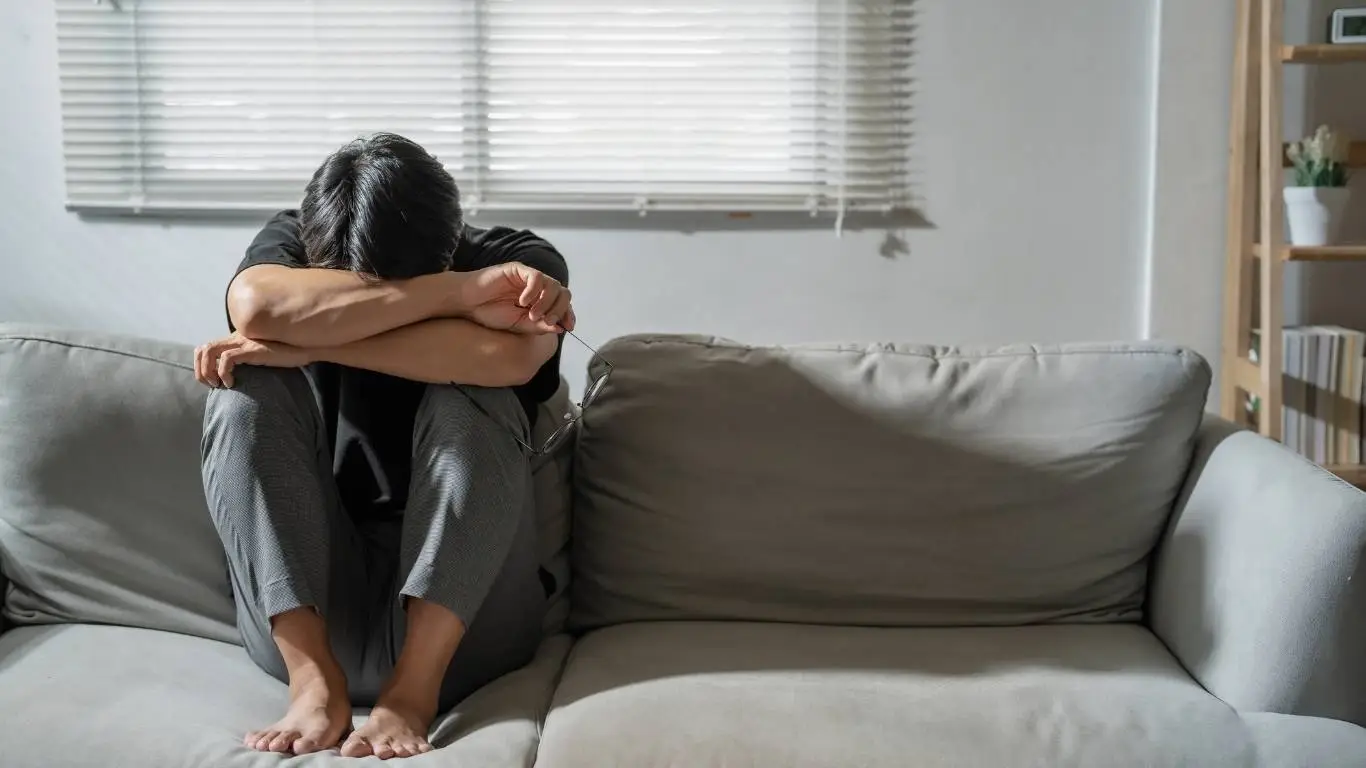
1. Build a Pre-Sleep Wind-Down Routine
Trying to sleep right after doomscrolling or working late is like asking your brain to hit a brick wall at full speed. You need to signal to your body that it’s time to chill. Here’s how I personally reset my brain at night:
- Turn off all screens at least 30 minutes before bed
- Take a warm shower or do gentle stretching
- Journal to dump out the mental clutter—even a few lines help
- Play calming sounds or use white noise to mask internal chatter
Consistency is key. Over time, this ritual becomes a cue for your nervous system to relax.
2. Nutrition & Supplements That Calm Your Mind
Believe it or not, what you eat impacts how well you sleep. I swapped late-night snacks for herbal teas that help ease anxiety, like chamomile and lemon balm. I also started getting more magnesium-rich foods into my dinner plate—think leafy greens, nuts, and avocado.
There’s growing evidence that magnesium, omega-3s, and L-theanine may support anxiety reduction without harsh side effects. You can learn more in our nutrition and supplement guide.
3. Challenge the Nighttime Thought Spiral
I used to lie in bed feeling like I was auditioning for an internal anxiety monologue. The fix? I learned to challenge those spirals instead of entertaining them.
CBT-based strategies can be a game-changer here. Identify distorted thoughts and rewrite them logically. If you’re stuck in a loop, try a simple mantra or grounding technique—something as basic as naming five things you see, hear, or feel can break the cycle.
You can dive deeper into this in our CBT for anxiety breakdown.
4. Reset Your Relationship with Sleep
If sleep has become a source of dread, it’s time to reframe. Stop forcing it. Instead, create a mindset that welcomes rest—even if it takes a little while to show up. I started keeping a book by my bed and reading when I couldn’t sleep instead of checking the clock every 20 minutes (worst idea ever, by the way).
Also, go easy on yourself. Sleep anxiety thrives on pressure. Reducing the urgency around “having” to sleep often helps sleep come naturally again.
What Happens When You Don’t Get Ahead of It

Poor sleep feeds anxiety, and anxiety feeds poor sleep. It’s a vicious cycle. The longer it continues, the more it impacts your mood, focus, immune function—even your relationships. According to ncbi.nlm.nih.gov and sleepfoundation.org, chronic insomnia is closely linked to increased risk of depression and cardiovascular issues.
Even more subtly, it can shift how you show up in everyday life. I found myself becoming more irritable, forgetful, and distant from people I cared about. It’s a heavy toll for something as “simple” as poor sleep—but it’s also a powerful reason to reclaim it.
If this resonates with you, I highly recommend exploring our lifestyle self-help guide for anxiety and taking a deeper look at how anxiety quietly affects your routine. You’re not alone—and small steps can lead to real, lasting change.
5. Make Your Bedroom a Safe Space, Not a Trigger

Your environment matters more than you think. For the longest time, my bedroom felt like a stressful holding pen for my thoughts, not a place to relax. It was cluttered, cold, and had zero calming energy. Once I changed how the space felt, my brain started associating it with calm, not chaos.
- Keep electronics out of the room—especially your phone
- Invest in dimmable lights or warm-toned bulbs
- Use blackout curtains to regulate light exposure
- Declutter. Even your nightstand mess can make your mind feel disorganized
Creating a sleep-friendly space isn’t about expensive décor. It’s about removing distractions and inviting calm. Sleep hygiene habits aren’t trendy—they’re transformative.
Bonus Tip: Don’t Let Your Bed Become a Worry Zone
If you lie awake for more than 20–30 minutes, get up and do something relaxing (read, stretch, sip tea) in another room. Don’t stay in bed wrestling your brain. That just trains it to expect stress instead of sleep.
6. Try Breathing Techniques That Actually Work

Breathing sounds like such a cliché tip—until you actually try the right kind. I was skeptical at first too, until I learned how to breathe *intentionally*, not just automatically. The difference it made? Wild.
My go-to at night is the 4-7-8 method:
- Inhale through your nose for 4 seconds
- Hold your breath for 7 seconds
- Exhale slowly through your mouth for 8 seconds
After a few rounds, I usually feel like I’ve hit the internal “pause” button. You can try this along with other breathing techniques that help reduce anxiety and calm your nervous system before bed.
7. Get Professional Tools If Anxiety Still Wins
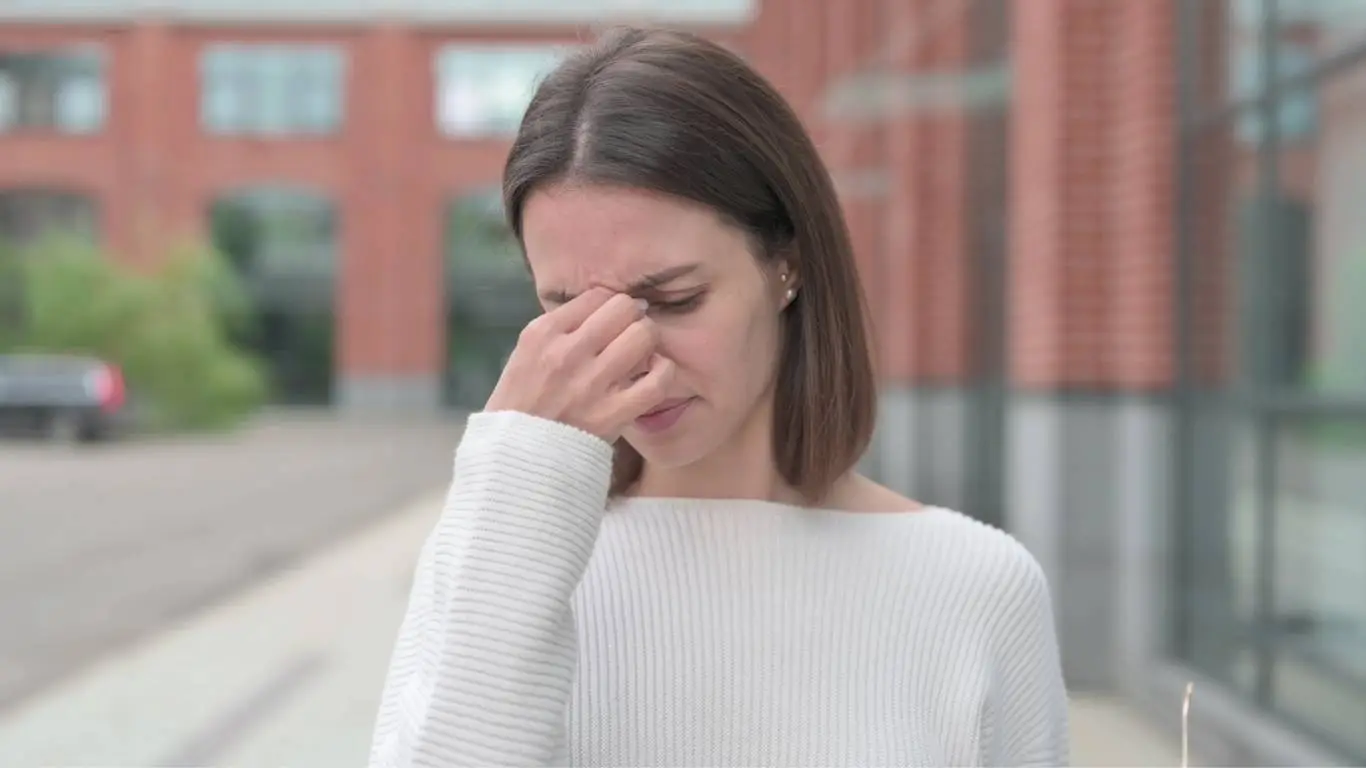
Look, sometimes we try everything and still struggle. I did all the routines, teas, meditations, even yoga. And I still woke up at 3 AM with my heart pounding like I ran a marathon. That’s when I realized it wasn’t just “bad sleep”—it was anxiety that needed to be addressed head-on.
Cognitive Behavioral Therapy for Insomnia (CBT-I) has a solid track record. Some nights, I even used virtual therapy apps when getting in-person sessions felt overwhelming. You can also explore professional tools like:
- GAD-7 self-assessments for a clearer picture of your anxiety levels
- Working with a sleep specialist if you’re stuck in chronic patterns
- Mindfulness-based therapies like MBCT that quiet your thoughts without forcing stillness
You don’t have to figure it all out alone. Therapy changed the way I respond to nighttime anxiety—not just manage it.
8. Adjust Your Day to Protect Your Night

One of the biggest mindset shifts for me was realizing that good sleep starts during the day. What you eat, how you move, the thoughts you rehearse—all of it adds up and spills into bedtime.
Here’s what helped me most:
- Limiting caffeine to before noon (no exceptions!)
- Getting morning sunlight to support my circadian rhythm
- Sticking to a consistent wake-up time—even on weekends
- Exercising daily, even just a 20-minute walk helps massively
I also started tracking how daily events affected my sleep. Some foods wrecked it. Some social interactions drained me. Awareness was half the battle—and creating a routine that supports calm made sleep easier to access at night.
Protecting Sleep Is Protecting Your Sanity
Sleep isn’t a luxury. It’s your foundation. Without it, everything from decision-making to emotional regulation takes a nosedive. That’s why I always refer people to our guide on getting a real diagnosis for underlying anxiety if sleep disruptions keep showing up uninvited.
9. Don’t Underestimate the Role of Diet

Food is information for your brain. I didn’t believe that until I cleaned up my nighttime snacks. I cut sugar after 8 PM, ditched late dinners, and swapped Netflix snacking for calming herbal teas and protein-based snacks.
Some foods have a direct connection with anxiety symptoms and even spike cortisol. Processed foods, caffeine, and alcohol are major culprits. Replacing them with gut-friendly options like yogurt, oats, or bananas made a surprising difference.
For more science-backed strategies, check out our anxiety and nutrition guide that dives into calming foods that actually help regulate mood and sleep hormones.
10. Empower Yourself with Daily Tools

Preventing anxiety from taking over your nights means giving yourself better tools during the day. Here are simple habits I built that made a massive difference—none of which required any fancy gear:
- Morning journaling to empty out future worries before they fester
- Setting realistic goals to reduce overwhelm
- Using a planner instead of keeping a mental to-do list
- Adding daily affirmations—yes, they really help anchor the mind
These habits act like a pressure valve. Instead of anxiety building up all day and bursting at night, you process it in small, manageable doses.
Once I started treating my anxiety like something to flow with—not something to fight against—my nights began to soften. I wasn’t suddenly sleeping like a baby every night, but I stopped fearing the bedtime battle. And that shift? That was everything.
If you’re ready to go deeper into regaining control, I highly recommend reading this deep dive into the underlying causes of anxiety. And for a full-circle perspective, don’t miss our foundational article on how anxiety shapes your daily life without you even realizing.

Camellia Wulansari is a dedicated Medical Assistant at a local clinic and a passionate health writer at Healthusias.com. With years of hands-on experience in patient care and a deep interest in preventive medicine, she bridges the gap between clinical knowledge and accessible health information. Camellia specializes in writing about digestive health, chronic conditions like GERD and hypertension, respiratory issues, and autoimmune diseases, aiming to empower readers with practical, easy-to-understand insights. When she’s not assisting patients or writing, you’ll find her enjoying quiet mornings with coffee and a medical journal in hand—or jamming to her favorite metal band, Lamb of God.