Best Natural Soap pH for BV-Prone Skin That Actually Works
Ever gone down the rabbit hole of skin products that promise everything but leave your skin worse off—especially if you’re someone dealing with BV-prone skin? Been there. It took me way too long to realize that the soap I used daily was doing more harm than good. For anyone with recurring BV flare-ups or just sensitive intimate skin, choosing the right soap—specifically with the *right pH*—isn’t a luxury; it’s non-negotiable. And spoiler alert: “natural” doesn’t always mean gentle. But when chosen wisely, natural soaps can be total game-changers for your daily hygiene routine.
Why pH Matters So Much for BV-Prone Skin

Your skin, especially the vaginal area, thrives in a mildly acidic environment. Normally, the vaginal pH hovers around 3.8 to 4.5. This acidity helps keep harmful bacteria at bay while allowing the good guys—like lactobacilli—to do their job. Throw that balance off, say with a high-pH soap, and things can get funky fast. *Literally.*
Soaps that are too alkaline (above pH 7) can strip your skin’s natural oils and disrupt the vaginal microbiome, making it more vulnerable to bacterial vaginosis. Unfortunately, most commercial soaps fall into this pH disaster zone. They feel squeaky clean, but what they’re really doing is messing up your natural defenses.
If you’re tired of wondering why you keep getting BV even when you’re doing “all the right things,” start by checking the pH of your soap. You’d be surprised how many “feminine hygiene” products totally miss the mark.
Best Natural Soap Ingredients for BV-Prone Skin

Here’s where it gets interesting—natural soaps can be your best friend *if* they’re formulated thoughtfully. Look for ingredients that not only match your skin’s pH needs but also nourish and calm inflammation. These are my go-tos:
- Aloe Vera: Soothing, anti-inflammatory, and usually pH-friendly. Plus, it’s great for dry or irritated skin.
- Calendula: This little flower is an MVP for healing and reducing irritation. It has antifungal properties too.
- Oatmeal: Gentle exfoliant, calming, and helps restore skin moisture barrier.
- Apple Cider Vinegar: Sounds intense, but when diluted and balanced in soap, it can help maintain the right pH.
- Tea Tree Oil: A powerhouse antibacterial, but it needs to be used very sparingly in a well-balanced formula.
Not every “natural” label cuts it. Always read the ingredient list, and if it’s packed with essential oils or fragrances, it’s probably not your skin’s BFF. Here’s a helpful read if you’re diving into the *natural remedies for BV* game: tea tree oil for BV.
Soap pH Testing: Don’t Just Trust the Label

Here’s a wild fact—companies aren’t required to list the pH of their soaps on packaging. So what can you do? Test it yourself. You can grab pH test strips online for a few bucks and test your current soap at home. Just wet the soap, lather it a bit, and place the strip on the lather. You’re aiming for a pH of 4-5.5 for BV-prone skin.
I’ve tested a few that claimed to be “gentle” or “balanced,” and they came in at 9. Yup. Nine. That’s practically bleach territory for your vulva. No thanks.
Common High-pH Culprits
- Bar soaps (even the “moisturizing” ones)
- Castile soap in its raw form (yes, even the organic ones)
- Soaps with baking soda as a key ingredient
If you’re curious about *diet’s role in recurring BV*, that’s another rabbit hole worth going down: can diet affect recurring BV?
Signs Your Soap is Messing With Your Microbiome
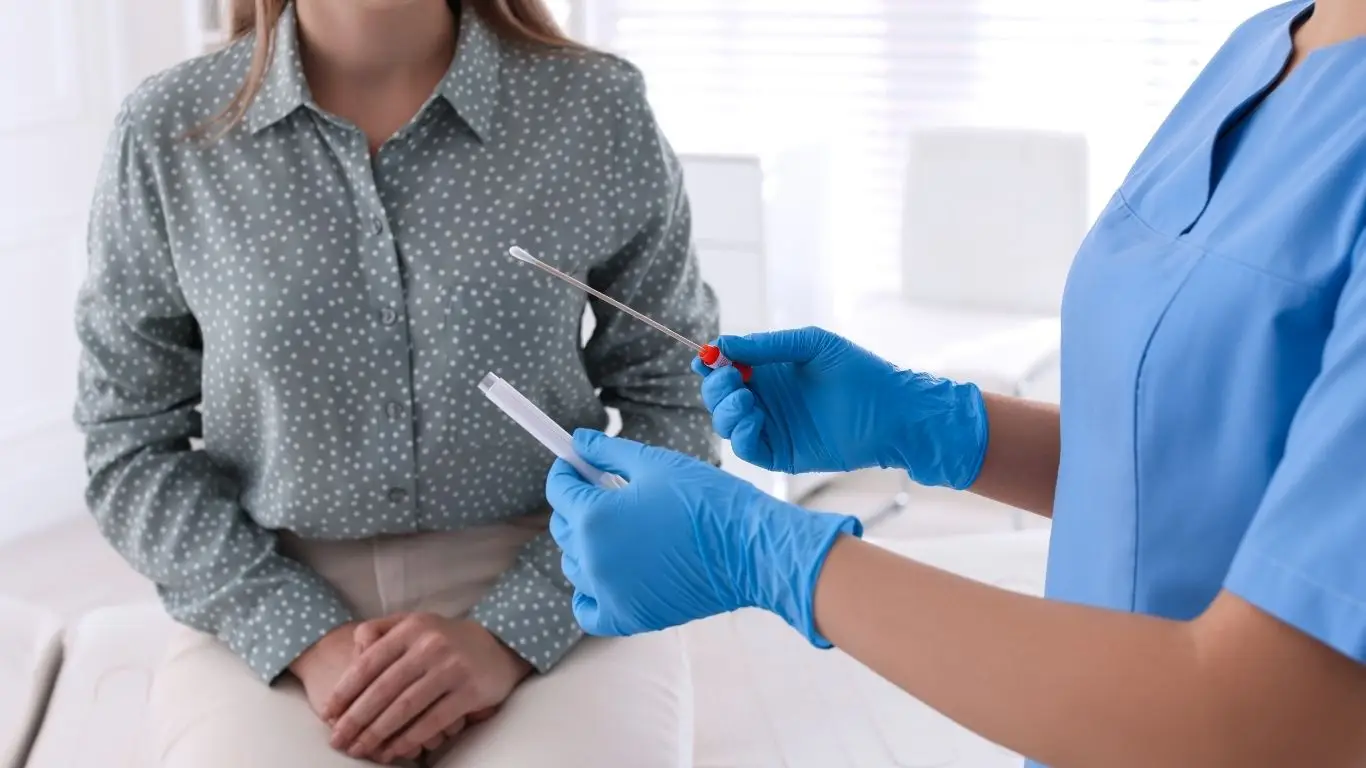
It’s not just full-blown BV that can be a sign your soap is too harsh. These subtle symptoms might be your skin waving a white flag:
- Itching or burning (even mild)
- Dryness or tight feeling after washing
- Frequent UTIs or yeast infections
- That nagging “off” smell
Been there, felt that. For me, switching to a low-pH, fragrance-free soap literally stopped a three-month cycle of back-to-back flare-ups. And no, I didn’t change my diet or underwear brand. It was the soap.
Check With a Professional
When in doubt, talk to a dermatologist or gynecologist. They can recommend or even test what works best for your specific microbiome needs. Some practitioners even recommend specific medical-grade intimate washes that are low-pH but still natural-leaning.
If you’re wondering whether your symptoms are even BV-related in the first place, this guide might help: BV and vaginal odor.
Products I’ve Personally Tried (and Trust)

Here’s a short but golden list of natural soaps that have worked for me and some of my friends dealing with BV-prone skin:
- Mother Dirt Cleanser: Ultra-gentle and microbiome-friendly. Love this for everyday use.
- Aleavia Restore Soothing Cleanse: A little pricey but worth it. No scent, great pH.
- Humble Brands Sensitive Bar: No fragrance, pH around 5. Good for body and intimate areas.
If you’re still navigating through treatment options, this article about how long it takes to cure BV gives a solid rundown.
For a deeper dive into BV prevention tips, visit our comprehensive guide: BV prevention tips. And if you’re just getting started learning about BV and what it actually is, here’s the main hub: Bacterial Vaginosis.
How to Build a Complete Routine for BV-Safe Cleansing

Switching to the *best natural soap pH for BV-prone skin* is a solid first move—but it won’t do much if the rest of your routine is throwing your pH off balance. Think of it as a whole vibe—your entire hygiene game needs to support that delicate microbiome. After trial, error, and more trial, here’s what actually works for me and many others in the same boat:
- Use lukewarm water—Hot water strips natural oils, and cold water doesn’t cleanse well enough.
- Wash the vulva only—Not the vagina. Never inside. Just the outer area.
- Use fingertips—Skip the loofah or washcloth. They’re too abrasive.
- Rinse thoroughly—Leftover residue, even from natural products, can irritate.
- Pat dry with a clean towel—No rubbing. And yes, clean means wash it often.
If you’re shaving or waxing down there, be extra cautious. Even natural soaps can sting right after hair removal. I usually skip cleansing for a few hours post-shave and let the skin calm down.
Timing & Frequency Matter
Once a day is enough. Twice max, especially after workouts. Overwashing—even with the perfect pH soap—can backfire. If you’re someone who showers twice daily, just use water for the second rinse and skip soap altogether for that one.
On my period days? I’ll lightly cleanse in the morning and again before bed. It helps with freshness, but again, *gently*. No scrubbing. If you’re wondering about BV around periods, this resource is gold: BV after periods.
Real Talk: Not All “Natural” Brands Get It Right
Been duped by packaging more times than I care to admit. You see the word “natural” and think you’re safe—but many so-called clean brands still sneak in drying alcohols, essential oils, or high-pH fillers. Here are a few red flags I’ve learned to spot:
- Strong or synthetic fragrances (even if it says “lavender” or “citrus”)
- Soap bars that lather too aggressively—usually a sign of sulfates or alkalinity
- Labels that don’t mention pH at all
- Products that tingle or “feel” super fresh (spoiler: that’s irritation, not cleanliness)
One time, I tried a boutique “artisan soap” with lavender and baking soda—it smelled divine but triggered a BV episode within 48 hours. Lesson learned. Keep it simple, even if the ingredients sound bougie.
Diet + Soap = Total pH Gameplan

This may surprise you, but diet plays a major role in how your body maintains its internal and external microbiome. It’s not just about soap. A sugar-heavy or processed-food diet can increase your risk of BV—even with a flawless hygiene routine. Your soap can support balance, but if your gut is inflamed or out of whack, your skin’s going to reflect it.
Some skin-friendly diet tips I swear by:
- Eat more fermented foods (yogurt, kimchi, miso, kefir)
- Take probiotics with lactobacillus strains
- Cut down on refined sugars and alcohol (yes, even wine hurts sometimes)
- Drink more water than you think you need
There’s more on this in our BV diet guide—specifically on foods that help vs harm the microbiome.
Partner Awareness & Product Sharing

Not enough people talk about this, but hygiene habits between partners matter. If your partner uses heavy fragrances, body sprays, or certain lubes, those can transfer and throw off your pH. I even had to gently let my partner know not to wash our shared towels with strong detergent or fabric softeners. It sounds picky until you realize those little things add up.
If you’re wondering whether your partner might need treatment or a pH check too, check this helpful article: do I need to treat my partner for BV?
When to See a Doctor

While natural low-pH soaps are powerful tools, they’re not a cure-all. If you’re experiencing persistent symptoms like odor, irritation, or discharge even after making the switch, it’s time to check in with your OB/GYN or dermatologist. Persistent BV may require a deeper intervention—sometimes even long-term solutions like vaginal microbiome transplants are being explored.
For context and more on recurring episodes, this page explains it better than I can: long-term solutions for BV.
Also, don’t ignore mental health’s connection to recurring issues—stress is a known trigger. I’ve seen my skin react during high-stress weeks, even if I didn’t change anything in my routine.
Final Soap Recommendations (Backed by pH and Simplicity)

Still hunting for your ideal soap? Here’s a breakdown of what to look for and where I found the gems:
- pH 4.5 or lower—Always. Non-negotiable.
- Fragrance-free—Essential oils count as fragrance, btw.
- Minimal ingredients—You should be able to pronounce them.
- No sulfates or alcohols—Dries out everything.
If you’re ready to go deeper into how to maintain a lifestyle that keeps BV in check, explore our full guide here: recurring BV causes and prevention.
And for the foundational must-know details about BV and why this all matters, start at the top: Bacterial Vaginosis.

Dr. Gwenna Aazee is a board-certified Internal Medicine Physician with a special focus on hypertension management, chronic disease prevention, and patient education. With years of experience in both clinical practice and medical writing, she’s passionate about turning evidence-based medicine into accessible, actionable advice. Through her work at Healthusias.com, Dr. Aazee empowers readers to take charge of their health with confidence and clarity. Off the clock, she enjoys deep dives into nutrition research, long walks with her rescue pup, and simplifying medical jargon one article at a time.