Why Floaters Worsen in Visually Overstimulating Environments
There’s something uniquely frustrating about trying to focus in a visually overstimulating environment when eye floaters decide to make an appearance. You know the kind of place I’m talking about—overhead lights bouncing off polished floors, flickering screens everywhere, fast-moving visuals. It’s like sensory chaos, and for those of us with floaters, it can turn into a full-blown visual nightmare. I remember walking into a tech convention last summer; within five minutes, my floaters flared up like static on an old TV. It was distracting, dizzying, and honestly, a bit anxiety-inducing. But let’s break it down—why do floaters feel so much worse in these kinds of environments?
Why Floaters Get Worse in Visually Overstimulating Spaces
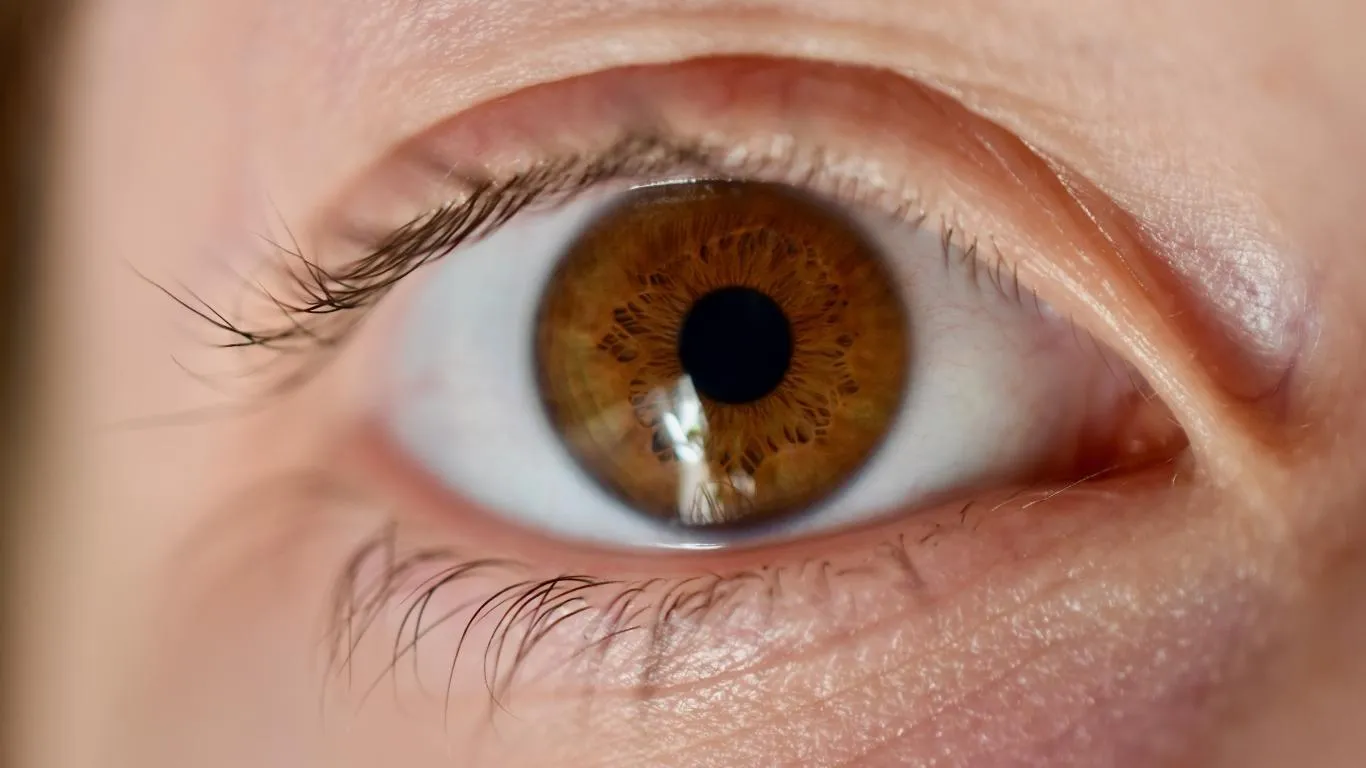
In everyday calm settings, you might not even notice floaters unless you’re looking at a blank wall or clear sky. But step into an environment with strobing lights, contrasting colors, or rapid movements—boom, it’s a different story. The floaters you normally ignore? They suddenly start stealing the spotlight.
The Science Behind the Sensory Storm
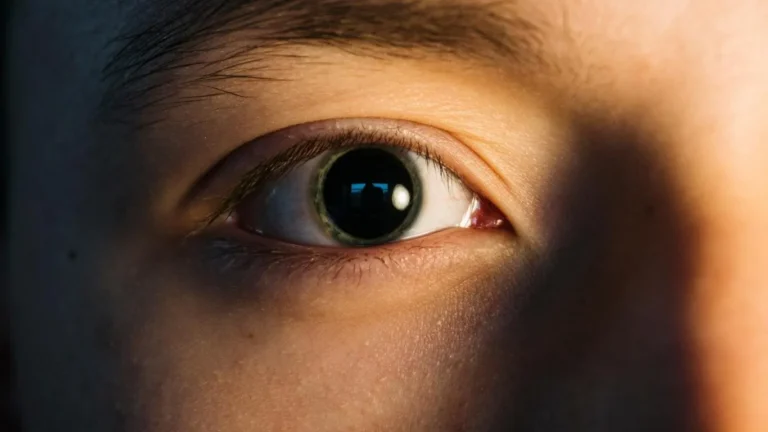
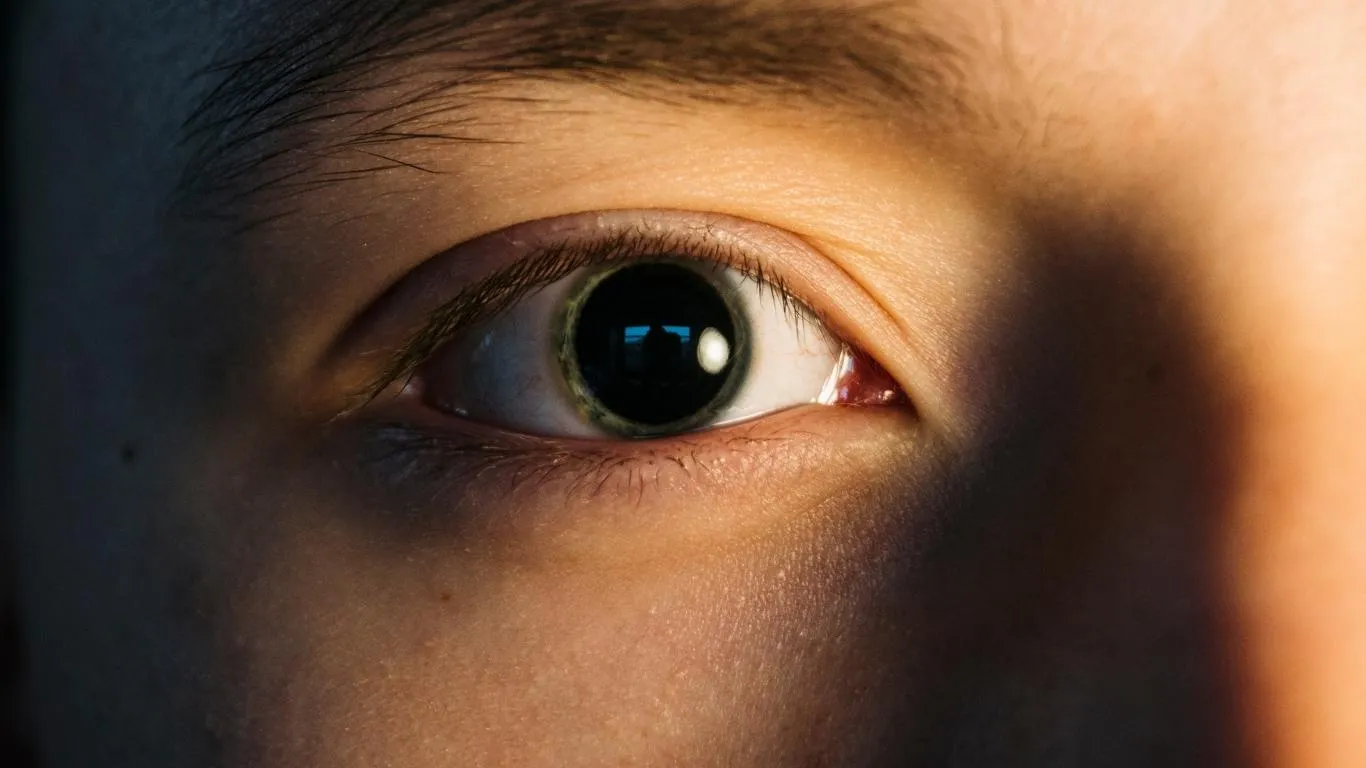
Visually overstimulating environments demand constant eye adjustments. Your pupils dilate and contract quickly, your retina works overtime trying to process shifting light, and your brain is flooded with visual input. This strain can make the floaters more noticeable because:
- Your eyes are constantly scanning and moving, making floaters drift across your vision more frequently.
- Bright or contrasting lights enhance shadows cast by floaters.
- Eye fatigue sets in faster, and when your eyes are tired, floaters tend to be more prominent.
In fact, many people report increased floater visibility in malls or stores with fluorescent lighting—likely due to the fast eye motion and intense brightness combo. Same goes for large LED billboards or watching fast-moving animations on ultra-HD TVs. It’s not your imagination; your eyes are working harder than usual.
Common Triggers in High-Stimulus Environments
Flickering Lights & Digital Displays
My personal nemesis: overhead LED panels. They might be energy-efficient, but many of them flicker at high frequencies imperceptible to most—but not to those of us with eye sensitivity. It’s like floaters get amped up in that light. Same goes for scrolling LED signs or animated ads. The movement exaggerates the visual “floatiness.”
Fluorescent & Harsh White Lighting
These are the kinds of lights that are notorious in office buildings and retail stores. Harsh lighting can highlight floaters, especially the translucent or grayish ones. A deep dive into fluorescent lighting shows many patients report floaters becoming far more distracting in these conditions.
Dark Rooms with Bright Objects
Ever try watching a movie in a dim room and suddenly you notice all your floaters dancing like ghosts across the screen? The contrast between the bright TV or projector screen and the surrounding darkness makes floaters pop out more.
If you’ve experienced this, you’re not alone. Artificial lighting tends to emphasize floater visibility, especially when your background is uniform or dark.
What It Feels Like: A Floater Flare-Up in Real Life
Walking through an airport, rushing to catch a flight, I suddenly felt this shimmering, thread-like floater drifting every time I glanced at the departure screens. Between the light reflections on glass panels and that sterile white lighting, I was blinking constantly trying to “clear” my vision. It didn’t help. My depth perception felt slightly off too, which I later found out is not uncommon when floaters distract your visual focus.
Tips I’ve Learned to Cope with Floaters in Stimulating Environments
- Use lightly tinted glasses: Amber or brown lenses help tone down the intensity of artificial light. I’ve worn them while shopping or attending conferences—life changing.
- Look for natural light spots: If you’re in a mall or office, find windows. Natural light is gentler on the eyes and floaters become less noticeable.
- Blink more often: Sounds simple, but when I’m focused, I blink less, which worsens the dryness and makes floaters more irritating.
- Limit screen time under intense lighting: Try to adjust screen brightness to match ambient light. Avoid ultra-bright screens in dim rooms.
- Hydrate and rest your eyes: Especially in air-conditioned spaces where dryness adds to the irritation.
Some experts also suggest that people with high myopia are more sensitive to lighting environments—so if that’s you, it might explain the heightened floater activity.
When to Take It Seriously
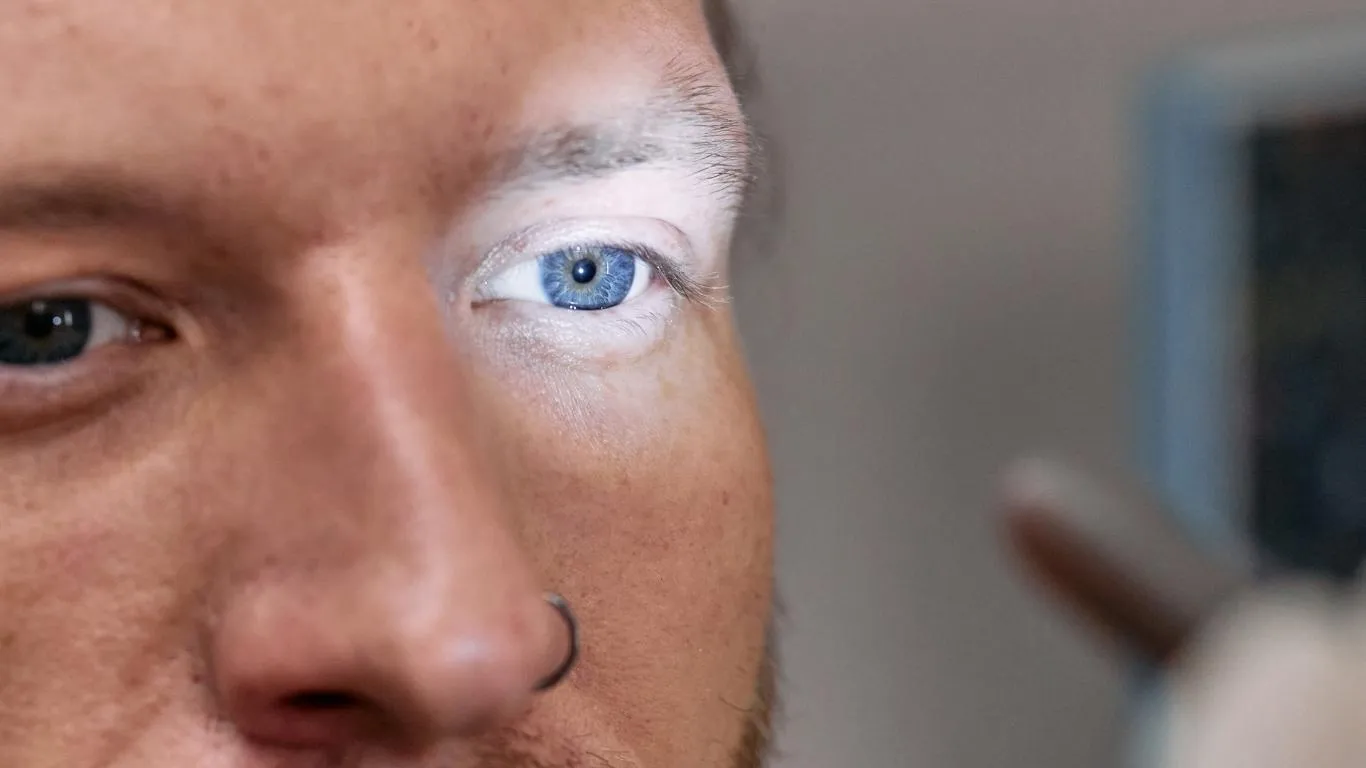
Floaters can be annoying, but if they suddenly increase or are accompanied by flashing lights or peripheral shadows, it’s time to check in with a doctor. That could be a warning sign of something more serious. Here’s a great resource about dangerous signs to watch for.
Also, visually overstimulating environments might not cause floaters, but they can absolutely make existing ones more visible and distracting. If this is a frequent issue for you, it’s worth checking out this comprehensive guide on what causes floaters and how to manage them and how to differentiate floaters from other eye problems.
For me, the shift started when I began to understand that managing my environment—even just the lighting—had a huge impact. From the eyewear I chose to the lighting I worked under, those adjustments made floaters less intrusive. If you’re navigating life with floaters in overstimulating settings, the good news is: you’re not stuck. Small shifts can bring major relief.
#LNF

Camellia Wulansari is a dedicated Medical Assistant at a local clinic and a passionate health writer at Healthusias.com. With years of hands-on experience in patient care and a deep interest in preventive medicine, she bridges the gap between clinical knowledge and accessible health information. Camellia specializes in writing about digestive health, chronic conditions like GERD and hypertension, respiratory issues, and autoimmune diseases, aiming to empower readers with practical, easy-to-understand insights. When she’s not assisting patients or writing, you’ll find her enjoying quiet mornings with coffee and a medical journal in hand—or jamming to her favorite metal band, Lamb of God.