Why Floaters Worsened by Eye Redness May Signal Trouble
If you’ve ever dealt with floaters, you know how random and distracting they can be. For me, they first popped up after a long day of staring at my laptop. I thought they were just tired eyes — until I noticed they’d get worse anytime my eyes turned red or irritated. Turns out, there’s a surprising link between floaters and eye redness that most people completely overlook.
Understanding Eye Floaters (When They’re More Than Just Specks)
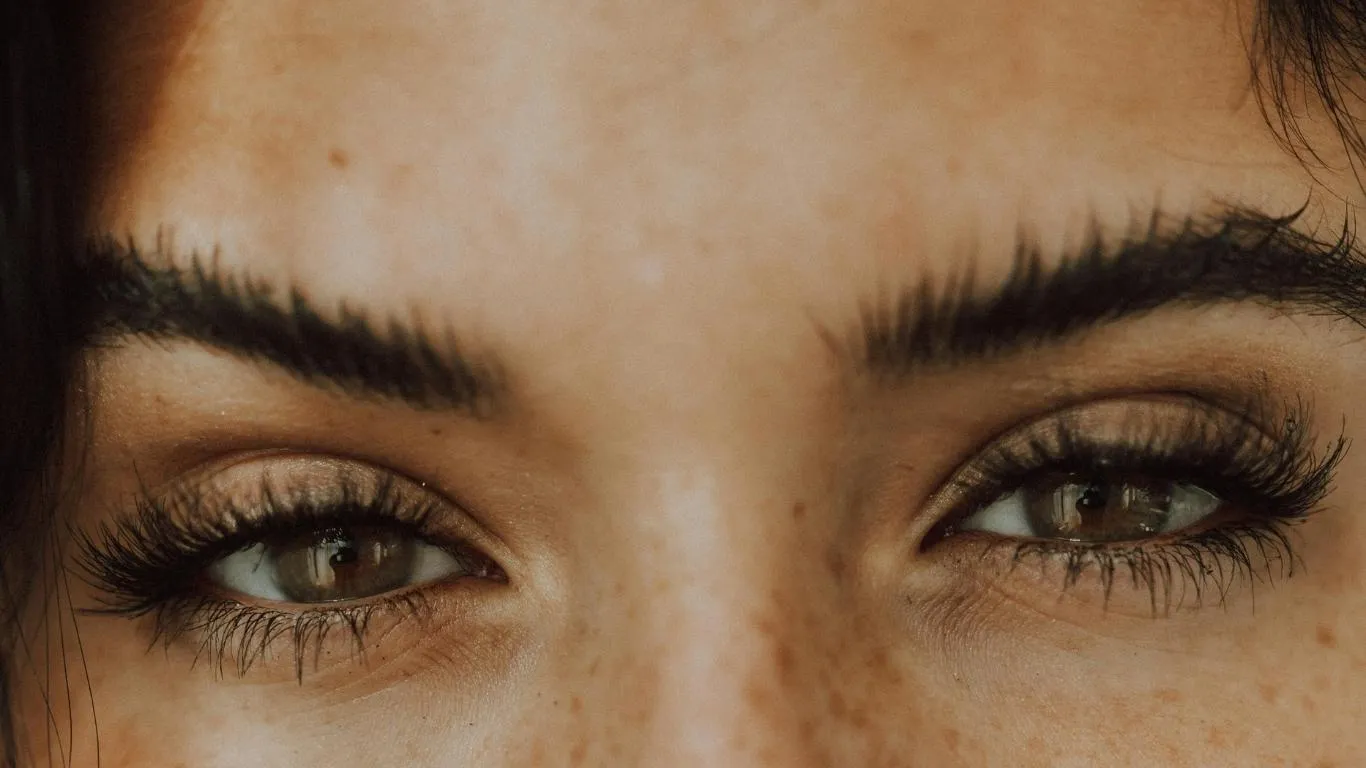
Floaters are those weird thread-like shadows, specks, or cobwebs that drift across your field of vision. They’re usually harmless and float in the vitreous — the gel-like substance that fills the space between your lens and retina.
But when eye redness gets involved, those floaters can suddenly appear more vivid, stubborn, and downright annoying. That’s what led me down this rabbit hole of research — and trust me, what I found isn’t just your typical “dry eye” explanation.
Why Floaters Seem Worse When Your Eyes Are Red
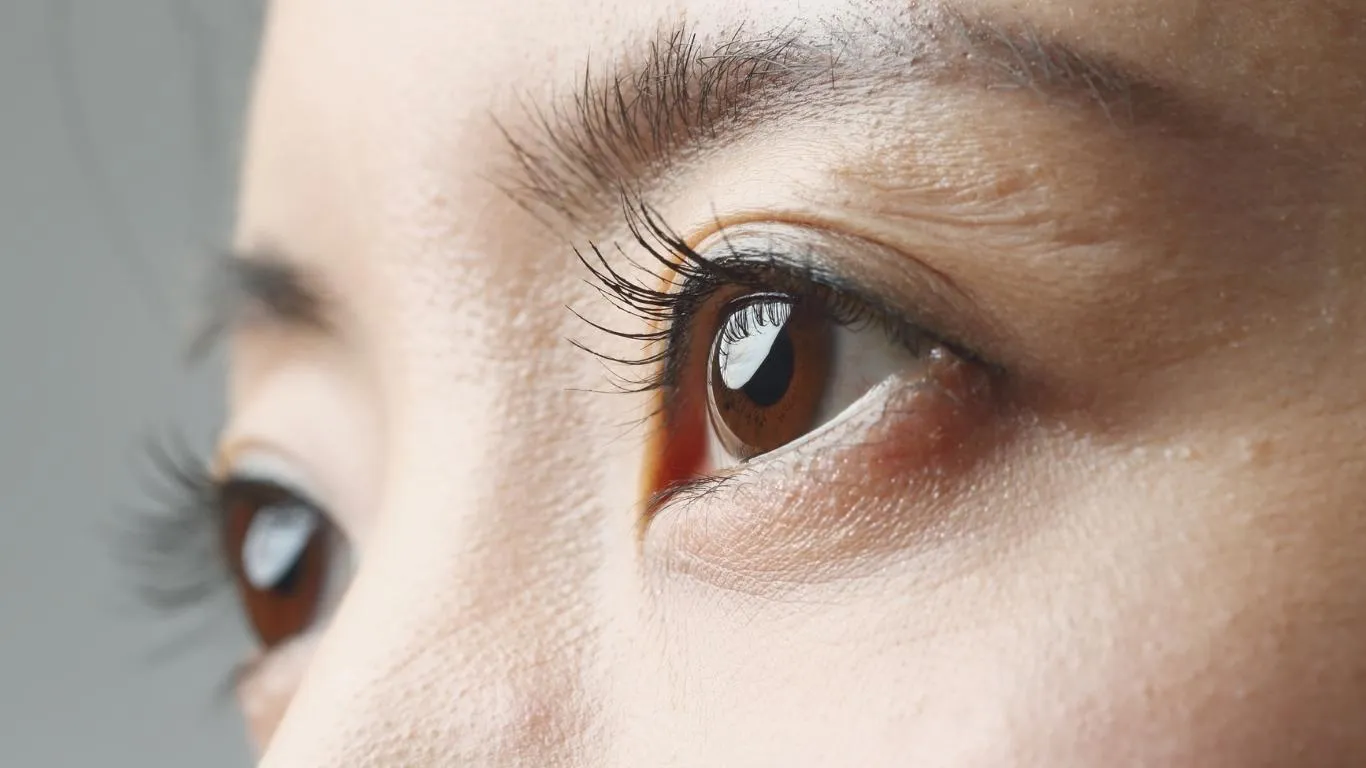
Redness in the eyes is a signal. It usually means inflammation, irritation, or increased blood flow in the conjunctiva. That might not sound like a big deal, but it plays a much bigger role in how you perceive floaters.
1. Inflammation Makes Floaters Stand Out More
When your eyes are inflamed — from allergies, screen fatigue, or rubbing your eyes too hard — the background of your visual field gets subtly distorted. This makes floaters pop. The contrast goes up, and those harmless floaters you barely noticed now seem like they’re dancing around in HD.
2. Increased Eye Pressure Can Make Them Shift
Redness is often a symptom of rising intraocular pressure. It’s not always glaucoma-level dangerous, but that slight shift can agitate the vitreous body and cause floaters to become more mobile and noticeable.
3. Eye Strain Triggers Both
If you’re like me, and you’ve ever pulled a late night with a screen glaring in your face, you’ve probably woken up with red eyes and a swarm of floaters the next morning. It’s not a coincidence — digital eye strain is one of the most underrated culprits. Long exposure to blue light worsens redness, and floaters tend to become more prominent in fatigued eyes.
- Floaters after using phone in the dark
- Floaters in artificial lighting conditions
- Floaters flashing in dim environments
My Personal Red-Eye Floater Triggers
Here are the surprising triggers I discovered through trial and error (and lots of squinting):
- Allergy season – Pollen hits, my eyes turn red, and floaters come out to play.
- Long car rides – Especially with the AC vent pointed at my face. The dryness leads to irritation, then the floaters follow.
- Not blinking enough – I realized I blink less when I’m focused. That builds up tension, reddens the eyes, and worsens floaters instantly.
- Wearing contact lenses too long – Instant red eyes. Floaters start swirling faster.
If any of that sounds familiar, you’re not imagining things. Redness may not cause floaters directly, but it absolutely amplifies them.
When Eye Redness Becomes a Serious Floater Trigger
There are specific conditions where floaters plus red eyes may signal something more serious. You should definitely get checked if you notice:
- Floaters appearing suddenly with eye pain
- Blurred or reduced vision at the same time as redness
- Flashes of light with dizziness or lightheadedness
Conditions like uveitis, vitreous hemorrhage, or even medication-induced side effects could be the hidden cause — and that’s something you don’t want to brush off.
Best Tips I’ve Tried to Calm Red Eyes (and Quiet Floaters)
1. Hydrate Like It’s a Job
Staying hydrated made more of a difference than I expected. Dehydration actually makes floaters worse. Who knew?
2. Anti-Allergy Eye Drops (But Not Daily)
I use preservative-free lubricating drops when allergy season hits. Just avoid steroid drops unless prescribed — they’ve been linked to worsening floaters.
3. Warm Compress & Eye Massage
This one’s underrated. Warm compress helps blood vessels calm down, and gentle massage around the eyes releases some of the tension that causes floaters to bounce around more.
4. Give the Screens a Break
Even a 5-minute pause every hour makes a huge difference. I follow the 20-20-20 rule: Every 20 minutes, look at something 20 feet away for 20 seconds. Game changer.
Still Seeing Floaters with Red Eyes?
If redness lingers and floaters are increasing, it’s not something to ignore. In fact, some floaters signal bigger underlying problems that deserve a closer look. In cases of recurrent redness, it may point to a chronic inflammatory issue in the eye’s deeper layers.
There’s also solid info on this topic in this breakdown of treatment options and a full primer over at our main article on causes, symptoms, and treatment of floaters.
Don’t wait around hoping it fades. Floaters worsened by red eyes might not go away without tackling the root cause — which is usually inflammation or eye strain. Trust your gut and your eyeballs.
After learning to manage the strange relationship between red eyes and worsening floaters, I realized there’s still a lot more going on under the surface. Sometimes, even after fixing eye redness, those floaters just don’t back off — and that’s when things get really frustrating.
When Floaters Stay Long After Redness Goes Away
One of the biggest myths is that once your eyes look clear, floaters will calm down. For some people, maybe. But in my case, and for a surprising number of others, floaters keep lingering — sometimes even getting worse — long after the redness is gone. So what gives?
1. Vitreous Changes Take Time to Settle
Eye redness is often temporary, but the changes it triggers in the vitreous (that gel-like substance inside your eye) aren’t. Once the vitreous shifts or becomes disturbed, those little specks can float around for weeks or months.
2. Eye Sensitivity Goes Up
Even after redness fades, your eyes can remain hypersensitive. I noticed that certain lighting — like fluorescent or harsh white backgrounds — made my floaters appear again, even if my eyes looked fine in the mirror. Turns out, this sensitivity amplifies how visible floaters become, especially in bright rooms or strong daylight.
3. Your Brain Starts Noticing Them More
This part is wild: once you become aware of floaters, your brain gets “trained” to notice them. So even a mild floater that would’ve gone unnoticed before now feels like it’s front and center. It’s part visual, part psychological. I had to retrain myself to stop focusing on them (easier said than done).
Unusual Triggers That Made My Floaters Worse After Eye Irritation
Everyone talks about aging or eye trauma, but here are the lesser-known things that made my floaters worse — all after dealing with eye redness:
- Spicy food – Strange, but after a particularly spicy meal, my eyes would feel dry and floaters would pop harder the next day.
- Long showers – The steam helped redness, but the contrast after stepping into bright light made the floaters stand out even more.
- Stress and shallow breathing – Especially during work calls. It’s not just mental — there’s a known link between neurological stress and floaters.
Conditions That Make Floaters More Visible Post-Redness
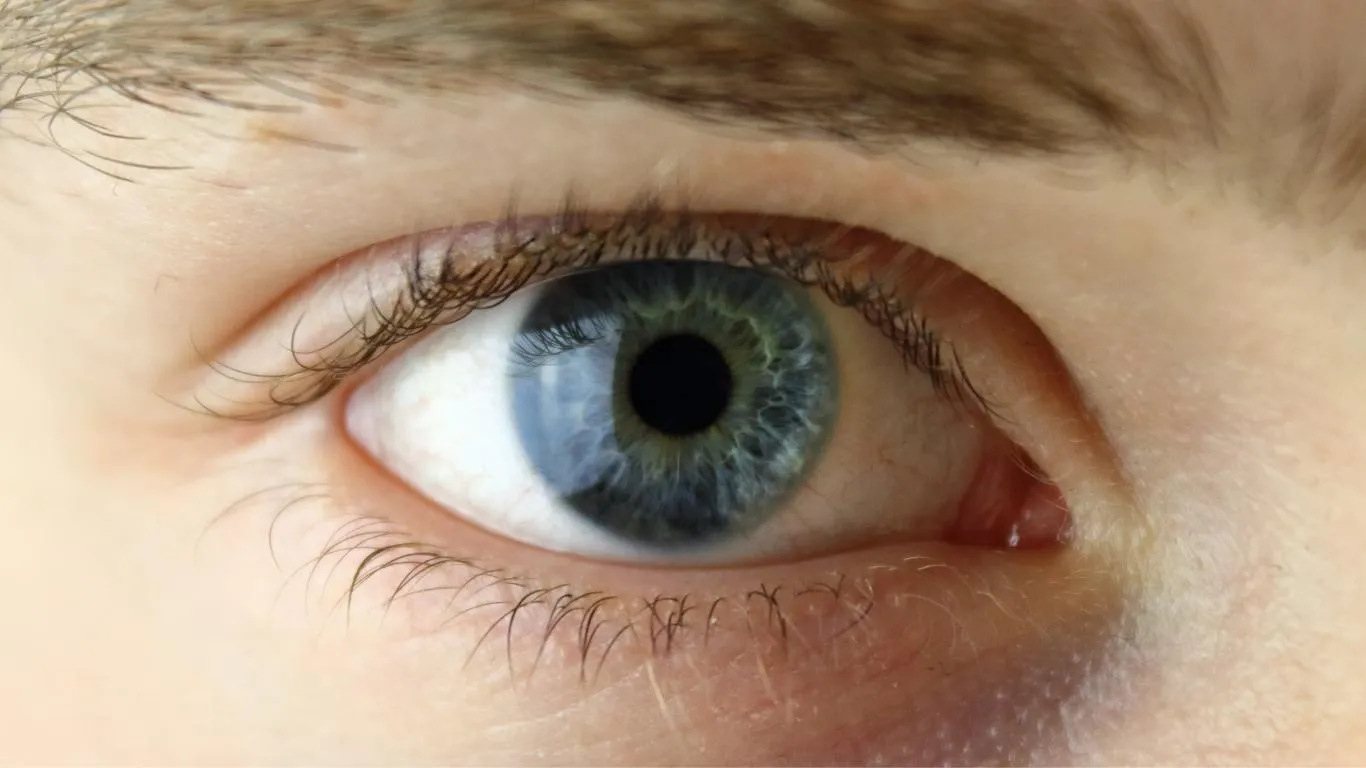
Some conditions silently worsen floaters after redness goes away. I wasn’t expecting this, but here’s what I uncovered:
- Eye allergies – They don’t always cause redness, but they can leave the eye surface irritated. That irritation enhances floater visibility.
- Low tear production – Without proper lubrication, your eyes become more sensitive to contrast shifts — a major factor in seeing floaters more often.
- Blue light exposure – This one’s huge. Even after redness goes down, excess blue light from screens can keep floaters in the spotlight.
What Actually Helped Me Tame the Cycle
These aren’t miracle cures — but they absolutely worked better than doing nothing. If you’ve been stuck in that “red-eye to floaters to frustration” cycle like I was, try this:
1. Daily Eye Rinse
I started using a sterile saline rinse each morning, especially after days I wore contacts or had allergy flare-ups. It keeps debris and irritants off the surface, reducing the chance of redness returning.
2. Reducing Caffeine
Oddly enough, too much caffeine dried out my eyes and made floaters worse. I cut down to one cup of coffee a day, and added more water-rich foods — it helped stabilize my eye moisture.
3. Better Lighting, Fewer Floaters
Bright, direct overhead lights were the enemy. I switched to diffused ambient lighting, especially when working at night. Fluorescent light made everything worse for me.
4. Natural Tear Boost
Instead of relying on eye drops alone, I increased foods with omega-3s — flaxseed, salmon, walnuts. Turns out, there’s evidence this can help tear quality and support vitreous health long term.
When It’s Time to See a Specialist
Look, not every floater after red eyes means something’s wrong. But if you notice floaters getting worse over time, or if they start affecting your daily life (like they did mine), don’t just sit on it. Here’s when you definitely want to book that appointment:
- Floaters appear in clusters or look like black webs
- They follow a sudden increase pattern — especially after physical activity
- You’ve had eye trauma, even mild, in the past month
- Redness returns every week, or refuses to go away
I found a great overview of what to expect and when to seek help in the warning signs guide here.
Not All Floaters Are Equal
Something I wish I knew earlier — not all floaters are created equal. Some fade with time. Others stay but become less noticeable. And then there are those that worsen when combined with dryness, inflammation, or yes — eye redness.
If you haven’t already, take a look at this treatment guide to understand options beyond just waiting. It helped me explore things like laser floater removal, which I didn’t even know was a thing.
More importantly, understanding how floaters respond to things like inflammation or age-related vitreous changes gave me peace of mind. Some of it is manageable, some of it just needs patience — but either way, you’re not powerless.

Camellia Wulansari is a dedicated Medical Assistant at a local clinic and a passionate health writer at Healthusias.com. With years of hands-on experience in patient care and a deep interest in preventive medicine, she bridges the gap between clinical knowledge and accessible health information. Camellia specializes in writing about digestive health, chronic conditions like GERD and hypertension, respiratory issues, and autoimmune diseases, aiming to empower readers with practical, easy-to-understand insights. When she’s not assisting patients or writing, you’ll find her enjoying quiet mornings with coffee and a medical journal in hand—or jamming to her favorite metal band, Lamb of God.