Can Wearing Thongs Cause BV or Just an Uncomfortable Myth?
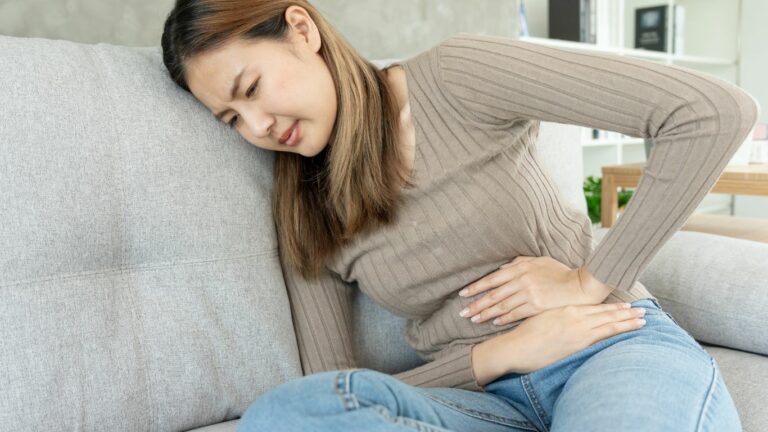
Let’s be real—thongs are a staple in many underwear drawers. They’re comfy (to some), stylish, and definitely come in handy under tight dresses or leggings. But I remember this one time after a beach vacation—living in thongs all week—I came back with the most uncomfortable issue: bacterial vaginosis. I had never even thought my underwear could be the problem. So… can wearing thongs really cause BV?
Why the Thong Controversy Exists in the First Place

It’s not just a myth that’s been circulating among friend groups or women’s health forums. A lot of women—including myself—have noticed a pattern between thong use and the onset of BV symptoms. But what does science (and experience) actually say?
Let’s Talk Anatomy (Real Quick)
Thongs, especially the snug-fitting ones made from synthetic materials, have a tendency to move. That movement can transfer bacteria from the back to the front, increasing the risk of disrupting your vaginal flora. The vagina is home to beneficial bacteria that keep things in check. When that balance tips? Hello, BV.
Is It the Fabric or the Fit?
From my own experience, I’ve found cotton thongs to be more forgiving. But lacey, polyester numbers? Not so much. Breathability matters. And tight, non-breathable fabric can trap moisture and warmth—exactly what BV-causing bacteria thrive on.
The Science (and Common Sense) Behind It

Studies, Yes—But Also Real-Life Patterns
Several gynecologists and sexual health experts agree: thongs can contribute to conditions like BV, particularly if you’re already sensitive or prone to infections. It’s not a direct cause, but it’s part of a chain reaction. That chain? Starts with friction, adds in bacteria migration, and ends in vaginal flora imbalance.
There’s even some research mentioned on ncbi.nlm.nih.gov that notes higher rates of BV among thong wearers compared to those who opt for full coverage panties. But correlation isn’t always causation, right?
When You’re More at Risk
Some people are more prone to developing BV based on several factors:
- Frequent thong use, especially all day long
- Synthetic materials that don’t allow airflow
- Post-workout thong wear (yep, guilty)
- Wearing tight jeans or leggings over thongs
Combine those with other risk factors like menstrual cycle shifts or stress-related immune dips, and it’s easy to see how thong use can tip the scales toward BV.
Thongs and Hygiene Habits: What You’re Probably Doing Wrong

Wearing the Same Pair Too Long
OK, this one’s awkward but needs to be said. I used to wear thongs from morning until bedtime. Big mistake. The longer it’s on, the more it becomes a petri dish. Change your underwear mid-day if you’re staying active. Even better, switch to breathable cotton once you’re home.
Skipping the Post-Workout Change
After hitting the gym, it’s tempting to run errands or chill out without changing. But staying in a sweaty thong is like asking for trouble. I’ve learned to carry a backup pair in my gym bag just in case. You’ll thank yourself later.
Going Commando at Night Helps
One of the best habits I picked up during a flare-up was sleeping without underwear. It gives your body a chance to air out and rebalance. Nighttime is when your body does its healing—and your vagina needs that downtime too.
What to Do If You Think Thongs Are Triggering Your BV

If you’re getting recurring BV after thong-heavy days, it might be time to take a break and reassess. You don’t have to ditch thongs forever (I haven’t), but maybe rotate in full briefs or cheeky cuts more often.
Try These Proactive Tips
- Stick with breathable materials—cotton is your best friend.
- Reserve thongs for special occasions or short wear periods.
- After workouts, change immediately. No excuses.
- Practice gentle hygiene—avoid over-washing or douching. It makes things worse. Learn more in this guide on douching myths.
Some women find relief through probiotics or even diet adjustments (yes, sugar matters). If it keeps coming back, you might want to look into long-term solutions.
To better understand all the possible causes of BV and how it develops, this pillar article breaks it down thoroughly. And if you’re just starting your research into BV in general, don’t miss the main guide on bacterial vaginosis that covers everything you should know.
When a Simple Change Makes a Big Difference

After that miserable post-vacation BV episode I mentioned earlier, I made one tiny change: I started rotating out my thongs with cotton briefs, especially on long days or when I knew I’d be sitting for hours. I swear it reduced flare-ups by half. Sometimes, it’s not about throwing out your entire lingerie collection—it’s about being smart with it.
Watch for Your Own Patterns
What works for one person might not apply to the next. If you notice your BV symptoms creeping in after thong-heavy weeks, that’s your body giving you a not-so-subtle nudge. Journaling helped me figure this out. Yeah, it sounds extra, but jotting down what underwear I wore, if I exercised, what I ate—it helped me spot repeat offenders in my routine.
Common Mistakes to Avoid
Just a few things I learned the hard way:
- Wearing thongs two days in a row without washing them (don’t judge me, I was in college)
- Sleeping in synthetic materials
- Using scented laundry detergent on my delicates
- Choosing style over fit and hygiene
They all seemed harmless in the moment, but each one chipped away at my vaginal health.
When It’s Time to See a Doctor

If you’ve done the hygiene thing, switched underwear types, and still end up with BV symptoms—like unusual discharge, odor, or irritation—it might be time for professional input. I remember delaying a checkup because I thought it was “just my body,” but it turned out to be a pretty stubborn infection that needed prescription meds.
Your gynecologist may recommend something like metronidazole or clindamycin, both of which worked well for me—though the key was also making lifestyle adjustments to prevent it from coming back.
Don’t Ignore Recurring Symptoms
BV that keeps coming back might not just be about thongs—it could point to incomplete treatment, or something like an untreated partner. That was a huge surprise to me—no one told me about this stuff in health class.
Other Habits That Play a Role

What You Eat Might Matter More Than You Think
There’s emerging info that certain diets can affect your vaginal health. Personally, when I cut down on sugar and focused on whole foods and foods that feed good bacteria, I noticed fewer flare-ups. On the flip side, every time I binged on processed carbs or too much dessert, things got… funky down there.
Consider Adding Probiotics
I’m not saying they’re a miracle cure, but daily probiotic supplements helped maintain balance. Yogurt helps too (internally and externally, yep—it’s a thing). There’s even some promising discussion about vaginal probiotic suppositories, which you can read about on trusted sites like mayoclinic.org.
The Bottom Line: Balance, Not Bans

Do thongs cause BV? Not directly. But they can contribute to the perfect storm if other factors are also at play. That’s what happened to me—and to a lot of other women I’ve spoken to. It’s all about awareness, balance, and not being afraid to change things up if your body’s giving you signs.
If you’re prone to infections, maybe ditching the thong full-time isn’t necessary—but being more strategic with when and how you wear them could be the sweet spot. And please, don’t skip out on professional care if symptoms persist. BV isn’t just annoying—it can lead to complications if left untreated, especially during pregnancy. More on that here: BV during pregnancy guide.
For a broader look at prevention strategies, hygiene tweaks, and how to avoid recurrences, explore the full BV prevention guide. You can also check the complete BV main overview here—an excellent starting point if you’re just piecing things together.

Dr. Gwenna Aazee is a board-certified Internal Medicine Physician with a special focus on hypertension management, chronic disease prevention, and patient education. With years of experience in both clinical practice and medical writing, she’s passionate about turning evidence-based medicine into accessible, actionable advice. Through her work at Healthusias.com, Dr. Aazee empowers readers to take charge of their health with confidence and clarity. Off the clock, she enjoys deep dives into nutrition research, long walks with her rescue pup, and simplifying medical jargon one article at a time.